

Loading, please wait...
Loading, please wait...
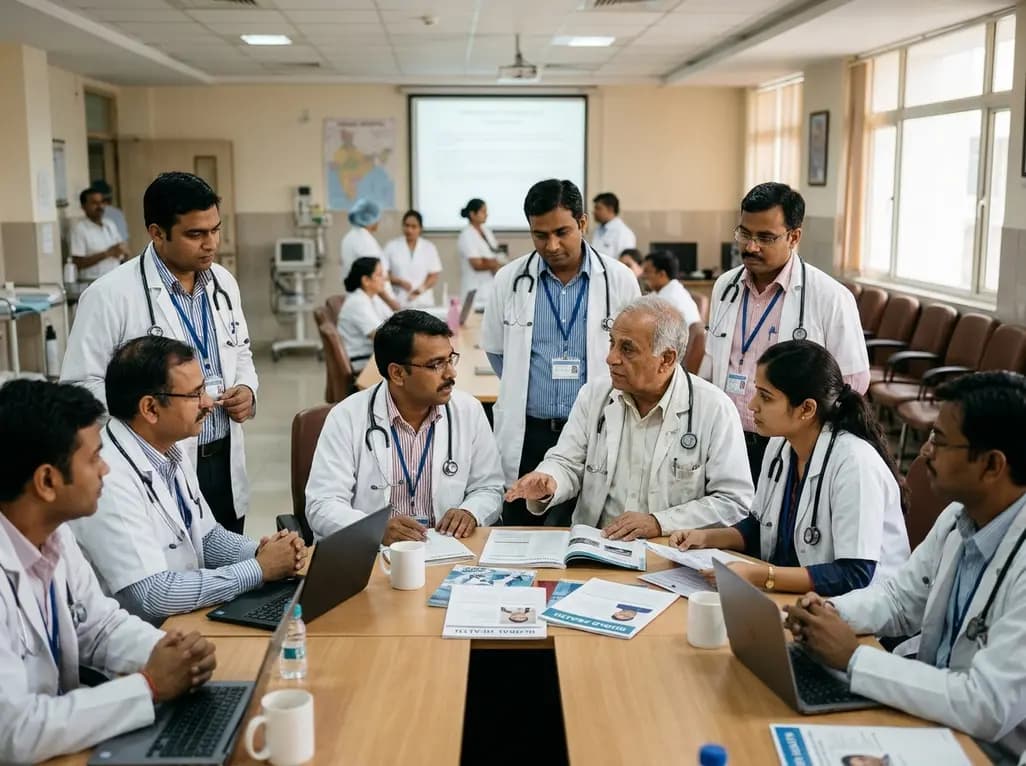
The World Health Organization announced that member states have nominated seven candidates for Director-General. This upcoming WHO director-general election marks a defining moment for international healthcare governance. In addition, the successful leader will succeed Dr Tedros Adhanom Ghebreyesus in mid-2027. Consequently, the chosen official will direct disease surveillance, funding reforms, and clinical guideline harmonisation worldwide.
Global public health currently faces unprecedented operational and financial strain. Therefore, this leadership transition comes at a decisive juncture for multilateral institutions. The international health community confronts escalating antimicrobial resistance, climate-driven epidemiological shifts, and persistent budgetary deficits. Moreover, frontline clinicians demand faster, more reliable guidance from international coordinating authorities.
Historically, the Director-General exercises immense influence over worldwide public health practice. For example, the director issues international declarations during public health emergencies of international concern. In addition, the leadership shapes technical treatment protocols that national health ministries adopt globally. As geopolitical rivalries test multilateral solidarity, the next leader must protect institutional independence and rigorous scientific objectivity.
Furthermore, hospital administrators rely upon international consensus when managing emerging infectious disease outbreaks. Consequently, the vision of the next director will alter how laboratory discoveries transition into everyday bedside care. Member states recognise that sound administrative governance directly reinforces clinical trial transparency and healthcare supply chains. Thus, international delegates view this election as a vital determinant of future medical resilience. Ultimately, this upcoming race will redefine international health cooperation and multilateral partnerships.
The official nominee list reflects remarkable administrative accomplishment, academic excellence, and diverse geographic representation. Specifically, Dr Hanan Mohammed Al-Kuwari of Qatar brings extensive executive experience from her tenure as health minister and medical corporation chief. Similarly, Dr Hanan Balkhy of Saudi Arabia contributes profound expertise in infectious diseases and global antimicrobial resistance stewardship.
Meanwhile, Dr Hans Henri P. Kluge of Belgium offers proven institutional leadership after steering European health programs through recent systemic crises. From Spain, Dr María P. Neira provides decades of public health governance directing environmental determinants of health at headquarters. Furthermore, Mr Budi Gunadi Sadikin of Indonesia demonstrates strong administrative capability gained while executing comprehensive national health financing reforms.
In addition, Ambassador Li Song of China brings deep diplomatic skill in international negotiations and multilateral relations. Dr Gevorg Tamamyan of Armenia provides valuable clinical perspective as an eminent pediatric oncologist and international oncology society leader. Consequently, the nominees combine frontline medical insight with high-level multilateral governance experience. Therefore, member nations possess an extraordinary opportunity to choose a director matching modern healthcare complexities.
The World Health Organization follows an exhaustive, highly structured selection protocol to appoint its executive chief. Initially, candidate engagement begins during the first formal candidates forum in Geneva during November 2026. This open forum enables nominees to present their institutional visions directly to delegations and observers worldwide. Furthermore, member states evaluate each nominee's strategic priorities through these comprehensive interactive dialogues.
Subsequently, the Executive Board convenes its 160th session in early 2027 to assess all candidatures. During this crucial stage, board members interview the contenders and establish a shortlist of five individuals. Afterward, the board nominates up to three finalists for consideration by the World Health Assembly. A second public forum then occurs in March 2027 to ensure transparency across international civil society.
Finally, the decisive vote takes place at the 80th World Health Assembly in May 2027. Each member state casts an equal, secret ballot during the plenary session. The appointed Director-General will officially begin a five-year term on August 16, 2027. Therefore, this rigorous process balances technical evaluation with democratic multilateral decision-making. Consequently, the chosen leader will carry a clear international mandate.
While the election represents high-level diplomacy, its consequences resonate directly across daily clinical practice. For instance, standardized treatment guidelines for tuberculosis, malaria, and emerging pathogens originate within technical divisions overseen by the Director-General. When international leadership prioritises rapid normative guideline updates, hospital physicians acquire robust, evidence-based recommendations much faster.
Moreover, the Director-General directly steers the prequalification program for medicines, vaccines, and diagnostic tests. This vital regulatory mechanism accelerates the availability of affordable generic pharmaceuticals across low-income regions. In addition, the organization coordinates global surveillance networks targeting multi-drug resistant bacterial pathogens. A proactive director can dramatically expand local laboratory capacity and antimicrobial stewardship resources for community hospitals.
Furthermore, international technical consensus shapes national clinical research ethics and digital health integration standards. Consequently, the incoming administration will influence regulatory frameworks for artificial intelligence applications in clinical diagnostics. Clinicians must observe these administrative developments, as international policies rapidly integrate into local hospital accreditation requirements. Thus, leadership shifts in Geneva inevitably influence how physicians evaluate diagnostic tools, isolate resistant microbes, and deliver bedside care.
India plays an indispensable role in international healthcare as the primary global manufacturer of generic medicines. Therefore, leadership decisions in Geneva hold profound operational implications for Indian pharmaceutical production and clinical research. Specifically, Indian regulatory authorities, such as the Central Drugs Standard Control Organisation, closely align domestic requirements with international benchmarks.
Furthermore, India has implemented expansive public healthcare models through digital health registries and primary care networks. The next Director-General must actively support emerging economies in scaling similar cost-effective public health solutions. In addition, Indian clinicians spearhead vital programs against endemic infections like tuberculosis, alongside rising metabolic disorders. Closer collaboration with international leadership will enhance research investments, vaccine distribution equity, and technology transfers for Indian medical colleges.
Meanwhile, Indian healthcare leaders consistently advocate for balanced intellectual property standards and dependable medical supply chains. The future administration will direct critical discussions regarding global pandemic agreements that directly influence domestic medicine distribution. Consequently, Indian medical professionals must follow the candidate platforms with keen interest. Ultimately, productive engagement between the new Director-General and Indian policymakers will advance domestic clinical care.
Q1: Why does the WHO Director-General election matter to practicing clinicians?
The Director-General establishes technical priorities, approves international treatment protocols, and coordinates global health emergencies under International Health Regulations. Furthermore, the agency issues clinical guidance on antimicrobial stewardship, infectious disease management, and essential medicines. Consequently, these high-level policies directly shape national regulatory standards, hospital procurement choices, and evidence-based diagnostic pathways used daily by frontline doctors.
Q2: How does the formal election process for the Director-General proceed?
Member states first nominate candidates, who then participate in public interactive dialogues. Subsequently, the Executive Board interviews these nominees during early 2027 to produce a shortlist of three finalists. Finally, all member nations participate in a secret ballot at the World Health Assembly in May 2027. The victorious candidate takes office on August 16, 2027, serving a five-year term.
Q3: What critical challenges will the next WHO Director-General face?
The incoming leader must immediately tackle severe institutional funding constraints, escalating geopolitical tensions, and rising antimicrobial resistance. Additionally, the chief must finalise international pandemic preparedness treaties and address the health impacts of climate change. Moreover, the director must ensure equitable access to novel therapeutics while strengthening primary healthcare systems across developing nations.
Disclaimer: This content is for informational and educational purposes only. It does not constitute medical advice or replace professional judgment. Refer to the latest local and national guidelines for clinical practice.
References

Read summarized clinical updates, watch expert medical content, and earn CME certifications right from your smartphone.
Open your smartphone camera to scan and install.





Member states have nominated seven global health leaders for the next WHO Director-General post to succeed Dr Tedros in 2027. Explore candidate profiles, election milestones, and critical implications for international clinical policy, emergency governance, and Indian public health priorities.
Today
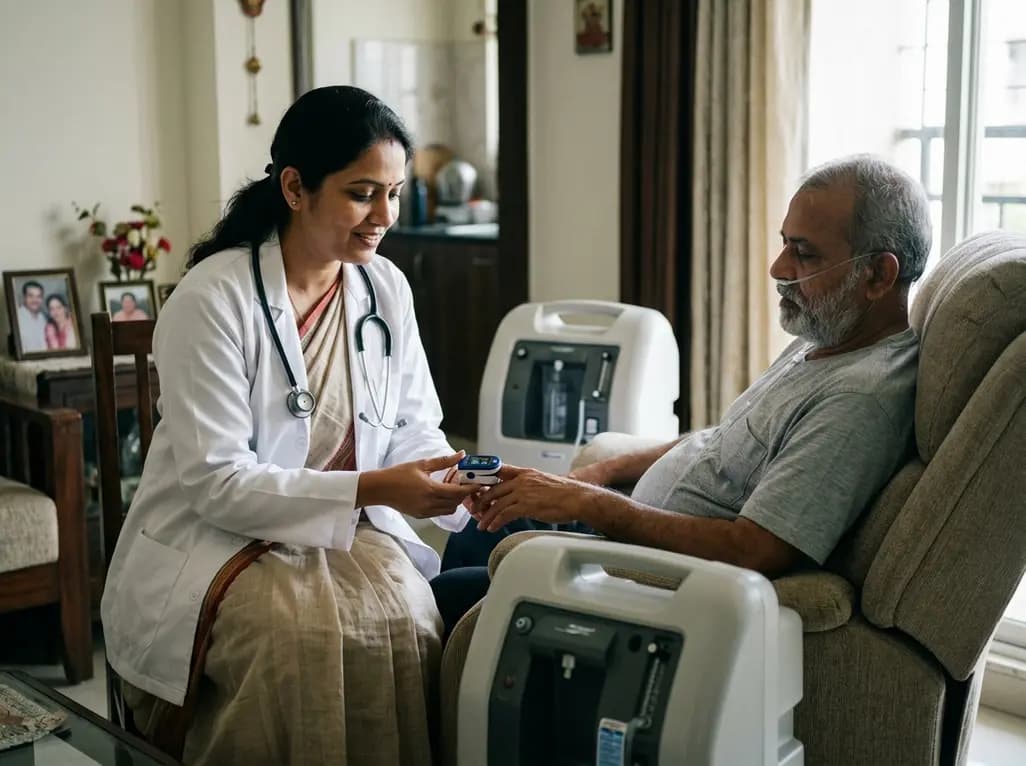
Chronic respiratory conditions like COPD pose an escalating health burden in India. As advanced stationary concentrators enter domestic healthcare, clinicians must evaluate hypoxaemic thresholds, reinforce daily adherence protocols, and balance device ergonomics to improve long-term outcomes and patient survival.
Today
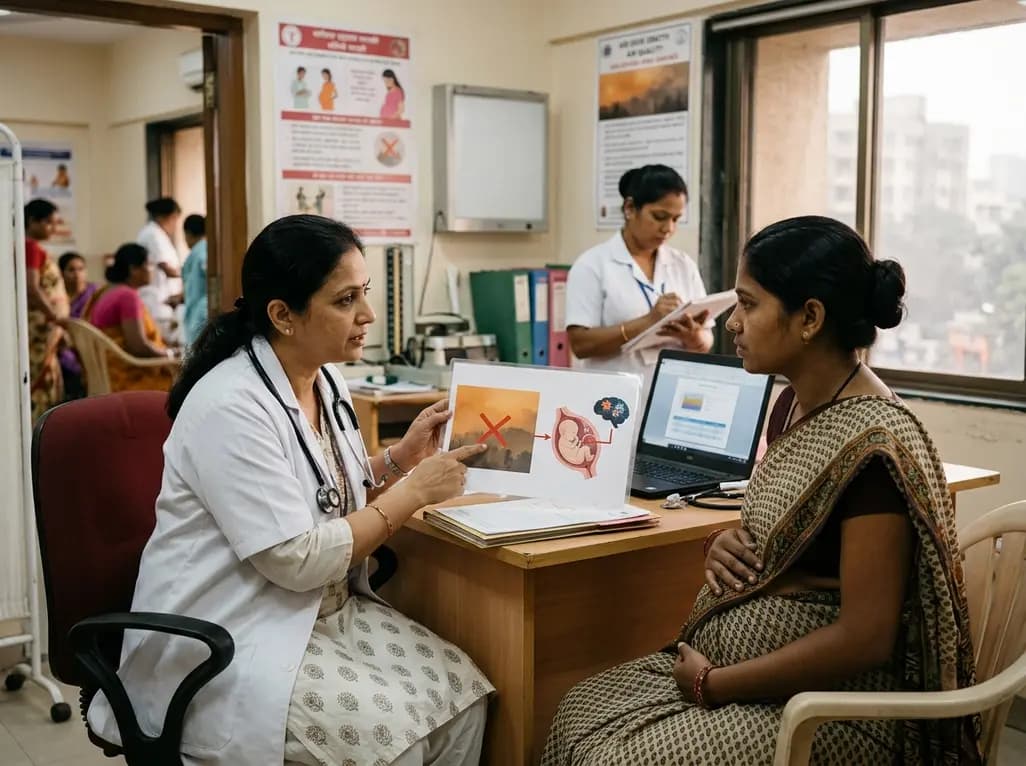
A nationwide cohort study published in JAMA Pediatrics reveals that maternal exposure to wildfire fine particulate matter, especially in late pregnancy, is linked to an elevated risk of childhood autism. Clinicians should evaluate ambient air quality risks and provide proactive protective counseling to mothers.
Yesterday
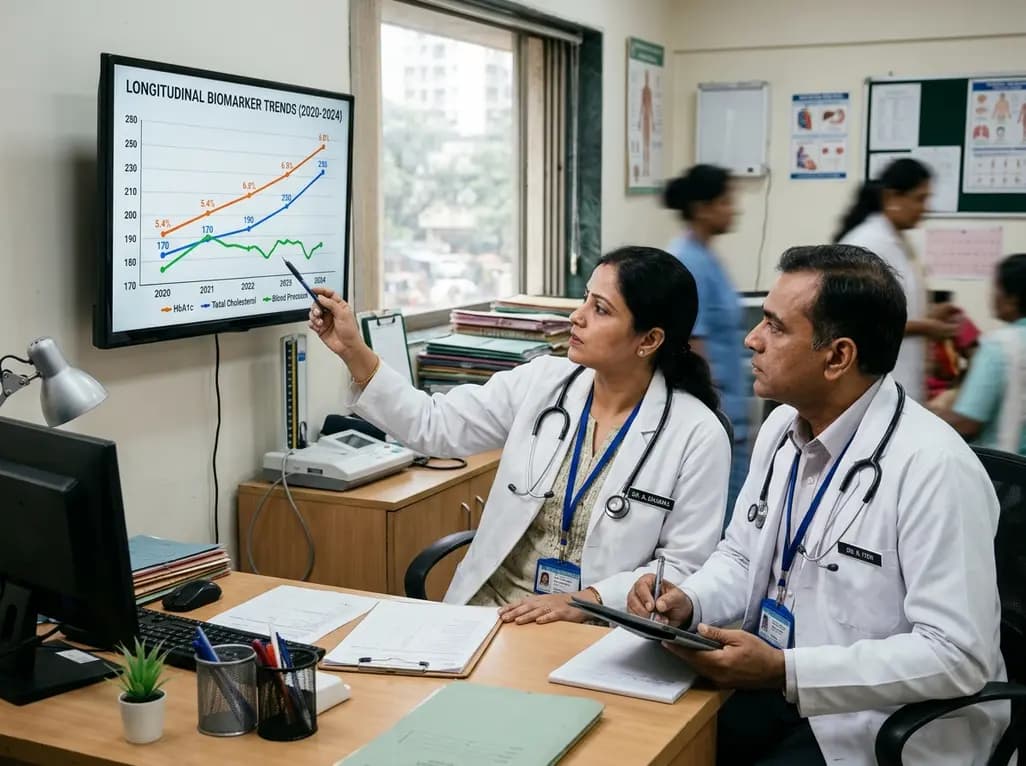
Annual health checks only offer static snapshots. Real-world evidence from 2.1 million insured Indians reveals that tracking dynamic biomarker trends over time enables clinicians to spot evolving cardiometabolic risks early, reverse borderline pathology, and deliver tailored preventive interventions.
Today
Modern 3D anthropometry reveals that pediatric leg growth ceases years before spinal elongation, exposing the clinical illusion of the classical Anderson-Green model. Learn how segmental growth dissociation improves surgical timing for epiphysiodesis in adolescent leg length discrepancy.
3 days back

With packaged goods giant HUL backing FSSAI's proposed front-of-pack red warning labels for foods high in fat, sugar, and salt, India takes a major step toward curbing non-communicable diseases. Learn how clearer nutrition disclosures empower clinicians, inform consumer choices, and drive dietary reform.
Yesterday
