

Loading, please wait...
Loading, please wait...
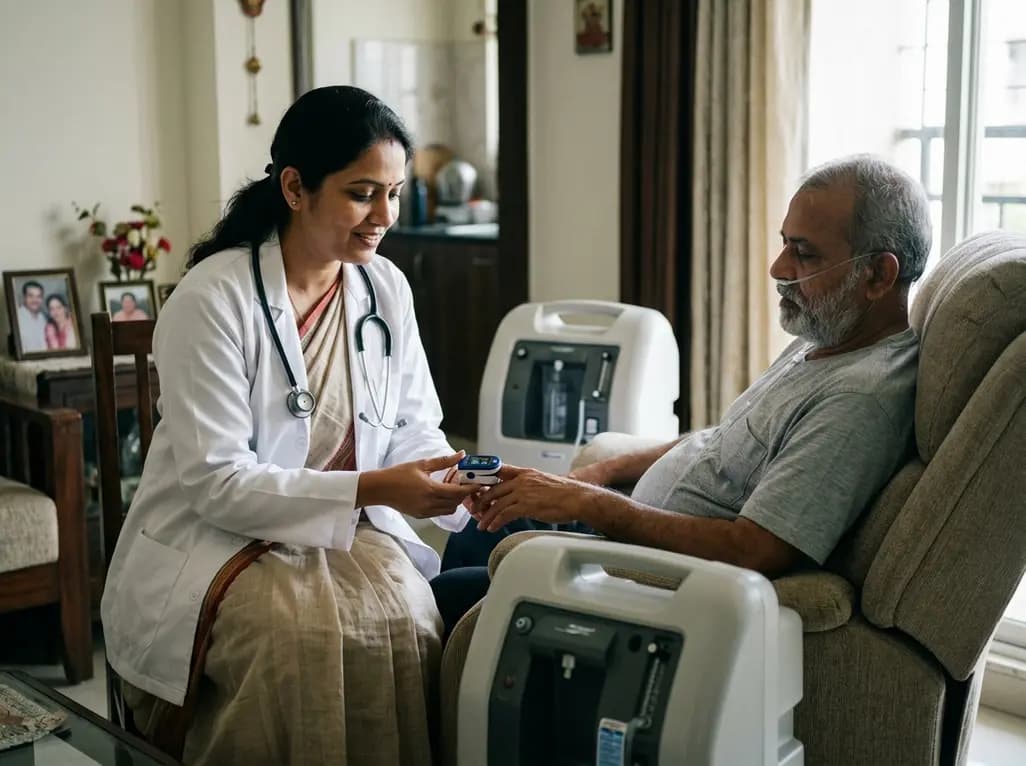
Chronic respiratory disorders represent an immense epidemiological challenge across India. Consequently, thousands of hypoxaemic individuals require comprehensive home care strategies. For patients with progressive lung pathology, long-term oxygen therapy remains a foundational intervention that directly enhances survival and preserves hemodynamic stability. Recent medical technology introductions, such as the Philips Oxygenate 5 stationary oxygen concentrator, reflect an expanding clinical focus on domestic medical devices. These systems bridge the gap between tertiary institutional care and long-term home management.
Chronic obstructive pulmonary disease now affects approximately 13% of adults across India. Furthermore, disease prevalence increases to nearly 27% among citizens aged 60 years and older. Widespread exposure to environmental biomass fuel, urban air pollution, and tobacco smoke drives this persistent pulmonary morbidity. As a result, primary care physicians and pulmonologists encounter rising numbers of patients presenting with irreversible airflow limitation. In advanced stages, sustained ventilation-perfusion mismatch leads inevitably to chronic respiratory failure. Therefore, outpatient management models must evolve to address these complex pulmonary demands. When hypoxaemia persists despite optimal medical bronchodilation and anti-inflammatory pharmacotherapy, domestic respiratory support becomes paramount. In addition, rural and semi-urban populations experience significant diagnostic delays. Consequently, patients frequently present with secondary pulmonary hypertension or established cor pulmonale. Clinicians must recognize these demographic realities early. Ultimately, proactive screening and timely device prescriptions can mitigate catastrophic acute hospital admissions.
Pulmonologists prescribe long-term oxygen therapy strictly according to validated physiological criteria rather than transient symptom reports. Specifically, clinical guidelines recommend therapy when stable arterial resting blood gas analysis shows a PaO2 at or below 55 mmHg. Alternatively, clinicians confirm eligibility when oxygen saturation registers at or below 88% on room air. Moreover, patients exhibiting a PaO2 between 55 and 59 mmHg also qualify if they display evidence of cor pulmonale, polycythaemia, or right ventricular failure. However, practitioners must ensure that the patient remains clinically stable for at least four weeks before initiating an irreversible prescription. Acute exacerbations often depress oxygenation transiently. Therefore, premature prescription during hospital discharge without subsequent reassessment risks inappropriate device dependency. Clinicians should titrate the prescribed flow rate to maintain resting saturation between 88% and 92%. In hypercapnic individuals, controlled flow prevents dangerous suppression of the hypoxic ventilatory drive. Consequently, serial arterial blood gas sampling remains the clinical gold standard for precise titration.
Traditional domestic oxygen delivery relied heavily on high-pressure metal cylinders. However, heavy compressed cylinders present logistical challenges, require frequent refilling, and create persistent anxiety regarding gas depletion. Conversely, stationary oxygen concentrators continuously extract atmospheric nitrogen through synthetic zeolite molecular sieve beds. Consequently, these powered units supply an uninterrupted stream of medical-grade oxygen exceeding 90% purity. Modern continuous-flow stationary machines, such as the newly launched Oxygenate 5, eliminate the logistical barriers of cylinder replacement. Furthermore, concentrators offer superior cost efficiency over extended treatment durations. In home settings, reliable electrical delivery ensures stable nocturnal oxygenation. In contrast, running out of cylinder reserves overnight can precipitate life-threatening acute hypoxia. Additionally, concentrators reduce mechanical handling injuries among elderly caregivers. Safety valves and integrated purity monitors alert users to mechanical faults immediately. Thus, electric stationary units represent the safest, most sustainable modality for continuous home administration.
Adherence to domestic respiratory therapy depends heavily on device usability and physical ergonomics. Historically, cumbersome industrial designs intimidated elderly patients and discouraged consistent daily use. In contrast, modern stationary systems prioritize quiet acoustic signatures and intuitive operational interfaces. Furthermore, compact engineering allows smooth domestic transport between bedrooms and common living areas. Dedicated flow meters allow precise adjustments matching specific physician prescriptions. Moreover, humidification chambers prevent mucosal desiccation and epistaxis during continuous high-flow administration. Manufacturers also incorporate robust particulate filtration to safeguard delicate internal machinery against ambient dust. Consequently, modern devices maintain therapeutic output stability even in demanding environmental conditions. Simple maintenance routines empower family members to clean filters without requiring specialized technical personnel. When medical devices fit seamlessly into residential routines, patients experience significantly less treatment anxiety. Therefore, purposeful ergonomic design directly enhances therapeutic engagement.
Clinical efficacy in home oxygen therapy requires rigorous patient adherence. Specifically, landmark clinical trials demonstrate that individuals must receive supplemental flow for at least 15 hours daily to achieve survival benefits. Nevertheless, observational studies in India reveal that fewer than half of prescribed patients meet this threshold. Lack of structured caregiver education remains the primary reason for poor compliance. Furthermore, families often harbor unfounded fears regarding oxygen toxicity or physical addiction. Power supply volatility and electricity costs also prompt families to turn devices off prematurely. To combat these barriers, clinicians must provide comprehensive discharge counseling. Additionally, nurses should demonstrate nasal cannula placement and skin care protocols to prevent pressure necrosis. Regular teleconsultations or home visits help clinicians review machine run-time meters and verify physiological response. Ultimately, structured patient education transforms domestic oxygen delivery from a daunting obligation into a comfortable daily routine.
Q1: What is the minimum duration required each day for long-term oxygen therapy to be effective?
To achieve meaningful clinical benefits, patients must use supplemental oxygen for at least 15 hours per day. Furthermore, using the device continuously for 18 to 24 hours provides even greater physiological advantages. Prolonged daily usage reduces pulmonary arterial resistance, preserves vital organ function, improves exercise tolerance, and significantly extends life expectancy in individuals with severe chronic resting hypoxaemia.
Q2: Can patients with chronic obstructive pulmonary disease safely use an oxygen concentrator during sleep?
Yes, nocturnal administration is essential because physiological hypoventilation during sleep significantly worsens baseline hypoxaemia. However, clinicians must titrate flow rates precisely using arterial blood gas parameters. Because uncontrolled high-flow oxygen can suppress the hypoxic respiratory drive and induce acute carbon dioxide retention, patients should strictly adhere to prescribed settings and use pulse oximeters to monitor nocturnal oxygen saturation levels.
Q3: How do stationary oxygen concentrators produce medical oxygen from room air?
Stationary oxygen concentrators utilize pressure swing adsorption technology with synthetic zeolite molecular sieve beds. The system draws in ambient atmospheric air, filters out particulate matter, and compresses the air across the chemical sieves. The zeolite minerals selectively bind ambient nitrogen, allowing continuous concentration of oxygen up to 90% to 96% purity, which the device then delivers continuously through a nasal cannula.
Disclaimer: This content is for informational and educational purposes only. It does not constitute medical advice or replace professional judgment. Refer to the latest local and national guidelines for clinical practice.
References

Read summarized clinical updates, watch expert medical content, and earn CME certifications right from your smartphone.
Open your smartphone camera to scan and install.





Chronic respiratory conditions like COPD pose an escalating health burden in India. As advanced stationary concentrators enter domestic healthcare, clinicians must evaluate hypoxaemic thresholds, reinforce daily adherence protocols, and balance device ergonomics to improve long-term outcomes and patient survival.
Today
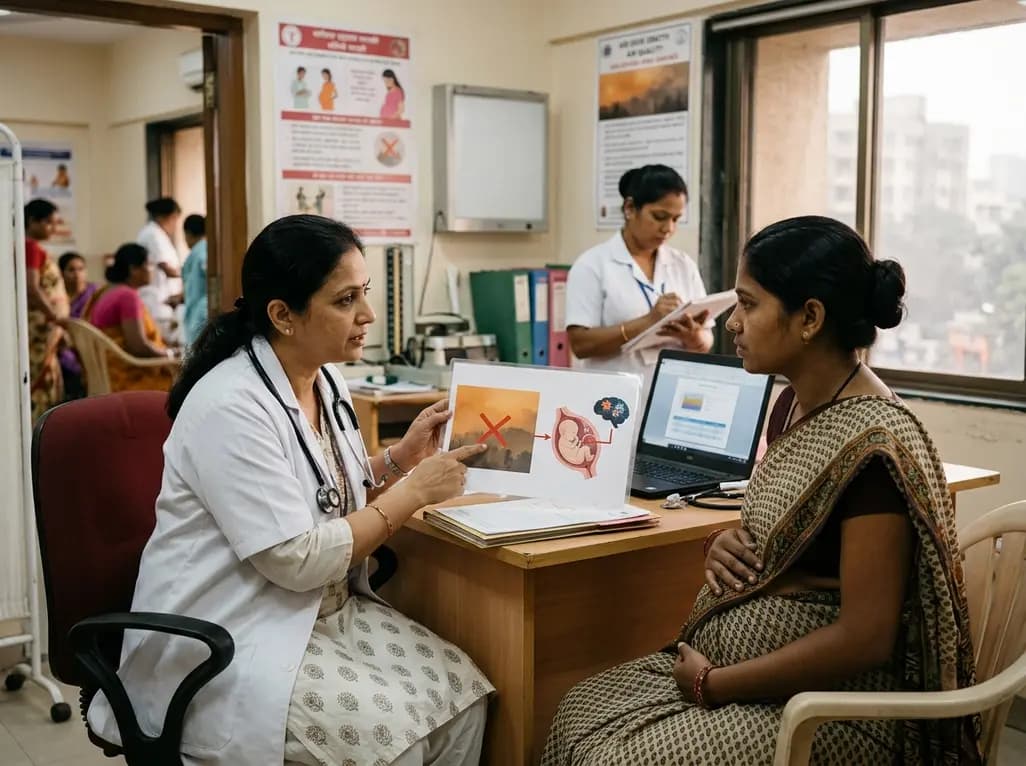
A nationwide cohort study published in JAMA Pediatrics reveals that maternal exposure to wildfire fine particulate matter, especially in late pregnancy, is linked to an elevated risk of childhood autism. Clinicians should evaluate ambient air quality risks and provide proactive protective counseling to mothers.
Yesterday
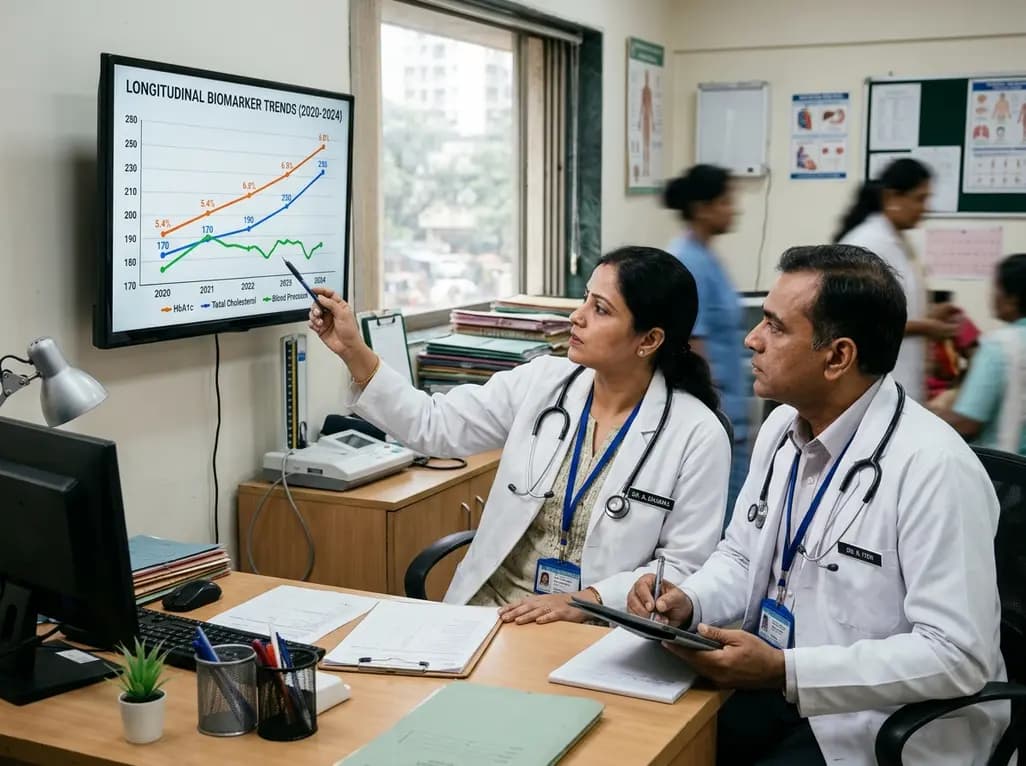
Annual health checks only offer static snapshots. Real-world evidence from 2.1 million insured Indians reveals that tracking dynamic biomarker trends over time enables clinicians to spot evolving cardiometabolic risks early, reverse borderline pathology, and deliver tailored preventive interventions.
Today
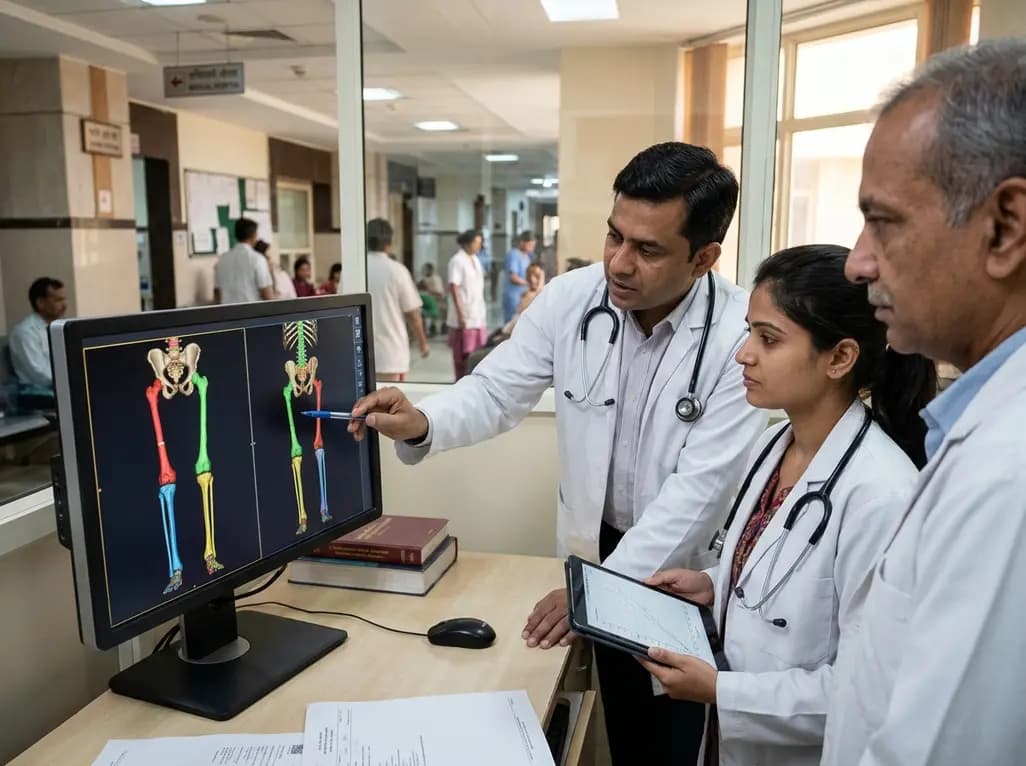
Modern 3D anthropometry reveals that pediatric leg growth ceases years before spinal elongation, exposing the clinical illusion of the classical Anderson-Green model. Learn how segmental growth dissociation improves surgical timing for epiphysiodesis in adolescent leg length discrepancy.
3 days back

With packaged goods giant HUL backing FSSAI's proposed front-of-pack red warning labels for foods high in fat, sugar, and salt, India takes a major step toward curbing non-communicable diseases. Learn how clearer nutrition disclosures empower clinicians, inform consumer choices, and drive dietary reform.
Yesterday
