

Loading, please wait...
Loading, please wait...
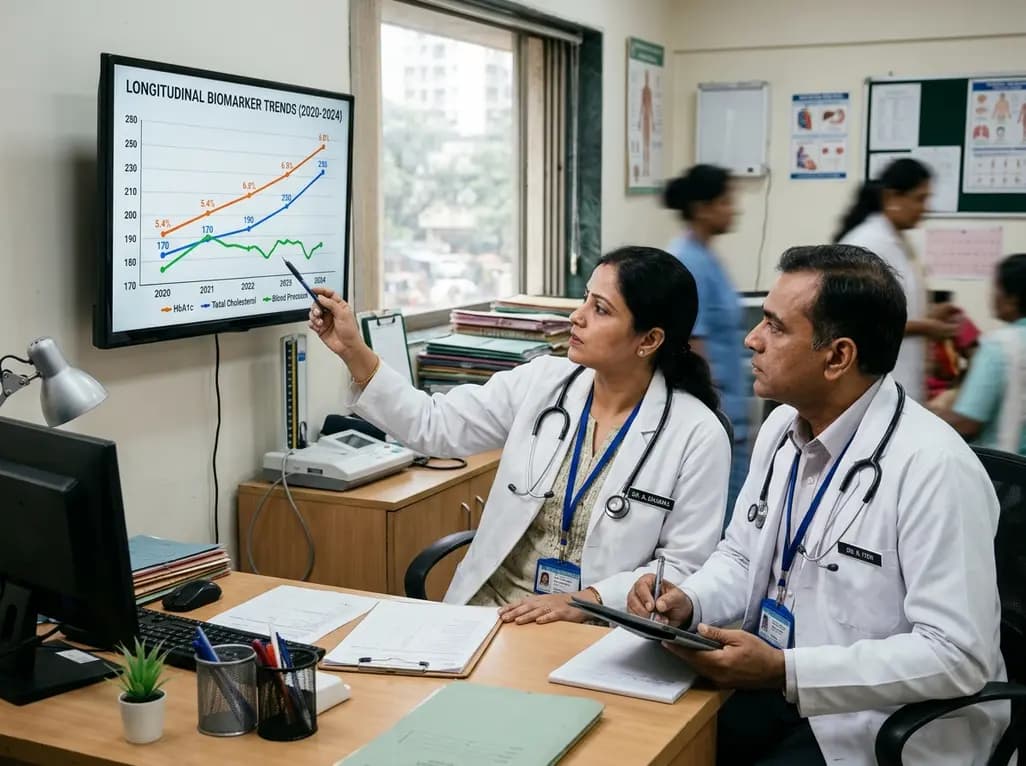
Cardiometabolic diseases represent a monumental public health challenge across India. Many asymptomatic individuals live with borderline hyperglycemia or silent hypertension for years without clinical detection. Consequently, evaluating longitudinal biomarker trends provides clinicians with a much deeper perspective than isolated diagnostic tests. A single annual check-up merely offers a frozen snapshot in time. Therefore, medical professionals must interpret dynamic trajectories across time to differentiate temporary biological fluctuations from progressive organ dysfunction. When primary care physicians examine continuous biometric trajectories, they can identify subtle physiologic shifts before irreversible end-organ damage manifests. Proactive assessment transforms preventive care into a life-saving clinical strategy.
Routine annual health checks serve an important preliminary role in general practice. However, relying solely on an isolated test profile creates notable diagnostic blind spots for practicing physicians. For instance, an individual with normal glycated hemoglobin or resting blood pressure today might follow an accelerating upward trajectory. Conversely, another patient may show elevated readings that reflect transient physical stress rather than chronic vascular pathology. Therefore, static evaluations fail to capture the underlying direction of physiological velocity.
Furthermore, chronic lifestyle-related disorders develop gradually over several months or decades. An isolated clinic reading cannot determine whether metabolic parameters are improving, stabilizing, or deteriorating. Clinicians must observe continuous velocity curves to understand actual cardiometabolic risk. By observing repeated measures over serial evaluations, healthcare teams gain actionable context regarding vascular health, glucose homeostasis, and systemic inflammation.
Additionally, modern digital platforms allow longitudinal recording of routine vital signs between routine appointments. Consequently, physicians no longer need to depend exclusively on annual clinical encounters to evaluate preventive success. Thus, shifting focus from static points to serial biometric patterns empowers clinicians to tailor therapeutic adjustments earlier. This systematic paradigm reduces both clinical inertia and catastrophic cardiovascular complications across diverse adult demographics.
A landmark real-world analysis by Aditya Birla Health Insurance examined 2.1 million adult records from December 2023 to December 2025. Specifically, the study analyzed repeated biometric data from 5.2 lakh individuals to trace health trajectories over twelve months. The compiled evidence strongly confirms that biological risk remains highly fluid rather than immutable.
Remarkably, among individuals with repeat evaluations, 87% maintained or actively improved their health status. Moreover, nearly 62% recorded measurable biometric improvements within a single year. Most strikingly, 37% of individuals initially classified as high cardiometabolic risk successfully migrated into medium-risk or low-risk categories. These findings demonstrate that targeted lifestyle adjustments and guided support can rapidly alter adverse metabolic trajectories.
Nevertheless, clinicians must interpret risk de-escalation with measured clinical prudence. Moving into a lower-risk tier does not necessarily signify that underlying metabolic dysfunction has completely resolved. Instead, sustained vigilance remains essential because vascular vulnerability can return if self-management wanes. Clinicians should view these positive category shifts as a proof of concept. When Indian adults receive structured guidance, significant physiological reversal becomes achievable within manageable therapeutic timeframes. Consequently, continuous monitoring offers a dependable framework for tracking therapeutic adherence over extended periods. Therefore, ongoing evaluation ensures that initial gains translate into enduring cardiovascular protection.
The comprehensive cohort study evaluated meaningful progression across four fundamental diagnostic pillars: anthropometric indicators, glycated hemoglobin, blood pressure, and lipid profiles. For example, 34% of tracked individuals achieved documented improvements in body mass index and obesity markers. Similarly, 33% showed measurable reductions in HbA1c levels, which reflects improved long-term glycemic control.
Furthermore, 32% of participants demonstrated favorable changes in blood pressure parameters over the observation interval. Meanwhile, 17% recorded beneficial shifts in low-density lipoprotein or total cholesterol values. Together, these four parameters capture the foundational drivers of cardiometabolic and vascular morbidity. However, doctors must avoid evaluating each metric in isolation. Because insulin resistance, dyslipidemia, and arterial stiffness interact synergistically, clinicians should contextualize each marker within an integrated global profile.
Additionally, even modest shifts in these objective indices deliver compounding clinical advantages. For instance, minor reductions in waist circumference and blood pressure yield significant reductions in microvascular and macrovascular complications. Therefore, primary care practitioners should celebrate incremental biometric victories with patients. Recognizing progressive improvements reinforces sustained behavioral change, transforming patient compliance from a temporary chore into an ongoing lifestyle habit. Consequently, objective data serves as a powerful motivational catalyst during regular clinical consultations.
Population-wide data clearly illustrates that cardiometabolic risk does not accumulate uniformly across age or gender cohorts. For example, individuals younger than 35 demonstrated the highest volatility between distinct risk categories. In this youthful group, shifts were overwhelmingly driven by fluctuations in body mass index and excess adiposity. Consequently, early weight-management interventions offer immense potential to prevent progression into overt metabolic syndrome.
In contrast, women aged above 35 demonstrated stronger and more consistent improvement in biometric control over time. This trend suggests high receptivity to wellness coaching, dietary modification, and proactive preventative counseling. Conversely, men over 45 exhibited the heaviest burden of uncontrolled hypertension across the surveyed cohorts. Because uncontrolled hypertension represents a primary contributor to stroke and myocardial infarction, this subpopulation requires aggressive clinical oversight.
Therefore, a rigid, one-size-fits-all preventative protocol remains fundamentally flawed in Indian clinical practice. While a young professional benefits most from nutritional guidance and exercise regimens, an older male often requires prompt pharmacological titration. Clinicians must stratify interventions based on specific age-related and sex-specific physiological risk profiles. Ultimately, personalized clinical blueprints optimize healthcare resources and generate superior long-term patient outcomes.
Collecting longitudinal health information carries clinical utility only when healthcare systems translate data into prompt intervention. In the ABHI model, digital platforms track health metrics, while teleconsultations provide rapid access to clinical guidance. Furthermore, tailored health coaching empowers patients to stay aligned with therapeutic objectives between clinic visits.
Similarly, incentive structures encourage consistent physical activity through documented daily exercise and step counts. From a pathophysiological standpoint, 10,000 steps daily or 300 active exercise calories stimulate metabolic turnover, elevate insulin sensitivity, and mitigate arterial stiffness. When payers and healthcare providers reward daily activity, patients sustain healthy habits more reliably.
However, physicians remain the ultimate navigators of this preventive journey. Digital apps and wearable trackers cannot replace rigorous clinical judgment or nuanced medical evaluations. Instead, physicians should integrate patient-generated biometric records into routine consultations to detect developing health trends. When doctors review home blood pressure logs or digital glucose trends, they can make informed therapeutic adjustments. Consequently, bridging digital self-monitoring with regular medical oversight establishes an effective defense against non-communicable diseases across India.
Q1: Why is longitudinal biomarker tracking superior to an annual health screen?
An annual health check provides only an isolated static snapshot of physiological health at one specific moment. In contrast, longitudinal biomarker tracking reveals continuous physiological trajectories over several months. This dynamic tracking enables physicians to observe whether cardiometabolic indicators are improving, holding steady, or deteriorating. Consequently, clinicians can detect latent lifestyle disorders early and implement proactive interventions long before irreversible end-organ damage manifests.
Q2: Can a patient discontinue medical therapy once risk scores improve?
No, a favorable transition into a lower risk category does not mean that the underlying metabolic condition has fully resolved. Cardiometabolic disorders like hypertension and dyslipidemia involve persistent genetic and pathophysiological mechanisms. Therefore, de-escalating risk simply proves that current interventions are working effectively. Clinicians must advise patients to maintain their healthy lifestyle habits and continue prescribed pharmacological therapies to ensure sustained cardiovascular protection.
Q3: Which demographic groups in India require the most urgent targeted screening?
Recent epidemiological and insurance datasets indicate that men over 45 carry the highest burden of uncontrolled hypertension, making them prime candidates for rigorous blood pressure surveillance. Conversely, adults under 35 exhibit substantial risk volatility primarily driven by weight fluctuations and elevated body mass index. Therefore, younger cohorts require early nutritional and metabolic guidance, while older demographics demand intensive cardiovascular screening and medication titration.
Disclaimer: This content is for informational and educational purposes only. It does not constitute medical advice or replace professional judgment. Refer to the latest local and national guidelines for clinical practice.
References

Read summarized clinical updates, watch expert medical content, and earn CME certifications right from your smartphone.
Open your smartphone camera to scan and install.





Annual health checks only offer static snapshots. Real-world evidence from 2.1 million insured Indians reveals that tracking dynamic biomarker trends over time enables clinicians to spot evolving cardiometabolic risks early, reverse borderline pathology, and deliver tailored preventive interventions.
Today
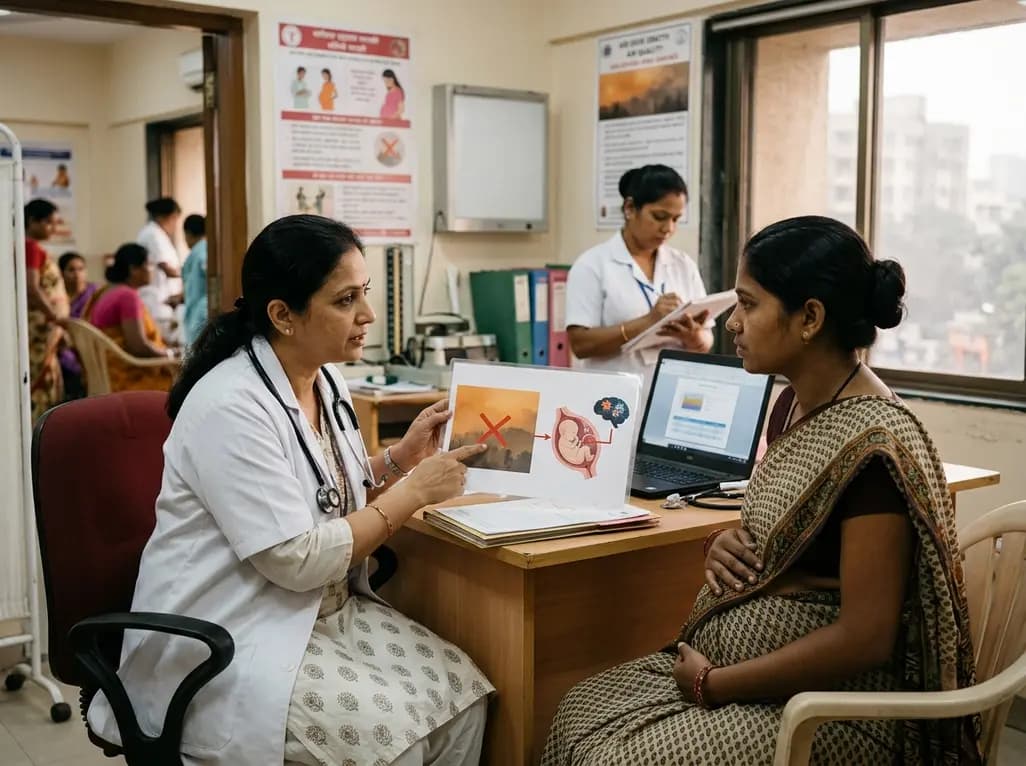
A nationwide cohort study published in JAMA Pediatrics reveals that maternal exposure to wildfire fine particulate matter, especially in late pregnancy, is linked to an elevated risk of childhood autism. Clinicians should evaluate ambient air quality risks and provide proactive protective counseling to mothers.
Today
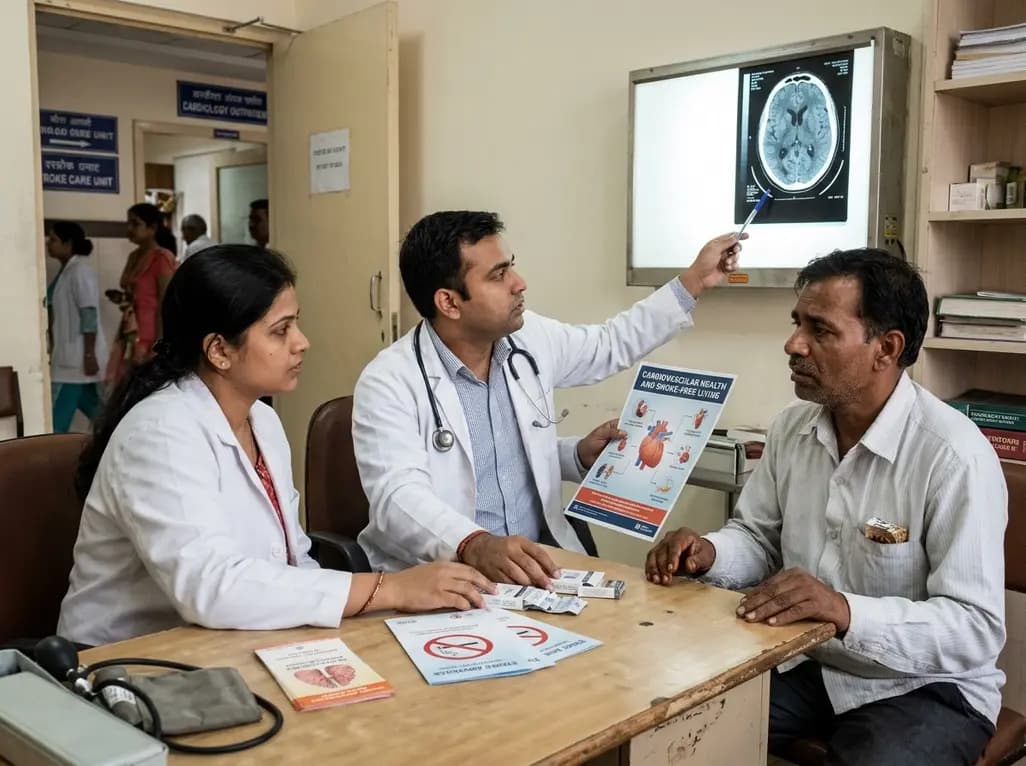
India faces an escalating challenge with vascular diseases, where tobacco use and hypertension together drive substantial cerebrovascular mortality. Addressing nicotine addiction as a clinical neurochemical disorder rather than a lack of willpower is vital for nationwide prevention and sustainable cessation support.
Today
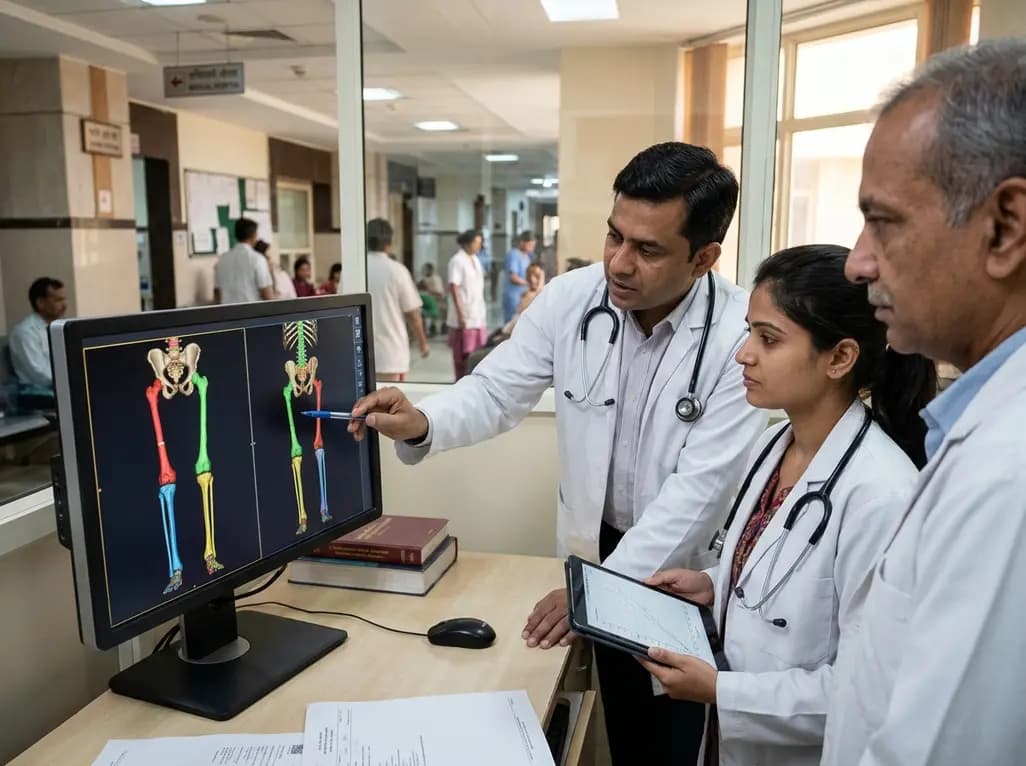
Modern 3D anthropometry reveals that pediatric leg growth ceases years before spinal elongation, exposing the clinical illusion of the classical Anderson-Green model. Learn how segmental growth dissociation improves surgical timing for epiphysiodesis in adolescent leg length discrepancy.
2 days back

With packaged goods giant HUL backing FSSAI's proposed front-of-pack red warning labels for foods high in fat, sugar, and salt, India takes a major step toward curbing non-communicable diseases. Learn how clearer nutrition disclosures empower clinicians, inform consumer choices, and drive dietary reform.
Today
