

Loading, please wait...
Loading, please wait...

Recently, health officials in Kerala's Ernakulam district issued an urgent health alert. Specifically, a 70-year-old man from Kadangalloor died from suspected West Nile fever on Monday. Consequently, this marks the second death in the district within a single week. Therefore, medical professionals must remain highly vigilant. The flavivirus, which resides in migratory birds, spreads to humans via Culex mosquito bites. However, this virus does not spread directly from person to person.
Most infected individuals remain entirely asymptomatic. However, some patients develop mild symptoms like acute fever and high body temperature. Additionally, they may experience neck stiffness, headaches, and behavioral changes. Subsequently, severe cases can affect the central nervous system. This disruption can cause serious complications such as encephalitis and meningitis. Specifically, encephalitis causes acute brain inflammation. In contrast, meningitis involves inflammation of the membranes around the brain and spinal cord. Therefore, clinicians must quickly evaluate any patient presenting with unexplained neurological signs. Additionally, the risk is higher for specific demographics. Specifically, elderly patients, pregnant women, young children, and immunocompromised individuals face severe outcomes. Consequently, early diagnosis in these patients remains absolutely critical.
Preventing mosquito bites is the primary way to control this infection. Consequently, health departments recommend strict vector-control measures. Culex mosquitoes breed primarily in stagnant and polluted water. Additionally, they thrive in septic tanks, open drains, marshy areas, and dense vegetation. Therefore, communities must regularly clean their surroundings. Residents should empty discarded containers and tyres to prevent water accumulation. Furthermore, individuals must wear light-colored clothing during early morning and evening hours. This clothing should cover the arms and legs completely. Moreover, people should use effective mosquito nets and insect repellents. Installing protective screens on doors and windows can also reduce indoor exposure.
Q1: What are the primary symptoms of West Nile fever?
Most infected people do not show symptoms. However, symptomatic cases present with high fever, neck stiffness, headache, confusion, and behavioral changes. Severe cases can lead to dangerous conditions like encephalitis or meningitis.
Q2: How does the West Nile virus transmit to humans?
The virus primarily spreads to humans through the bite of infected Culex mosquitoes. These mosquitoes acquire the virus after biting infected migratory birds. Notably, the virus does not spread from person to person.
Q3: Who is at the highest risk for severe complications?
Elderly individuals, young children, pregnant women, and people with compromised immune systems face the highest risk. Therefore, these vulnerable groups require immediate medical attention if symptoms occur.
Disclaimer: This content is for informational and educational purposes only. It does not constitute medical advice or replace professional judgment. Refer to the latest local and national guidelines for clinical practice.
References

Read summarized clinical updates, watch expert medical content, and earn CME certifications right from your smartphone.
Open your smartphone camera to scan and install.





Kerala's health department issues an alert following a second West Nile virus death in Ernakulam. Learn clinical symptoms and prevention strategies....
4 months ago
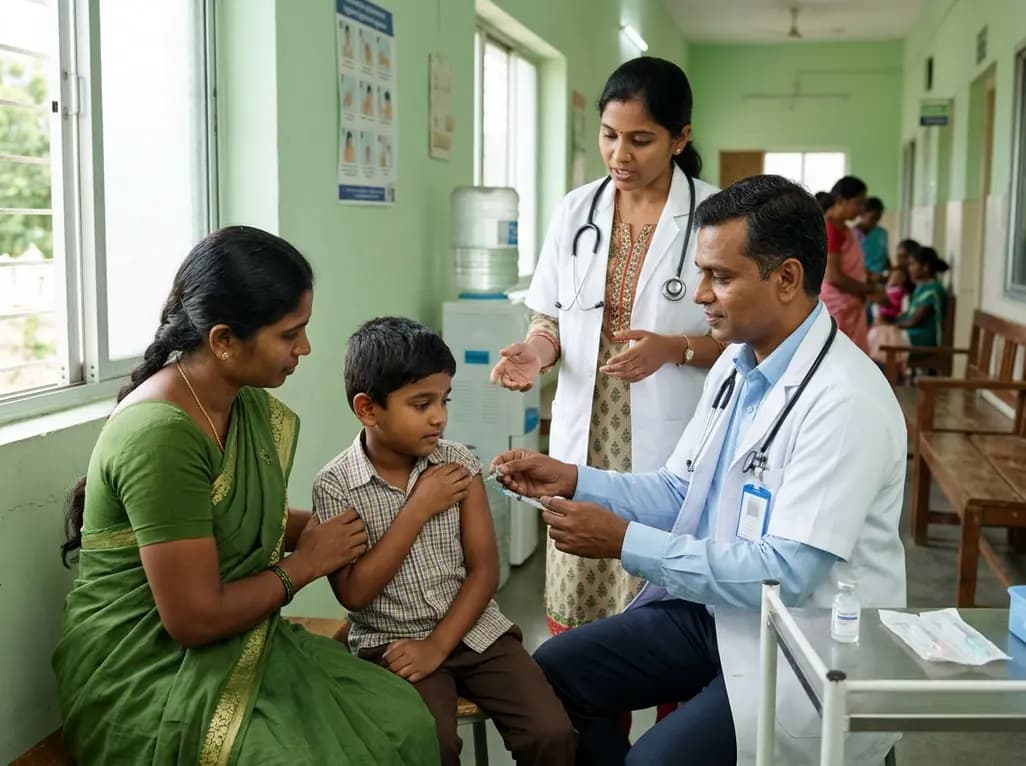
As monsoon seasons elevate arboviral disease threats, Tamil Nadu has initiated an ICMR-monitored evaluation of the tetravalent dengue vaccine in Tenkasi district. Clinicians emphasize clinical monitoring, public prevention, and high-quality early pediatric care to reduce disease morbidity across endemic regions.
Today

A comparative cohort study evaluates vNOTES vs TLH hysterectomy for benign conditions, demonstrating shorter operative duration, faster return to daily activities, and equivalent female sexual function scores without increased dyspareunia.
Today

Review how tailored exercise programs benefit frail older patients with heart failure. Explore pathophysiological mechanisms, individualized training prescriptions, and strategies to overcome adherence barriers in clinical practice.
Today

This comparative study evaluates posterior labral tears with and without glenohumeral instability, highlighting distinct demographic patterns, MRI underestimation in stable shoulders, and successful arthroscopic repair outcomes.
Today

A clinical study demonstrates that early intervention with tocilizumab, either as monotherapy or bridged with corticosteroids, achieves significant proptosis reduction and resolves active inflammation in treatment-naive thyroid eye disease.
Today
