

Loading, please wait...
Loading, please wait...

Heart failure in older adults often coexists with physical frailty, creating a severe cycle of functional decline and worsening cardiovascular outcomes. Clinicians frequently hesitate to prescribe structured physical activity to these vulnerable individuals due to fears of decompensation or musculoskeletal injury. However, recent scientific consensus demonstrates that tailored exercise in heart failure can break this debilitating trajectory. Integrating early physical activity helps restore cardiopulmonary reserves and preserves independence. Therefore, geriatric cardiologists must re-evaluate traditional reservations and actively incorporate physical rehabilitation into standard outpatient treatment regimens.
Exercise intolerance in elderly heart failure patients stems from combined central hemodynamic deficits and peripheral abnormalities. Central cardiac dysfunction impairs cardiac output and elevates filling pressures during physical exertion. However, peripheral alterations contribute just as heavily to physical exhaustion. Chronic systemic inflammation, endothelial dysfunction, and neurohormonal activation trigger progressive skeletal muscle wasting, known as sarcopenia. In addition, muscular capillary density decreases, and mitochondrial oxidative phosphorylation capacity diminishes significantly. Consequently, frail patients suffer from impaired oxygen extraction and rapid lactic acidosis during modest daily tasks.
Furthermore, aging amplifies these destructive processes through loss of motor units and increased intramuscular adiposity. Frailty intensifies this neuromuscular decay, lowering the ventilatory threshold and worsening subjective dyspnea. Because skeletal muscle catabolism outpaces anabolism, patients develop severe generalized fatigue and balance deficits. Ultimately, this bidirectional relationship between myocardial insufficiency and skeletal muscle atrophy accelerates physical dependence. When clinicians recognize these peripheral pathophysiologic contributors, they understand why isolated pharmacological therapy cannot fully restore functional independence. Structured movement directly targets these peripheral adaptations, counteracting skeletal muscle decay far more effectively than neurohormonal blockade alone.
Prescribing structured exercise in heart failure delivers substantial therapeutic gains that extend beyond conventional pharmacotherapy. First, aerobic training enhances peak oxygen uptake and improves ventilatory efficiency, which directly diminishes exertional breathlessness. Patients consistently achieve longer walking distances on six-minute walk assessments after completing tailored conditioning programs. In addition, multicomponent physical training strengthens postural stability and leg power, thereby reducing catastrophic fall risks among vulnerable seniors.
Moreover, regular physical exertion attenuates persistent systemic inflammation and improves peripheral vascular compliance. Clinical trials, including the landmark REHAB-HF investigation, confirm that frail geriatric patients gain remarkable functional capacity from early progressive intervention. These physiological adaptations translate into clinically meaningful gains, such as improved self-care capacity and restored mobility. Consequently, patients report higher disease-specific quality of life scores and reduced depressive symptoms. Furthermore, improved functional status mitigates frequent emergency department presentations and hospital readmissions. Cardiovascular mortality and heart failure decompensations do not increase when programs follow proper safety parameters. Thus, physical conditioning provides an indispensable foundation for holistic heart failure management across all care settings.
A generic exercise prescription often fails when clinicians treat frail older adults with cardiac disease. Therefore, successful rehabilitation requires an individualised, multicomponent regimen tailored to baseline functional limitations. Clinicians should initiate therapy with gentle mobility drills, dynamic balance exercises, and light bodyweight resistance tasks. For instance, seated leg extensions, heel-to-toe balance training, and assisted sit-to-stand transitions build foundational strength without placing excessive strain on compromised myocardium.
Additionally, as neuromuscular tolerance improves, therapists can introduce low-intensity endurance activities such as supervised walking or recumbent cycling. Clinicians must apply the progressive overload principle very cautiously, increasing training duration before escalating intensity. Low-velocity resistance training using elastic resistance bands stimulates myofibrillar synthesis and counteracts sarcopenic muscle loss safely. Furthermore, providers should conduct sessions two to three times per week, maintaining moderate perceived exertion levels between eleven and thirteen on the Borg scale. Incorporating balance challenges into every routine directly protects against injurious falls. Consequently, an individualised approach ensures that physical demands never exceed underlying physiological reserves while still promoting continuous, restorative functional adaptation.
Patient safety remains paramount whenever implementing physical training programs in medically complex seniors. Before initiating any regimen, physicians must verify that the patient is clinically euvolemic and hemodynamically stable. Specifically, unstable angina, decompensated pulmonary congestion, severe aortic stenosis, and unmanaged ventricular arrhythmias represent absolute contraindications to exertion. However, compensated disease with reduced or preserved ejection fraction safely accommodates structured physical rehabilitation under careful guidance.
Furthermore, clinicians should assess baseline physical performance using validated assessment tools, such as the Short Physical Performance Battery. Monitoring blood pressure, heart rate, and oxygen saturation before, during, and after each session detects abnormal cardiovascular responses early. Patients must also understand red-flag symptoms, including sudden dizziness, chest discomfort, or severe exertional dyspnea, which mandate immediate cessation of exercise. In addition, clinicians must adjust target heart rates for patients receiving beta-adrenergic receptor antagonists. Consequently, telemonitoring and wearable devices now provide practical safety surveillance during home-based training sessions. By enforcing rigorous initial risk stratification, clinical teams effectively eliminate unnecessary hazards and reassure apprehensive patients.
Despite unequivocal clinical evidence, exercise training remains vastly underutilized among frail older patients with heart failure. Several systemic and individual hurdles impede widespread participation and long-term adherence. For example, transportation difficulties, socioeconomic constraints, and geographic distance prevent many elderly individuals from attending hospital-based rehabilitation centers. Moreover, debilitating kinesiophobia—the persistent fear that physical exertion will trigger a fatal cardiac event—frequently paralyzes patients and their caregivers.
Therefore, multidisciplinary teams must develop patient-centered solutions that dismantle these formidable obstacles. Hybrid care models that blend initial clinic-based education with structured home-based exercises offer exceptional promise. Healthcare providers should leverage clear behavioral coaching, simplified instructional videos, and regular telephone follow-ups to foster confidence and independence. In addition, treating physicians must explicitly endorse exercise during outpatient visits, as a direct physician recommendation strongly drives patient compliance. Engaging supportive family members further reinforces sustained daily participation and ensures safe execution of movements. Ultimately, expanding accessible community programs and home-based digital rehabilitation will bridge the gap between clinical recommendations and everyday practice.
Clinicians can initiate gentle bedside mobility exercises within twenty-four to forty-eight hours once the patient achieves clinical euvolemia. Early mobilization, including seated limb movements and short assisted ambulation, prevents rapid muscular deconditioning caused by prolonged bed rest. However, outpatient multicomponent training should begin shortly after hospital discharge, typically within two to four weeks. Progressive scheduling ensures optimal recovery while maintaining hemodynamic stability throughout rehabilitation.
Multicomponent exercise regimens that combine aerobic conditioning, progressive resistance training, and balance drills yield the greatest overall functional improvements. Aerobic training improves cardiopulmonary endurance and peripheral oxygen uptake, while resistance exercises counteract sarcopenia by building skeletal muscle mass. In addition, dedicated balance exercises significantly reduce falling risk in frail individuals. Integrating these distinct modalities into every weekly session ensures balanced, comprehensive improvements in physical independence and mobility.
Healthcare providers ensure home exercise safety through thorough predischarge education, simplified illustrated guides, and regular telemonitoring contacts. Clinicians should instruct patients and family caregivers to monitor resting vital signs, recognize decompensation symptoms, and utilize the Borg perceived exertion scale. Furthermore, scheduled check-ins allow physical therapists to adjust exercise intensity gradually. Emphasizing assistive devices during balance training also prevents accidental falls and builds lasting patient confidence at home.
Disclaimer: This content is for informational and educational purposes only... Refer to the latest local and national guidelines for clinical practice.
References

Read summarized clinical updates, watch expert medical content, and earn CME certifications right from your smartphone.
Open your smartphone camera to scan and install.





Review how tailored exercise programs benefit frail older patients with heart failure. Explore pathophysiological mechanisms, individualized training prescriptions, and strategies to overcome adherence barriers in clinical practice.
Today
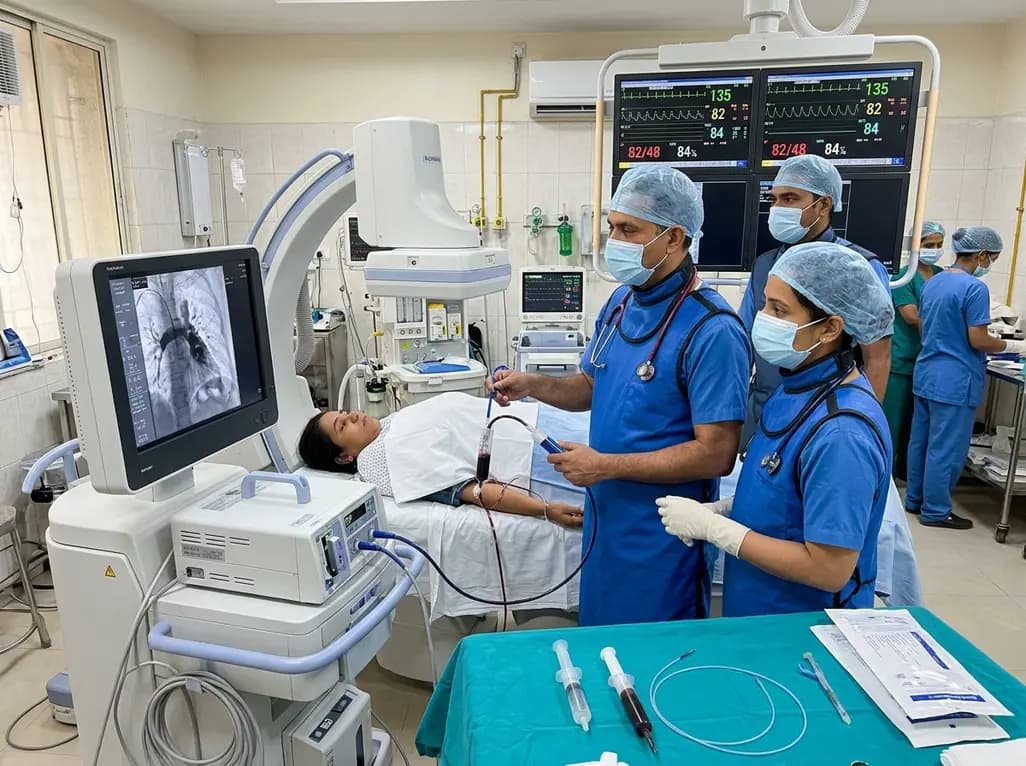
In high-risk pulmonary embolism complicated by severe anemia and active uterine bleeding, systemic thrombolysis is contraindicated. Large-bore aspiration thrombectomy provides rapid hemodynamic rescue without fibrinolysis, supported by inferior vena cava filter placement and multidisciplinary critical care.
Today

A cross-sectional study in Zanzibar reveals that 46.5% of adults with type 2 diabetes experience multidomain autonomic dysfunction on the COMPASS-31 tool, primarily orthostatic intolerance, while 45.9% exhibit cardiovascular autonomic neuropathy, highlighting the urgent need for structured clinical screening.
Today

This comparative study evaluates posterior labral tears with and without glenohumeral instability, highlighting distinct demographic patterns, MRI underestimation in stable shoulders, and successful arthroscopic repair outcomes.
Today

A recent case-control study reveals that urinary clusterin provides superior diagnostic performance for early diabetic kidney disease detection in pediatric type 1 diabetes mellitus, identifying tubular damage before conventional microalbuminuria occurs.
Today
