

Loading, please wait...
Loading, please wait...
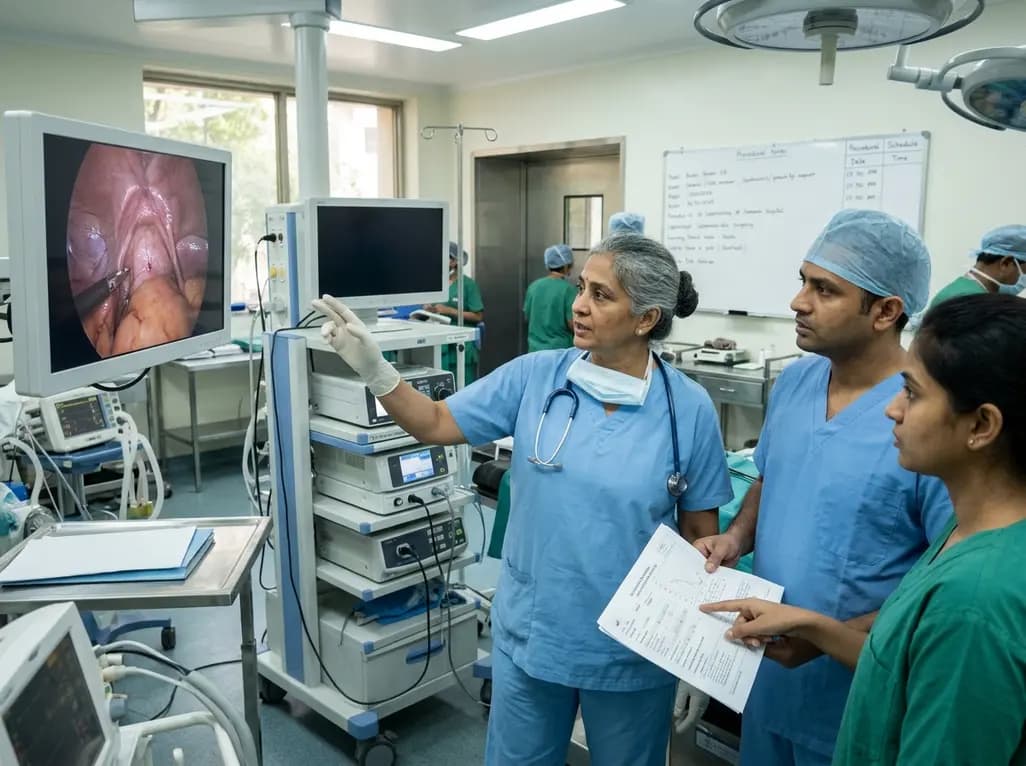
Minimally invasive gynecologic surgery continues to advance as clinicians prioritize procedures that decrease tissue injury and accelerate physical recovery. When gynecologists evaluate vNOTES vs TLH hysterectomy, functional outcomes such as sexual well-being often steer clinical decision-making. Total laparoscopic hysterectomy remains a trusted, established standard for benign uterine conditions worldwide. However, vaginal natural orifice transluminal endoscopic surgery provides an innovative alternative that eliminates transabdominal incisions entirely. Despite clear cosmetic benefits, many practitioners have voiced concern regarding potential transvaginal trauma. Specifically, surgeons worry about vaginal cuff healing, persistent dyspareunia, and disrupted pelvic innervation. A recent ambispective cohort study evaluated sexually active women undergoing benign hysterectomy between 2023 and 2026 to resolve these uncertainties. The investigators assessed postoperative sexual health alongside operative outcomes after at least six months of follow-up. Consequently, the study provides valuable real-world data for surgeons counseling women about minimally invasive approaches. By comparing validated female sexual function scores, this research offers objective reassurance regarding long-term intimate wellness. Ultimately, these findings enable gynecologists to individualize surgical selection with greater confidence.
Operating theater duration significantly influences patient safety, anesthesia exposure, and hospital resource utilization. In this comparative cohort, surgeons completed vNOTES procedures substantially faster than total laparoscopic hysterectomies. Specifically, the median operative time for vNOTES was 160 minutes, whereas TLH required 198 minutes. This notable time savings occurred because transvaginal endoscopic access bypasses abdominal wall entry and subsequent trocar closure. Furthermore, the specialized vaginal port platform delivers direct, inline visualization of the uterine vessels and cardinal ligaments. Consequently, surgical teams can ligate vascular pedicles efficiently and retrieve the uterus without abdominal morcellation. The researchers observed comparable safety profiles across both cohorts, with no significant differences in major visceral complications or estimated blood loss. In addition, patients in the vNOTES group reported lower postoperative somatic pain scores during initial recovery. Avoiding abdominal trocars reduces parietal peritoneal irritation and abdominal muscle trauma significantly. Therefore, patients required less systemic analgesia before discharge. These clinical observations confirm that vNOTES maintains excellent surgical efficiency while matching the established perioperative safety standards of laparoscopy. As a result, operating suites can optimize scheduling without compromising surgical efficacy.
Preserving intimate quality of life remains a fundamental priority for women undergoing elective uterine surgery. In this study, clinicians measured postoperative sexual well-being using the validated Female Sexual Function Index questionnaire. Notably, the total FSFI scores showed no significant difference between women treated with vNOTES and those undergoing TLH. Furthermore, multivariable regression models adjusted for age, parity, body mass index, and menopausal status confirmed these equivalent findings. When evaluating specific individual domains, investigators found similar outcomes for desire, arousal, lubrication, orgasm, and overall satisfaction. Crucially, rates of postoperative dyspareunia did not differ between the two surgical groups. Many gynecologists initially feared that transvaginal rigid instrumentation might induce vaginal scarring or painful foreshortening. However, careful circular colpotomy and anatomical vaginal vault closure appear to preserve natural tissue pliability effectively. In addition, the time required to resume sexual intercourse was comparable between groups, averaging approximately seven weeks. Therefore, clinicians can confidently reassure prospective patients that transvaginal endoscopy protects long-term sexual health. Ultimately, these rigorous findings resolve long-standing anxieties regarding vaginal entry in minimally invasive pelvic surgery.
Rapid physical recovery directly enhances patient morale, functional independence, and economic productivity after major gynecologic surgery. In this ambispective analysis, women who underwent vNOTES resumed routine domestic activities noticeably faster than patients who received TLH. Furthermore, employed participants in the vNOTES cohort achieved a quicker return to professional work. This accelerated convalescence stems directly from the total absence of abdominal puncture wounds. Standard laparoscopic hysterectomy requires three or four abdominal incisions that disrupt cutaneous nerves, rectus fascia, and muscle fibers. In contrast, natural orifice transluminal surgery eliminates somatic abdominal wall trauma completely. Consequently, patients experience substantially less pain during basic movements such as standing, coughing, and ambulating. Nursing teams observed that vNOTES patients mobilized earlier during their inpatient stay, thereby reducing risks of venous thromboembolism. Additionally, lower systemic narcotic requirements allowed earlier return of normal gastrointestinal motility. Therefore, patients suffered fewer episodes of postoperative nausea and abdominal bloating. Overall, these physiological advantages demonstrate that scarless surgery provides tangible physical benefits throughout the immediate postoperative period.
Overall patient satisfaction reflects both physical recovery and personal perception of the surgical outcome. In the published investigation, an overwhelming majority of women in both cohorts reported high satisfaction with their care. Furthermore, almost all participants affirmed that they would readily choose the same surgical approach again. Nevertheless, women undergoing vNOTES expressed distinctive appreciation for cosmetic preservation, as the procedure leaves no visible abdominal marks. In addition, multivariable regression demonstrated that surgical approach did not compromise body image or psychosocial recovery. However, gynecologists must carefully consider clinical indications and anatomical prerequisites before selecting transvaginal endoscopic surgery. Significant pelvic obliteration, severe rectovaginal endometriosis, and extreme uterine enlargement may present technical barriers that favor conventional laparoscopy. Therefore, comprehensive preoperative pelvic examination and dedicated transvaginal sonography remain indispensable for case selection. Meanwhile, surgical departments must invest in structured simulation training to help teams navigate unfamiliar inverted pelvic views safely. When performed by trained surgeons, vNOTES offers an exceptional alternative to traditional laparoscopic hysterectomy. Ultimately, integrating both techniques equips modern gynecologists to deliver personalized, scarless surgical care.
Current clinical evidence shows that vNOTES does not compromise vaginal length, sensory innervation, or overall sexual satisfaction compared to total laparoscopic hysterectomy. Standardized assessments using the Female Sexual Function Index demonstrate equivalent scores across all functional domains, including lubrication, orgasm, and arousal. Furthermore, rates of postoperative dyspareunia remain comparable between the two procedures. Skilled surgeons reconstruct the vaginal cuff meticulously, preserving tissue elasticity and healthy anatomical architecture without causing long-term sexual dysfunction.
Patients undergoing vNOTES can typically resume sexual intercourse within six to eight weeks postoperatively, which matches the recovery timeline for laparoscopic hysterectomy. Gynecologists advise patients to abstain from penetrative vaginal intercourse until the colpotomy incision heals completely. A routine speculum examination during the postoperative visit verifies intact mucosal closure and excludes granulation tissue. Once the surgical team confirms adequate healing, women can safely resume sexual activity without elevated risk of vaginal cuff dehiscence.
The primary advantages of vNOTES over TLH include significantly shorter operative times, lower postoperative pain scores, and faster return to normal daily activities. Because vNOTES avoids abdominal trocars entirely, patients experience no visible cutaneous scars or incisional hernia complications. Furthermore, direct vaginal access enables prompt specimen retrieval without tissue morcellation. Clinical studies demonstrate that these benefits occur without increasing perioperative complications, blood loss, or hospital readmissions when performed by trained gynecologic surgeons.
Disclaimer: This content is for informational and educational purposes only... Refer to the latest local and national guidelines for clinical practice.
References

Read summarized clinical updates, watch expert medical content, and earn CME certifications right from your smartphone.
Open your smartphone camera to scan and install.





A comparative cohort study evaluates vNOTES vs TLH hysterectomy for benign conditions, demonstrating shorter operative duration, faster return to daily activities, and equivalent female sexual function scores without increased dyspareunia.
Today

As monsoon seasons elevate arboviral disease threats, Tamil Nadu has initiated an ICMR-monitored evaluation of the tetravalent dengue vaccine in Tenkasi district. Clinicians emphasize clinical monitoring, public prevention, and high-quality early pediatric care to reduce disease morbidity across endemic regions.
Today

Review how tailored exercise programs benefit frail older patients with heart failure. Explore pathophysiological mechanisms, individualized training prescriptions, and strategies to overcome adherence barriers in clinical practice.
Today

This comparative study evaluates posterior labral tears with and without glenohumeral instability, highlighting distinct demographic patterns, MRI underestimation in stable shoulders, and successful arthroscopic repair outcomes.
Today

A clinical study demonstrates that early intervention with tocilizumab, either as monotherapy or bridged with corticosteroids, achieves significant proptosis reduction and resolves active inflammation in treatment-naive thyroid eye disease.
Today
