.webp&w=384&q=75)

Loading, please wait...
Loading, please wait...
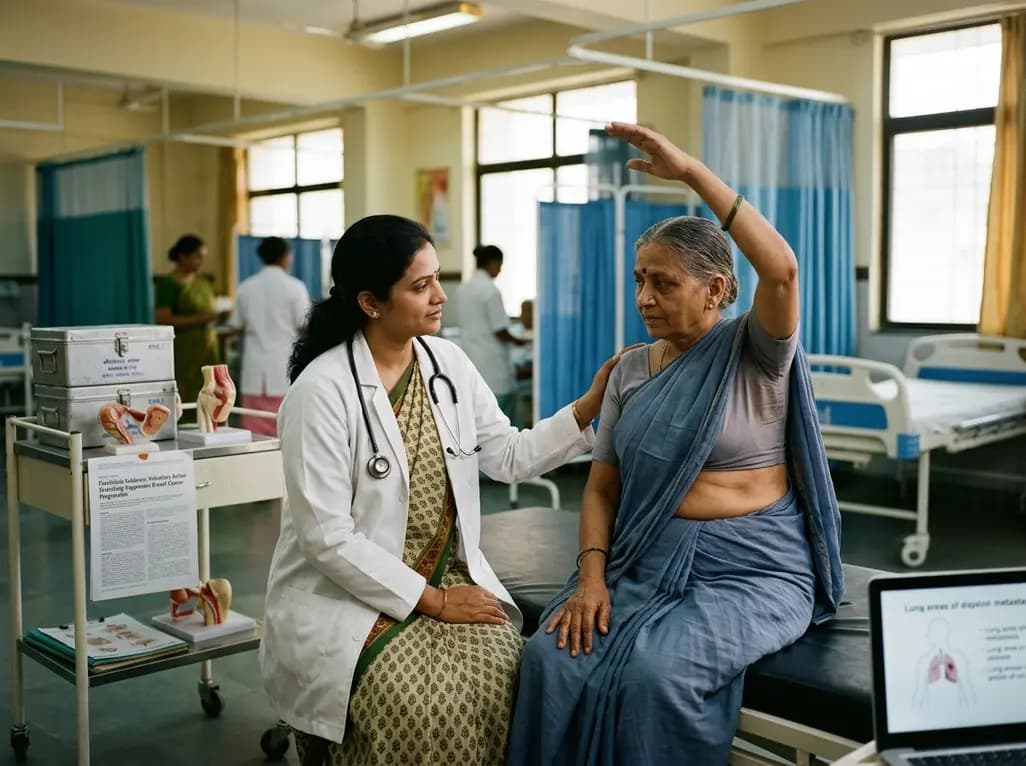
Clinical guidelines routinely endorse physical activity after a breast cancer diagnosis to improve functional capacity and reduce recurrence risk. Nevertheless, many cancer survivors remain sedentary because fatigue, surgery-related fibrosis, and treatment toxicities impose substantial physical barriers. To resolve this challenge, investigators evaluated voluntary active stretching as a gentle modality. This restorative approach minimizes strain while delivering systemic benefits. Recent preclinical evidence reveals that sustained, gentle stretching can substantially curtail mammary tumor progression and alter systemic biology.
Post-diagnosis physical activity significantly lowers overall mortality and enhances treatment tolerance among oncology patients. However, conventional aerobic regimens frequently exceed patient physical tolerance. Severe cancer-related fatigue, chemotherapy-induced peripheral neuropathy, and surgical tissue restriction often prevent intense exertion. Therefore, oncologists and rehabilitation therapists increasingly seek low-intensity interventions that patients can perform safely and consistently. Consequently, gentle movement modalities, such as therapeutic yoga and restorative mobility drills, have gained popularity within integrative cancer care programs. Clinical trials demonstrate that gentle practices alleviate anxiety and improve joint mobility. However, their direct biological influence on tumor progression has remained elusive. Standard exercise oncology research has historically prioritized high-intensity cardiovascular or heavy resistance protocols. As a result, clinicians often lack mechanistic evidence regarding whether low-strain physical movements exert meaningful anti-neoplastic effects. Addressing this fundamental question requires robust preclinical paradigms capable of isolating gentle mechanical movements from physiological exhaustion or psychological stress.
To examine low-intensity biomechanical stimulation rigorously, researchers established an innovative animal paradigm using female FVB mice in customizable home cages. Specifically, investigators elevated food receptacles, water dispensers, and environmental enrichment devices high above the cage floor. Consequently, the rodents voluntarily extended their forelimbs and torsos to access essential daily resources. An automated video tracking system continuously monitored mouse behavior without human interference. Therefore, the setup successfully eliminated the emotional and physiological distress typically caused by forced laboratory handling or treadmill paradigms. Furthermore, long-term observational analysis confirmed that the animals consistently engaged in repeated bouts of self-directed elongation throughout their active diurnal cycles. This custom environmental architecture established an authentic model of gentle physical exertion. Unlike designs relying on forced suspension, this model ensured that animals controlled their own movement kinematics. Thus, the experimental setup provided a biologically relevant translational surrogate for patient-guided restorative stretching and gentle yoga.
After validating the behavioral system, researchers compared voluntary active stretching directly against voluntary wheel running. They tested these interventions across two distinct orthotopic mammary cancer models. In the MET-1 orthotopic tumor model, both low-intensity self-stretching and high-intensity wheel running achieved statistically significant reductions in primary tumor volume. Notably, the gentle stretching protocol matched the tumor-suppressive efficacy of vigorous wheel running. Stretching achieved this despite requiring substantially lower metabolic energy expenditure. This observation directly challenges the conventional assumption that anti-tumor exercise benefits depend solely on high cardiovascular strain. In contrast, when evaluated in the aggressive, highly metastatic 6DT1 mammary tumor model, active stretching demonstrated striking therapeutic superiority. Voluntary wheel running completely failed to suppress tumor progression in this aggressive model. In contrast, voluntary active stretching significantly slowed tumor enlargement. Hence, gentle tensile mechanical force triggers protective tissue adaptations. High-strain aerobic exertion could not reproduce these benefits in aggressive tumor environments. These comparative results indicate that structural tissue stretching offers unique mechanistic advantages beyond general metabolic expenditure.
In addition to controlling primary tumor growth, voluntary active stretching exhibited remarkable efficacy against metastatic dissemination. Specifically, researchers discovered that self-stretching significantly reduced macroscopic lung metastases in the 6DT1 orthotopic model. It consistently decreased metastatic tumor burden. Conversely, voluntary running offered no protective advantage against pulmonary metastatic colonization in the same cohort. To elucidate the molecular drivers behind these disparate outcomes, the study authors conducted comprehensive proteomic profiling of primary tumor tissues. Consequently, the proteomic analysis revealed distinct systemic and intratumoral protein alterations between stretching and running cohorts. In particular, active stretching induced favorable protein remodeling. This response suppressed proliferative cascades, modulated extracellular matrix stiffness, and regulated inflammatory signaling pathways. Furthermore, these mechanical stretches altered stromal collagen dynamics and enhanced antitumor microenvironmental hostility. Therefore, low-intensity tensile strain modulates local tissue homeostasis and prevents tumor cells from colonizing distant vascular beds. These molecular findings strongly support a novel biological hypothesis. Gentle mechanical stretching triggers unique signaling cascades capable of restricting malignant cell migration.
These preclinical discoveries hold immediate translational significance for oncologists, physiatrists, and palliative care specialists treating breast cancer survivors. Traditionally, physicians hesitate to recommend exercise programs because patients frequently express concern regarding treatment-related exhaustion or lymphedema exacerbation. However, this study proves that vigorous aerobic conditioning is not universally required to achieve biological tumor control. Instead, gentle, patient-tolerated movements like therapeutic stretching and restorative yoga can modulate tumor biology and potentially curb metastatic spread. Moreover, in countries like India with rich integrative medicine traditions, clinicians can incorporate structured stretching into standard survivorship pathways. Because self-stretching requires no specialized equipment or high cardiopulmonary reserve, patients can perform these routines safely at home. Clinicians should nevertheless counsel patients to execute movements within comfortable joint limits and avoid excessive tension near surgical incisions. Ultimately, active stretching represents an accessible and biologically active adjunctive strategy. It empowers cancer survivors while simultaneously supporting long-term clinical recovery.
Voluntary active stretching allows animals or patients to initiate muscle elongation independently without external physical restraint or psychological duress. In contrast, historical animal models often utilized passive physical restraint, which inherently elevates circulating corticosteroids and provokes systemic stress responses. By integrating self-directed reaching movements into daily cage activities, this novel paradigm eliminates chronic stress artifacts. Consequently, researchers can study pure biomechanical signaling and physiological tissue adaptation without confounding hormonal elevations.
Active stretching appears to influence tumor progression through distinct biomechanical and stromal pathways rather than pure systemic metabolic exertion. Specifically, tensile mechanical forces remodel local extracellular matrix architecture, modify vascular permeability, and suppress metastatic cell detachment. While vigorous running stimulates systemic circulation and metabolic turnover, it failed to mitigate aggressive 6DT1 dissemination. Furthermore, proteomic analyses demonstrated that active stretching uniquely downregulated pro-metastatic signaling proteins, thereby reinforcing host tissue barriers and preventing successful metastatic seeding.
Clinicians can integrate gentle stretching and yoga asanas as low-barrier rehabilitation components for patients experiencing cancer fatigue, surgical stiffness, or lymphedema risks. Because vigorous cardiovascular exercise often intimidates frail patients, structured active stretching provides an approachable entry point that enhances adherence. Medical teams should tailor stretching protocols to individual surgical margins and recovery timelines. Ultimately, this evidence empowers practitioners to validate restorative movement as an evidence-based biological intervention rather than merely a palliative comfort measure.
Disclaimer: This content is for informational and educational purposes only and should not be considered medical advice. Always consult with a qualified healthcare professional before making changes to your wellness routine or starting any new exercise program. Refer to the latest local and national guidelines for clinical practice.
References

Read summarized clinical updates, watch expert medical content, and earn CME certifications right from your smartphone.
Open your smartphone camera to scan and install.





A preclinical study demonstrates that voluntary active stretching significantly suppresses mammary tumor growth and mitigates lung metastasis. By altering tumor proteomics and lowering physical strain, this gentle modality provides compelling translational evidence for yoga and mobility in cancer survivorship.
Today
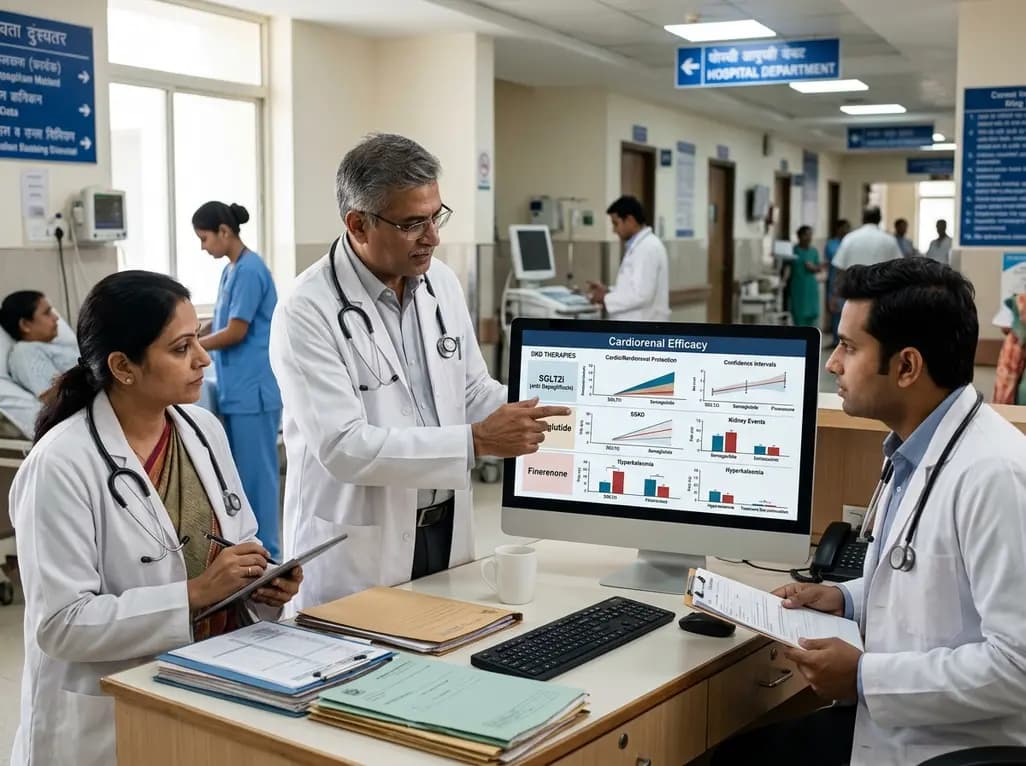
A network meta-analysis of 10 RCTs comprising 37,923 patients reveals that SGLT2 inhibitors offer the broadest cardiorenal protection in diabetic kidney disease. Dapagliflozin reduced kidney outcomes more than semaglutide, while finerenone increased hyperkalaemia and treatment discontinuation rates.
Today
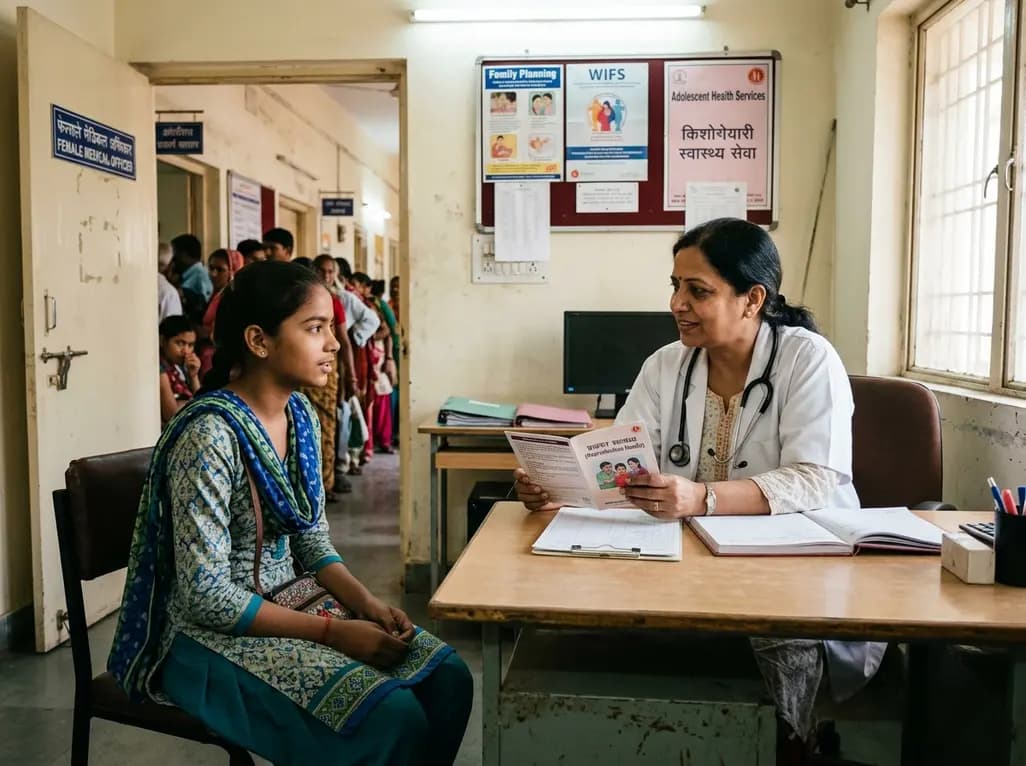
A study of adolescent girls evaluated predictors of contraceptive use at sexual debut, revealing vital insights on education, household dynamics, and access barriers. Review clinical takeaways to strengthen youth-friendly counseling and proactive adolescent reproductive care.
Today
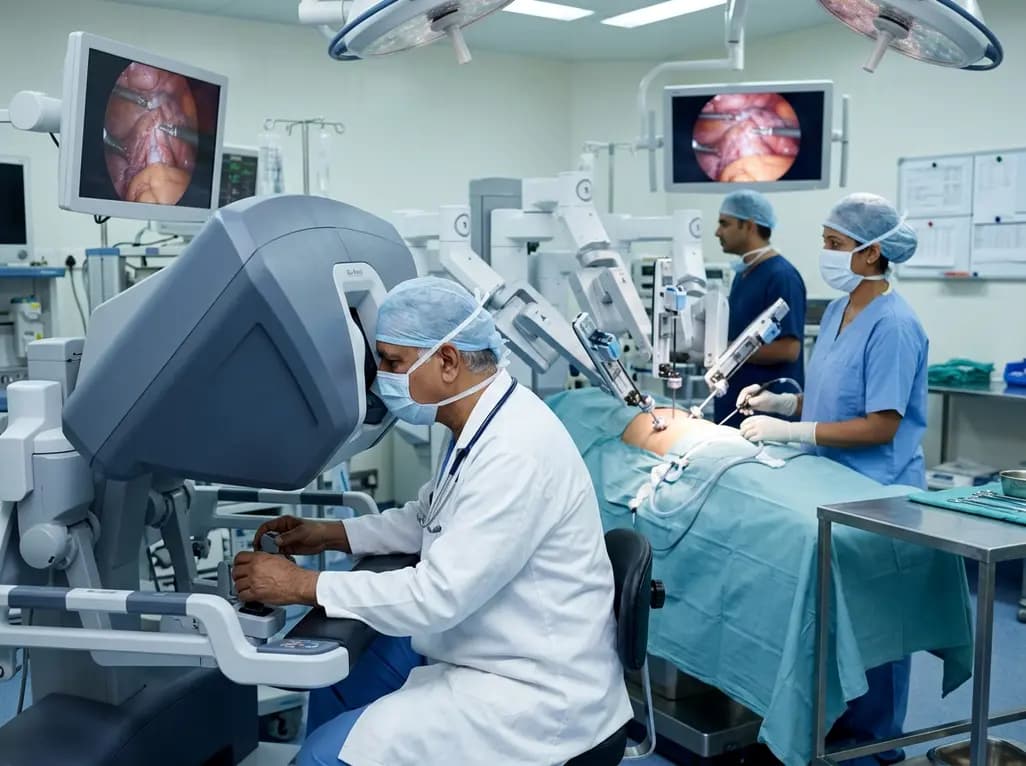
Surgical robotics is redefining modern operating theaters by replacing extensive open incisions with micro-dexterity and stereoscopic 3D vision. Multi-specialty surgeons highlight how robotic platforms mitigate tissue trauma, enhance functional organ preservation, and shorten postoperative hospital recovery.
Today
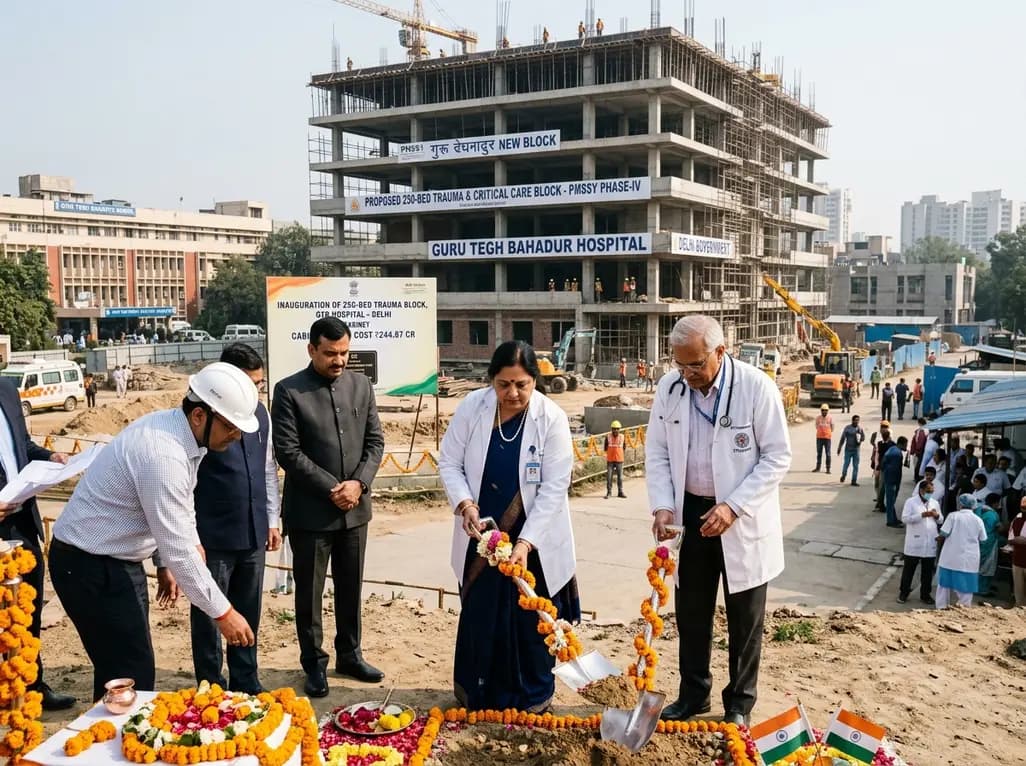
The Delhi Cabinet has cleared an advanced seven-storey critical care expansion at Guru Tegh Bahadur Hospital under PMSSY Phase-IV. Costing Rs 244.87 crore, the new wing features 250 beds, specialized intensive care units, modern operation theatres, and round-the-clock emergency diagnostics for East Delhi.
Today
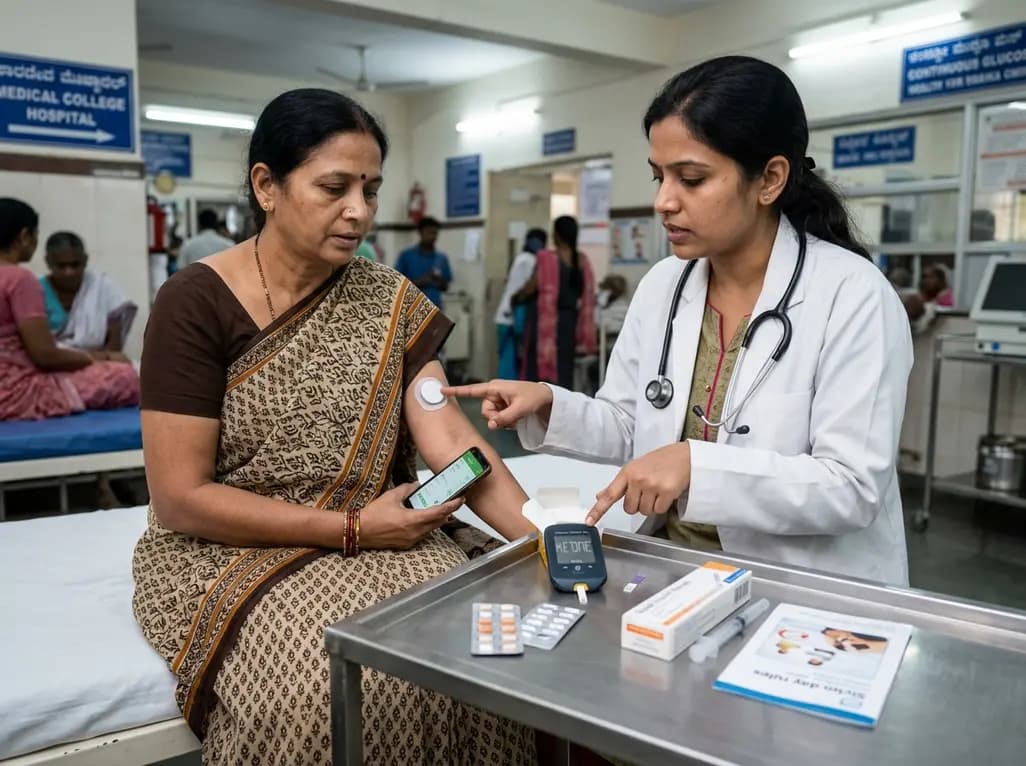
A landmark case demonstrates that favorable continuous glucose monitoring metrics cannot rule out SGLT2 inhibitor-associated euglycemic diabetic ketoacidosis. Clinicians must educate patients on symptom-based sick-day rules, uninterrupted basal insulin therapy, and proactive blood ketone testing.
Today
