.webp&w=384&q=75)

Loading, please wait...
Loading, please wait...
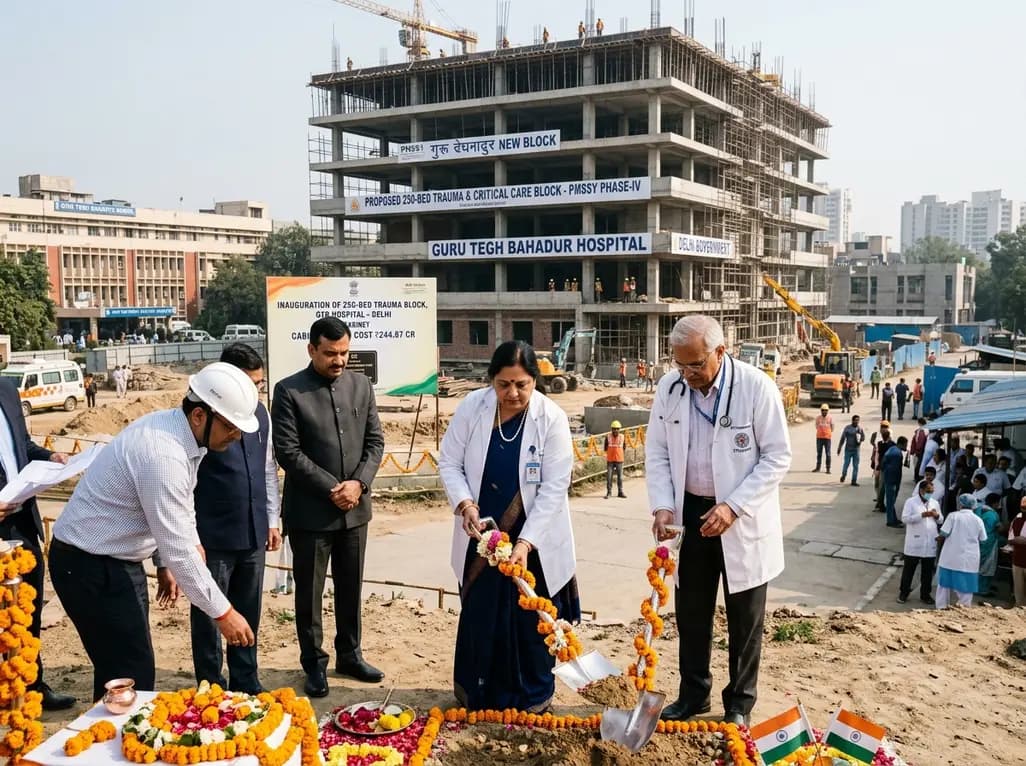
Guru Tegh Bahadur (GTB) Hospital serves as the primary tertiary healthcare lifeline for East Delhi and neighboring districts. Consequently, the Delhi Cabinet approved the development of an advanced GTB Hospital trauma block under the Pradhan Mantri Swasthya Suraksha Yojana (PMSSY). This landmark project addresses severe bed saturation while modernizing emergency infrastructure. Furthermore, it promises to streamline critical care delivery for severe accident victims across the National Capital Region. The estimated budget of Rs 244.87 crore reflects a significant joint commitment between central and state health authorities. Additionally, authorities project complete operational commissioning by 2028. This dedicated initiative will elevate acute clinical outcomes for high-acuity trauma cases.
GTB Hospital stands as the sole public tertiary healthcare centre catering to the densely populated Trans-Yamuna area. Moreover, it routinely admits high numbers of acute trauma cases from western Uttar Pradesh. As a result, the facility operates under persistent strain, with inpatient beds remaining virtually fully occupied throughout the year. Clinicians often encounter operational bottlenecks when managing time-sensitive road traffic accidents, industrial injuries, and penetrating trauma. Therefore, establishing a dedicated, self-sufficient trauma wing represents an indispensable systemic intervention.
Timely resuscitation during the golden hour directly determines patient survival in acute trauma scenarios. However, fragmented services between diagnostic imaging, operating suites, and critical care units can introduce preventable treatment delays. The new project eliminates these structural hurdles by collocating emergency services under one unified roof. Consequently, attending physicians can expedite rapid triage, early damage control surgery, and immediate intensive stabilization. Furthermore, this localized expansion will relieve heavy pressure on central Delhi tertiary hospitals like AIIMS and Safdarjung. Local residents will obtain world-class emergency interventions without suffering long ambulance transit times through urban congestion. Ultimately, the expansion reinforces public sector resilience against mass casualty incidents and daily urban emergencies.
The upcoming facility spans an impressive built-up area of approximately 22,550 square metres within the existing hospital campus. Consequently, the project avoids complex land acquisition hurdles and ensures rapid execution. The architectural layout incorporates a functional seven-storey design comprising a basement, ground floor, and six upper storeys. Engineers and medical planners specifically configured every floor to optimize clinical workflows and patient movement.
In particular, the basement will house an advanced laboratory and a dedicated blood transfusion bank. This placement guarantees rapid cross-matching and quick access to emergency blood components during severe hemorrhagic shock. The ground floor accommodates a round-the-clock emergency department supported by an integrated radiodiagnostic complex. Attending clinicians can immediately access point-of-care CT scanners, high-resolution MRI machines, and digital X-ray suites without transferring vulnerable patients outdoors. Furthermore, the second floor houses comprehensive critical care units to support rapid postoperative transitions. The fourth and fifth levels accommodate general inpatient and private recuperation wards. Finally, the sixth floor provides classrooms, administrative offices, and skill-training laboratories for resident doctors. This vertical consolidation allows medical teams to deliver cohesive, uninterrupted emergency care across every stage of patient management.
The strategic distribution of the 250 beds reflects a targeted clinical focus on high-acuity trauma and postoperative recovery. Specifically, the facility reserves 77 beds strictly for critical care interventions. Within this critical care quota, the second floor features a specialized 72-bed intensive care unit alongside a dedicated five-bed burns ICU. In addition, the emergency triage and resuscitation zone on the ground floor holds 20 acute care beds. These resuscitation units will feature advanced life-support monitors, invasive arterial lines, and mechanical ventilators.
Furthermore, the layout designates 22 specialized beds for pre-operative stabilization and post-anesthesia recovery. This dedicated holding space prevents surgical suite backlogs and enhances operative throughput. To manage infectious risks safely, planners allocated four negative-pressure isolation beds for immunocompromised or contagious trauma patients. The remaining inpatient capacity includes 102 general ward beds across upper floors alongside 25 private single rooms. This balanced configuration accommodates diverse socioeconomic demographics while prioritizing subsidized public care. Consequently, intensivists, anesthesiologists, and nursing officers can deliver structured step-down care as patient stability improves. This organized clinical stratification optimizes bed turnover and minimizes mortality associated with delayed intensive care admissions.
Managing poly-trauma patients requires synchronized multidisciplinary intervention across multiple surgical disciplines. Therefore, the new block integrates nine cutting-edge, modular operation theatres equipped with laminar airflow systems and advanced surgical imaging. These suites will support simultaneous life-saving procedures, ranging from urgent decompressive craniotomies to complex damage control laparotomies. Furthermore, orthopedic surgeons can swiftly perform rigid fracture fixation to restore skeletal stability in severely injured patients.
Additionally, the facility introduces 48 specialized outpatient department rooms to handle comprehensive surgical follow-ups and elective consultations. The center will host robust clinical teams specializing in neurosurgery, orthopedics, burn reconstruction, dermatology, and maxillofacial dental surgery. Because severe vehicle accidents frequently cause concomitant head injuries and complex facial fractures, direct interdepartmental coordination remains essential. Accordingly, cross-specialty clinical pathways will allow seamless handoffs between emergency physicians, neurosurgeons, and reconstructive teams. Moreover, point-of-care ultrasound and rapid diagnostic turnaround will guide acute surgical decision-making in real time. This cohesive clinical synergy drastically reduces perioperative complications and systemic sepsis. As a result, the trauma center will establish modern benchmarks for public tertiary trauma care in northern India.
Costing Rs 244.87 crore, the trauma center represents a key project under Phase-IV of the Pradhan Mantri Swasthya Suraksha Yojana. Under this central flagship scheme, the Union Government and the Delhi Government share capital expenditures to modernize regional healthcare delivery. Consequently, this collaborative funding structure ensures robust financial backing and technological standardization across municipal facilities.
To ensure transparent execution and strict timeline adherence, authorities constituted a high-level joint monitoring committee. This supervisory body, comprising senior administrators from both central and state health departments, will convene every three months. These regular quarterly reviews will evaluate structural engineering milestones, medical equipment procurement, and clinical workforce deployment. Furthermore, the trauma block will advance medical education by providing hands-on clinical exposure for postgraduate medical trainees and emergency nursing fellows. Trainees will gain valuable experience in managing complex hemodynamic instability and disaster triage protocols. Additionally, the expanded facility directly complements Delhi's broader institutional reforms, including the planned integration of regional super-speciality centres. By combining modernized trauma architecture with academic rigor, the initiative fortifies Delhi's healthcare safety net. Ultimately, this investment will bridge acute healthcare disparities and protect vulnerable patient populations for decades ahead.
Q1: What is the primary purpose and expected completion timeline of the new GTB Hospital trauma block?
The primary purpose of the new facility is to deliver comprehensive, round-the-clock emergency, diagnostic, and surgical services for severe trauma cases in East Delhi. Because GTB Hospital experiences heavy bed saturation, this dedicated block will significantly relieve inpatient pressure. With an estimated project budget of Rs 244.87 crore under the PMSSY scheme, authorities project complete infrastructural readiness and operational commissioning by 2028.
Q2: How are the 250 beds structured across emergency and specialized inpatient departments?
The 250-bed layout provides 77 critical care beds, including a 72-bed intensive care unit on the second floor and a five-bed burns ICU. In addition, the ground floor features 20 emergency resuscitation beds. The remaining beds include four isolation beds for contagious infections, 22 pre- and post-operative beds, 102 general ward beds, and 25 private inpatient rooms to deliver structured transitional patient care.
Q3: Which medical specialties and advanced diagnostic modalities will operate within the trauma centre?
The center integrates critical specialties including trauma surgery, orthopedics, neurosurgery, dermatology, and dental care. Furthermore, it houses nine modern operation theatres to manage complex surgical emergencies simultaneously. The facility also features an on-site blood bank, advanced laboratories, and round-the-clock imaging suites on the ground floor. These imaging services include point-of-care CT scans, high-resolution MRI machines, and digital X-ray diagnostics to accelerate clinical decision-making.
Disclaimer: This content is for informational and educational purposes only. It does not constitute medical advice or replace professional judgment. Refer to the latest local and national guidelines for clinical practice.
References

Read summarized clinical updates, watch expert medical content, and earn CME certifications right from your smartphone.
Open your smartphone camera to scan and install.





The Delhi Cabinet has cleared an advanced seven-storey critical care expansion at Guru Tegh Bahadur Hospital under PMSSY Phase-IV. Costing Rs 244.87 crore, the new wing features 250 beds, specialized intensive care units, modern operation theatres, and round-the-clock emergency diagnostics for East Delhi.
Today
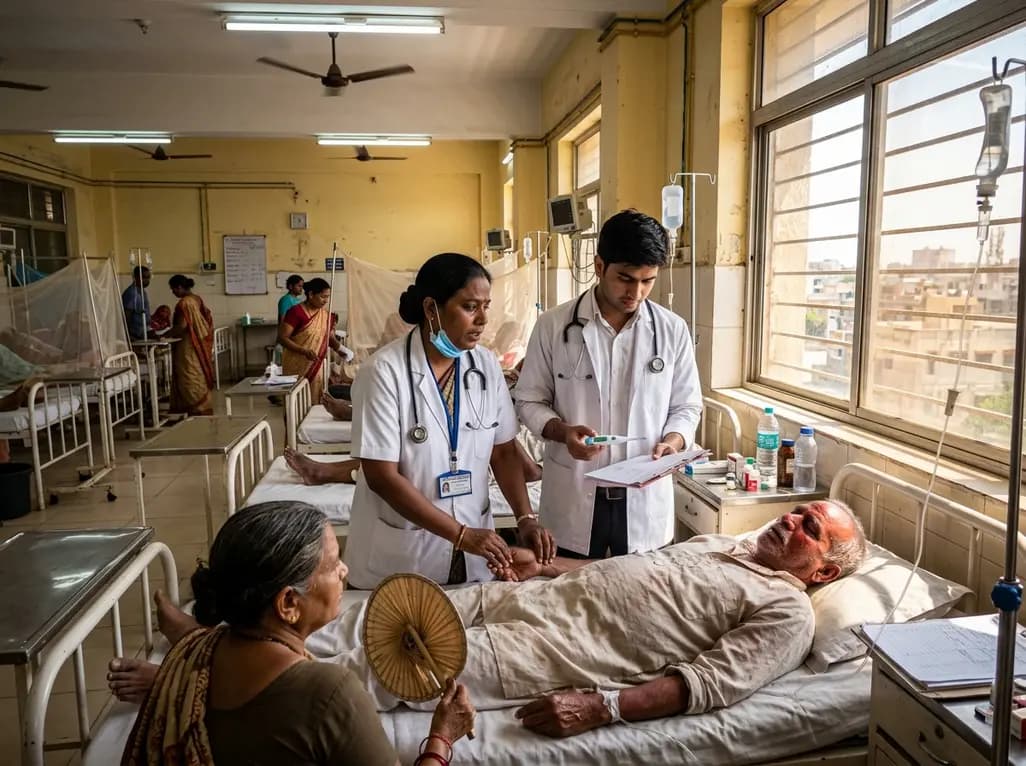
Recent data indicates over 117 million people in India faced prolonged periods of dangerous temperatures driven by climate change. As heatwaves become more frequent and intense, healthcare providers must strengthen clinical triage, manage severe hyperthermia promptly, and protect vulnerable patient populations.
Today
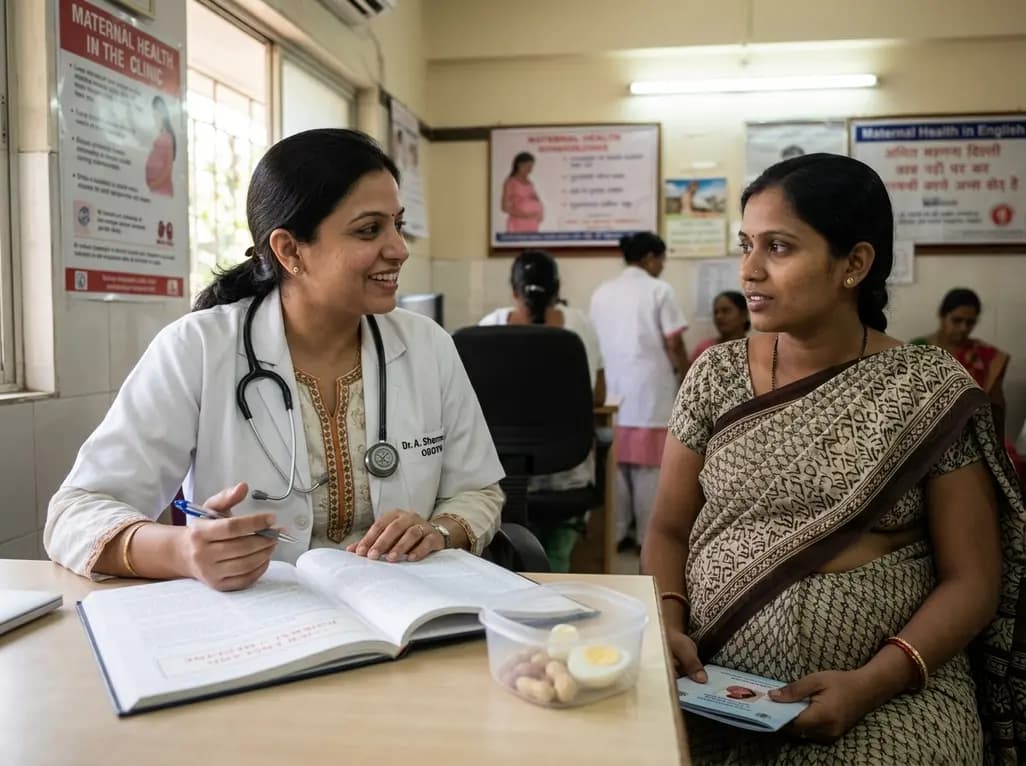
A landmark randomized clinical trial published in NEJM reveals that high maternal intake of eggs and peanuts during pregnancy and lactation does not lower the risk of infant egg or peanut allergy at one year of age, reinforcing existing dietary recommendations for balanced maternal nutrition without restrictions.
Today
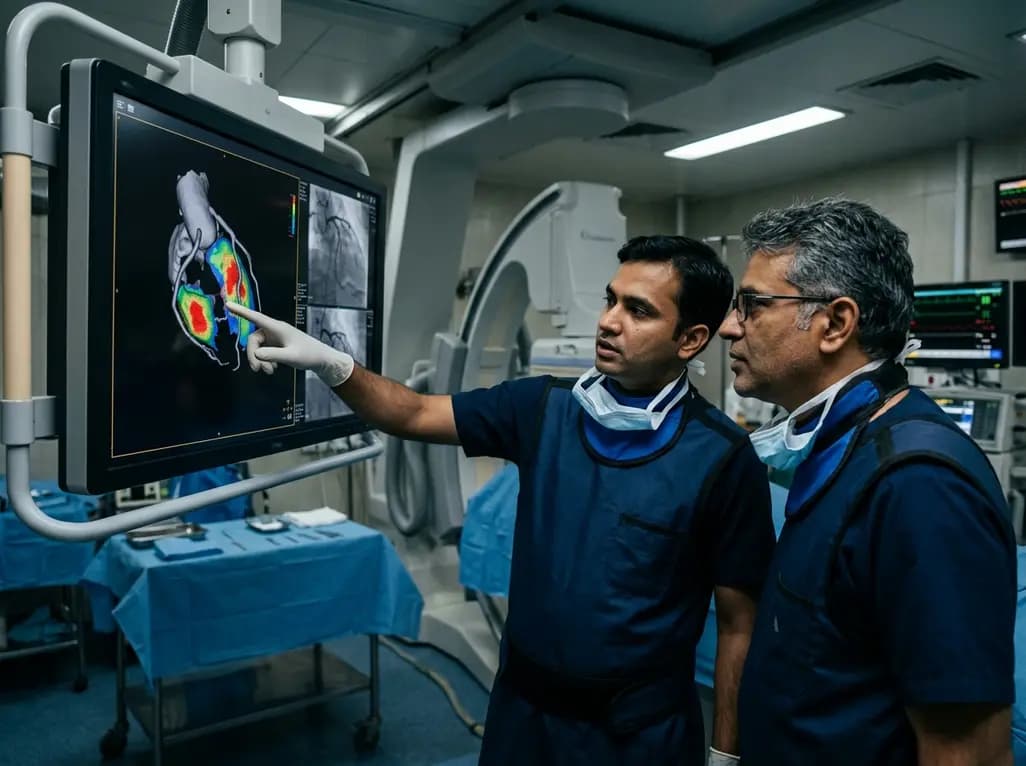
A groundbreaking study demonstrates that coronary angiography-derived radial wall strain reflects plaque morphology, predicting future rupture and erosion.
Today

A landmark case demonstrates that favorable continuous glucose monitoring metrics cannot rule out SGLT2 inhibitor-associated euglycemic diabetic ketoacidosis. Clinicians must educate patients on symptom-based sick-day rules, uninterrupted basal insulin therapy, and proactive blood ketone testing.
Today
