.webp&w=384&q=75)

Loading, please wait...
Loading, please wait...

Gautam Adani recently launched a landmark vision care in Bihar initiative to address rural health challenges. This ambitious project focuses on providing affordable treatment and building a sustainable healthcare ecosystem in the region. Consequently, the Adani Akhand Jyoti Foundation seeks to restore sight and dignity to underserved communities. Furthermore, the initiative targets the completion of 3.3 lakh eye surgeries annually. This effort will significantly reduce the burden of preventable blindness in the Hindi heartland.
The project establishes two primary facilities: the Adani Centre for Eye (ACE) and Adani Training in Ophthalmic Medicine (ATOM). Specifically, ACE handles complex surgical procedures and advanced treatments. Meanwhile, ATOM focuses on essential workforce development. It will train 1,000 eye health professionals, including optometrists and assistants, every year. Moreover, this dual approach ensures that infrastructure growth matches the availability of skilled personnel. Additionally, the group plans to establish a 200-bed hospital in the Bhagalpur district to serve eastern Bihar.
The Adani family has committed significant resources to this long-term mission. Initially, the project received Rs 150 crore for immediate development in Bihar. However, Gautam Adani later announced an additional personal commitment of Rs 500 crore to scale the mission nationwide. Consequently, the total investment outlay will exceed Rs 700 crore. This investment reflects a broader vision of nation-building through social service and healthcare excellence. Similarly, the foundation continues to support various rural outreach programs across eleven states in India.
Q1: What is the primary goal of the Adani Centre for Eye (ACE)?
ACE aims to provide advanced treatment and surgical facilities focused on affordable care and large-scale rural outreach in Bihar.
Q2: How many eye health professionals will be trained annually?
The initiative plans to train 1,000 eye health professionals every year through the Adani Training in Ophthalmic Medicine (ATOM) facility.
Q3: What is the total investment commitment for this vision care project?
The total investment outlay, including operational expenditure, is expected to exceed Rs 700 crore across its expansion phases.
Disclaimer: This content is for informational and educational purposes only. It does not constitute medical advice or replace professional judgment. Refer to the latest local and national guidelines for clinical practice.
References

Read summarized clinical updates, watch expert medical content, and earn CME certifications right from your smartphone.
Open your smartphone camera to scan and install.





Gautam Adani initiates a Rs 150 crore vision care project in Bihar to provide affordable eye surgeries and train 1,000 healthcare professionals annually....
4 months ago

A multicenter propensity-matched study evaluated DOAC plus single versus dual antiplatelet therapy after carotid artery stenting. Findings revealed comparable intracranial hemorrhage and ischemic stroke rates, supporting DOAC plus SAPT as a viable antithrombotic strategy in high-risk patients.
Today
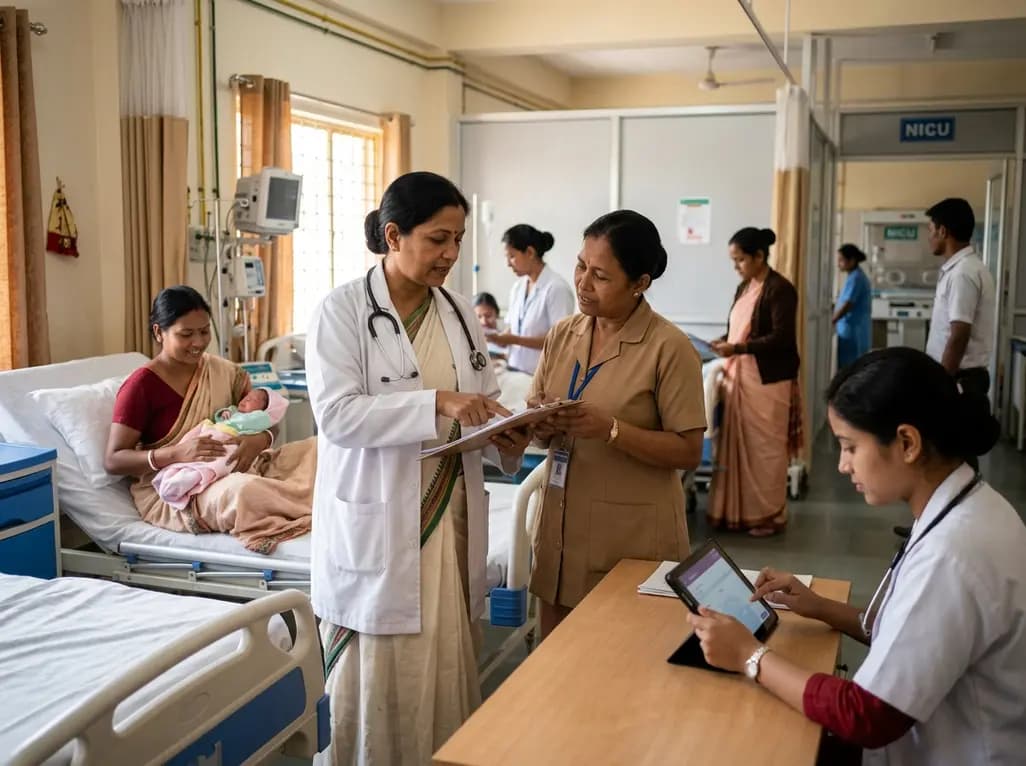
Meghalaya recorded a historic 55% reduction in maternal deaths, dropping from 244 to 107 over five years. Through the MOTHER app, dedicated transit homes, and expanded infrastructure like the 150-bed Tura Maternity Hospital with its first public NICU, the state demonstrates an effective public health model.
Today
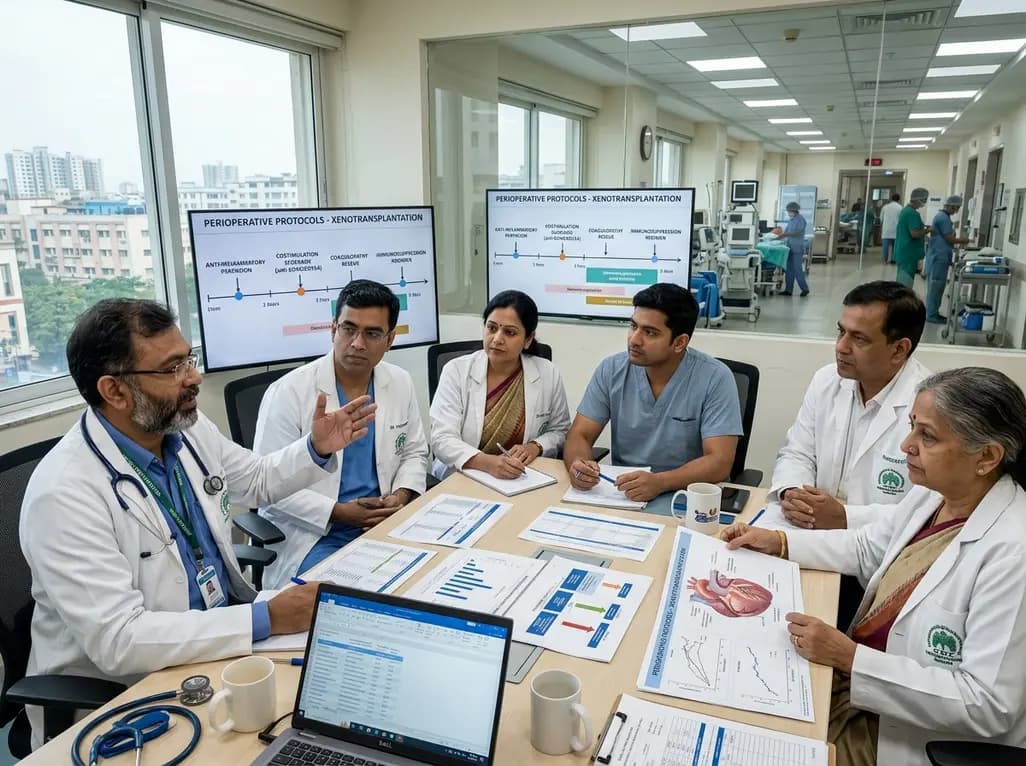
Explore modern perioperative management protocols for clinical xenotransplantation. Learn how costimulation blockade, anti-inflammatory perfusion, and coagulopathy rescue overcome interspecies hurdles.
Yesterday
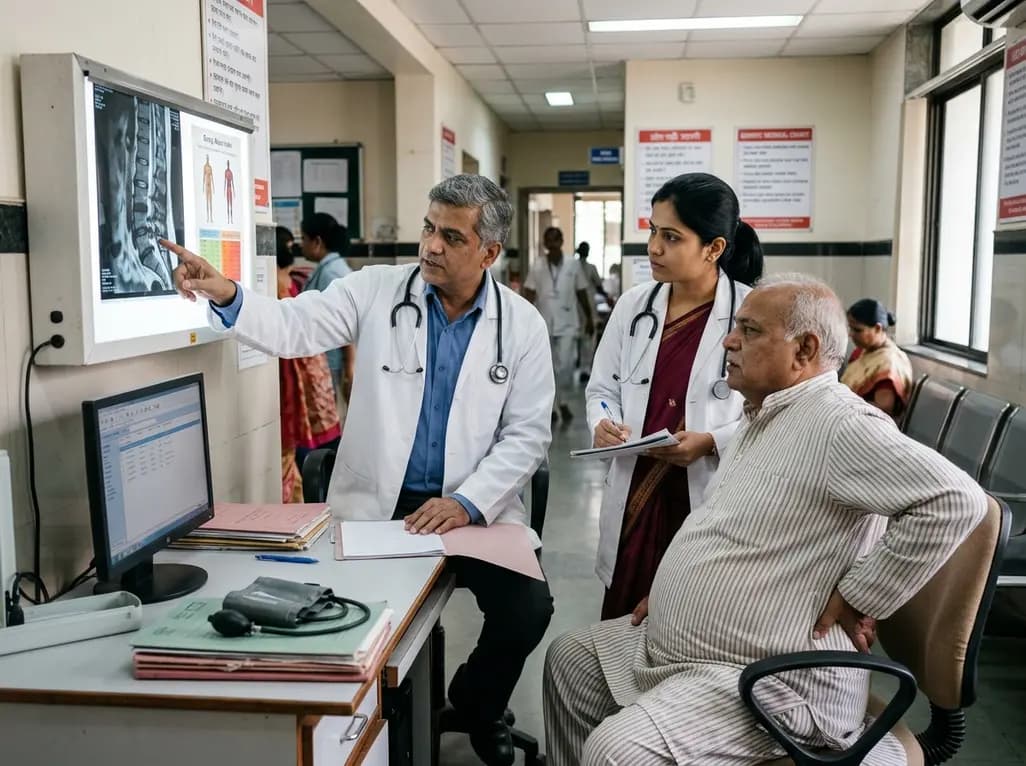
A cross-sectional study reveals that sarcopenic obesity independently increases functional impairment and severe disc degeneration in patients with degenerative lumbar spinal stenosis, highlighting the need for body composition assessment.
Today
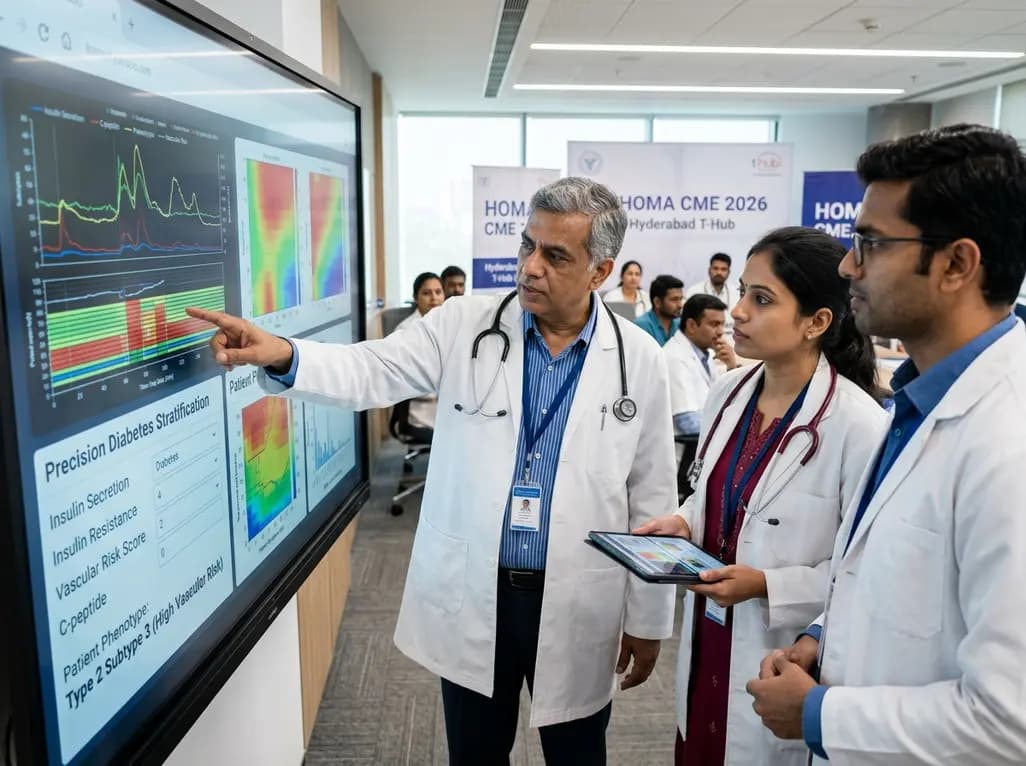
At Homa CME 2026 at Hyderabad's T-Hub, healthcare leaders emphasized moving beyond routine metrics through digital calculators and precision stratification. Discover why characterizing individual insulin secretion, resistance patterns, and vascular risks transforms chronic metabolic care in India.
Today
