.webp&w=384&q=75)

Loading, please wait...
Loading, please wait...
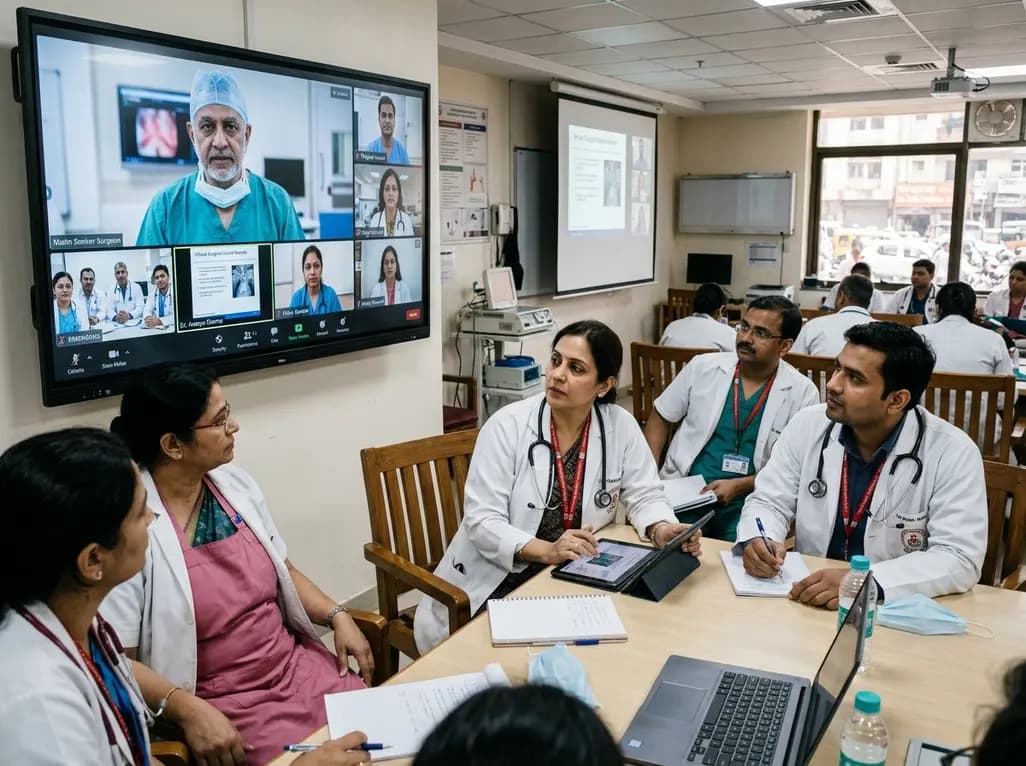
Over the past several years, medical education has undergone a significant transformation. Many institutions have successfully integrated virtual surgical grand rounds into their curriculum. This transition has moved away from traditional in-person gatherings toward hybrid or entirely digital models. Consequently, these changes have resulted in higher attendance rates and broader geographic representation. These digital sessions offer a flexible way for clinicians to engage with research without disrupting their patient care duties.
The virtual format provides several distinct advantages for surgical professionals. Specifically, survey results show that nearly all attendees prefer the convenience of online sessions. Furthermore, the digital medium allows speakers from various institutions and countries to share their expertise. This diversity enriches the learning environment by providing perspectives on different genders, racial backgrounds, and specialties. Therefore, learners gain a more global view of surgical practices than they would in a strictly local setting.
Another major success of this format is the promotion of interprofessional education. By opening rounds to the entire surgical team, institutions encourage collaboration between surgeons, nurses, and physician assistants. Notably, a vast majority of participants believe these sessions improve daily teamwork and practice. This multidisciplinary approach ensures that all team members remain informed about the latest clinical guidelines. Although the virtual environment creates some barriers, the overall educational impact remains highly positive for the medical community.
Despite the many benefits, virtual formats still face certain hurdles. For instance, many attendees find audience engagement lower than in-person meetings. In addition, networking and collegiality often suffer when interaction occurs through a screen. Therefore, future interventions must focus on improving these social aspects to maintain professional bonds. Hybrid models may offer a solution by combining digital convenience with the social benefits of face-to-face interaction.
Virtual formats significantly boost attendance because they allow clinicians to join from any location. This flexibility reduces travel time and minimizes the impact on busy clinical schedules.
Yes, virtual platforms make it easier to include diverse teams, such as nursing and anesthesiology. This inclusivity fosters a collaborative environment that translates to improved patient care in daily practice.
Disclaimer: This content is for informational and educational purposes only. It does not constitute professional medical advice, diagnosis, or treatment. Always seek the advice of your physician or other qualified healthcare providers with any questions you may have regarding a medical condition. Refer to the latest local and national guidelines for clinical practice.
References
Huselid R et al. Virtual Surgical Grand Rounds Allow Greater Multidisciplinary and Interprofessional Education and Collaboration. J Surg Educ. 2026 Jun 17. doi: undefined. PMID: 42308579.
Buelow J et al. Introspective Learning From Interprofessional Virtual Grand Rounds. Nurse Educ. 2023;48(3):145-149.
Rajab Dizavandi F et al. Challenges to Online Education in Medical Education during the COVID-19 Pandemic. Acta Med Iran. 2022;60(8):492-498.

Read summarized clinical updates, watch expert medical content, and earn CME certifications right from your smartphone.
Open your smartphone camera to scan and install.





Virtual surgical grand rounds are transforming medical education by improving speaker diversity and interprofessional collaboration while overcoming geographic barriers for attendees.
4 months ago
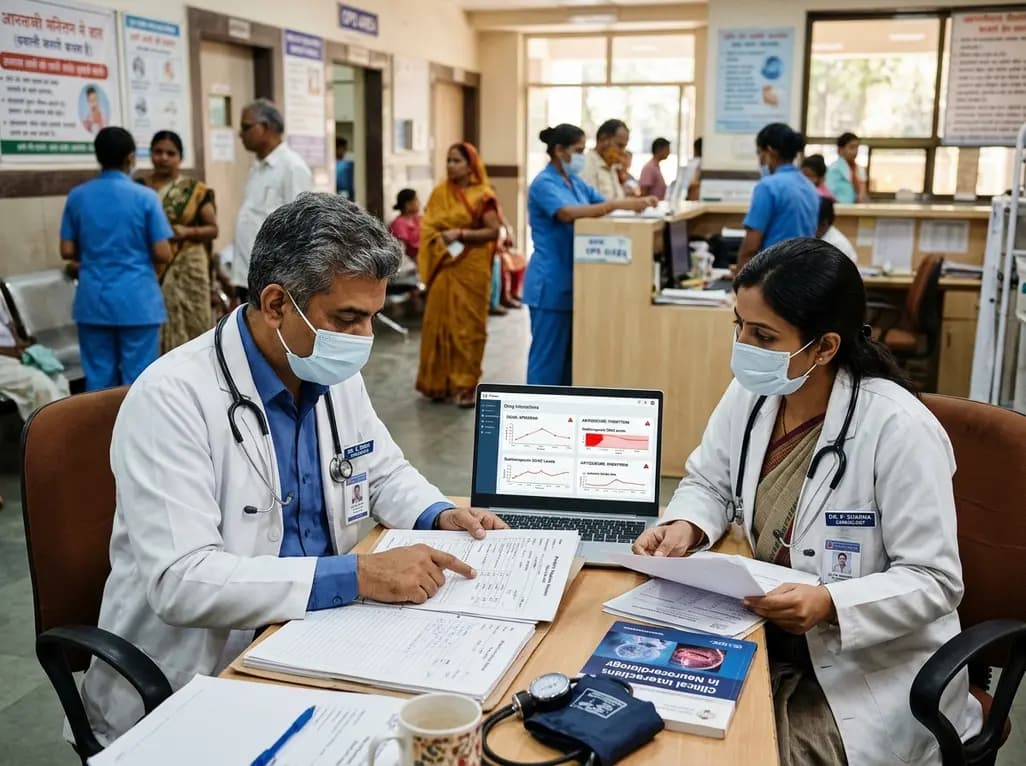
Co-administering antiseizure medications and DOACs frequently causes pharmacokinetic interactions, subtherapeutic drug levels, and thromboembolic failures. This review highlights enzyme induction risks, unpredictable outcomes with levetiracetam, and the vital role of therapeutic drug monitoring.
Today
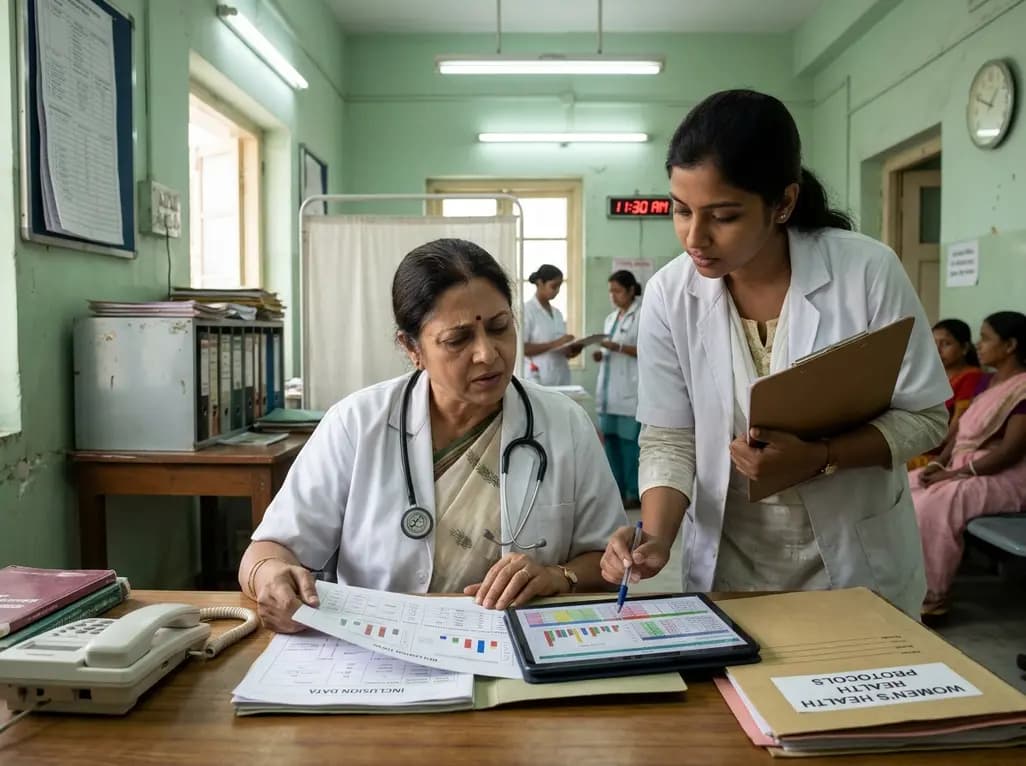
Demanding exhaustive hormonal profiling can inadvertently discourage clinical studies involving females. Methodological standards must align with the specific scientific question to expand, not restrict, equitable evidence for women.
Today
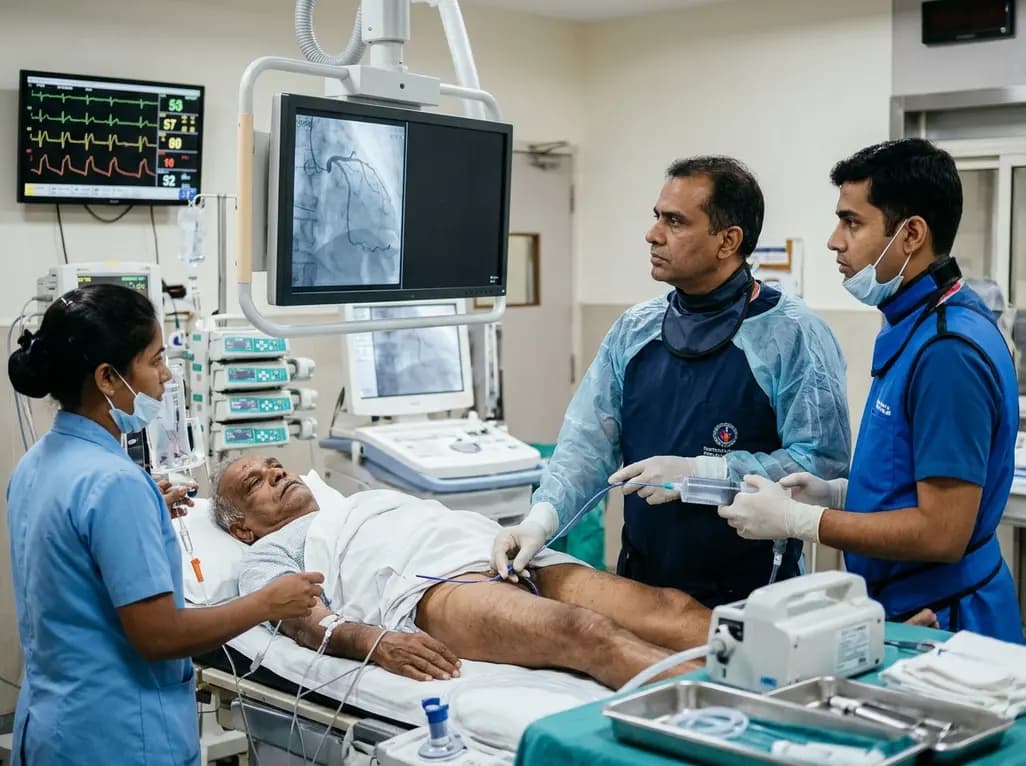
An elderly man with partially repaired Tetralogy of Fallot presented with STEMI caused by coronary embolism rather than atherosclerosis. Successful treatment with sustained mechanical aspiration thrombectomy underscores the vital need for high clinical vigilance in adult congenital heart disease.
Today
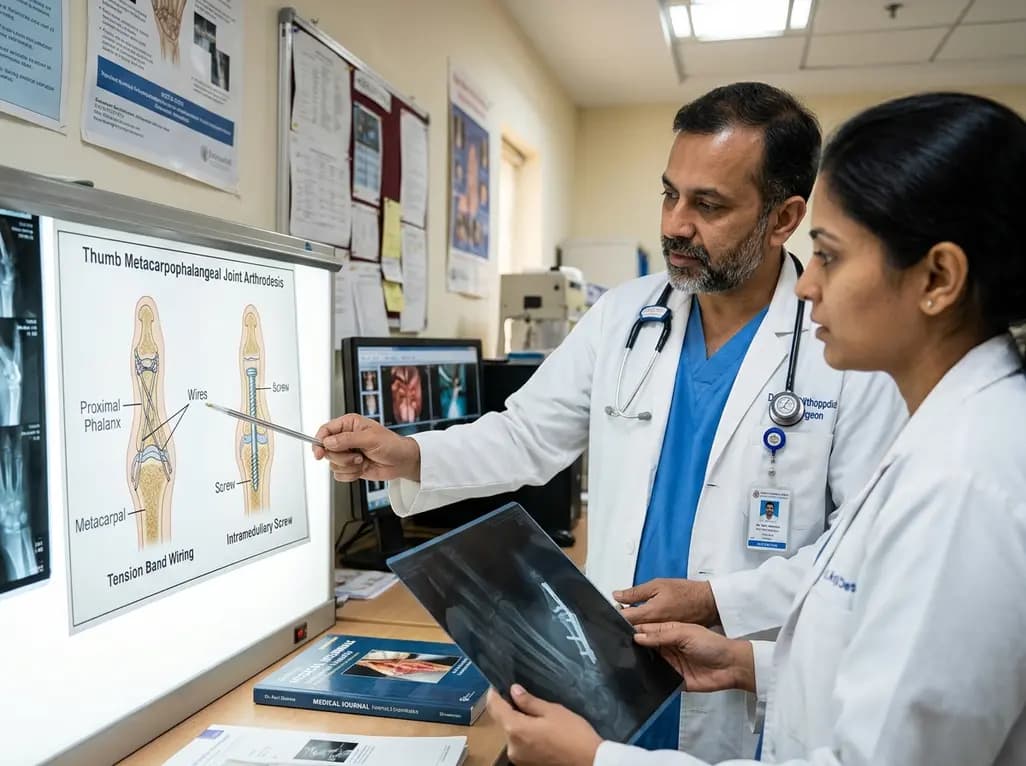
A comparative review of tension band wiring and intramedullary screw fixation in thumb metacarpophalangeal arthrodesis, evaluating union rates, hardware complications, and clinical outcomes.
Today

Following regulatory scrutiny from FSSAI regarding promotional representations and lean muscle preservation claims, Dr. Reddy's Laboratories and Nestlé Health Science are currently reviewing the branding and marketing strategy for their joint nutritional supplement Celevida GLP+.
Today
