.webp&w=384&q=75)

Loading, please wait...
Loading, please wait...

Research indicates that Virtual Reality in Dentistry is rapidly transforming how clinicians treat patients and how students learn clinical skills. A comprehensive systematic review involving over 110 studies has analyzed the latest evidence for immersive technologies. Furthermore, the findings suggest that these tools significantly enhance the patient experience while simultaneously improving educational efficiency for dental undergraduates.
Specifically, VR distraction techniques significantly reduced anxiety levels in children compared to traditional methods like "tell-show-do." Additionally, clinicians observed a borderline reduction in heart rates during procedures. Consequently, patients feel more comfortable, which facilitates smoother clinical workflows and better cooperation in pediatric settings.
Immersive technologies offer a risk-free environment where students can practice complex procedures repeatedly. Moreover, these systems provide immediate feedback, which is crucial for mastering manual dexterity. Consequently, students often report higher confidence and better knowledge retention compared to conventional teaching methods. However, researchers noted that while educational outcomes are promising, high-quality evidence is still developing across various dental disciplines.
Currently, AR and Mixed Reality (MR) are less frequently studied than VR, yet they hold significant potential for real-time surgical guidance. Nevertheless, the overall certainty of current evidence remains low to moderate due to study heterogeneity. Therefore, further large-scale trials are necessary to standardize these applications in everyday clinical practice and professional training.
VR acts as a powerful distraction tool that immerses children in a virtual world, significantly reducing their anxiety and stress levels during dental treatments. This often leads to lower heart rates and better cooperation with the dentist.
Yes, these tools provide a safe, repeatable environment for students to practice clinical skills. By offering immediate feedback and realistic simulations, they help bridge the gap between theoretical knowledge and practical application.
Disclaimer: This content is for informational and educational purposes only. It does not constitute medical advice or professional training. Always consult with a qualified dental professional for individual patient care. Refer to the latest local and national guidelines for clinical practice.
References
Sadilina S et al. Augmented and Virtual Reality in Dental Medicine Updated: A Systematic Review and Meta-Analysis. J Periodontal Res. 2026 Apr 25. doi: 10.1111/jre.70115. PMID: 42033203.
Constantini Leopardi et al. Virtual Reality as a Non-Pharmacological Aid for Reducing Anxiety in Pediatric Dental Procedures. PMC, 2024.
McAlpin et al. The Role of Virtual Reality in Transforming Dental Training Practices. Journal of Dental Education, 2025.

Read summarized clinical updates, watch expert medical content, and earn CME certifications right from your smartphone.
Open your smartphone camera to scan and install.





A new systematic review highlights the effectiveness of Virtual Reality in Dentistry for reducing pediatric anxiety and improving dental education outcomes....
6 months ago
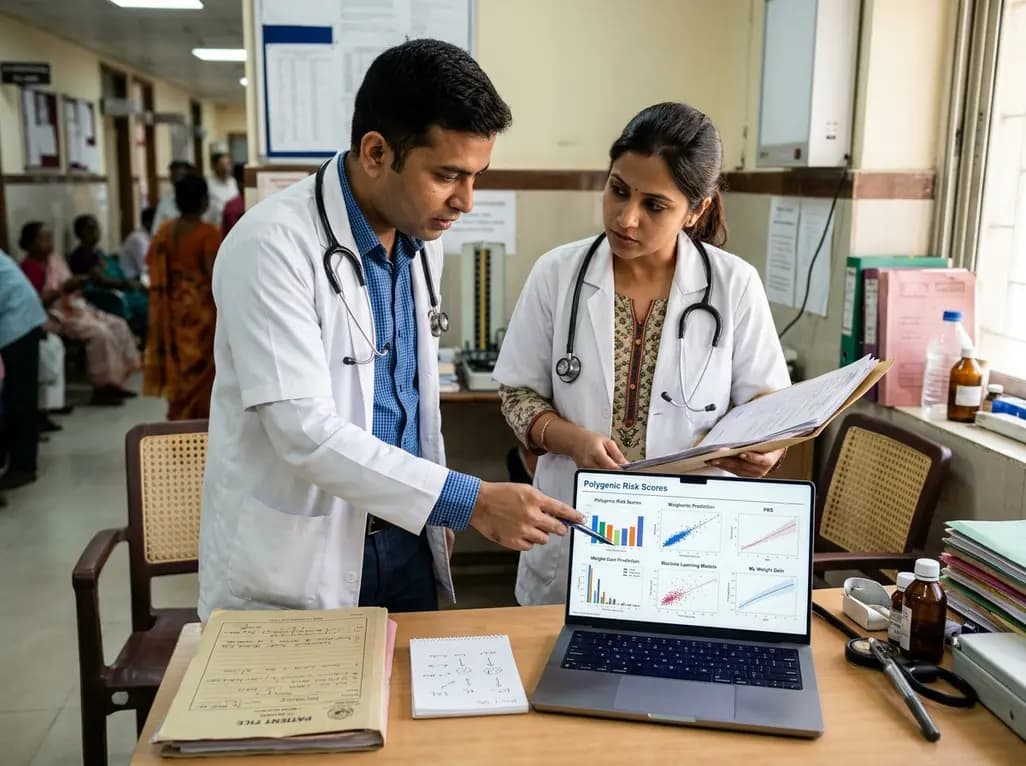
An observational study from the NIH All of Us Research Program reveals that adding a multi-ancestry polygenic risk score to machine learning models provides only modest improvements in predicting adult weight gain, underscoring the enduring significance of routine clinical and lifestyle factors.
Today
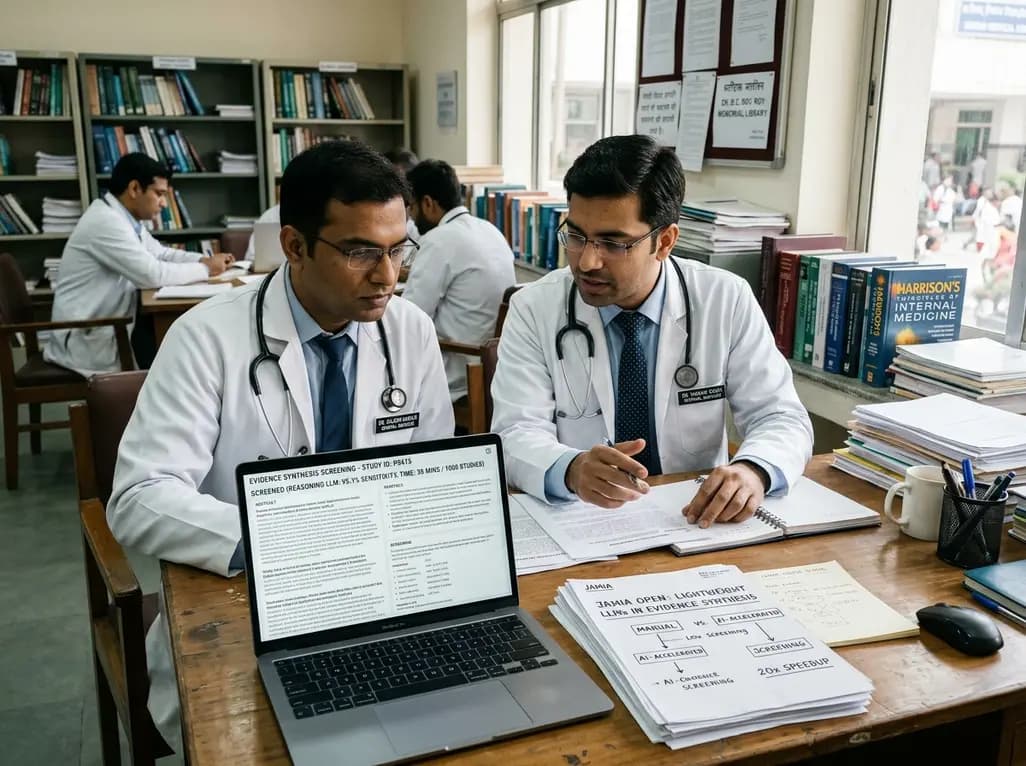
A study in JAMIA Open shows lightweight open-source reasoning LLMs achieve up to 95% sensitivity and accelerate evidence synthesis screening by nearly twentyfold, presenting a cost-effective, scalable AI solution for biomedical research and systematic reviews.
Today
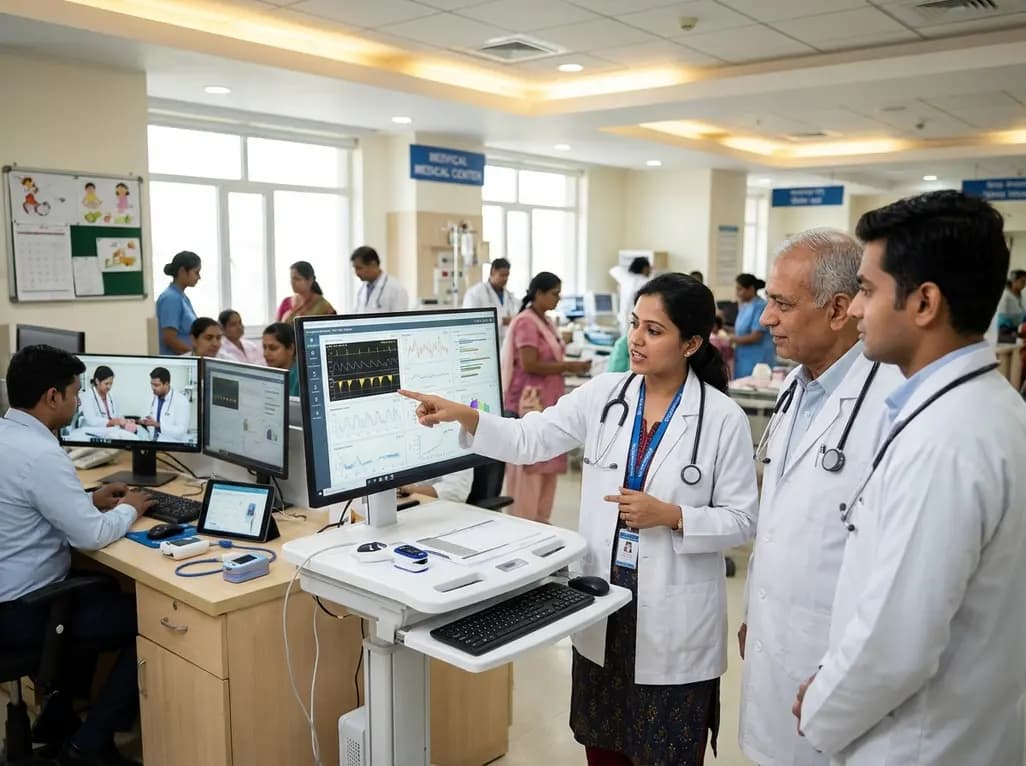
A landmark study details how an enterprise pediatric remote patient management model expanded from a single cardiology pilot to 16 diverse specialty programs by combining centralized digital operations with specialty clinical leadership.
Today
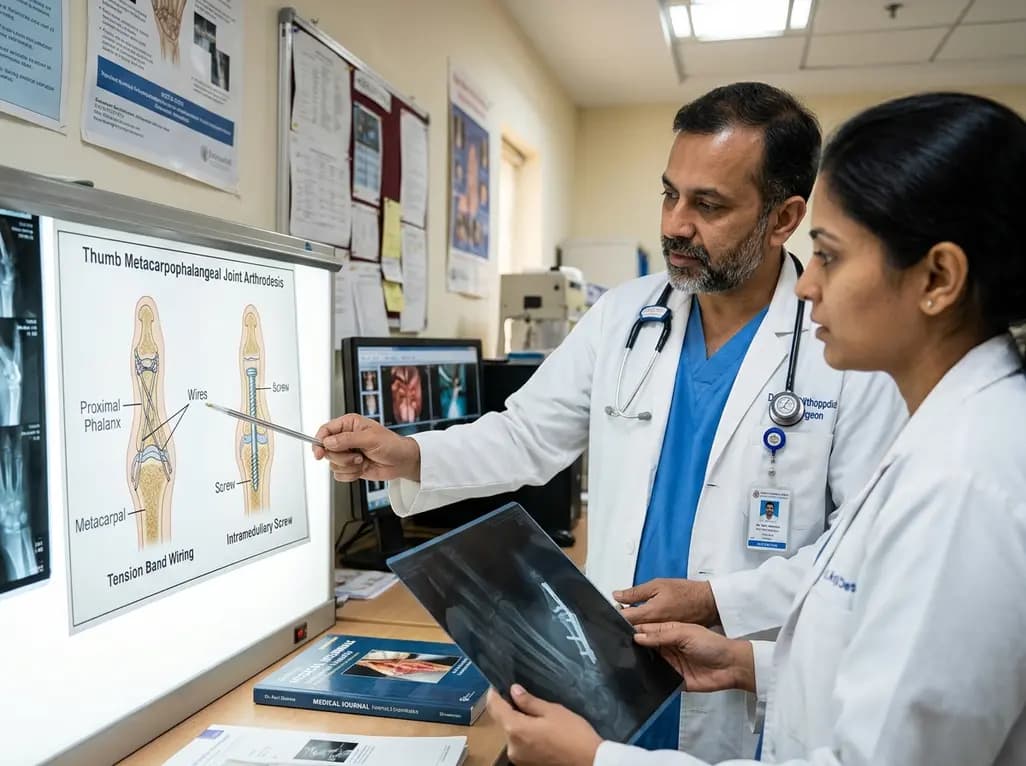
A comparative review of tension band wiring and intramedullary screw fixation in thumb metacarpophalangeal arthrodesis, evaluating union rates, hardware complications, and clinical outcomes.
Yesterday
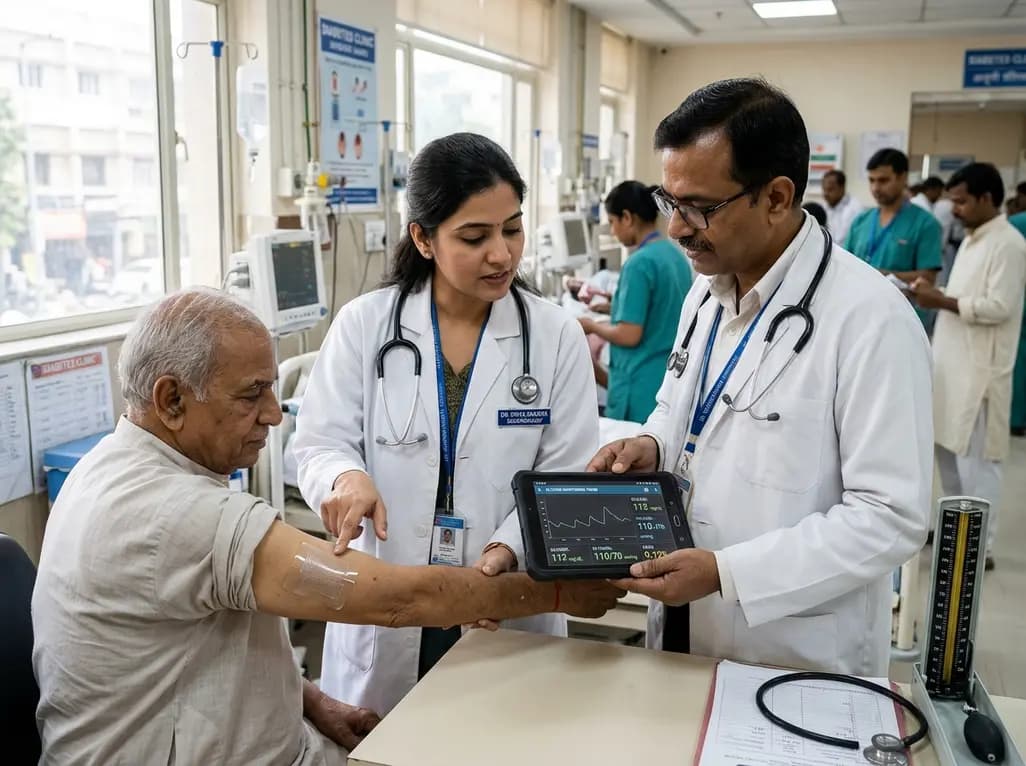
A breakthrough ultrathin multimodal sensor decouples physical hemodynamic monitoring from disposable electrochemical calibration, achieving long-term wearable glucose prediction with 81.36% accuracy and a 9.12% MARD. This offers a robust, drift-free solution for outpatient metabolic surveillance.
Yesterday
