.webp&w=384&q=75)

Loading, please wait...
Loading, please wait...
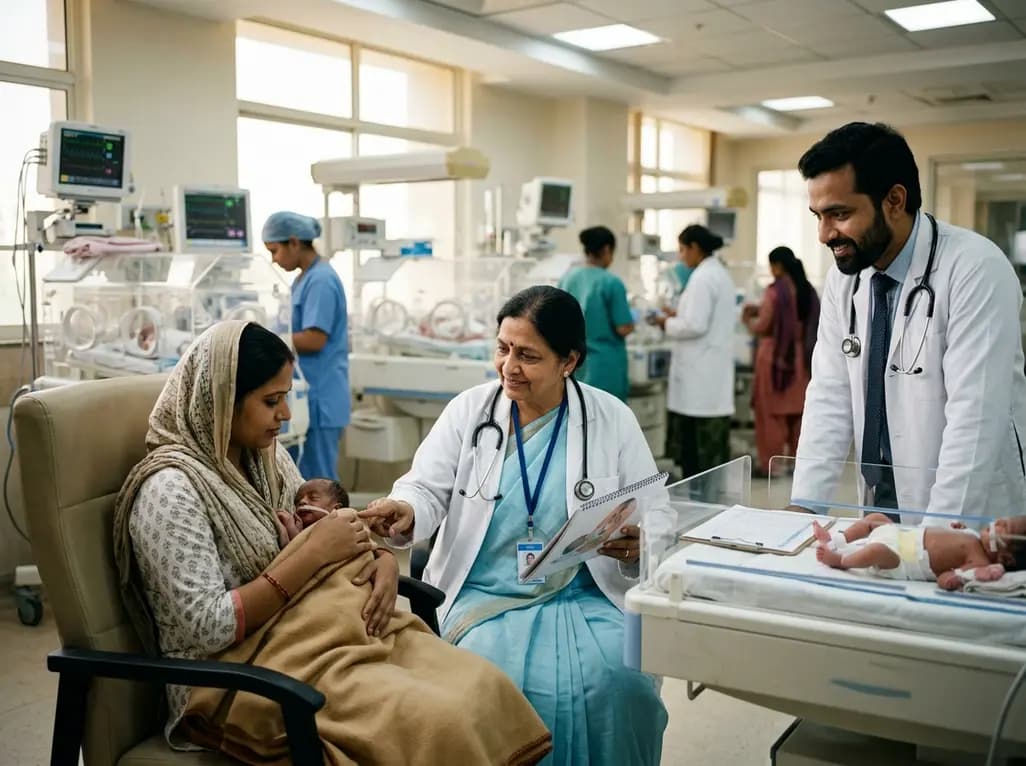
Human milk provides unmatched nutritional, immunological, and developmental benefits for fragile neonates undergoing cardiac surgery. However, providing maternal milk remains challenging in critical congenital heart disease because complex anatomy and surgical interventions often delay enteral feeding. Consequently, dedicated lactation support in PCICU environments represents an essential clinical intervention rather than a secondary nursing luxury. A recent multicentre study from the Pediatric Cardiac Intensive Care Society evaluated institutional practices across 34 centres. Furthermore, researchers examined data from 832 cardiac patients across 24 units to determine how structured support affects maternal milk provision and direct breastfeeding. Their findings provide actionable guidance for multidisciplinary teams caring for infants with congenital heart defects. Therefore, understanding institutional facilitators can help clinicians bridge the nutrition gap in intensive care.
Infants born with congenital heart disease face elevated risks of systemic inflammation, necrotising enterocolitis, and poor somatic growth. Therefore, maternal human milk serves as a vital biological therapy rather than simple sustenance. Bioactive factors such as secretory immunoglobulin A, lactoferrin, and oligosaccharides protect the vulnerable intestinal mucosa against mesenteric ischaemia. Moreover, human milk accelerates gastrointestinal maturation and enhances feed tolerance during the perioperative period.
In addition, clinical studies reveal that infants fed maternal milk experience fewer postoperative bloodstream infections and shorter ventilatory dependence. Direct feeding also supports neurodevelopment, which is particularly critical after cardiopulmonary bypass. Despite these well-established clinical advantages, infants with congenital heart defects demonstrate significantly lower rates of human milk consumption. Many centres traditionally withhold early feeds due to concerns regarding low cardiac output states. Consequently, clinicians must actively prioritise early pumping education and maternal support to preserve supply until the infant achieves hemodynamic stability.
Institutional support structures vary substantially across tertiary cardiac intensive care units. In the multicentre cohort survey, researchers assessed 22 distinct lactation-supportive practices across participating hospitals. Overall, the implementation rate varied widely among units, displaying a median of 10 practices and a range of 2 to 20. Notably, smaller pediatric cardiac centres reported significantly fewer supportive measures than larger centres.
Universal practices were present in several operational areas. For example, all responding units reported access to in-room hospital-grade breast pumps. Additionally, 91% maintained dedicated enteral feeding protocols, and 79% provided staff lactation training. However, critical gaps persisted across evidence-based interventions. Specifically, structured skin-to-skin kangaroo care protocols existed in only 41% of surveyed units. Similarly, only 44% of hospitals utilised automatic electronic lactation consultation orders. Because maternal separation occurs immediately after birth, these omissions disrupt early endocrine triggers essential for secretory activation. Thus, equipment availability alone does not guarantee proactive clinical execution.
Curiously, the sheer quantity of implemented lactation initiatives did not directly correlate with improved feeding rates. Linear regression analysis indicated that the gross number of institutional practices failed to predict higher human milk percentages during the neonatal period. Instead, the specific quality and institutional formalisation of practices dictated clinical success.
Hospitals that executed formalised, evidence-based practices achieved markedly superior clinical endpoints compared to centres with low implementation. In particular, high-implementation sites demonstrated an 11.7% higher volume of maternal milk feeding at hospital discharge. Furthermore, these proactive units recorded an 8.2% higher rate of direct breastfeeding at discharge. These high-performing units differentiated themselves through structured institutional standardisation. Specifically, they formalised three vital components: comprehensive developmental care protocols, robust family education initiatives, and dedicated guidelines endorsing human milk as the primary nutrition source. Consequently, structured operational pathways yield measurable benefits where informal encouragement fails.
Transitioning from gavage or bottle feeding to direct breastfeeding presents formidable obstacles in cardiac intensive care. Clinicians frequently worry about excessive energetic expenditure, oxygen desaturation, and subclinical aspiration during direct chest feeding. However, emerging physiological evidence suggests that coordinated breastfeeding often causes less cardiopulmonary stress than rigid bottle feeding when managed properly.
Furthermore, prolonged endotracheal intubation and oral aversions compromise normal suck-swallow-breath coordination. Therefore, multidisciplinary cardiac teams must collaborate closely with certified lactation consultants and pediatric speech therapists. Early non-nutritive sucking at the pumped breast familiarises the infant with maternal cues while preventing sensory defensiveness. Additionally, frequent skin-to-skin contact stabilises autonomic function, reduces maternal cortisol levels, and stimulates oxytocin release. When teams introduce direct feeds progressively under continuous cardiorespiratory monitoring, most infants can safely nurse before discharge. As a result, multidisciplinary coordination transforms perceived physiological barriers into achievable developmental milestones.
To replicate the successes documented in the recent multicentre survey, pediatric cardiac services must systematise their approach to neonatal nutrition. First, centres should institute automatic electronic lactation consultations immediately upon patient admission. This automated reflex ensures that lactating parents initiate breast expression within six hours of delivery, avoiding unnecessary lactation failure. Moreover, bedside nurses should receive advanced training to assist parents with hand expression and milk storage procedures.
Second, pediatric cardiology units should establish clear feeding advancement pathways that explicitly designate human milk as first-line therapy. In instances where maternal milk remains insufficient, institutional donor milk programs offer a reliable interim solution. Third, cardiac units must integrate developmental care specialists into daily clinical rounds. These specialists help bedside providers assess feeding readiness using objective physiological criteria rather than arbitrary post-surgical timelines. Ultimately, standardising these clinical pathways creates a culture of safety that empowers parents and improves long-term cardiac outcomes.
Human milk provides essential immunoprotective factors, such as maternal immunoglobulins and lysozyme, which shield fragile neonates against serious infections like necrotising enterocolitis. Furthermore, human milk reduces postoperative gut inflammation, improves enteral feeding tolerance, and shortens critical intensive care stays. In addition, long-chain polyunsaturated fatty acids found in breast milk support optimal neurodevelopment during cardiopulmonary bypass recovery. Therefore, clinicians regard maternal milk as an indispensable clinical therapy for vulnerable cardiac neonates.
Cardiac intensive care units frequently encounter significant operational and physiological barriers that hinder breastfeeding. Immediate maternal-infant separation, postoperative intubation, and continuous hemodynamic instability often delay initial enteral feeding. In addition, many clinical teams exhibit unjustified anxiety regarding infant caloric expenditure during direct nursing. Furthermore, institutional deficiencies, including absent skin-to-skin protocols and the lack of automatic lactation consultation orders, exacerbate lactation failure. Addressing these systemic obstacles requires formal unit policies and coordinated multidisciplinary education.
Recent multicentre registry data confirm that high-impact formalised clinical practices produce the most significant improvements in discharge feeding outcomes. Units that standardise formal developmental care protocols, structured parent education, and written nutrition guidelines achieve an 11.7% higher maternal milk volume at discharge. Moreover, direct breastfeeding rates increase by 8.2% in these supportive institutions. In contrast, simply stocking breast pumps without instituting multidisciplinary workflows fails to improve long-term lactation success.
Disclaimer: This content is for informational and educational purposes only... Refer to the latest local and national guidelines for clinical practice.
References

Read summarized clinical updates, watch expert medical content, and earn CME certifications right from your smartphone.
Open your smartphone camera to scan and install.





A multicentre study in pediatric cardiac ICUs reveals that formalising lactation support—including developmental care protocols, family education, and feeding guidelines—significantly increases human milk volume and discharge breastfeeding rates for infants with congenital heart disease.
Today
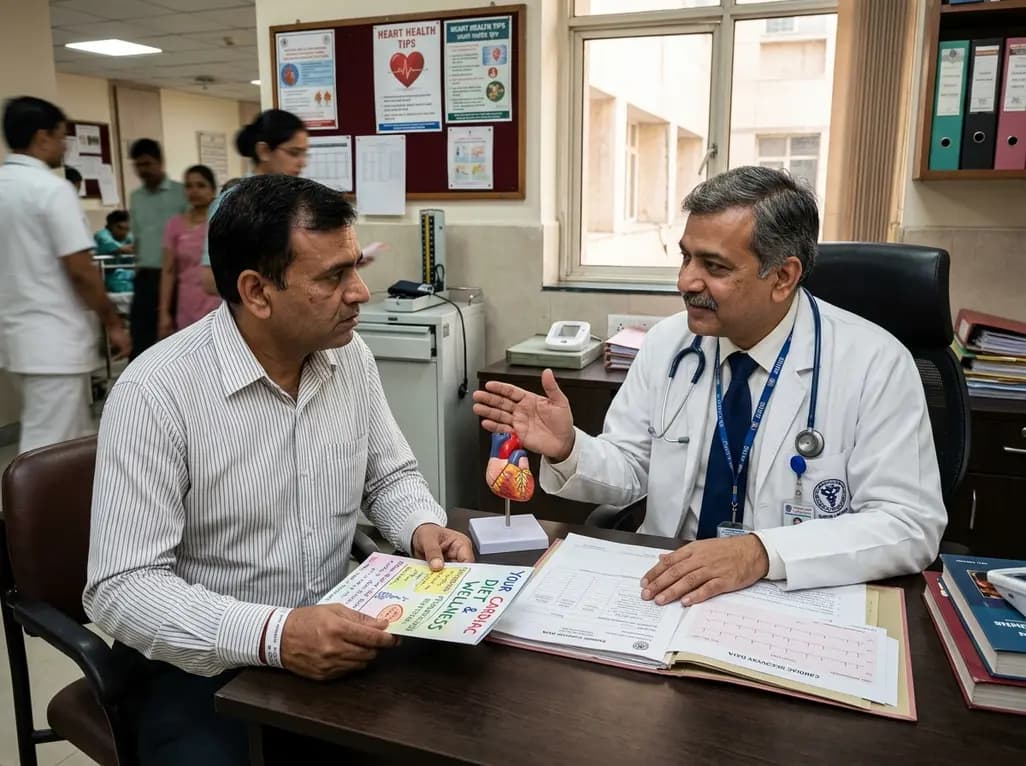
Cardiologists from premier institutes warn that viral diet trends like keto and intermittent fasting jeopardize cardiac recovery. Unsupervised dietary restriction can trigger electrolyte shifts, disrupt cardiovascular medications, and sabotage rehabilitation, necessitating personalized, physician-led nutrition.
Today
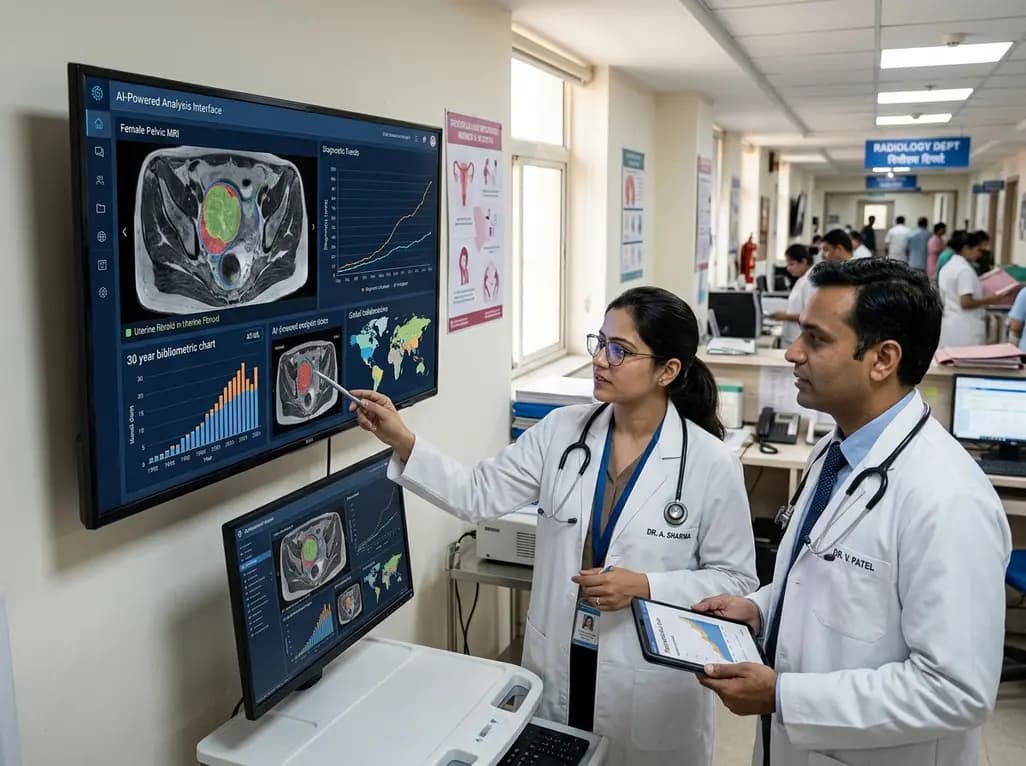
A 30-year bibliometric analysis highlights key research trends in AI in women's health from 1992 to 2024. Discover how evolving computational models, global institutional collaborations, and clinical decision support tools are shaping maternal, oncological, and reproductive care worldwide.
Today
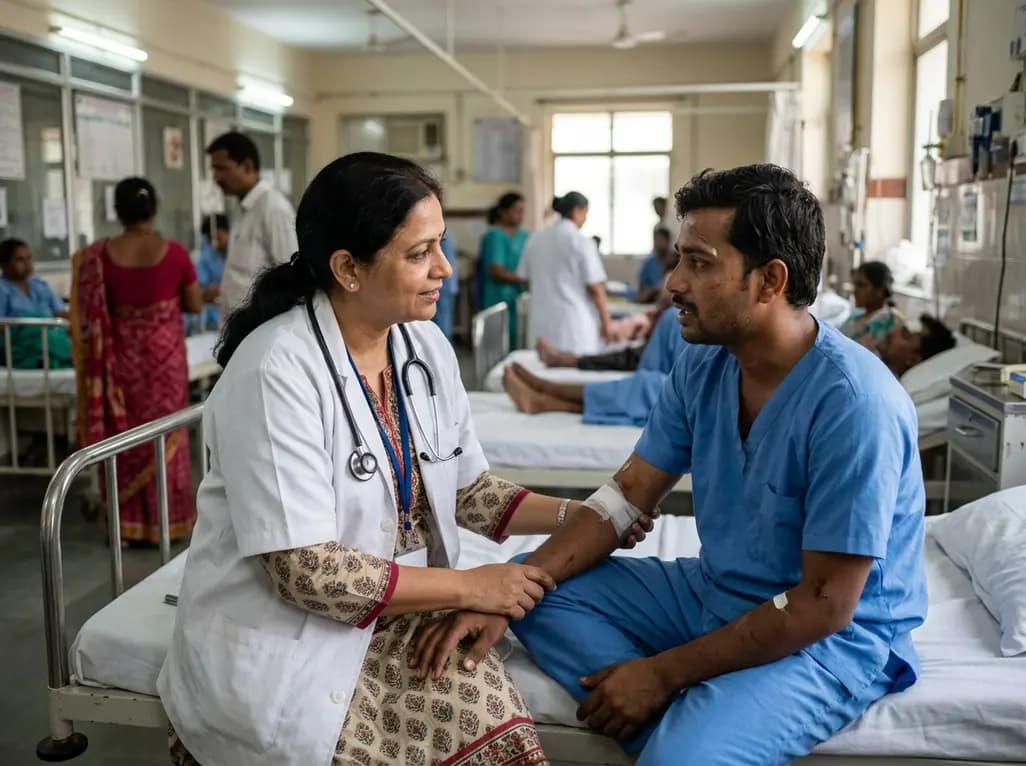
A Level I trauma center study shows a brief bedside mental health intervention boosts 30-day follow-up screening adherence by 84% in nonviolent injury patients. However, outcomes for violence survivors reveal critical care gaps, underscoring the urgent need for specialized community violence intervention programs.
Today
Recent data from Karnataka reveals a threefold surge in genitourinary and renal deaths over ten years. Driven by uncontrolled diabetes, hypertension, and emerging lifestyle hazards, this epidemiological shift highlights an urgent need for proactive screening and multidisciplinary nephrology management in primary care.
Today
