.webp&w=384&q=75)

Loading, please wait...
Loading, please wait...
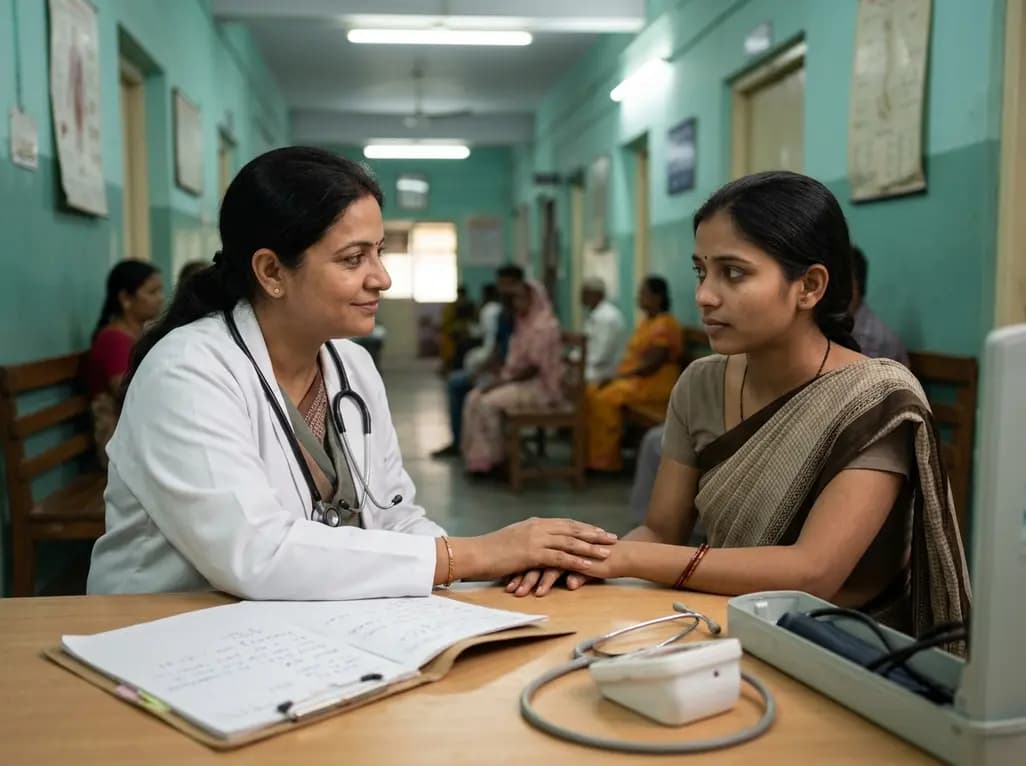
Primary health services serve as a critical entry point for support. Improving violence against women healthcare requires a shift toward survivor-centric models. A recent qualitative systematic review highlights that women often view health facilities as safe spaces for initial disclosure. However, their experiences are frequently shaped by the quality of the onboard procedure and the empathy of the staff. When healthcare providers offer welcoming and non-judgmental care, it significantly aids the survivor's recovery journey.
Despite the potential for support, many survivors report significant hurdles. These include a lack of professional training among multidisciplinary teams. Furthermore, poor coordination between medical, legal, and social services can lead to fragmented care. Consequently, women may experience what is known as institutional violence. This occurs when health systems inadvertently reinforce gender inequalities or treat survivors with indifference. Such experiences can worsen mental health outcomes and discourage women from seeking further help.
In the Indian context, the National Family Health Survey (NFHS-5) suggests that few survivors seek formal help. Therefore, the performance of primary health teams is vital. Adequate physical infrastructure and the presence of strong support networks are essential influential factors. Additionally, awareness of women's rights among staff can transform the clinical environment. By focusing on human resources and continuous training, health systems can better address the global scourge of violence.
Coordination among various sectors remains a primary challenge for many health systems. Effective violence against women healthcare relies on seamless referrals between doctors, psychologists, and legal aid. When these services work in isolation, the survivor bears the burden of navigating a complex system. Ultimately, healthcare must evolve into an empathetic, welcoming environment that prioritizes the dignity of the individual.
Institutional violence refers to the secondary trauma caused by a health system's failure to provide sensitive care. This includes victim-blaming, lack of privacy, or dismissive attitudes from medical staff.
Providers can improve care by undergoing specialized training in trauma-informed care. Empathy, active listening, and ensuring a safe, confidential environment are the most valued aspects of care for survivors.
Violence against women is a complex issue requiring medical, psychological, and social intervention. Coordination ensures that survivors receive holistic support without having to repeat their trauma to multiple different agencies.
Disclaimer: This content is for informational and educational purposes only and does not constitute medical or legal advice. Always seek the advice of a qualified healthcare provider regarding a medical condition. Refer to the latest local and national guidelines for clinical practice.
References
Guedes-Santana B et al. Violence against women and survivors' experiences in Brazilian health services: a qualitative systematic review. Public Health. 2026 Jun 01. doi: undefined. PMID: 42224798.
World Health Organization. Strengthening the health system response to violence against women in Maharashtra, India. 2021.
ICRW. Role of the Health Sector in Addressing Intimate Partner Violence in India. 2023.

Read summarized clinical updates, watch expert medical content, and earn CME certifications right from your smartphone.
Open your smartphone camera to scan and install.





A qualitative review explores survivors' experiences with health services for violence against women, highlighting the need for empathy and better training....
4 months ago

Following regulatory scrutiny from FSSAI regarding promotional representations and lean muscle preservation claims, Dr. Reddy's Laboratories and Nestlé Health Science are currently reviewing the branding and marketing strategy for their joint nutritional supplement Celevida GLP+.
Today
A comprehensive scoping review synthesises evidence linking prenatal maternal mental health to long-term offspring neurodevelopment, evaluating neuroendocrine, inflammatory, and epigenetic pathways while highlighting clinical screening and future research priorities.
Today

The Directorate General of Health Services directs Indian states to halt the hazardous reuse and reprocessing of single-use medical devices. Discover regulatory implications under the Drugs and Cosmetics Act, critical infection risks, legal liabilities, and operational changes required across clinical specialties.
Today
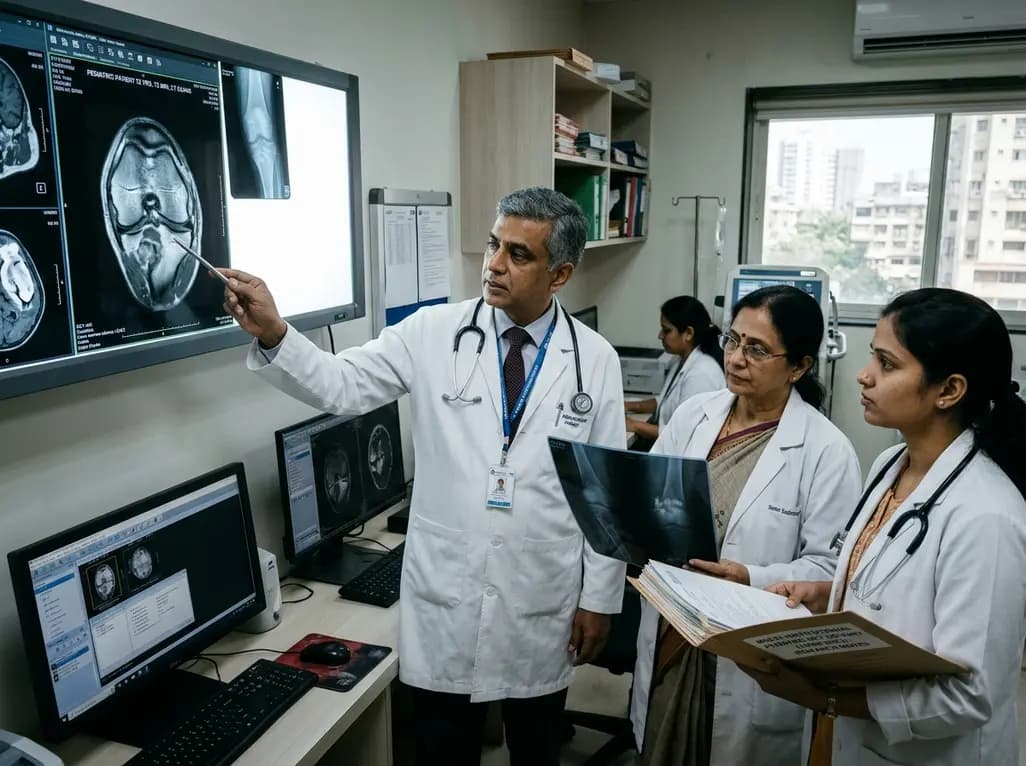
A 25-year multi-institutional cohort reveals high recurrence rates in pediatric giant cell tumor of bone, particularly in patients with open physes and bone marrow edema on preoperative MRI. Early surveillance and careful balance between growth plate preservation and tumor clearance are essential.
Today

India is advancing preventive healthcare by integrating genomics, artificial intelligence, and quantum technologies. With the SANGAM programme sequencing one million Indian genomes, clinicians can unlock personalized therapies, detect cardiometabolic risks early, and curb the burden of diabetes and heart disease.
Today
