.webp&w=384&q=75)

Loading, please wait...
Loading, please wait...

Recent surveillance updates from the United States highlight a sharp resurgence in viral transmission that demands vigilance. Public health authorities confirmed that a widespread measles outbreak has caused more than four thousand cases nationwide. In addition, international travel continues to facilitate the introduction of the virus across borders. Consequently, healthcare providers worldwide must review clinical presentation patterns and maintain high clinical suspicion during patient evaluations. Early diagnostic recognition remains the best defense against catastrophic hospital-acquired exposure. Furthermore, understanding current epidemiologic trends empowers medical teams to address immunization hesitancy proactively before secondary clusters develop.
The United States Centers for Disease Control and Prevention recently reported 4,080 confirmed measles cases across multiple jurisdictions. Moreover, weekly reports revealed an increase of nearly two hundred new cases within seven days. Health agencies noted that international travelers accounted for twenty-six distinct cases during this surveillance period. Furthermore, demographic data demonstrate that school-aged children and adolescents represent forty-two percent of all infections. However, young adults also constitute forty percent of diagnosed patients, revealing unexpected susceptibility among older cohorts. Hospitalization rates reached ten percent, requiring acute inpatient medical care for over four hundred individuals. In addition, localized surges have placed significant operational strain on urban medical centers. For example, Pennsylvania health officials documented more than one thousand cases alongside multiple related fatalities. Similarly, New York declared a disaster emergency after observing rapid viral spread across susceptible regional communities. Consequently, public health leaders emphasize that declining population immunity creates fertile ground for sustained viral propagation. Notably, measles remains one of the most contagious human pathogens known to modern medicine. Therefore, clinicians must recognize that imported viral strains can quickly trigger extensive local transmission chains when local coverage slips. Thus, health systems require prompt reporting mechanisms to prevent secondary institutional outbreaks.
The measles virus belongs to the Paramyxoviridae family and possesses remarkable infectious capability. Specifically, the pathogen spreads through microscopic respiratory droplets suspended in the surrounding air. In fact, viral particles remain actively infectious in enclosed spaces for two hours after an infected host leaves. Therefore, casual exposure in waiting rooms or transport hubs frequently results in secondary transmission among susceptible persons. The basic reproduction number often exceeds twelve to eighteen secondary cases per primary infected patient. Consequently, herd immunity thresholds require sustained population immunization rates of ninety-five percent or higher. After inhalation, the virus infects alveolar macrophages and dendritic cells within the respiratory tract. Subsequently, infected lymphocytes transport the virus to regional lymph nodes, initiating widespread systemic dissemination. Viremia spreads the pathogen to epithelial tissues, endothelial cells, and mucosal membranes throughout the human body. Furthermore, measles causes profound temporary immunosuppression by infecting memory T lymphocytes and B cells. Clinicians often refer to this prolonged post-infection immunological deficit as immune amnesia. As a result, recovering patients face heightened vulnerability to secondary bacterial pneumonia and enteric infections for several months. Accordingly, timely isolation protocols remain essential in preventing healthcare-associated viral amplification. Moreover, understanding these aerodynamic properties helps facilities implement effective negative pressure airborne isolation.
Physicians must distinguish classic measles symptoms from common pediatric exanthems during routine evaluations. Initially, patients enter a prodromal phase characterized by high fever, malaise, cough, coryza, and prominent conjunctivitis. Photophobia often accompanies ocular inflammation, creating considerable patient discomfort. Additionally, clinicians may detect Koplik spots on the buccal mucosa two days before the cutaneous rash appears. These pathognomonic lesions resemble tiny white grains of sand surrounded by erythematous halos. Subsequently, a maculopapular rash emerges along the hairline and retroauricular areas before spreading downward over the trunk and extremities. Notably, the rash tends to become confluent on the face and upper trunk before fading with brownish desquamation. However, atypical presentations frequently occur in immunocompromised hosts and malnourished children. For instance, modified measles presents with milder symptoms in individuals who retain waning vaccine-induced antibody titers. Therefore, doctors must consider measles in adult patients presenting with unexplained morbilliform eruptions. Differential diagnoses include rubella, roseola infantum, parvovirus B19, scarlet fever, dengue fever, and adverse drug eruptions. In addition, ruling out severe viral hemorrhagic fevers remains critical in international travelers. Consequently, accurate clinical staging allows prompt triage and prevents dangerous diagnostic delays in busy outpatient clinics. Thus, comprehensive physical examination of mucosal surfaces aids in rapid bedside discrimination.
Definitive confirmation of measles requires coordinated clinical sampling and specific laboratory testing. First, clinicians should collect throat or nasopharyngeal swabs for reverse transcription polymerase chain reaction analysis. Molecular testing demonstrates superior sensitivity when technicians obtain samples within three days of rash onset. In addition, serum samples collected during the acute phase allow measurement of measles-specific IgM antibodies. However, negative IgM serology collected within seventy-two hours of rash emergence cannot completely exclude infection. Therefore, clinicians must collect a convalescent serum specimen two weeks later to demonstrate rising IgG titers. Because no specific antiviral therapy exists, medical care centers on supportive interventions and close clinical monitoring. Healthcare teams prioritize aggressive oral rehydration, antipyretic administration, and oxygen supplementation for patients with respiratory distress. Furthermore, the World Health Organization recommends administering oral vitamin A to all diagnosed pediatric patients. Two consecutive daily doses of vitamin A significantly reduce blindness and measles-associated mortality rates. In contrast, clinicians should reserve antibiotics strictly for confirmed secondary bacterial complications like otitis media or pneumonia. Consequently, disciplined supportive therapy protects organ function while the host immune system clears the viral infection. Moreover, hospital infection control committees must enforce strict contact tracing around every confirmed inpatient case.
Widespread immunization remains the sole definitive strategy for eliminating measles transmission across human populations. The live attenuated measles-mumps-rubella vaccine delivers exceptional and durable protection against clinical infection. Specifically, a single dose produces approximately ninety-three percent efficacy, whereas two completed doses achieve ninety-seven percent effectiveness. In addition, immunization programs must achieve ninety-five percent community coverage to sustain robust herd immunity. However, recent vaccine hesitancy and operational disruptions have created expanding immunity pockets among children and young adults. For this reason, pediatricians and family physicians must routinely audit patient immunization records during every clinical encounter. Clinicians should administer catch-up doses promptly to unimmunized children and high-risk international travelers. Furthermore, post-exposure prophylaxis offers valuable protection when administered shortly after suspected virus contact. Healthcare teams should administer the MMR vaccine to susceptible contacts within seventy-two hours of exposure. Alternatively, clinicians should provide intramuscular immunoglobulin to pregnant women, infants, and immunocompromised individuals within six days of contact. Consequently, aggressive proactive vaccination campaigns protect fragile populations and prevent dangerous resurgence events. Ultimately, restoring public trust in safe immunization practices represents our most urgent public health priority. Moreover, public health authorities must collaborate closely with primary care providers to eliminate local supply bottlenecks. Thus, sustained educational outreach counteracts viral misinformation and safeguards national elimination achievements.
Q1: What are the primary diagnostic indicators of acute measles?
Clinicians identify acute measles through characteristic clinical findings and laboratory confirmation. Patients typically exhibit high fever alongside the classic triad of cough, coryza, and conjunctivitis. In addition, white Koplik spots on buccal mucosa provide pathognomonic evidence before the morbilliform rash emerges. Subsequently, physicians confirm the diagnosis using reverse transcription polymerase chain reaction on throat swabs or serum IgM antibody detection during the acute symptomatic period.
Q2: Why are older populations experiencing measles infections in recent outbreaks?
Older demographics experience measles infections primarily due to waning vaccine-derived immunity and historical gaps in childhood vaccination coverage. Furthermore, declining community herd immunity allows wild virus strains to circulate freely, exposing susceptible individuals in university campuses and workplaces. In addition, individuals who received only one childhood vaccine dose possess lower protective antibody titers compared with fully vaccinated peers. Consequently, under-vaccinated adults face substantial infection risks when encountering contagious individuals during outbreaks.
Q3: What post-exposure prophylaxis options exist after measles virus exposure?
Healthcare providers have two main options for post-exposure prophylaxis depending on timing and patient vulnerability. Specifically, clinicians administer the live measles-mumps-rubella vaccine to immunocompetent individuals within seventy-two hours of initial viral exposure. Alternatively, doctors provide passive immunization using human intramuscular immunoglobulin within six days of exposure. This immunoglobulin intervention is essential for vulnerable groups, including infants under twelve months, pregnant women lacking immunity, and severely immunocompromised patients facing life-threatening complications.
Disclaimer: This content is for informational and educational purposes only. It does not constitute medical advice or replace professional judgment. Refer to the latest local and national guidelines for clinical practice.
References

Read summarized clinical updates, watch expert medical content, and earn CME certifications right from your smartphone.
Open your smartphone camera to scan and install.





CDC surveillance reveals US measles infections have topped 4,080 cases with notable hospitalization rates. This resurgence highlights critical diagnostic features, dangerous pediatric complications, and the urgent necessity of maintaining high immunization coverage to avert widespread viral transmission.
Today

Sedentary habits such as continuous gaming, binge-watching, and desk work significantly elevate venous thromboembolism risks among adolescents and young adults. Vascular surgeons emphasize that immobility impairs the calf muscle pump, creating venous stasis and warranting proactive lifestyle counseling.
Today
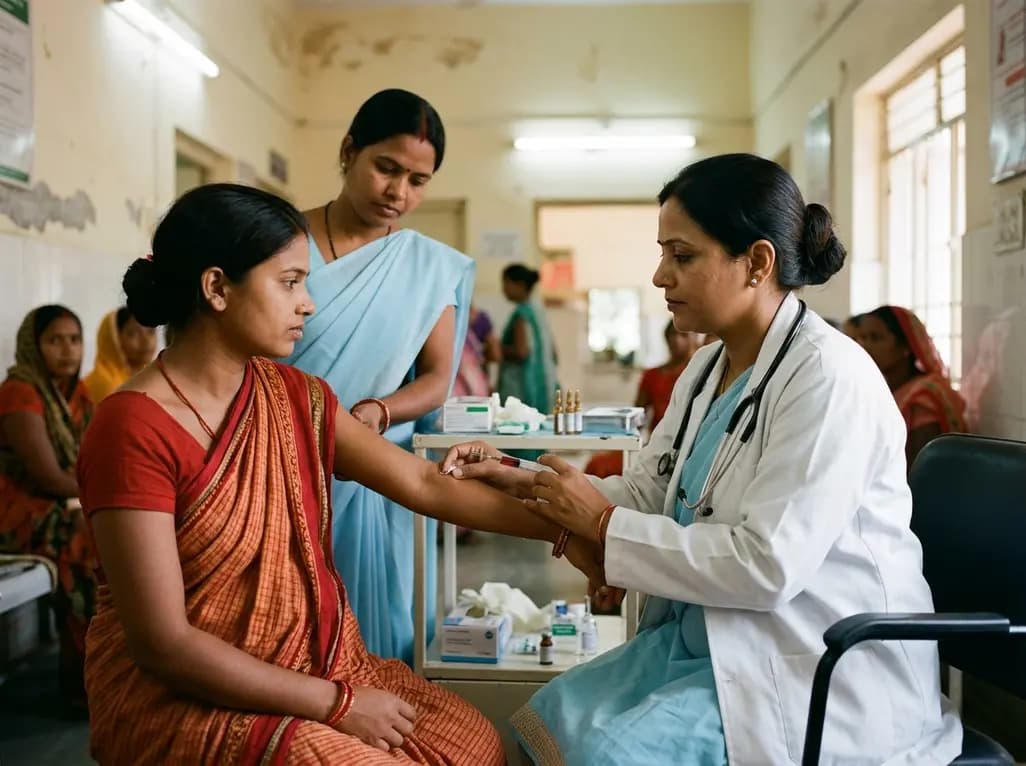
Maternal anaemia contributes to nearly half of pregnancy-related fatalities across India. To prevent complications, Uttar Pradesh has added single-dose parenteral iron to its essential medicines list. This clinical transition aims to restore haemoglobin rapidly and protect high-risk mothers across rural facilities.
Today
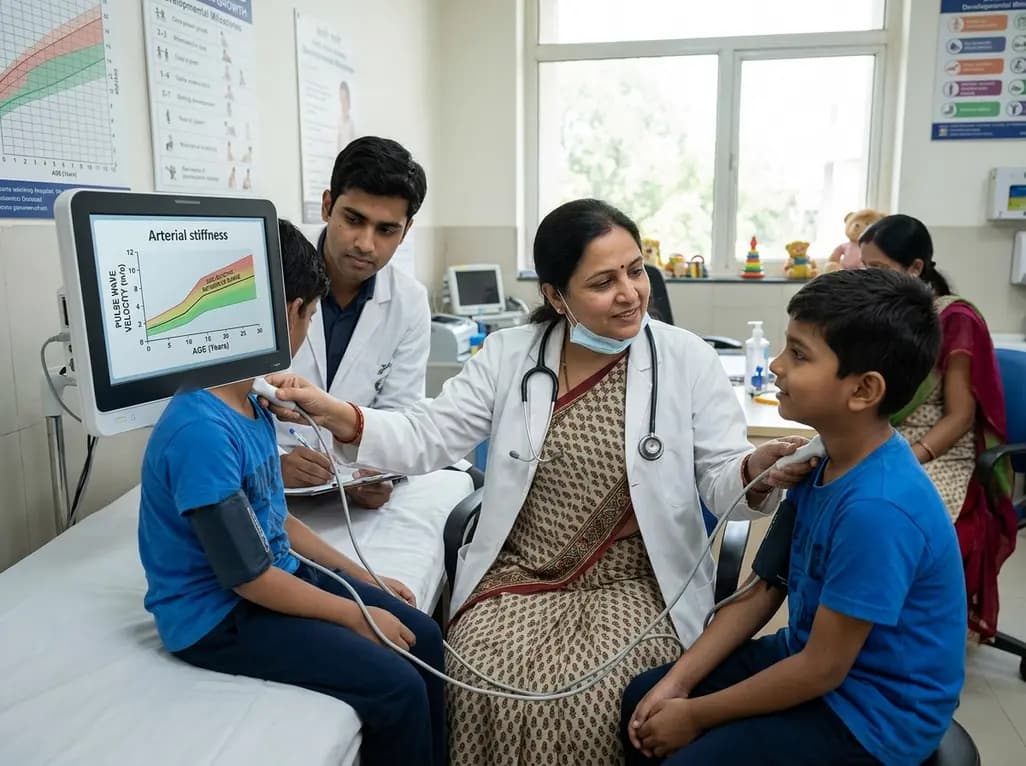
A landmark systematic review and meta-analysis establishes age-specific normative reference values for pediatric pulse wave velocity, revealing a nonlinear trajectory of arterial stiffness from early childhood through adolescence.
Today
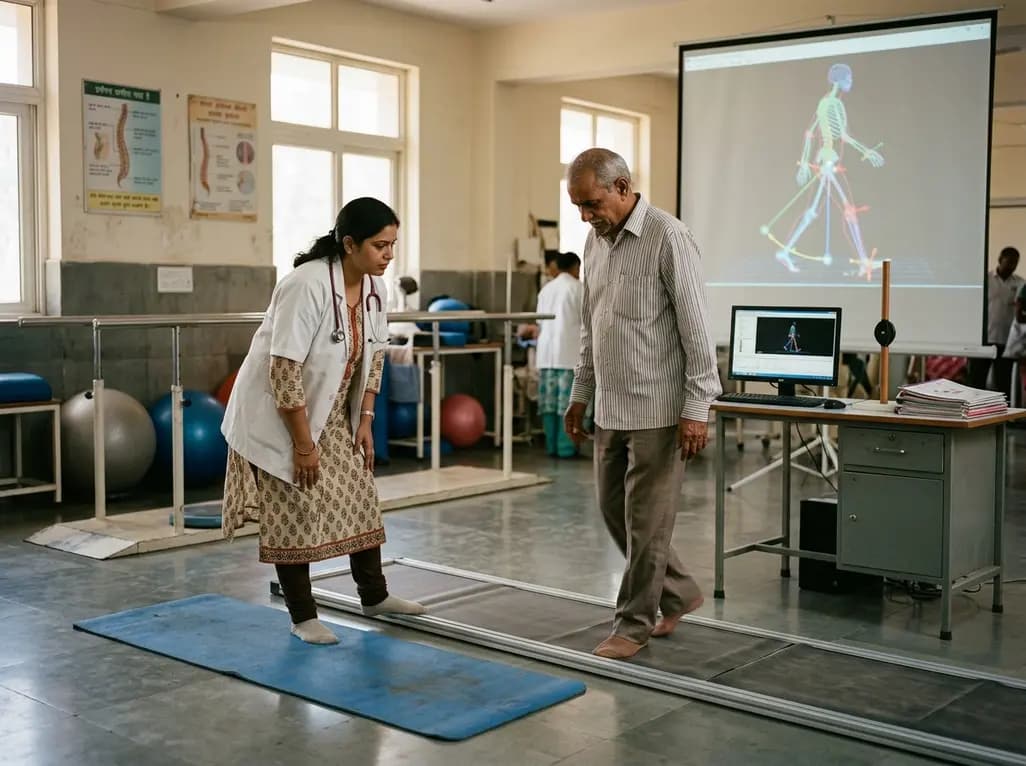
New biomechanical research reveals how postural stabilization mechanisms coordinate delayed sensory feedback and ground reaction forces to preserve pendulum-like center of mass motion across standing and walking, providing vital insights for balance rehabilitation and fall prevention.
Today

A landmark cross-sectional study in Asian adults with type 2 diabetes identifies novel urinary metabolites linked to mild cognitive impairment. Elevated urinary sucrose and altered metabolites highlight non-invasive pathways for early cognitive risk stratification and targeted metabolic management.
Today
