

Loading, please wait...
Loading, please wait...
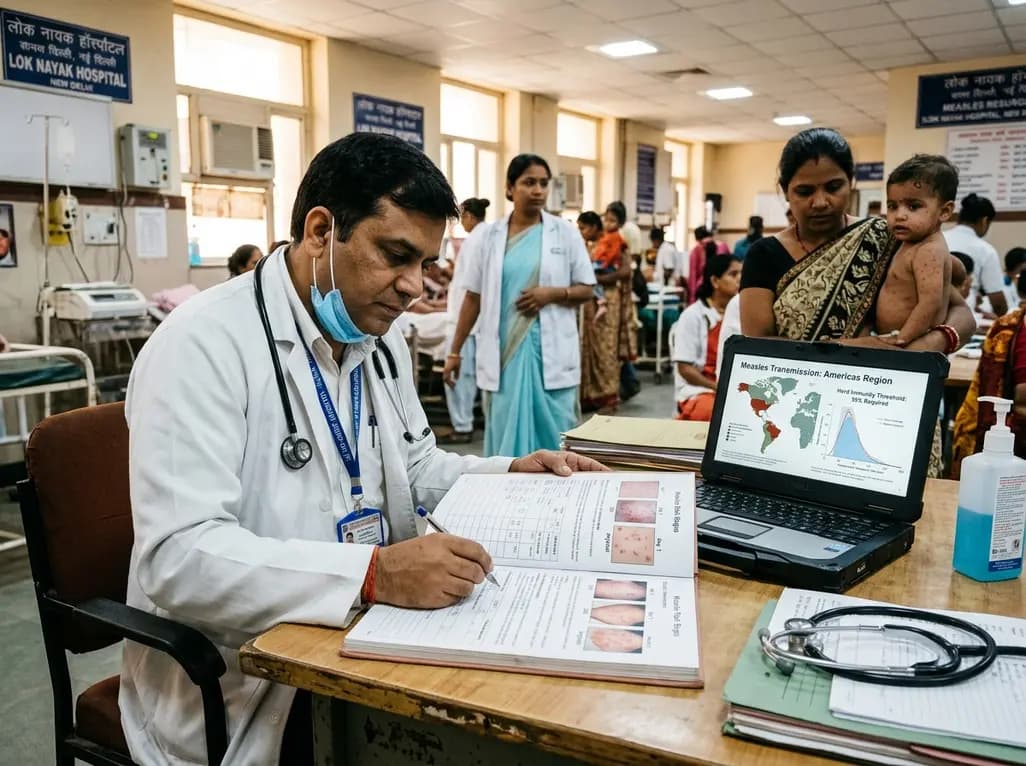
International public health agencies recently confirmed that the United States has officially lost its measles elimination status. Continuous viral spread exceeding twelve months re-established endemic circulation after twenty-six years of verified elimination. In addition, Bolivia and Mexico also lost their elimination classifications during the same surveillance period. Consequently, clinicians worldwide must reassess baseline population vulnerabilities, identify clinical warning signs early, and prepare for unexpected infectious clusters.
Under international surveillance criteria established by the World Health Organization, a nation maintains verified elimination only when it interrupts continuous transmission. Specifically, health authorities revoke this designation if the exact same viral lineage circulates domestically for twelve consecutive months or longer. Therefore, losing this status does not merely reflect a transient spike in travel-related introductions. Instead, it signifies that secondary and tertiary transmission chains persisted unchecked across vulnerable communities. Historically, the United States achieved verified elimination in 2000 through remarkably robust coverage with the two-dose MMR vaccine. However, recent surveillance data revealed over five thousand confirmed infections and multiple tragic deaths within a single year. Furthermore, molecular epidemiological tracing confirmed sustained genomic lineages circulating continuously across multiple state jurisdictions. Public health teams could no longer link every localized flare-up to an international travel origin. Consequently, independent verification commissions concluded that endemic viral transmission had returned. In response, federal authorities announced emergency funding allocations to reinforce local laboratory diagnostics and field epidemiology. This formal reclassification highlights critical vulnerabilities in existing outpatient surveillance, contact tracing, and school entry compliance checks.
Measles is arguably one of the most communicable airborne pathogens known to medical science. In fact, a single index case can infect up to eighteen susceptible individuals in an unprotected setting. Because of this extreme contagiousness, communities require at least ninety-five percent two-dose vaccine coverage for herd protection. Unfortunately, national kindergarten vaccination figures recently dropped below ninety-three percent, creating widespread coverage gaps. Moreover, persistent vaccine hesitancy has significantly undermined routine immunization programs over recent years. Misinformation regarding vaccine safety has gained traction across digital platforms without supporting empirical evidence. Consequently, clusters of non-medical exemptions have created distinct geographical pockets of zero immunity. When an imported case enters such under-vaccinated enclaves, the pathogen spreads rapidly through classrooms and daycare centers. Therefore, pediatricians must recognize that national aggregate coverage metrics frequently conceal dangerous local vulnerability. Clinicians must actively listen to parental anxieties, dispel persistent vaccine myths, and strongly advocate for scheduled immunization. Proactive communication during well-child visits remains the cornerstone of restoring community-level protection. Additionally, healthcare facilities must simplify scheduling and expand walk-in vaccination access to minimize missed clinical immunization opportunities.
Because many clinicians trained during the post-elimination era, few have evaluated confirmed measles cases in person. Therefore, maintaining a heightened index of suspicion is essential when evaluating febrile patients with an acute rash. The classical prodrome typically emerges ten to twelve days following exposure. Patients classically present with a high fever, cough, coryza, and prominent bilateral conjunctivitis. Notably, these hallmark manifestations often resemble common viral upper respiratory infections, causing diagnostic delays. Before the cutaneous eruption appears, clinicians should carefully examine the oral mucosa for pathognomonic Koplik spots. Specifically, these lesions present as tiny, bluish-white elevations opposite the lower molars. Subsequently, a characteristic erythematous maculopapular rash erupts along the hairline. The exanthem then spreads centrifugally down the trunk and extremities over three days. Furthermore, atypical presentations can easily manifest in malnourished or partially vaccinated patients. Thus, physicians should immediately isolate suspected patients in airborne infection isolation rooms. Prompt laboratory confirmation requires reverse-transcription polymerase chain reaction assays and IgM serology. Rapid reporting to public health authorities ensures effective contact tracing and timely post-exposure prophylaxis. Clinicians should also collect throat swabs and urine specimens early to facilitate viral genotyping and molecular tracking.
While many individuals perceive measles as a benign childhood illness, the clinical reality is substantially more severe. Indeed, the measles virus transiently obliterates existing immunological memory. This immune amnesia leaves recovering children susceptible to opportunistic bacterial superinfections for months. Common acute complications include severe otitis media, laryngotracheobronchitis, and secondary bacterial pneumonia. Pneumonia remains the primary cause of measles-related pediatric mortality worldwide. In addition, acute post-infectious encephalitis occurs in approximately one in every one thousand cases, causing permanent neurological injury. Consequently, hospitalized pediatric patients require aggressive supportive care and meticulous fluid management. Furthermore, the World Health Organization strongly recommends administering age-appropriate therapeutic high-dose oral vitamin A. Clinicians should administer vitamin A on two consecutive days to all pediatric measles patients. Clinical trials demonstrate that vitamin A supplementation significantly reduces overall morbidity and measles-associated mortality. Similarly, clinicians should remain vigilant for subacute sclerosing panencephalitis, a fatal neurodegenerative condition. Because antiviral therapies remain limited, prompt post-exposure MMR vaccination or immunoglobulin provides vital secondary prevention. Careful monitoring for signs of dehydration, secondary sepsis, and acute respiratory failure is essential throughout the inpatient hospital course. Pediatricians must also ensure prompt isolation to prevent transmission within hospital wards.
The dramatic resurgence of endemic measles underscores that no country is permanently insulated from vaccine-preventable diseases. Therefore, healthcare providers across all clinical settings must strengthen routine primary healthcare delivery. Specifically, practitioners must ensure that children receive two timely doses of measles-containing vaccine. Clinicians should also review the vaccination status of international travelers and immunocompromised household contacts. Furthermore, outpatient clinics and hospitals must establish stringent infection control protocols to prevent nosocomial transmission. Because measles viral particles remain suspended in ambient air for up to two hours, waiting rooms present immense transmission risks. Thus, triage staff must rapidly identify febrile rash patients at entry points and provide immediate surgical masks. Simultaneously, healthcare workers must verify their own personal immunity through documented vaccination or positive IgG titers. Ultimately, reclaiming disease elimination demands unrelenting clinical vigilance, rigorous surveillance, and empathetic, science-based patient education. Moreover, routine audits of clinic immunization records help identify defaulting children before community transmission occurs. Primary care teams should implement automated recall reminders to schedule missed pediatric vaccine doses promptly. When outbreaks occur, clinicians must collaborate closely with regional public health teams to establish emergency vaccination clinics in vulnerable neighborhoods.
Q1: Why did the United States officially lose its measles elimination status?
The Pan American Health Organization revoked the status because continuous measles transmission persisted within the country for over twelve months. This uninterrupted viral circulation violated the strict international benchmarks for sustained elimination. Declining MMR vaccination coverage and substantial regional outbreaks re-established endemic transmission across several state jurisdictions. Consequently, federal health authorities recorded thousands of preventable cases and fatalities among under-vaccinated communities. Reclaiming the eliminated designation now requires years of uninterrupted control.
Q2: What clinical signs distinguish measles from other common childhood viral exanthems?
Measles characteristically presents with a severe prodrome featuring high fever, cough, coryza, and prominent bilateral conjunctivitis. Crucially, clinicians can detect pathognomonic Koplik spots on the buccal mucosa one to two days before the rash appears. The maculopapular rash then begins at the hairline and spreads centrifugally downward. In contrast, common childhood viral rashes rarely display this intense mucosal prodrome or distinctive cephalocaudal progression pattern.
Q3: How should clinicians manage susceptible individuals following acute measles exposure?
Clinicians must act rapidly based on the patient's age and underlying immune status. Susceptible individuals older than six months should receive the MMR vaccine within seventy-two hours of exposure. Alternatively, high-risk contacts, including pregnant women, immunocompromised individuals, and young infants, require intramuscular human normal immunoglobulin within six days. Immediate post-exposure intervention substantially reduces the likelihood of severe illness and halts secondary community transmission chains.
Disclaimer: This content is for informational and educational purposes only. It does not constitute medical advice or replace professional judgment. Refer to the latest local and national guidelines for clinical practice.
References

Read summarized clinical updates, watch expert medical content, and earn CME certifications right from your smartphone.
Open your smartphone camera to scan and install.





Health authorities recently revoked the 26-year-old measles-free certification across the Americas due to persistent viral transmission. This clinical overview outlines the diagnostic nuances of atypical presentations, herd immunity thresholds, and practical pediatric strategies to combat resurgent outbreaks.
Today

A rigorous within-subject study evaluates virtual reality exergaming platforms FitXR and Supernatural against video shadowboxing. Discover key findings on moderate-to-vigorous physical activity, participant enjoyment, and minimal cybersickness to guide modern exercise prescription.
Today
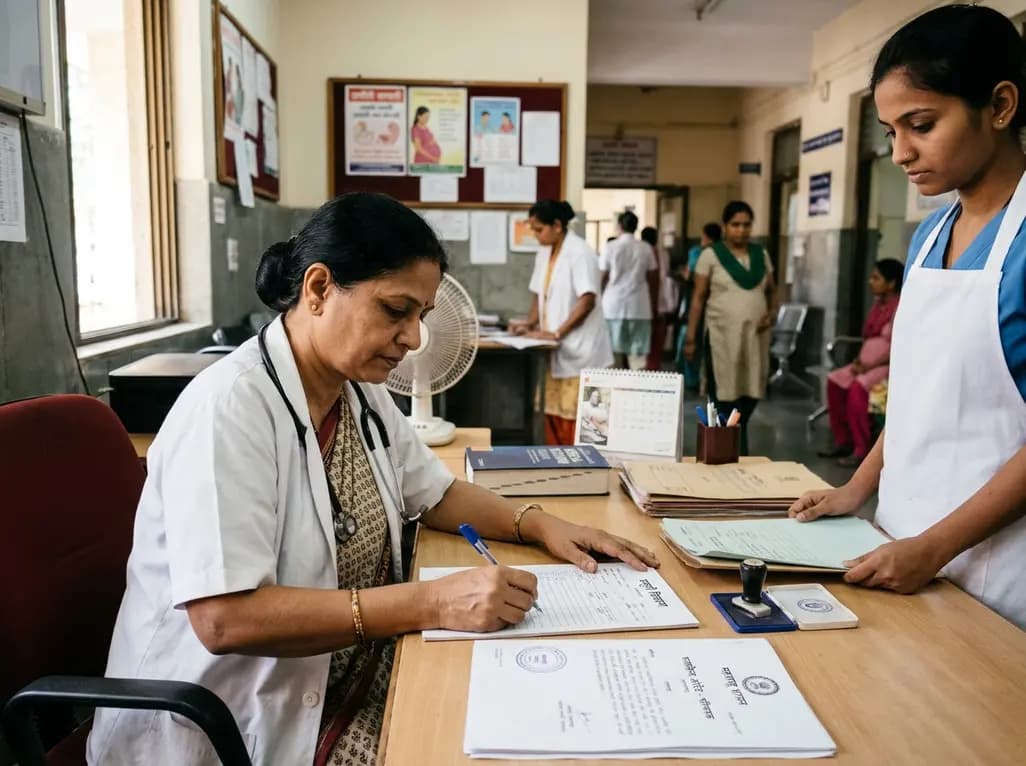
With caesarean rates reaching 59% in private hospitals and 37% in public facilities, the Maharashtra health department has instituted mandatory clinical audits under the LaQshya framework. Clinicians must now document surgical indications immediately to promote maternal safety and curb non-indicated interventions.
Today

A prospective machine learning study demonstrates that an interpretable XGBoost model using 30 photoplethysmography features accurately estimates continuous blood pressure in intensive care units, achieving Grade A British Hypertension Society standards and reducing reliance on invasive arterial catheters.
Today

A 491-patient cohort study in Sudan reveals critical insights into war trauma reconstructive surgery, analyzing injury patterns, soft-tissue procedures, and a 25.5% complication rate in resource-limited conflict zones.
Today
A secondary analysis of the Living Healthier with Diabetes trial reveals that positive baseline technology attitudes significantly improve engagement with digital diabetes self-management apps, leading to enhanced self-care behaviors and better long-term glycemic control in adults with type 2 diabetes.
Today
