.webp&w=384&q=75)

Loading, please wait...
Loading, please wait...

Research suggests that undernutrition and tuberculosis prevention are now critical for improving global health outcomes. Specifically, The Lancet Global Health recently published a comprehensive modelling study on this link. Addressing undernutrition could prevent up to 2.3 million tuberculosis cases worldwide every year. This figure represents 23.7% of all adult infections reported in 2023. Furthermore, India could achieve the most significant reduction in cases by addressing nutritional gaps. Consequently, health officials urge a rapid scale-up of nutritional interventions to meet global targets.
Undernutrition acts as a modifiable, socially determined risk factor for bacterial infections. Researchers define this status as a body mass index (BMI) under 18.5 in adults. Moreover, current WHO estimates may substantially underestimate the importance of nutritional health. Evidence shows that TB risk varies non-linearly with an individual's BMI. Therefore, successful integration of bio-social interventions remains vital in high-burden countries. These nations include Indonesia, the Philippines, and Pakistan alongside India.
In 2023, the RATIONS trial provided compelling evidence for nutritional support in India. Providing monthly food baskets reduced TB incidence by about 40% among household members. These baskets contained adequate proteins and multi-vitamins to support recovery and prevention. Similarly, early weight gain in patients reduced mortality risks by up to 60%. Thus, food support serves as a cost-effective tool for national elimination programmes.
Achieving the End-TB Strategy targets requires an integration of biomedical and social interventions. The WHO aim is to reduce TB deaths by 95% by the year 2035. Additionally, we must focus on reducing new cases by 90% compared to 2015 levels. This progress depends on establishing optimal population-level nutritional interventions. Such strategies offer substantial social and health benefits beyond infectious disease control. However, researchers still need to evaluate long-term economic impacts.
Q1: How does undernutrition influence tuberculosis risk?
Undernutrition weakens the immune system, making individuals more susceptible to bacterial infection. A BMI under 18.5 remains a major driver of the TB epidemic globally.
Q2: What role did the RATIONS trial play in India?
The trial showed that providing food baskets to households could reduce new TB cases by 40%. It proved that nutritional support is a cost-effective way to lower incidence.
Q3: What are the global targets for TB elimination?
The WHO End-TB Strategy aims for a 95% reduction in deaths by 2035. It also targets a 90% reduction in new cases compared to the 2015 baseline levels.
Disclaimer: This content is for informational and educational purposes only. It does not constitute medical advice or replace professional judgment. Refer to the latest local and national guidelines for clinical practice.
References

Read summarized clinical updates, watch expert medical content, and earn CME certifications right from your smartphone.
Open your smartphone camera to scan and install.





Addressing undernutrition could prevent 2.3 million TB cases globally. New study highlights why nutrition is key to achieving End-TB Strategy targets....
5 months ago
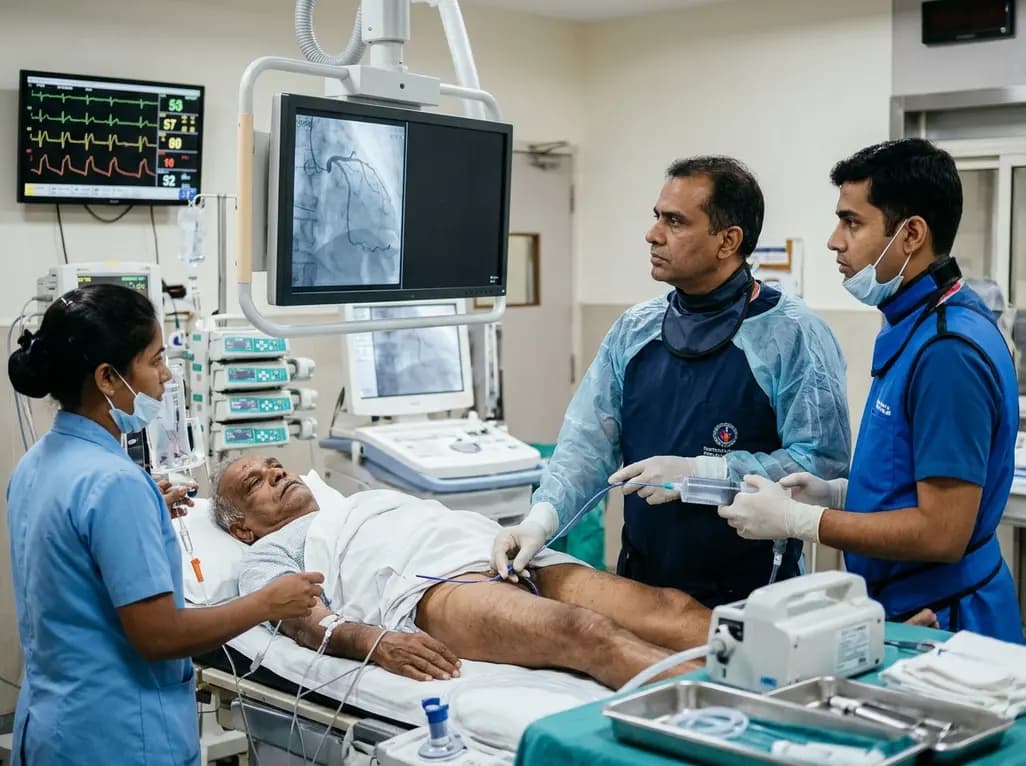
An elderly man with partially repaired Tetralogy of Fallot presented with STEMI caused by coronary embolism rather than atherosclerosis. Successful treatment with sustained mechanical aspiration thrombectomy underscores the vital need for high clinical vigilance in adult congenital heart disease.
Today
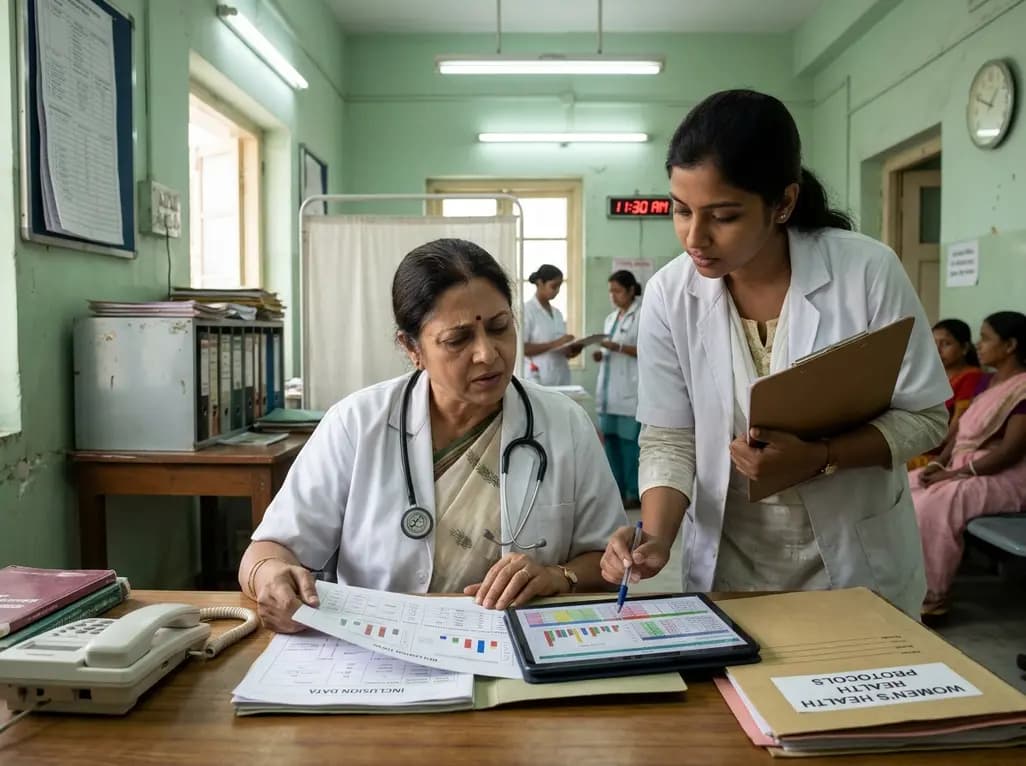
Demanding exhaustive hormonal profiling can inadvertently discourage clinical studies involving females. Methodological standards must align with the specific scientific question to expand, not restrict, equitable evidence for women.
Today
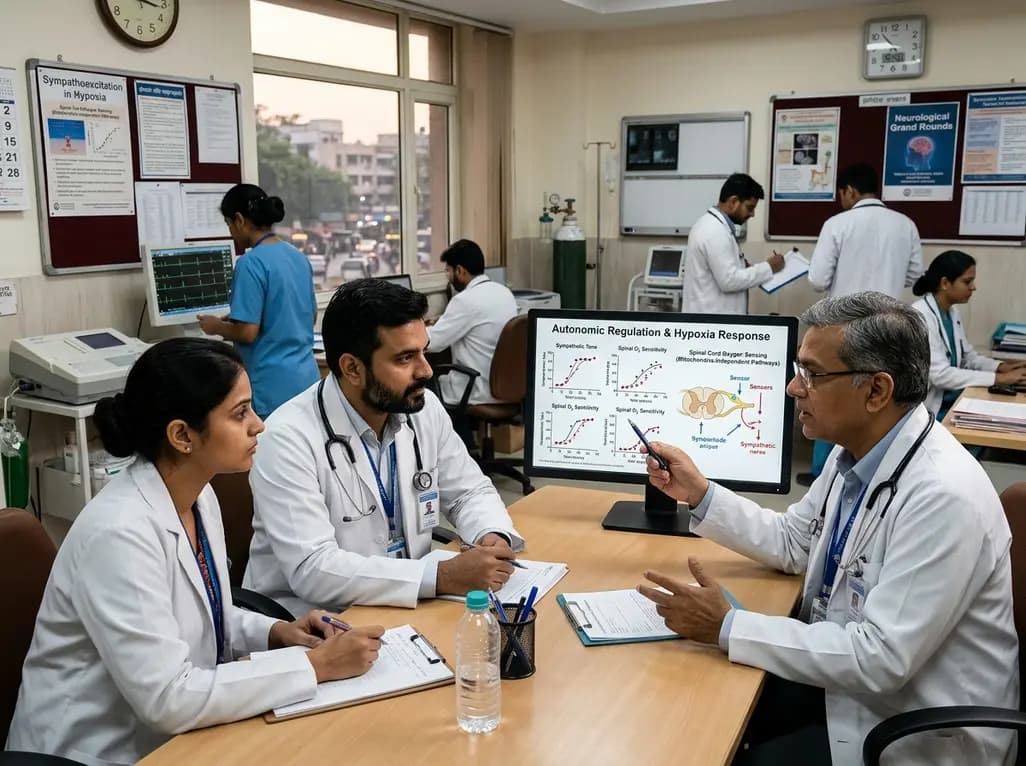
A recent study demonstrates that spinal oxygen sensors do not require mitochondrial electron transport to trigger sympathetic excitation during acute hypoxia, revealing new insights into how mitochondrial oxidative stress modulates autonomic tone in cardiovascular and neurological diseases.
Today

A comparative review of tension band wiring and intramedullary screw fixation in thumb metacarpophalangeal arthrodesis, evaluating union rates, hardware complications, and clinical outcomes.
Today
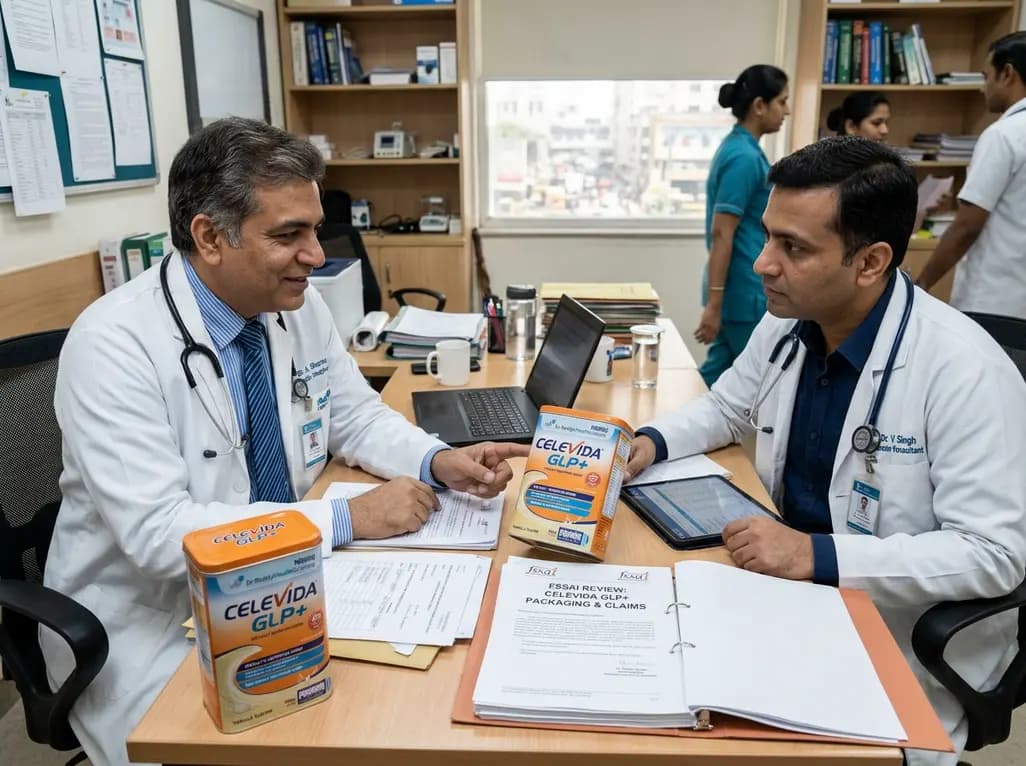
Following regulatory scrutiny from FSSAI regarding promotional representations and lean muscle preservation claims, Dr. Reddy's Laboratories and Nestlé Health Science are currently reviewing the branding and marketing strategy for their joint nutritional supplement Celevida GLP+.
Today
