.webp&w=384&q=75)

Loading, please wait...
Loading, please wait...

Understanding environmental physiology is essential for clinicians who advise endurance athletes competing in harsh weather conditions. Recent epidemiological analyses reveal that heat, humidity, and solar radiation exert distinct effects across biological sexes. In particular, a large-scale investigation evaluated how these climatic variables influence ultramarathon running speed across diverse competitive distances. Crucially, the findings demonstrate that high ambient temperatures and elevated humidity diminish male performance far more drastically than female performance. Consequently, sex-specific differences in pacing narrow significantly under severe environmental strain, providing pivotal insights for sports medicine practitioners.
The study evaluated more than 1.35 million finish times across 8,582 ultramarathons ranging between 50 and 161 kilometers. Race environments spanned daily-averaged temperatures from 0 °C to 34 °C, alongside relative humidity levels from dry air to saturation. To assess these records, researchers employed a linear mixed-effects model that quantified pace changes across conditions. In cool conditions between 0 °C and 8 °C, male athletes maintained an average speed advantage of 0.73 km/h over female competitors. However, as ambient temperatures escalated toward 34 °C, both cohorts experienced marked performance decrements. Importantly, the decline was substantially steeper among men, whose higher velocity diminished rapidly in hot conditions. As a result, the absolute speed differential between sexes narrowed to merely 0.34 km/h at 34 °C. This observation confirms that extreme environmental heat alters competitive dynamics across ultra-endurance events. Thus, female runners exhibit greater thermal pacing resilience when ambient temperatures rise toward extreme limits.
Physiological divergence in heat dissipation explains why male and female athletes respond differently to elevated thermal strain. Male runners typically possess greater total body mass and larger active skeletal muscle volume. Consequently, they generate substantially higher absolute metabolic heat during sustained locomotion. However, a larger body mass reduces the surface area-to-mass ratio, which impairs passive convective and radiative heat loss. In contrast, female runners frequently possess a higher surface area-to-mass ratio, facilitating efficient peripheral heat transfer. Furthermore, female athletes exhibit lower absolute sweat rates, which helps preserve circulating intravascular volume during prolonged exertion. Although men initiate sweating at lower thermal thresholds, excessive sweat often drips from the skin without evaporating, providing minimal cooling benefit. Consequently, male athletes experience more rapid dehydration, heightened cardiovascular drift, and elevated core body temperatures. These cumulative physiological stresses eventually trigger central nervous system down-regulation, which compels male runners to curtail their pace.
Relative humidity represents a decisive limiting factor in human thermoregulation during prolonged physical exertion. When ambient air reaches high saturation levels, the water vapor pressure gradient between sweat-covered skin and surrounding air diminishes drastically. Consequently, sweat cannot evaporate efficiently, which eliminates the primary physiological pathway for dissipating excess body heat. The investigation revealed that the negative effect of high temperature on the sex gap became most pronounced during elevated humidity. Specifically, at 34 °C and 90% relative humidity, the predicted speed gap between men and women dropped to an astonishing 0.21 km/h. Conversely, when examined as an independent variable across moderate temperatures, relative humidity exerted a modest opposing effect. In isolation, rising humidity slightly widened the sex gap by 0.07 km/h across its full observed range. Nevertheless, when combined with severe ambient heat, oppressive humidity exerts disproportionate thermal strain on male competitors. Therefore, hot and humid conditions create an unforgiving microclimate that severely restricts performance in larger athletes.
In addition to air temperature and humidity, direct radiant heat from solar irradiance impacts athletic performance during ultramarathons. Solar radiation introduces an external heat load that bypasses metabolic pathways and directly elevates mean skin temperature. In the analyzed dataset, solar irradiance spanned a broad spectrum from 0 to 700 W/m². Interestingly, the statistical model demonstrated that solar irradiance exerted only a modest overall effect on endurance velocity. Furthermore, unlike ambient air temperature and humidity, solar radiation did not create statistically significant differences between male and female competitors. Both sexes experienced comparable minor decrements in running speed when exposed to peak sunlight intensity. This uniform response likely occurs because radiant heat absorption depends primarily on total exposed skin surface rather than intrinsic metabolic rate. Moreover, modern technical apparel, protective headwear, and behavioral shading frequently mitigate radiant exposure during ultramarathons. Thus, while solar exposure remains an important environmental consideration, ambient temperature and humidity remain the dominant determinants of physiological strain.
For sports medicine physicians, general practitioners, and race medical directors, these epidemiological insights provide practical guidance for athlete safety. In tropical and subtropical regions, endurance competitions frequently coincide with oppressive thermal conditions and elevated humidity. Clinicians must advise male runners to practice conservative early pacing, as overexertion in hot environments dramatically increases exertional heat illness risk. Additionally, athletes must develop personalized hydration protocols that balance fluid intake with sodium replenishment to prevent exercise-associated hyponatremia. Race medical teams should continuously monitor the Wet-Bulb Globe Temperature and establish shaded, ice-equipped cooling stations along the course. Furthermore, medical personnel must recognize early signs of heat exhaustion, including ataxia, dizziness, and cognitive confusion. In particular, emergency responders should prepare rapid whole-body immersion tubs to treat exertional heat stroke promptly. By integrating sex-specific thermoregulatory insights into pre-race screening and medical planning, physicians can substantially mitigate environmental morbidity during extreme athletic events.
High relative humidity severely restricts sweat evaporation, which represents the primary route for human heat dissipation during endurance exertion. Consequently, core temperatures rise faster when ambient vapor pressure remains elevated. Because male athletes generally generate higher absolute metabolic heat and maintain greater body mass, humidity impairs their physiological cooling more profoundly. Therefore, high humidity compounds thermal strain in men, which significantly narrows the conventional performance gap between sexes.
Male runners usually possess larger skeletal muscle mass and run at higher absolute velocities, thereby generating greater internal metabolic heat. However, their lower surface area-to-mass ratio limits radiative and convective heat exchange compared to female runners. Additionally, men reach sweat rate plateaus earlier, leading to profuse inefficient dripping rather than effective evaporative cooling. Consequently, progressive hyperthermia and cardiovascular drift force male athletes to slow their pacing earlier and more drastically during hot conditions.
Medical directors should calculate the Wet-Bulb Globe Temperature hourly and establish active cooling stations with cold-water immersion tubs along race routes. Furthermore, clinical teams must educate runners regarding personalized sodium replacement to prevent exercise-associated hyponatremia. Physicians should also recognize that male competitors present with exertional heat illness at higher relative rates under combined thermal stress. Therefore, medical staff should continuously monitor pacing deviations, altered mental status, and severe dehydration across all competitors.
Disclaimer: This content is for informational and educational purposes only. It is not intended to be a substitute for professional medical advice, diagnosis, or treatment. Always seek the advice of your physician or other qualified health provider with any questions you may have regarding a medical condition. Refer to the latest local and national guidelines for clinical practice.
References

Read summarized clinical updates, watch expert medical content, and earn CME certifications right from your smartphone.
Open your smartphone camera to scan and install.





A massive analysis of over 1.35 million finish times reveals that high ambient temperatures and humidity impair men's ultramarathon running speed more than women's, significantly narrowing the sex gap.
Today
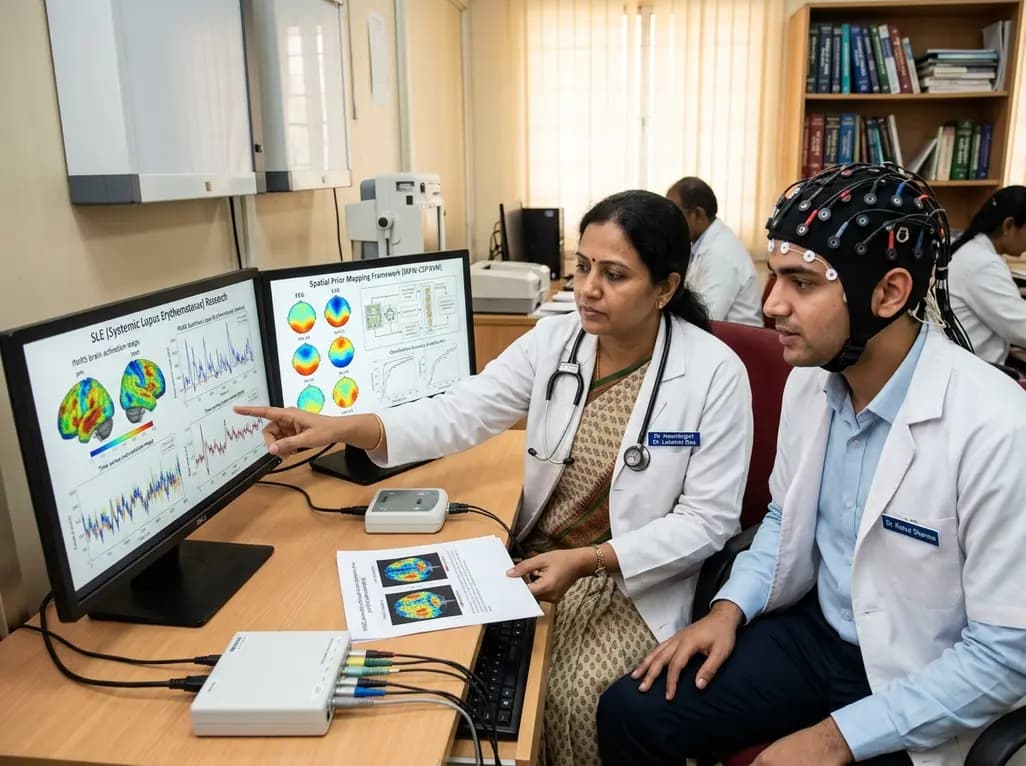
A dual-site study demonstrates that an EEG spatial prior mapping framework (MPW-CSP-SVM) standardizes fNIRS biomarkers in SLE across different optode configurations. The model achieved high classification accuracy (AUC up to 0.839) and correlated with disease activity and emotional distress.
Today
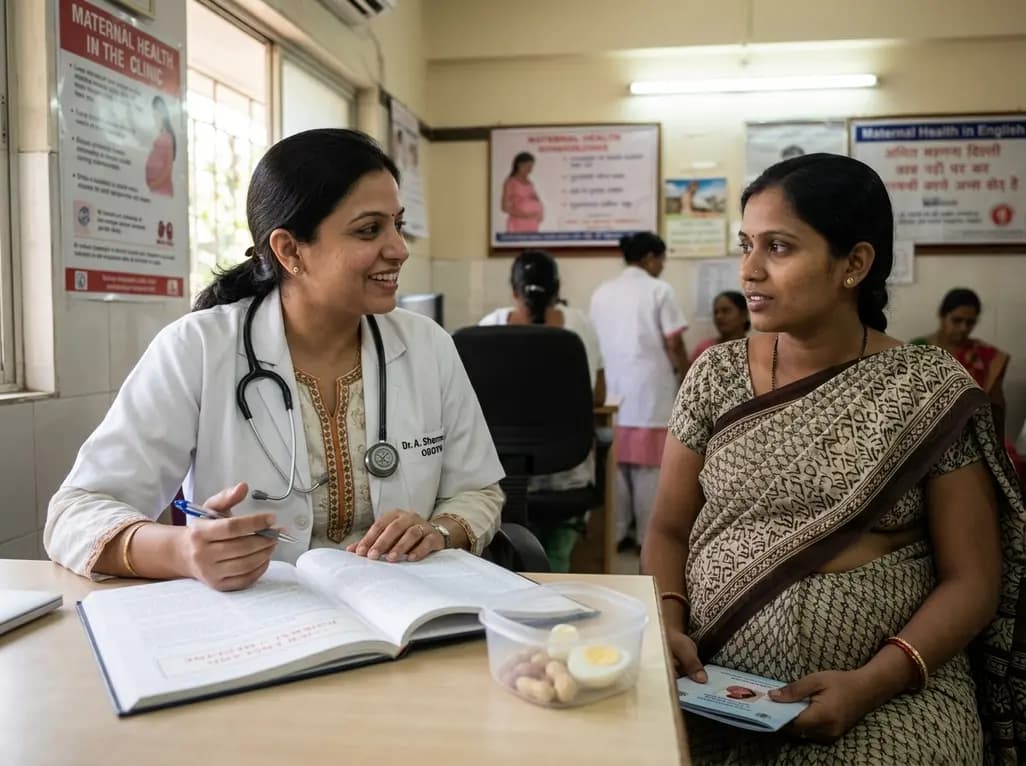
A landmark randomized clinical trial published in NEJM reveals that high maternal intake of eggs and peanuts during pregnancy and lactation does not lower the risk of infant egg or peanut allergy at one year of age, reinforcing existing dietary recommendations for balanced maternal nutrition without restrictions.
Today
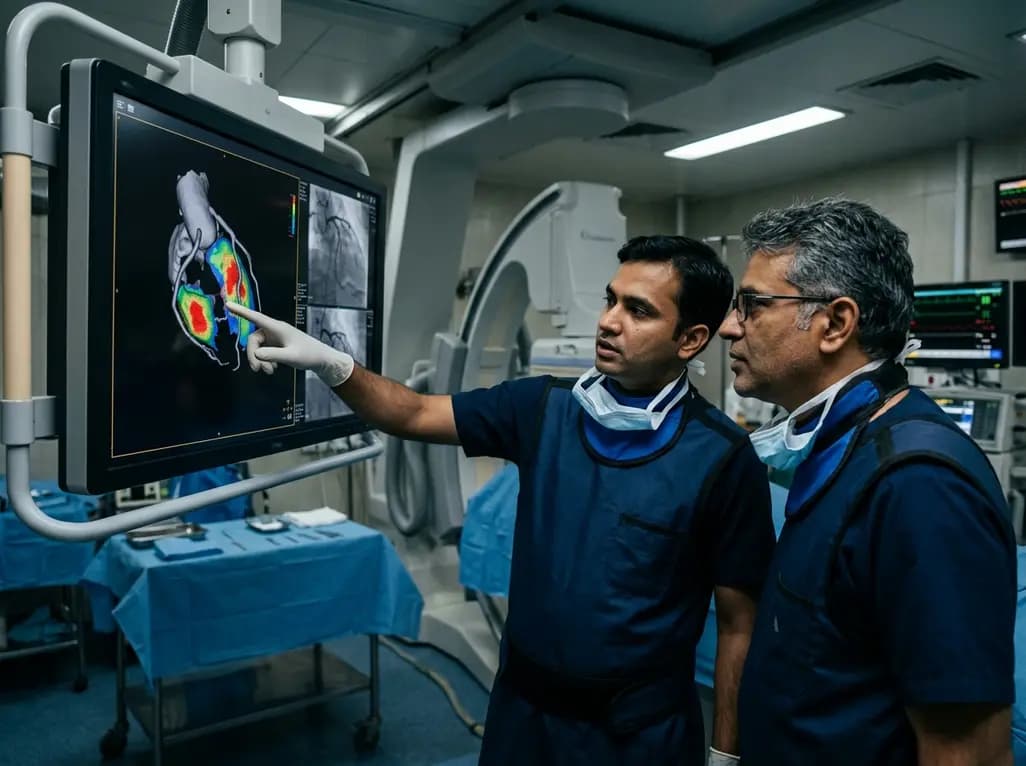
A groundbreaking study demonstrates that coronary angiography-derived radial wall strain reflects plaque morphology, predicting future rupture and erosion.
Today

The Delhi Cabinet has cleared an advanced seven-storey critical care expansion at Guru Tegh Bahadur Hospital under PMSSY Phase-IV. Costing Rs 244.87 crore, the new wing features 250 beds, specialized intensive care units, modern operation theatres, and round-the-clock emergency diagnostics for East Delhi.
Today
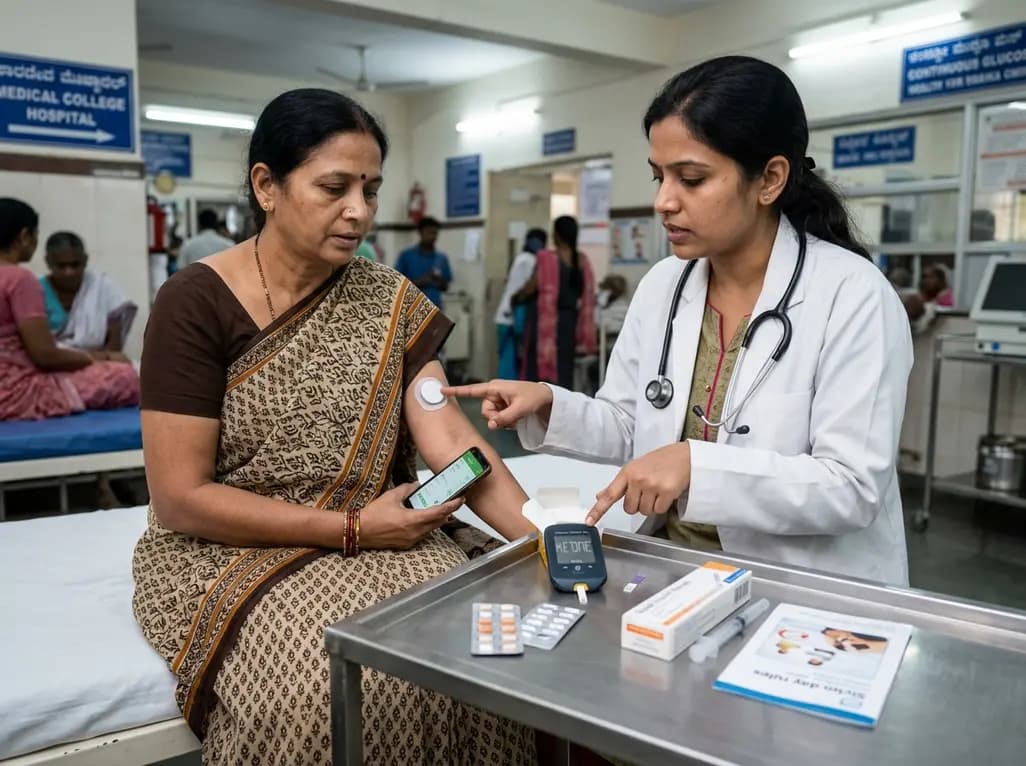
A landmark case demonstrates that favorable continuous glucose monitoring metrics cannot rule out SGLT2 inhibitor-associated euglycemic diabetic ketoacidosis. Clinicians must educate patients on symptom-based sick-day rules, uninterrupted basal insulin therapy, and proactive blood ketone testing.
Today
