

Loading, please wait...
Loading, please wait...
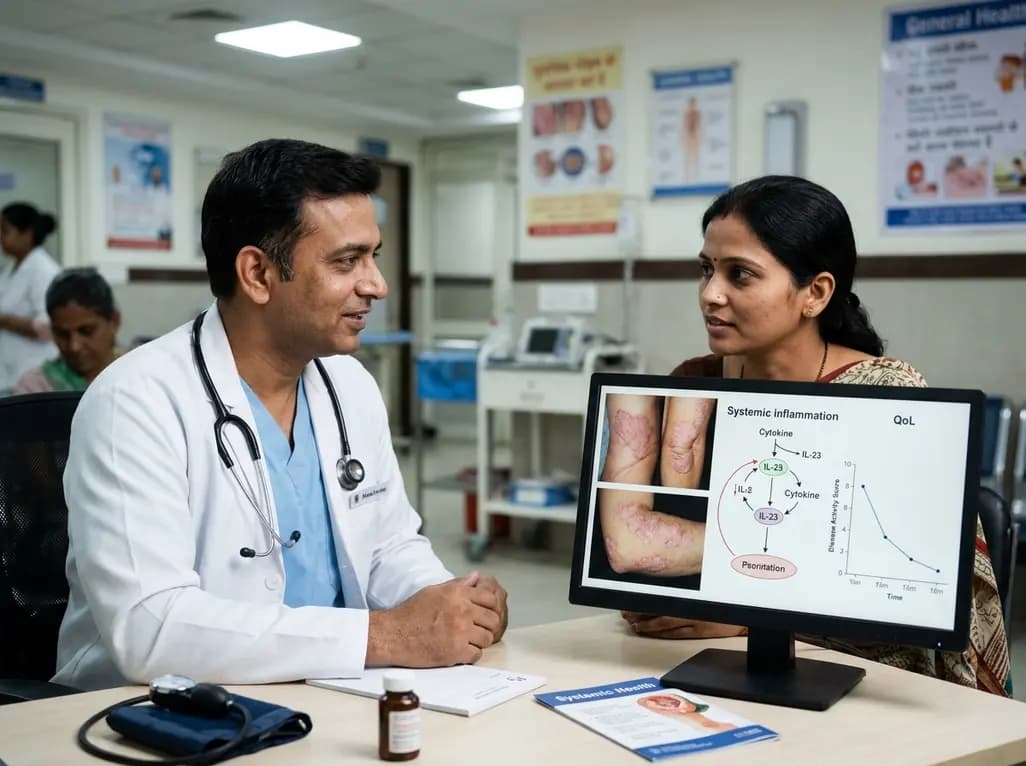
Effective psoriasis management requires clinicians to look far beyond epidermal manifestations. Psoriasis represents a chronic immune-mediated systemic inflammatory disorder rather than a simple cosmetic nuisance. Globally, millions of individuals experience substantial physiological and psychological burdens due to this condition. Although dermatologists traditionally focused on visible plaques, modern evidence reveals widespread systemic involvement. Consequently, successful management demands an integrated therapeutic approach that targets underlying immune pathways while preventing secondary morbidity. Early identification allows healthcare providers to halt progressive inflammatory cascades. Therefore, clinicians must assess both cutaneous severity and potential systemic co-morbidities during routine clinical consultations.
Furthermore, genetic predisposition and dysregulated immunologic signals drive disease onset. When external triggers disturb immune homeostasis, dendritic cells and T helper cells trigger uncontrolled keratinocyte proliferation. As a result, patients present with painful, itchy, and thick scaly plaques. In addition, social misconceptions frequently isolate affected patients, compounding emotional distress. By recognizing psoriasis as an intricate, lifelong multisystem disorder, practitioners can initiate timely, disease-modifying therapies. Ultimately, proactive treatment preserves functional health, restores dignity, and improves long-term clinical outcomes across diverse patient populations.
The pathophysiological hallmark of psoriasis involves accelerated epidermal turnover driven by chronic immune activation. Under normal physiological conditions, keratinocytes mature and shed over approximately three to four weeks. However, in psoriatic lesions, this differentiation cycle accelerates to just three to five days. Consequently, immature nucleated cells accumulate rapidly on the skin surface. These accumulations form characteristic raised, erythematous plaques covered by silvery scales. These lesions preferentially involve high-friction areas such as the elbows, knees, scalp, and lumbosacral region.
Genetics significantly influences disease susceptibility. Specifically, individuals with affected first-degree relatives face a markedly higher lifetime risk of developing lesions. Nevertheless, environmental stressors often trigger clinical flares in genetically predisposed hosts. For example, streptococcal pharyngitis, systemic emotional stress, physical skin injury (the Koebner phenomenon), and certain medications can stimulate innate immune responses. Subsequently, activated plasmacytoid dendritic cells produce type I interferons, activating myeloid dendritic cells. These immune cells release interleukin-23 and interleukin-12, thereby stimulating helper T cells. These lymphocytes then secrete interleukin-17, interleukin-22, and tumor necrosis factor-alpha. Therefore, these cytokine cascades fuel uninhibited epidermal proliferation, tissue edema, and persistent dermal vascular dilation.
Psoriasis is not confined to the skin. Instead, circulating inflammatory cytokines establish widespread vascular and metabolic disturbances throughout the body. Therefore, modern practitioners view psoriasis as an independent risk factor for several life-threatening non-communicable conditions. For instance, chronic systemic elevation of inflammatory cytokines promotes accelerated endothelial dysfunction. Consequently, patients with moderate-to-severe disease show increased rates of atherosclerosis, myocardial infarction, and cardiovascular mortality.
In addition, metabolic syndrome frequently coexists with psoriatic disease. Clinicians regularly detect elevated rates of central obesity, hypertension, dyslipidemia, and type 2 diabetes mellitus among affected individuals. Adipose tissue secretes proinflammatory adipokines, creating an adverse reciprocal feedback loop that worsens epidermal inflammation. Furthermore, inflammatory arthropathy presents a major systemic complication. Up to thirty percent of individuals develop psoriatic arthritis over their disease course. Patients frequently present with morning stiffness, enthesitis, dactylitis, and asymmetric peripheral joint pain. Hence, early rheumatologic screening remains critical because delayed intervention leads to irreversible joint deformities. By addressing psoriasis holistically, physicians can mitigate long-term cardiovascular, metabolic, and musculoskeletal damage.
Structured clinical assessment forms the cornerstone of effective psoriasis management. Physicians must accurately classify disease severity to select suitable therapeutic modalities. Traditionally, clinicians calculate the Psoriasis Area and Severity Index (PASI) and Body Surface Area (BSA) to quantify cutaneous burden. Mild psoriasis typically involves less than three percent of body surface area. In contrast, moderate-to-severe disease affects more than ten percent of the body, or involves critical anatomical sites such as the face, palms, soles, genitalia, and scalp.
However, physical severity scores alone do not reflect the complete disease burden. Therefore, clinicians must also evaluate patient-reported outcomes using instruments such as the Dermatology Life Quality Index (DLQI). Even localized lesions on visible or sensitive areas can produce profound functional impairment. Mild disease generally responds well to topical therapies, including high-potency corticosteroids, vitamin D analogues, and calcineurin inhibitors. Nevertheless, patients presenting with extensive plaques or joint symptoms require systemic interventions. In these challenging cases, physicians may employ narrowband ultraviolet phototherapy, traditional oral disease-modifying antirheumatic drugs (DMARDs), or targeted biologic agents. Accordingly, personalized treatment algorithms deliver superior disease control and enhance therapy adherence.
Biologic therapies have revolutionized clinical practice for moderate-to-severe psoriasis. Rather than causing generalized immunosuppression like conventional oral agents, biologics selectively neutralize pivotal cytokine drivers. In particular, interleukin-23 (IL-23) and interleukin-17 (IL-17) inhibitors have emerged as transformative therapeutic classes. IL-23 inhibitors, such as tildrakizumab, guselkumab, and risankizumab, target the p19 subunit of interleukin-23. Consequently, these agents disrupt the survival and expansion of pathogenic Th17 cells upstream in the inflammatory cascade.
Clinical trials confirm that IL-23 inhibitors offer durable disease clearance alongside favorable safety profiles. Moreover, these agents provide convenient dosing schedules, often requiring maintenance subcutaneous injections only once every two to three months. This intermittent administration significantly improves patient compliance over daily oral regimens. Similarly, IL-17 inhibitors like secukinumab and ixekizumab deliver rapid cutaneous clearance and robust joint symptom relief. Before initiating any biologic therapy, physicians must screen candidates for latent tuberculosis, active chronic infections, and viral hepatitis. Regular monitoring ensures sustained clinical efficacy while mitigating infection risks. Importantly, clinicians should view biologics not as salvage therapy, but as effective first-line systemic options for eligible patients.
The psychosocial burden of psoriasis frequently equals or exceeds its physical discomfort. Visible plaques often lead to profound embarrassment, social rejection, and workplace discrimination. Unfortunately, widespread public misconceptions suggest that psoriasis is contagious or stems from poor personal hygiene. This stigma isolates individuals and precipitates severe psychological morbidities. Studies demonstrate elevated rates of major depressive disorder, anxiety, and suicidal ideation among individuals living with uncontrolled lesions.
Therefore, comprehensive clinical management must address emotional health alongside physical healing. Physicians should foster open, empathetic communication during every clinical interaction. When patients discuss their psychological distress freely, clinicians can adjust therapies, provide counseling, or refer patients to mental health professionals. Furthermore, achieving clear or almost-clear skin through advanced systemic therapies directly restores self-esteem and social confidence. Clinicians must educate families and communities, dispelling common myths regarding disease transmission. By normalizing psoriatic disease and championing compassionate, destigmatizing care, healthcare professionals help patients regain control over their daily lives.
Q1: Is psoriasis a contagious skin condition that can spread between individuals?
No, psoriasis is completely non-contagious. The condition arises from internal immune dysregulation combined with genetic susceptibility. It cannot spread through physical touch, sharing clothes, or occupying shared spaces. Public education is essential to eliminate unnecessary social stigma and reduce the emotional burden experienced by affected individuals.
Q2: Why are biologics such as IL-23 inhibitors considered advantageous for moderate-to-severe disease?
Biologics precisely neutralize key inflammatory proteins rather than suppressing the entire immune system broadly. Specifically, IL-23 inhibitors provide high rates of durable skin clearance with minimal organ toxicity. Furthermore, their convenient maintenance schedules, requiring injections only every few weeks or months, greatly improve real-world compliance compared to daily oral medications.
Q3: How does chronic psoriasis affect internal organs and overall cardiovascular health?
Persistent systemic inflammation promotes endothelial dysfunction, vascular injury, and accelerated arterial plaque formation. Consequently, individuals with moderate-to-severe psoriasis experience increased risks of atherosclerosis, myocardial infarction, hypertension, and stroke. Proactive disease control, lifestyle modifications, and routine metabolic screenings help minimize these severe long-term cardiovascular complications.
Disclaimer: This content is for informational and educational purposes only. It does not constitute medical advice or replace professional judgment. Refer to the latest local and national guidelines for clinical practice.
References

Read summarized clinical updates, watch expert medical content, and earn CME certifications right from your smartphone.
Open your smartphone camera to scan and install.





Psoriasis is a chronic systemic inflammatory condition requiring comprehensive clinical intervention beyond topical care. Explore evidence-based insights into systemic comorbidities, patient quality of life, and targeted biologic options such as IL-23 inhibitors for sustained disease control.
Today
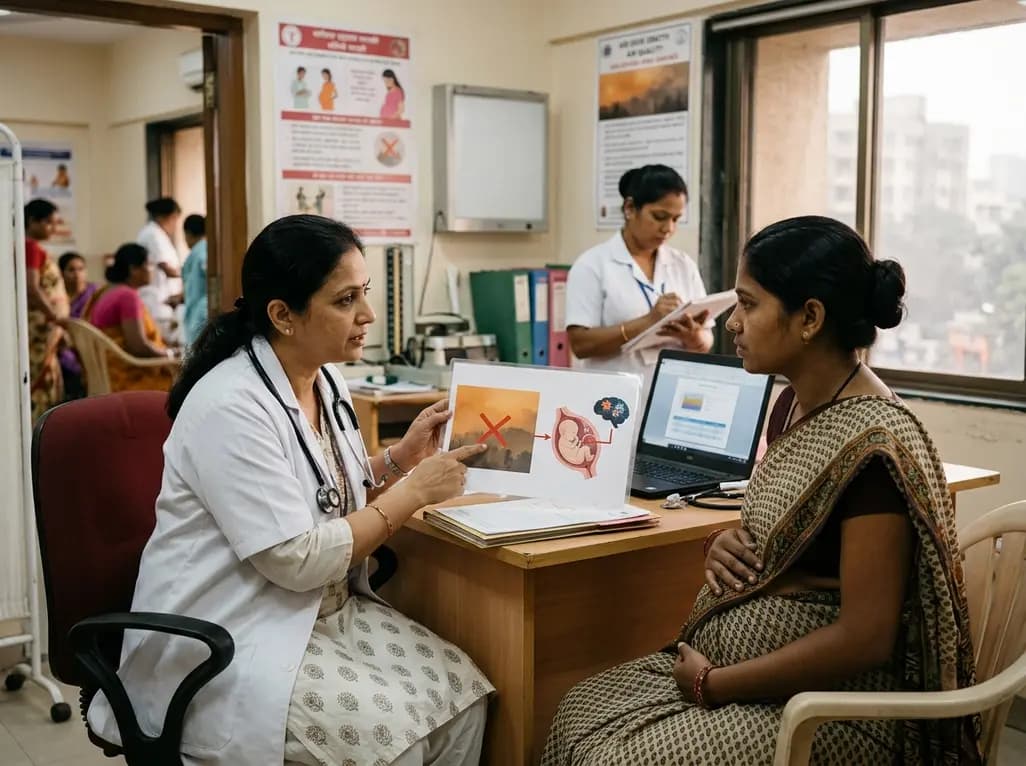
A nationwide cohort study published in JAMA Pediatrics reveals that maternal exposure to wildfire fine particulate matter, especially in late pregnancy, is linked to an elevated risk of childhood autism. Clinicians should evaluate ambient air quality risks and provide proactive protective counseling to mothers.
Today
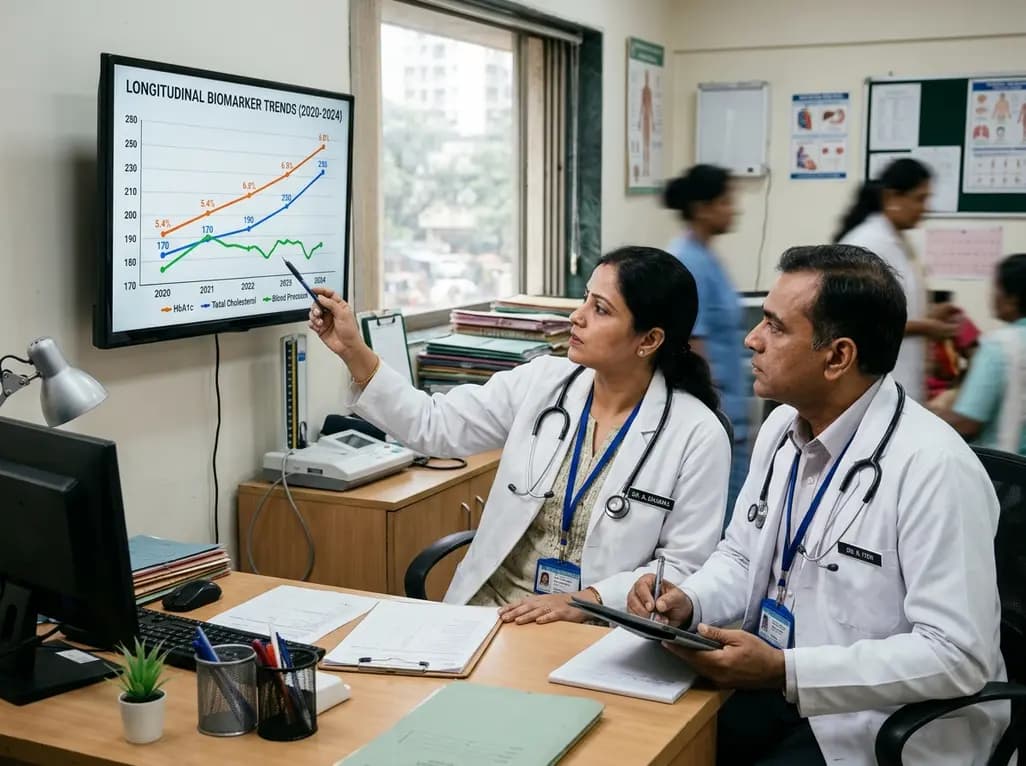
Annual health checks only offer static snapshots. Real-world evidence from 2.1 million insured Indians reveals that tracking dynamic biomarker trends over time enables clinicians to spot evolving cardiometabolic risks early, reverse borderline pathology, and deliver tailored preventive interventions.
Today

Modern 3D anthropometry reveals that pediatric leg growth ceases years before spinal elongation, exposing the clinical illusion of the classical Anderson-Green model. Learn how segmental growth dissociation improves surgical timing for epiphysiodesis in adolescent leg length discrepancy.
2 days back

With packaged goods giant HUL backing FSSAI's proposed front-of-pack red warning labels for foods high in fat, sugar, and salt, India takes a major step toward curbing non-communicable diseases. Learn how clearer nutrition disclosures empower clinicians, inform consumer choices, and drive dietary reform.
Today
