.webp&w=384&q=75)

Loading, please wait...
Loading, please wait...
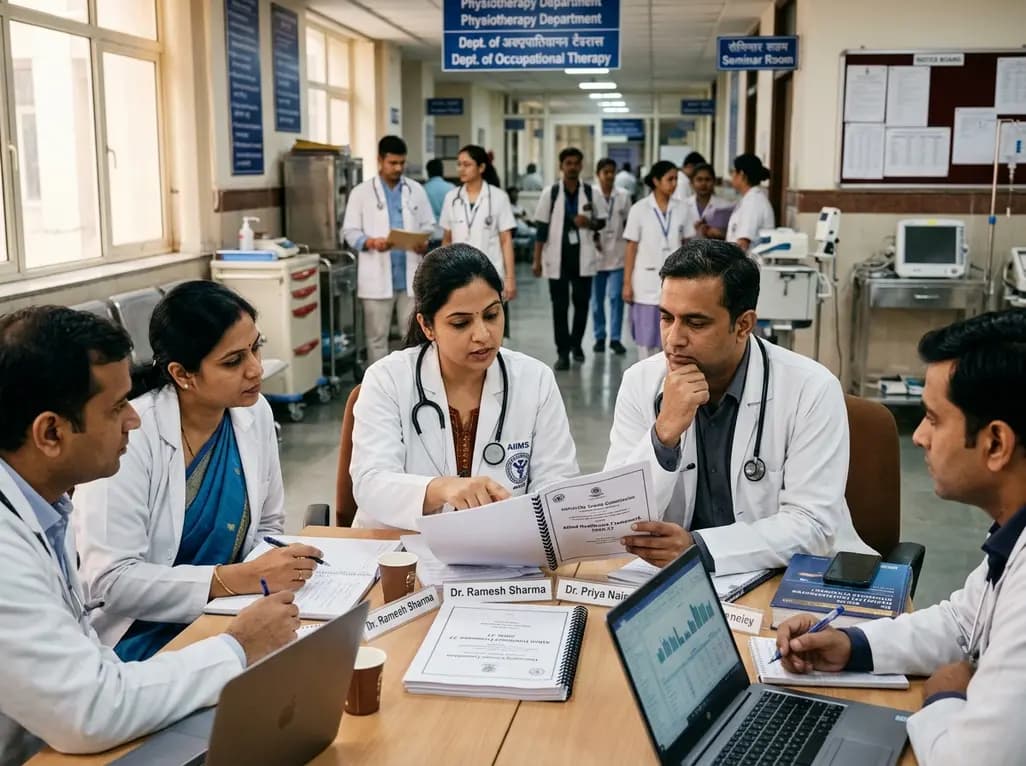
The University Grants Commission has officially reshaped clinical training standards by notifying comprehensive allied healthcare degree rules across higher education institutions in India. Notified through the Gazette of India on August 27, 2026, this regulatory update represents the fifth amendment to the original 2014 specification of degrees. Consequently, universities across the country must discontinue generic postgraduate qualifications in several therapeutic domains. Starting from the 2026-27 academic session, institutions will offer designated clinical specialisations instead. This strategic reform aligns higher educational curricula with the National Commission for Allied and Healthcare Professions Act. Therefore, hospitals and academic centers can expect structured training standards for allied clinical teams.
The revised regulatory notification introduces statutory clarity across diverse paramedical and rehabilitative disciplines. Specifically, the Central Government sanctioned this fifth amendment under Section 22(3) of the University Grants Commission Act of 1956. Higher education institutions must align degree nomenclatures, course durations, and admission qualifications with national standards. For decades, heterogeneous degree titles across Indian states created regulatory friction and credentialing dilemmas for tertiary hospitals. Furthermore, international medical licensing boards frequently questioned unstructured clinical transcripts from Indian graduates. Under the revised framework, the statutory commission brings all allied medical curricula under a standardized umbrella. Consequently, institutions offering postgraduate training must revamp their syllabi to match defined competencies. Meanwhile, this shift guarantees that students develop focused clinical proficiencies rather than superficial general knowledge. Administrative bodies must enforce these curriculum benchmarks rigorously before the commencement of the 2026-27 academic year. As a result, healthcare facilities will benefit from standardized talent pipelines across inpatient and outpatient settings.
A central pillar of the regulatory notification involves restructuring the Master of Physiotherapy degree. Under the previous educational framework, many universities awarded a generalized postgraduate credential without mandatory subspecialty demarcation. However, the revised directive mandates eight distinct specialisations for all incoming postgraduate cohorts. Universities must now award degrees in Musculoskeletal Sciences, Neurosciences, or Cardiovascular and Pulmonary Sciences. In addition, institutions may offer distinct tracks in Sports Sciences, Paediatrics and Neonatal Sciences, and Obstetrics and Gynaecology Sciences. The notification also designates oncology sciences and community rehabilitation sciences as distinct master-level tracks. Furthermore, the commission establishes that every master-level physiotherapy curriculum must require at least two years of study following an approved bachelor degree. Consequently, clinical departments in modern hospitals will recruit physiotherapists trained specifically for intensive care, orthopaedic rehabilitation, or neurotrauma. This focused pedagogical training improves interdisciplinary communication between primary physicians and rehabilitative specialists. Thus, clinical outcomes in complex patient cohorts will improve considerably over time.
Occupational therapy education undergoes an identical transition toward disciplined subspecialisation under the new statutory decree. Beginning in the 2026-27 academic session, universities will no longer award generic Master of Occupational Therapy certificates. Instead, institutions must organize postgraduate instruction into nine well-defined clinical branches. These formal pathways comprise Musculoskeletal Sciences, Paediatrics and Neonatology, Neurosciences, and Mental Health. Additionally, universities can offer specialized training in Cardiovascular and Pulmonary Sciences, Rehabilitation, Geriatrics, Hand Therapy, and Oncological Sciences. The prescribed curriculum requires a minimum duration of two academic years after completing an undergraduate occupational therapy programme. Therefore, postgraduate trainees will complete rigorous rotations within dedicated subspecialty units during their clinical apprenticeships. For example, therapists specializing in hand rehabilitation will acquire advanced biomechanical expertise for traumatic reconstructive care. Similarly, mental health occupational therapists will train extensively in psychiatric rehabilitation settings. As a result, multidisciplinary care teams will access highly proficient specialists who understand targeted restorative therapies.
Beyond rehabilitative therapy, the statutory directive codifies numerous diagnostic, emergency, and operative degrees. For instance, the notification establishes standardized nomenclatures for laboratory medicine through the Bachelor of Medical Laboratory Science and Master of Medical Laboratory Science. Furthermore, postgraduate laboratory tracks now officially recognize specific degrees in Medical Microbiology, Hematology and Transfusion Medicine, and Histology and Cytopathology. In critical care and emergency transport, the commission introduced the Bachelor of Emergency Medical Technologist and the Master of Advance Care Paramedics. Likewise, perioperative fields receive formal credentials through the Bachelor and Master of Anaesthesia and Operation Theatre Technology. The amendment also defines clear educational pathways for radiology, nuclear medicine technology, medical physics, dialysis therapy, and respiratory technology. Additionally, health information management receives formal professional standing through structured four-year undergraduate and two-year postgraduate curricula. Consequently, diagnostic laboratories and operating suites will employ allied personnel whose qualifications adhere to transparent national benchmarks. Thus, credentialing committees can verify clinical competency with greater speed and precision.
University administrators and enrolled students must carefully examine the transition timelines specified by the statutory authorities. Significantly, the National Commission for Allied and Healthcare Professions confirmed comprehensive grandfathering protections for currently enrolled scholars. Students admitted to allied healthcare programmes prior to the 2026-27 academic session will complete their degrees under earlier regulations. Therefore, ongoing academic pursuits remain protected from retrospective administrative disruption or altered graduation conditions. Nevertheless, university faculties must immediately prepare their instructional infrastructure for upcoming batches. Academic boards need to update clinical laboratory equipment, clinical rotation rosters, and faculty credentials to satisfy the new criteria. Moreover, medical directors in teaching hospitals must coordinate closely with university departments to deliver mandatory subspecialty rotations. Because the rules take effect from publication in the Official Gazette, state licensing councils must synchronize their registration registers promptly. In conclusion, this progressive modernization establishes a coherent educational architecture that elevates allied healthcare delivery throughout India.
Q1: When do the new allied healthcare degree specifications come into official effect?
The revised degree rules take effect starting from the 2026-27 academic year, following the official gazette publication on August 27, 2026. Therefore, universities must modify their admission structures and curriculum syllabi for all students entering master-level programmes from that session onward. Existing students admitted before this date will complete their programmes under the earlier statutory framework without administrative disruption.
Q2: Can universities still award a general Master of Physiotherapy degree?
No, universities can no longer award generic Master of Physiotherapy or Master of Occupational Therapy degrees to students admitted from 2026-27 onward. Instead, institutions must award degrees with designated specialisations, such as Musculoskeletal Sciences, Neurosciences, or Cardiovascular and Pulmonary Sciences. Consequently, degree certificates must clearly reflect the exact clinical discipline completed by the postgraduate candidate during their two-year master-level training.
Q3: Which emergency care and operating theatre degrees are recognized under the new rules?
The notification formally recognizes the Bachelor of Emergency Medical Technologist for paramedics and the Master of Advance Care Paramedics in emergency medicine. In addition, surgical suites receive standardized qualification pathways through the Bachelor of Anaesthesia and Operation Theatre Technology and its corresponding master-level programme. These statutory qualifications establish clear educational pathways, standard course durations, and recognized nomenclature for critical hospital support staff across the country.
Disclaimer: This content is for informational and educational purposes only. It does not constitute medical advice or replace professional judgment. Refer to the latest local and national guidelines for clinical practice.
References

Read summarized clinical updates, watch expert medical content, and earn CME certifications right from your smartphone.
Open your smartphone camera to scan and install.





The University Grants Commission has revised the degree framework for allied healthcare professions starting in the 2026-27 academic session. General MPT and MOT degrees will transition to specialized tracks, aligning postgraduate medical training with national healthcare statutory standards across India.
Today
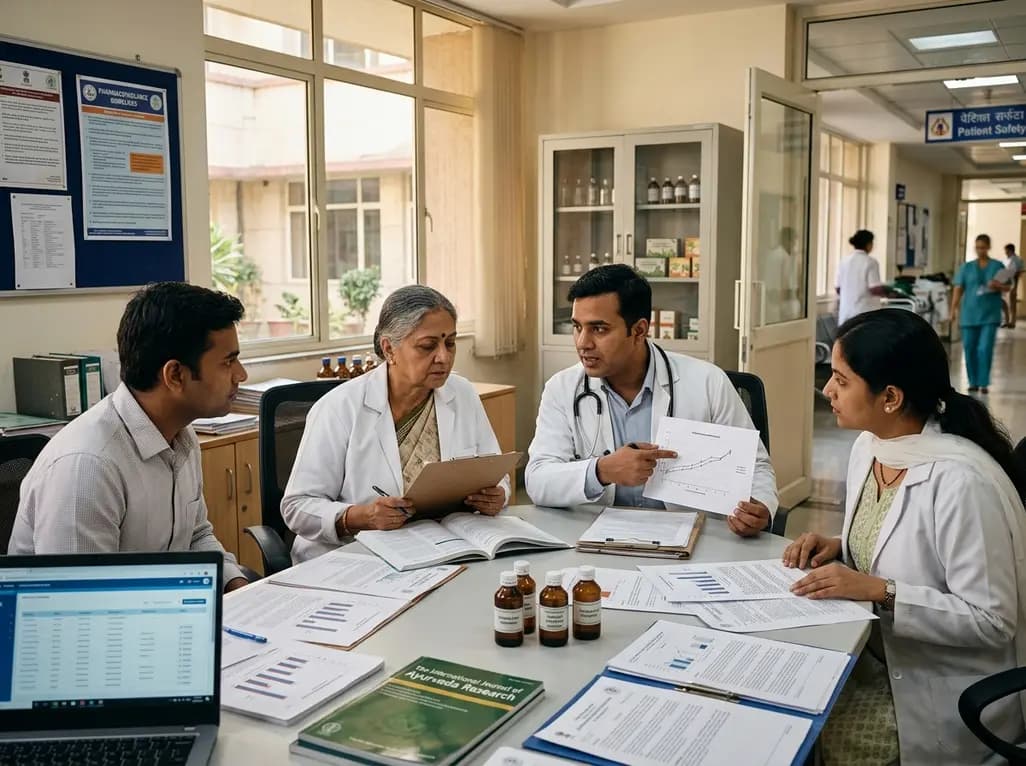
The Central Council for Research in Ayurvedic Sciences emphasizes that integrating traditional medicine with mainstream healthcare requires scientific rigor. Enhanced pharmacovigilance networks, adverse drug reaction monitoring, and validated clinical trials remain pivotal to elevating clinical credibility.
Today
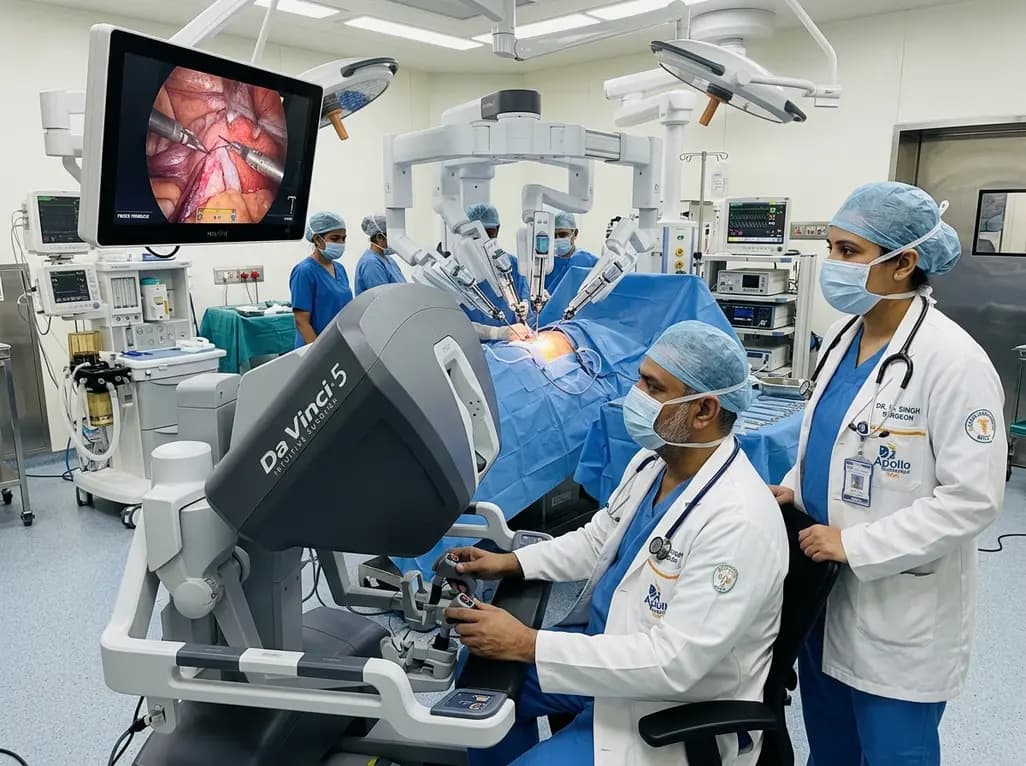
India expands its minimally invasive surgical landscape as Intuitive unveils its fifth-generation robotic platform. Equipped with real-time force feedback and immense computing performance, this innovation assists clinical specialists across urology, gynecology, and general surgery in optimizing operative care.
Today
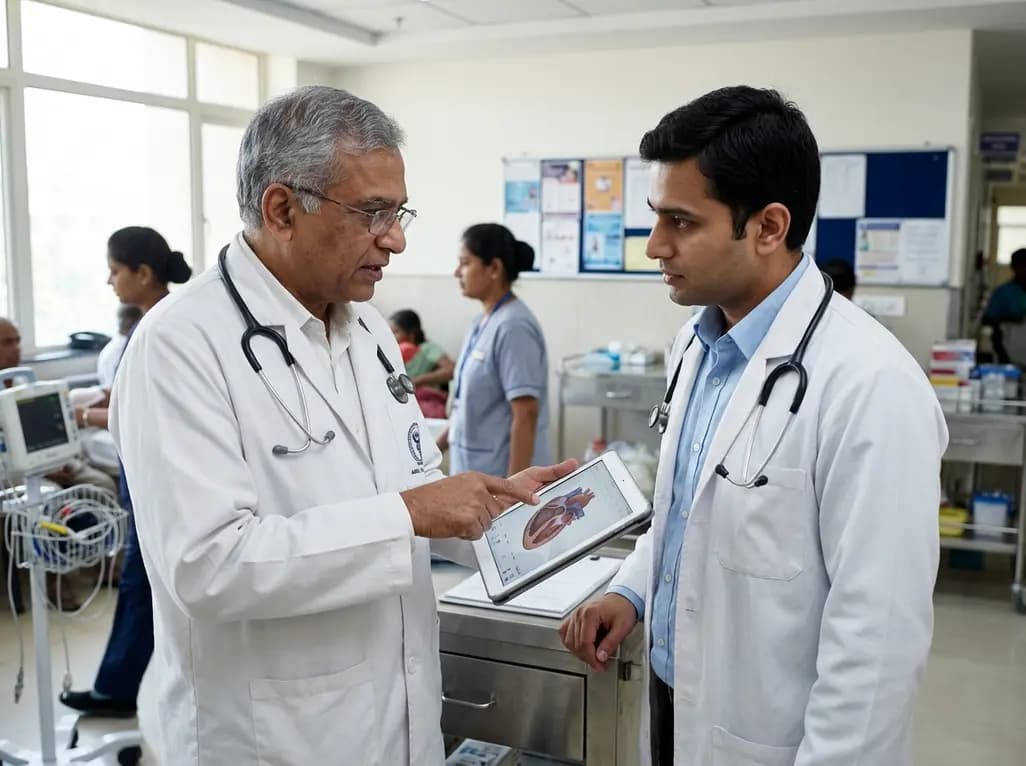
Large-scale biobank research demonstrates that low-grade systemic inflammation quietly remodels ventricular architecture years before cardiovascular symptoms appear. Learn how emerging biomarkers like GlycA and targeted anti-inflammatory pathways could reshape preventive cardiovascular screening and clinical risk evaluation.
Today
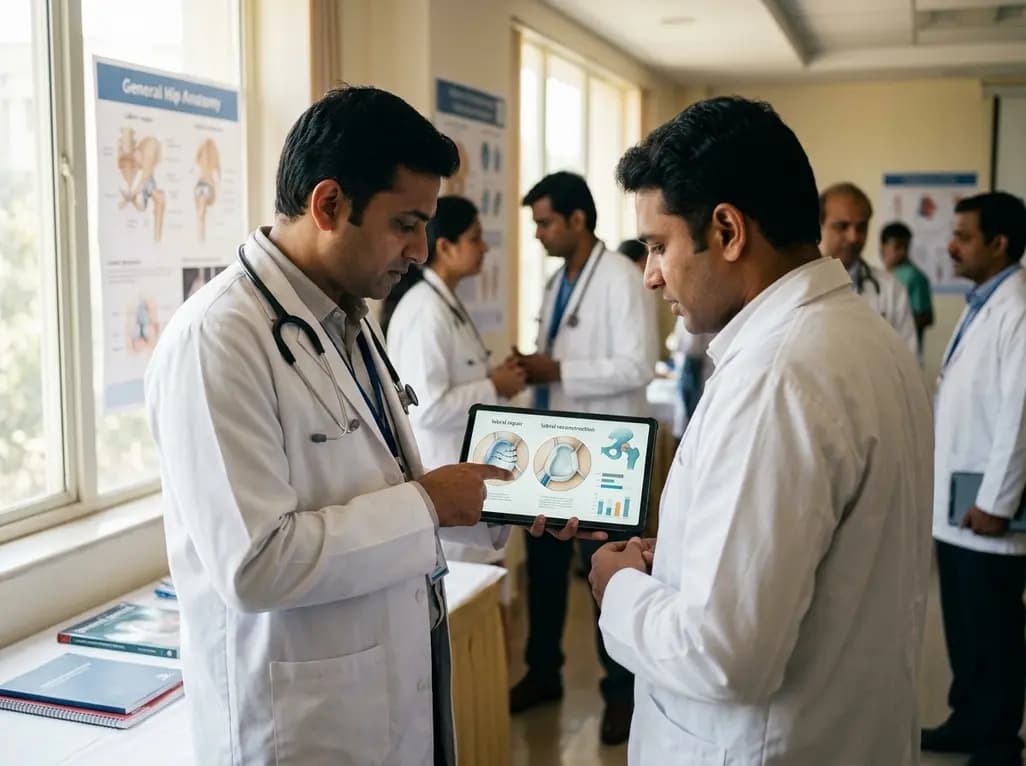
Systematic review comparing labral repair and reconstruction in primary hip arthroscopy shows comparable short- to mid-term patient-reported outcomes, with lower THA conversion after repair but superior outcomes for reconstruction in patients aged 40 and older.
Today
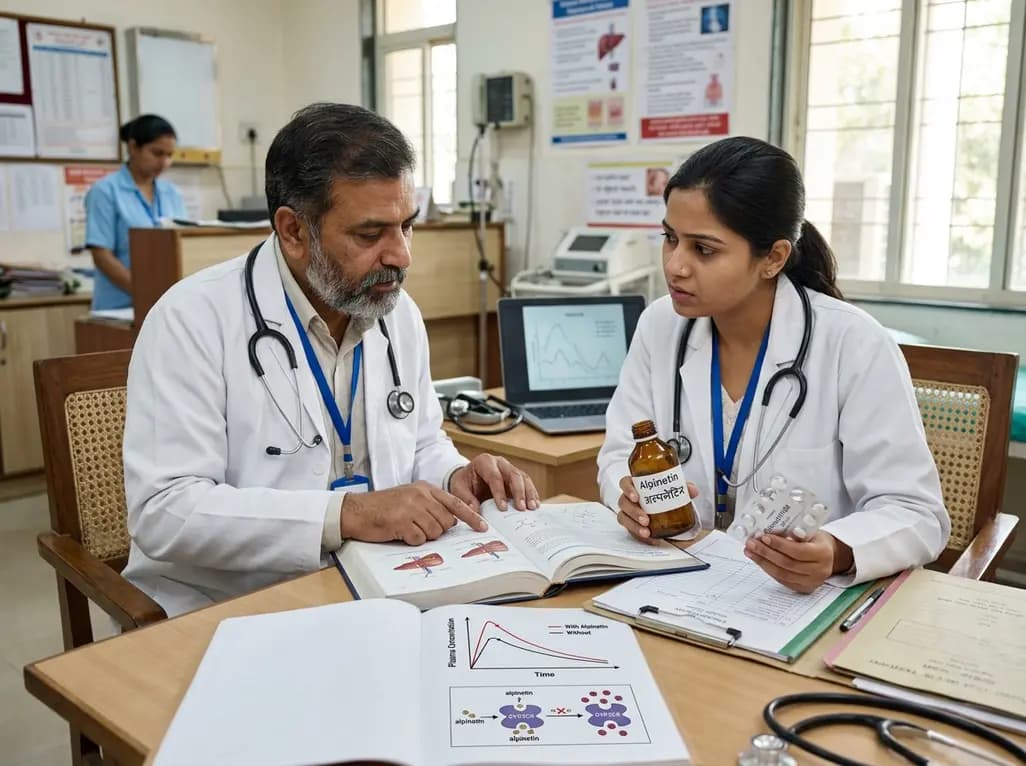
A preclinical study reveals that alpinetin significantly alters glimepiride pharmacokinetics by inhibiting CYP2C9. This drug-herb interaction enhances hypoglycemic potency and underscores critical safety concerns regarding severe hypoglycemia in diabetic management.
Today
