

Loading, please wait...
Loading, please wait...

Global agricultural systems routinely utilize chemical weed controls and ripening agents to sustain commercial crop yields. Consequently, food safety authorities face significant operational challenges in detecting polar pesticide residues within consumer produce and botanical beverages. Compounds such as glyphosate, glufosinate, and ethephon leave behind persistent degradation byproducts that require precise analytical quantification. Fortunately, recent methodological advancements now offer green, sensitive protocols that clarify actual toxicological burdens for primary healthcare practitioners and clinical toxicologists. Therefore, understanding these chemical traces helps medical professionals advise patients effectively on dietary exposures, food handling techniques, and long-term public health safeguards.
Agricultural producers frequently apply organophosphorus herbicides to suppress weeds and protect seasonal harvests. However, these ionic chemicals dissolve readily in aquatic systems and resist conventional multiresidue organic extraction methods. Traditional chromatographic testing often required hazardous organic solvents, extensive sample derivatization, and prolonged preparation times. To resolve these operational hurdles, analytical chemists recently validated a sustainable liquid chromatography-tandem mass spectrometry protocol coupled with ion chromatography. Notably, this innovative framework utilizes pure water as the sole extraction solvent, followed by solid-phase extraction cleanup without hazardous reagents.
The investigative team validated the procedure across thirteen distinct food commodities, including fresh vegetables, fruits, edible fungi, sugarcane, tea, and spices. In addition, the assay achieved consistent recoveries between 81.3% and 125.5%, maintaining strict intra-day and inter-day precision benchmarks. Specifically, the method demonstrated an impressive limit of quantification of 0.05 mg/kg for all targeted parent molecules and breakdown metabolites. This analytical sensitivity directly satisfies the stringent maximum residue limits defined by Codex Alimentarius and national regulatory bodies. Consequently, clinicians and public health officers gain verifiable certainty regarding chemical surveillance across standard dietary staples.
Dietary risk evaluations require thorough tracking of parent pesticides along with their biological transformation products. For example, glyphosate readily metabolizes into aminomethylphosphonic acid, while crop plants also synthesize acetylated conjugates during metabolic detoxification. Glufosinate similarly degrades into 3-methylphosphinicopropionic acid and related acetylated derivatives that persist within plant tissues. Furthermore, ethephon breaks down to release ethylene gas, leaving behind inorganic and organic phosphonate residues. Standard analytical protocols frequently overlook these secondary metabolites, potentially underestimating real-world human ingestion levels across common dietary patterns.
Therefore, the newly developed chromatographic separation method represents an essential public health advancement. By simultaneously capturing nine distinct compounds, the platform offers unprecedented insight into cumulative dietary exposures. Moreover, medical toxicologists recognize that evaluating both parent compounds and active degradation products is vital for assessing organ-specific cellular impacts. Chronic exposure to subclinical levels of agricultural chemicals may influence hepatic enzyme activity and alter gut microbial homeostasis. Thus, accurate residue profiles provide healthcare practitioners with dependable toxicological baselines to address patient concerns regarding long-term environmental toxicant accumulation and metabolic health outcomes.
Tea remains one of the most widely consumed non-alcoholic beverages across India and the globe. Because Camellia sinensis leaves undergo intense agricultural pest management, dried tea leaves frequently show trace agrochemical deposition. However, consumers rarely ingest dry tea foliage directly, making aqueous infusion dynamics the principal determinant of systemic exposure. Highly polar pesticides exhibit intense water solubility, which facilitates rapid migration from processed leaves into hot water during standard brewing.
Significantly, experimental extraction trials revealed that an initial hot-water brewing cycle leaches between 56.5% and 99.2% of total pesticide residues. In contrast, subsequent infusions retain substantially fewer chemical traces, because the majority of polar compounds partition immediately into the primary liquid extract. This finding carries exceptional clinical and practical relevance for dietary risk mitigation. Physicians and clinical nutritionists can actively guide patients to adopt the culinary custom of discarding the initial tea rinse. Consequently, this simple domestic preparation technique markedly reduces systemic ingestion of agrochemicals without diminishing the beverage’s long-term antioxidant benefits, mineral content, or polyphenol density.
To determine actual consumer danger, researchers conducted a comprehensive worst-case dietary risk assessment across diverse population cohorts. They calculated risk quotients by comparing maximal residue concentrations against established toxicological acceptable daily intakes. Importantly, all calculated risk quotients remained orders of magnitude below one, even under conservative assumptions of high food intake. Such negligible risk quotients demonstrate that consumer exposure remains well within physiologically tolerable safety boundaries under normal dietary habits.
Nevertheless, preventive physicians must interpret these mathematical risk calculations within broader clinical frameworks. While acute toxicity risks appear negligible, real-world diets expose individuals to diverse chemical combinations over multiple decades. In addition, vulnerable patient populations, including pregnant women, developing children, and individuals with compromised renal clearance, handle exogenous metabolites less efficiently. Epidemiological researchers continue to explore whether low-dose agricultural chemical mixtures disrupt endocrine balance or elevate systemic oxidative stress biomarkers. Furthermore, continuous biomonitoring studies help clarify subclinical cellular pathways that standard acute assays might overlook. Therefore, maintaining rigorous food surveillance programs provides essential preventive protection, ensuring that cumulative lifetime intakes do not breach biological thresholds.
Food safety regulations are evolving rapidly in India, with the Food Safety and Standards Authority of India regularly updating tolerance thresholds. For instance, recent regulatory directives have established strict Maximum Residue Limits for common crop-protection compounds across Indian tea production. Although Indian agricultural pesticide usage per hectare remains lower than global averages, consumer vigilance and export compliance demand rigorous analytical verification. Clinical practitioners frequently encounter anxious patients seeking clear dietary advice regarding potential carcinogens and chemical pollutants in grocery items.
Doctors can reassure concerned individuals by emphasizing that standard commercial produce complies with established statutory safety envelopes. Furthermore, general practitioners and dietitians should recommend practical, evidence-based kitchen practices that minimize contaminant ingestion. Specifically, washing raw produce thoroughly with running water removes superficial dust, surface sprays, and water-soluble contaminants. Similarly, discarding the very first short tea brew effectively eliminates nearly all soluble polar residues. By integrating scientific safety data with practical lifestyle recommendations, physicians empower communities to enjoy diverse, plant-based diets with confidence, nutritional safety, and peace of mind.
Discarding the initial hot tea brew significantly reduces pesticide exposure because polar agrochemicals possess exceptional water solubility. During the first infusion cycle, hot water rapidly extracts between 56.5% and 99.2% of glyphosate, glufosinate, and ethephon residues from dry leaves. Consequently, pouring away this initial wash effectively removes the bulk of chemical contaminants. Patients can then brew subsequent infusions that contain beneficial polyphenols and catechins while carrying virtually negligible agrochemical residues.
Current toxicological risk assessments indicate that trace dietary intakes of polar herbicides present negligible immediate health risks to consumers. Analytical investigations demonstrate that calculated risk quotients for glyphosate and glufosinate remain orders of magnitude below critical regulatory safety thresholds. However, chronic multi-chemical exposures warrant continued surveillance to protect vulnerable populations, such as infants or pregnant women. Clinicians advise maintaining balanced nutrition, washing raw produce thoroughly, and supporting evidence-based food monitoring to prevent excessive lifetime chemical accumulation.
The Food Safety and Standards Authority of India establishes statutory Maximum Residue Limits to protect public health across diverse agricultural commodities. Through regular legislative updates, the authority monitors chemical residues in tea, fruits, spices, and vegetables, aligning national benchmarks with Codex Alimentarius guidelines. Furthermore, the agency collaborates with national testing laboratories to enforce compliance and ban hazardous compounds. These stringent oversight measures ensure commercial agricultural produce remains safe for regular domestic consumption and export markets.
Disclaimer: This content is for informational and educational purposes only and does not constitute medical advice, diagnosis, or treatment. Healthcare professionals should evaluate this information based on their clinical judgment. Refer to the latest local and national guidelines for clinical practice.
References

Read summarized clinical updates, watch expert medical content, and earn CME certifications right from your smartphone.
Open your smartphone camera to scan and install.





A breakthrough LC-MS/MS technique provides rapid, green quantification of polar pesticide residues like glyphosate across 13 foods. Dietary risk assessment shows negligible toxicity, while discarding initial tea infusions removes up to 99.2% of chemical traces.
Today
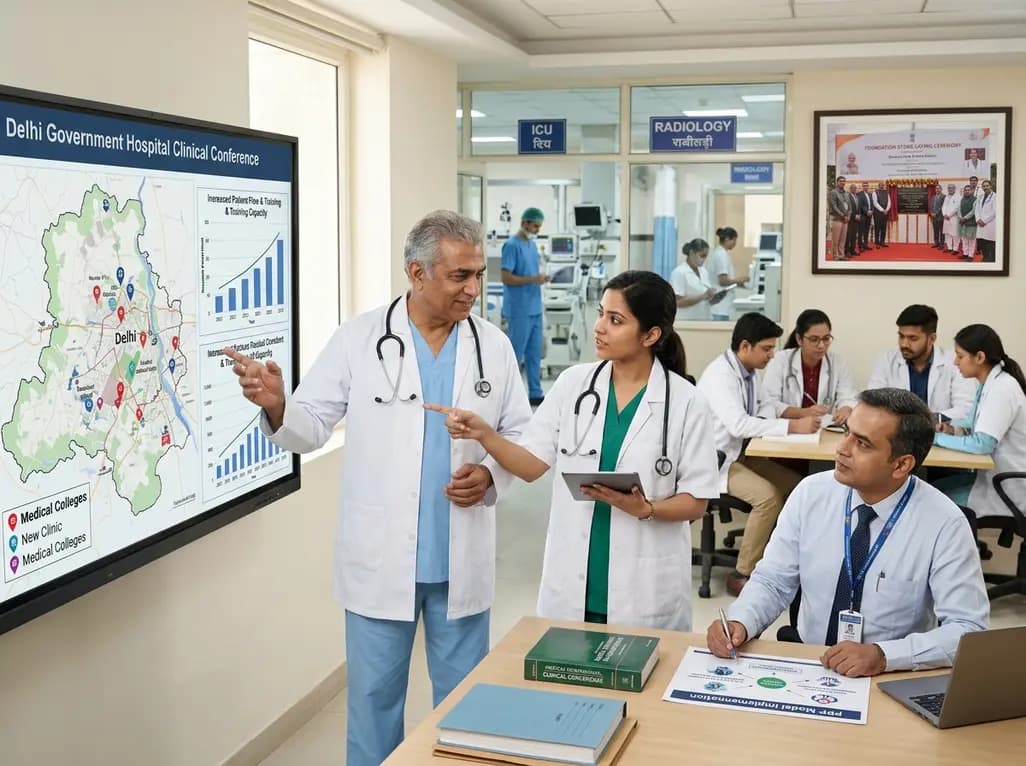
Delhi is undergoing a major healthcare overhaul with enhanced Ayushman Bharat insurance up to ₹10 lakh, increased MBBS and PG medical training seats, expanded primary network mandirs, new tertiary neuro-ICUs, and public-private reproductive technology initiatives to build a resilient, preventative healthcare model.
Today
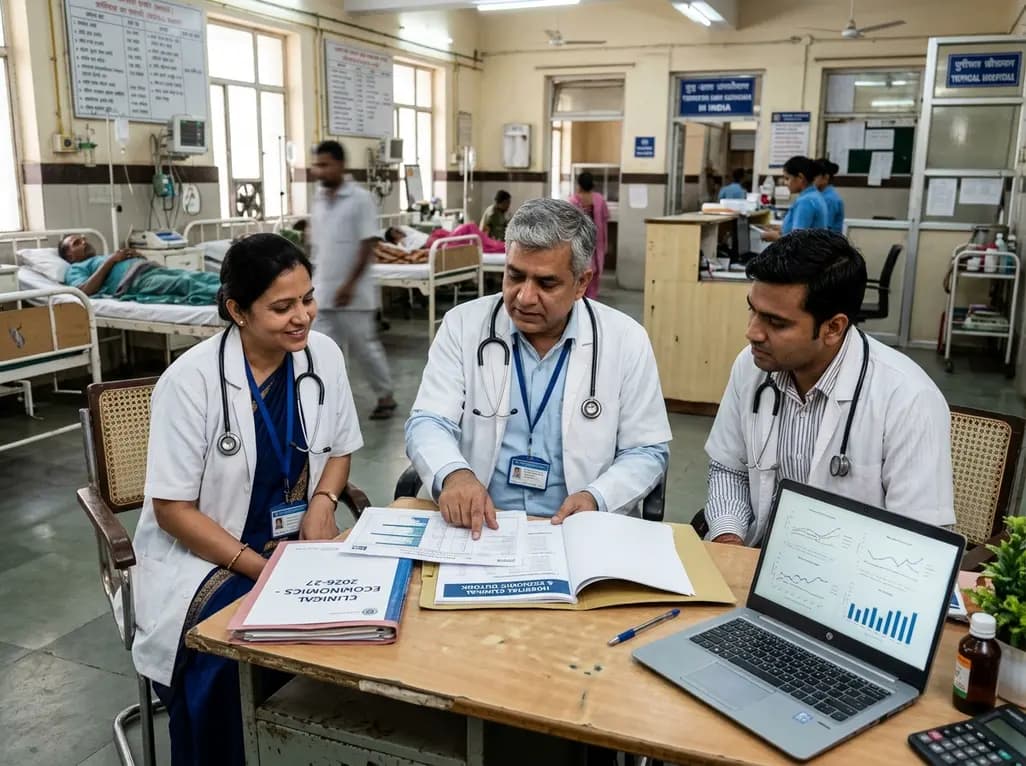
Aon forecasts India's healthcare inflation will ease to 10.1% in 2027 from 11.5% in 2026. Despite moderation, healthcare expenses continue to outpace general inflation, propelled by non-communicable diseases, advanced medical therapeutics, and expanding utilization patterns across diverse patient populations.
Today
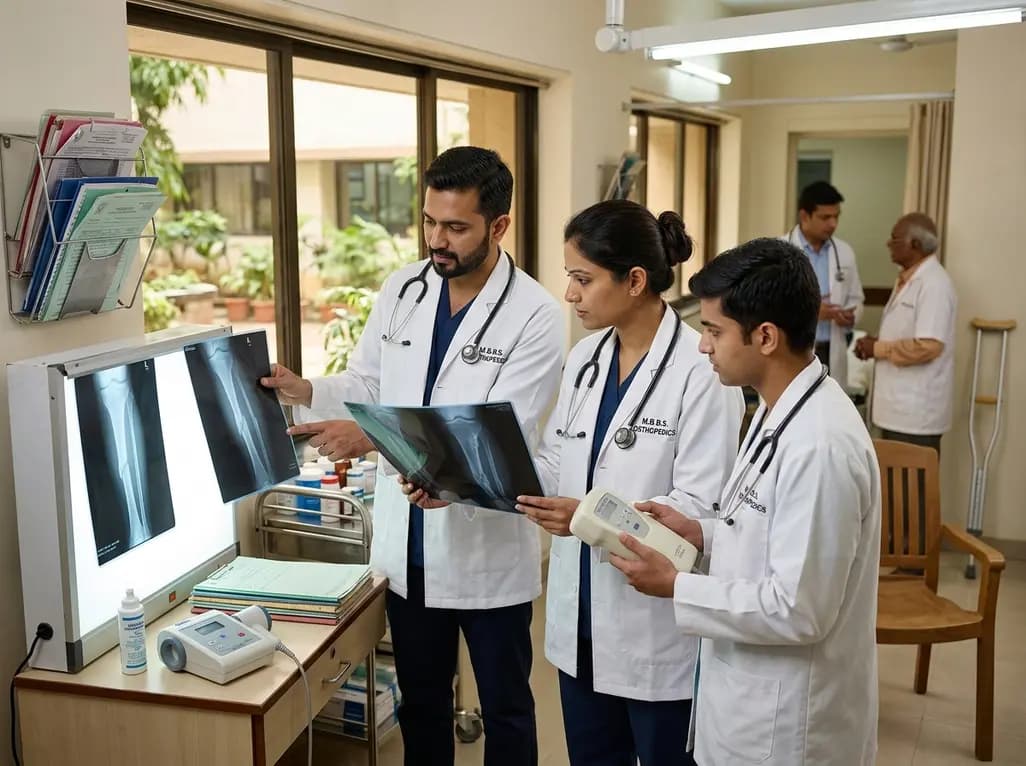
Non-union fractures occur in 2-5% of cases, causing significant disability and cost. Conservative modalities such as LIPUS, PEMF, and focused ESWT offer non-surgical healing options for defects up to 5-10 mm when adequate mechanical stability exists without infection.
Yesterday
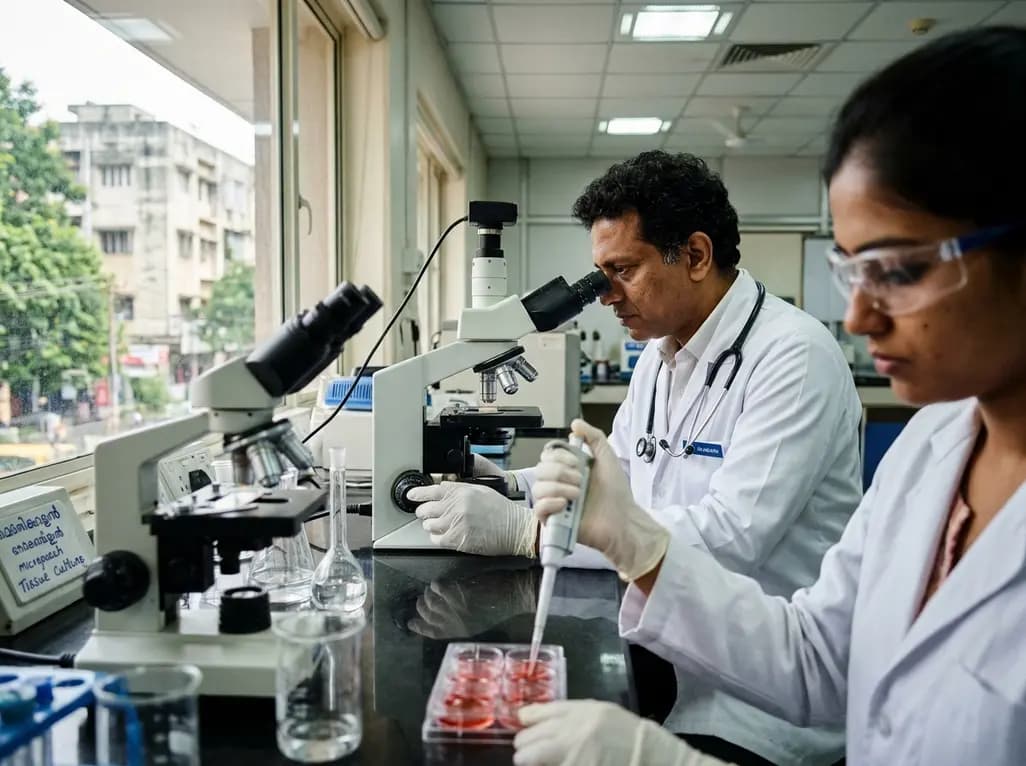
Explore how novel oxygen-releasing PVA hydrogels prevent early post-transplant hypoxic damage in pancreatic beta cells, sustaining viability and insulin secretory function.
Today
