.webp&w=384&q=75)

Loading, please wait...
Loading, please wait...
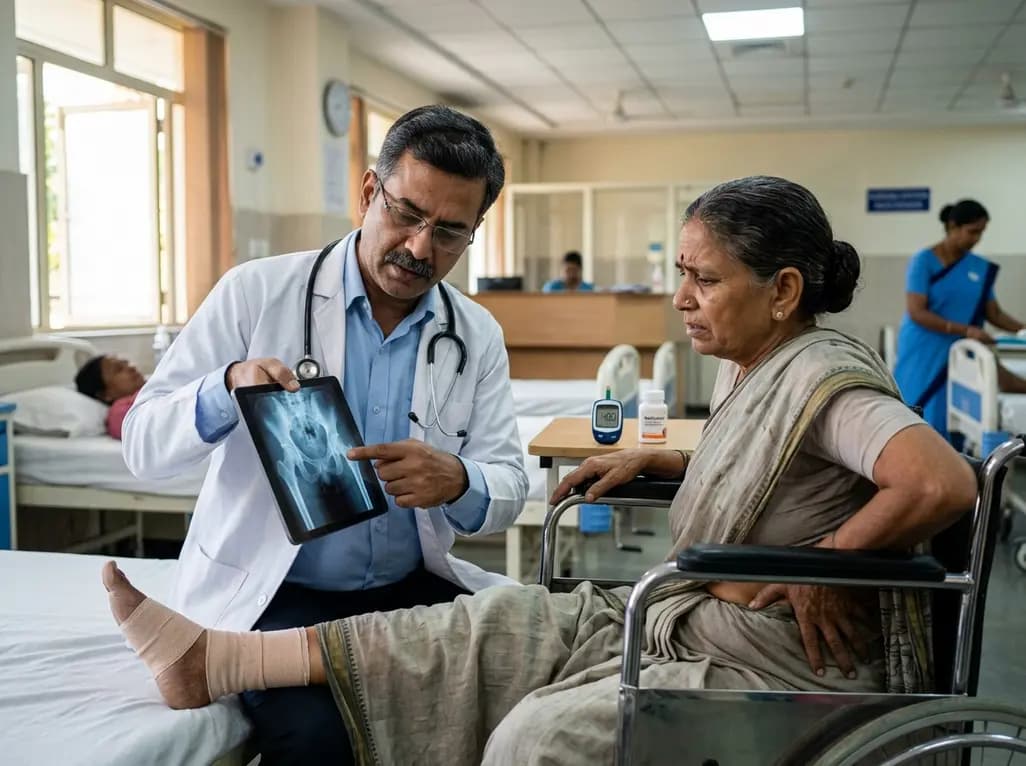
Physicians often face significant hurdles when treating older patients for hip injuries. Specifically, a Type 2 diabetes hip fracture presents a unique set of clinical challenges. A comprehensive study from Hong Kong recently examined over 52,000 hospitalized individuals aged 60 and older. The data reveals that diabetes acts as a major independent risk factor for poor outcomes in this vulnerable population.
Notably, diabetic patients suffer from higher rates of cardiovascular, kidney, and infectious complications. Furthermore, these individuals often stay in the hospital longer than those without the condition. Consequently, healthcare costs for these patients tend to rise significantly. Even when clinicians prescribe anti-osteoporosis treatments, the risk of recurrent fractures remains high for those with metabolic dysfunction.
One of the most alarming findings involves post-operative mortality. The research highlights a significant increase in both in-hospital and one-year mortality for diabetic patients. Moreover, undiagnosed diabetes also poses a substantial threat. Patients with unrecognized metabolic issues show similar patterns of increased complications and death compared to non-diabetic peers.
Therefore, hospitals must implement routine screening for metabolic dysfunction in all orthopedic admissions. Additionally, multidisciplinary teams should coordinate care to manage blood glucose and comorbid conditions effectively. This proactive strategy might eventually lower the mortality rates associated with these fractures. Clinicians should also focus on aggressive infection prevention and cardiovascular monitoring to improve survival rates.
Diabetes often impairs vascular health and the immune response. This leads to higher risks of heart issues, kidney failure, and serious infections during the recovery period following orthopedic surgery.
Undiagnosed patients typically experience worse outcomes than healthy individuals. They face higher infection rates and increased mortality, emphasizing the need for universal HbA1c screening during hospital admission.
Yes, clinical data confirms that Type 2 diabetes independently increases the risk of death both during the initial hospitalization and within one year after the injury.
Disclaimer: This content is for informational and educational purposes only and does not constitute medical advice. Always seek the advice of a physician or other qualified health provider with any questions regarding a medical condition. Refer to the latest local and national guidelines for clinical practice.
References

Read summarized clinical updates, watch expert medical content, and earn CME certifications right from your smartphone.
Open your smartphone camera to scan and install.





A study of 52,472 individuals shows that Type 2 diabetes significantly increases in-hospital complications, 1-year mortality, and recurrent fracture risks in patients aged 60 and older following hip surgery.
4 months ago
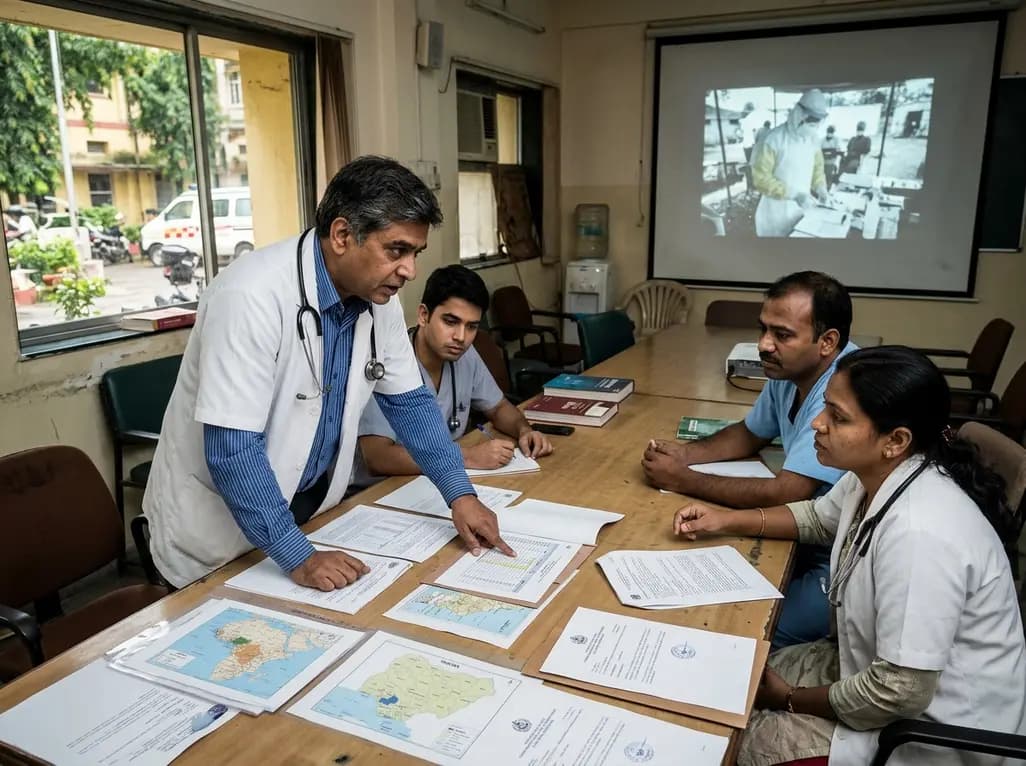
Following Nigeria's first recorded Ebola case linked to regional travel, the Africa CDC has convened an emergency ministerial summit. This alert underscores critical clinical priorities for healthcare professionals, including differentiating early viral infection from malaria, implementing barrier nursing, and triage.
Today

Leucine Rich Bio has introduced South Asia's first comprehensive vaginal microbiome test, BugSpeaks. By profiling microbial dysbiosis, pathogens, and antimicrobial resistance, this next-generation diagnostic platform provides clinicians with deeper insights into recurrent infections, fertility, and reproductive health.
Today

Review how tailored exercise programs benefit frail older patients with heart failure. Explore pathophysiological mechanisms, individualized training prescriptions, and strategies to overcome adherence barriers in clinical practice.
Today

This comparative study evaluates posterior labral tears with and without glenohumeral instability, highlighting distinct demographic patterns, MRI underestimation in stable shoulders, and successful arthroscopic repair outcomes.
Today

A clinical study demonstrates that early intervention with tocilizumab, either as monotherapy or bridged with corticosteroids, achieves significant proptosis reduction and resolves active inflammation in treatment-naive thyroid eye disease.
Today
