

Loading, please wait...
Loading, please wait...

Public health authorities across Africa have raised alert levels following cross-border transmission. Recently, the Africa Centres for Disease Control and Prevention convened an emergency ministerial conference. Consequently, clinicians worldwide must maintain heightened vigilance because Ebola virus disease presents early diagnostic hurdles that mimic routine febrile illnesses. Prompt recognition remains essential to safeguard frontline medical teams.
The current epidemiological scenario represents a significant threat to global health security. The severe outbreak originated in the Democratic Republic of Congo during May and quickly expanded through several provinces. Health agencies have already recorded more than 9,500 suspected infections and thousands of related fatalities across central territories. Furthermore, recent cross-border travel patterns enabled the pathogen to enter Kenya and Nigeria. A foreign business traveler arrived in Lagos in early October after transiting through Uganda. Although Uganda previously declared the end of its earlier transmission chain, regional transit hubs facilitate silent viral movement across borders.
Consequently, the Africa CDC scheduled an extraordinary high-level summit to align cross-border surveillance strategies. Health ministers must establish synchronized screening protocols across international transit corridors. In addition, rural communities in North Kivu continue to suffer from uncontained community spread. Many fatal outcomes occur outside formal healthcare facilities, which obstructs comprehensive surveillance. Furthermore, local transmission chains remain active in border communities where population movement is frequent. Therefore, coordinated regional leadership is vital to reinforce contact tracing networks and suppress undetected community clusters before international pathways expand further.
Differentiating acute viral hemorrhagic fevers from routine tropical illnesses poses a substantial clinical dilemma. For example, the confirmed patient in Nigeria initially received antimalarial therapy for persistent pyrexia and systemic fatigue. Because the individual failed to improve after standard therapy, attending physicians reevaluated the diagnostic trajectory. Early filovirus infection typically presents with nonspecific signs such as headache, severe myalgia, arthralgia, and gastrointestinal distress. In addition, initial clinical evaluations often overlook viral hemorrhagic fevers during the early febrile phase. Unfortunately, these manifestations closely mirror uncomplicated malaria, typhoid fever, and acute dengue infection.
Consequently, clinicians in emergency wards must obtain comprehensive travel histories for every patient presenting with acute febrile syndrome. Diagnostic delays heighten exposure risks for attending staff members and household contacts. Moreover, medical officers should not delay essential malaria microscopy while arranging specialized viral isolation. Instead, clinical teams must deploy parallel diagnostic pathways within strict barrier environments. If a febrile patient with relevant travel history demonstrates refractory symptoms, medical teams must promptly escalate suspicion for Ebola virus disease. Rapid laboratory confirmation using reverse transcriptase polymerase chain reaction ensures timely clinical containment.
The circulating pathogen in this regional surge belongs to the Bundibugyo virus species, a distinct member of the Orthoebolavirus genus. Importantly, this specific viral species presents formidable therapeutic challenges for medical providers across affected regions. Unlike the widely studied Zaire species, no approved vaccines or targeted monoclonal antibody therapies currently exist for Bundibugyo infection. Licensed countermeasures such as Ervebo and specific antibody cocktails do not confer cross-protection against this divergent filovirus. Consequently, attending clinical teams cannot deploy antigen-specific immunotherapies and must rely entirely on optimized supportive care protocols.
Therefore, rapid delivery of tailored supportive interventions directly determines patient survival rates during acute infection. Frontline clinicians must prioritize aggressive fluid and electrolyte replacement to counteract profound intravascular volume depletion caused by persistent vomiting. Additionally, timely correction of metabolic acidosis, hypoglycemia, and severe coagulopathy stabilizes cardiovascular hemodynamics. Furthermore, close monitoring in high-dependency units prevents life-threatening multiorgan failure. Healthcare practitioners must also manage secondary bacterial sepsis through the judicious administration of empirical antimicrobials. While international researchers accelerate clinical trials for candidate Bundibugyo vaccines, standardized supportive bundles remain our principal clinical defense against mortality.
Nosocomial amplification represents a persistent hazard during hemorrhagic fever outbreaks. In Nigeria, authorities identified forty-four primary contacts, and the majority comprised vulnerable healthcare personnel. This finding highlights how rapidly unprotected medical staff can become exposed during initial triage. Consequently, designated screening desks must rapidly identify potential exposures before patients enter crowded emergency waiting areas. Therefore, hospitals must enforce stringent infection prevention and control standards at every patient entry point. Triage officers should immediately isolate any patient exhibiting sudden fever combined with recent travel to affected territories.
Furthermore, medical centers must provide adequate personal protective equipment before personnel perform any invasive assessment. Healthcare workers require specialized gear, including fluid-resistant coveralls, double gloving, waterproof aprons, and full facial protection. In addition, hospitals must designate dedicated isolation wards equipped with negative pressure ventilation and strict decontamination corridors. Staff must minimize phlebotomy procedures to diminish accidental needle-stick injuries. Furthermore, facilities must implement structured buddy systems during gowning and doffing sequences. Moreover, routine environmental cleaning with certified disinfectant solutions eliminates lingering viral contaminants. These rigorous barrier protocols safeguard hospital workforces and halt secondary transmission cycles within medical institutions.
Effective epidemic containment hinges upon rapid contact tracing and rigorous epidemiological surveillance. Following Nigeria's confirmed case, public health officers initiated active surveillance for forty-four primary contacts across clinical facilities. Because modern aviation connects international commercial hubs within hours, infectious pathogens can cross continents rapidly. Consequently, healthcare providers in India must maintain high vigilance when evaluating febrile travelers returning from Central and West Africa. Emergency departments and internal medicine clinics should systematically record detailed travel itineraries and transit dates during initial clinical intake. Thus, travel screening protects vulnerable clinical staff from unanticipated occupational exposures.
Furthermore, tertiary care institutions across India must review their biosafety protocols for managing suspected viral hemorrhagic fevers. Clinicians must remain alert because initial filovirus symptoms closely resemble endemic infections such as falciparum malaria and severe leptospirosis. In addition, hospital administrations should establish clear referral pathways to accredited national reference laboratories capable of safe molecular testing. If staff detect unexplained fever in a high-risk returning traveler, they must notify public health officers without delay. Therefore, strict border vigilance combined with disciplined emergency triage protects national health security from imported viral pathogens.
Q1: Why was the index case in Nigeria initially treated for malaria?
The index patient presented with nonspecific constitutional symptoms, including acute fever, severe fatigue, and diffuse myalgia. In tropical regions, these initial signs closely mirror endemic Plasmodium falciparum malaria. Therefore, attending clinicians initially prescribed standard antimalarial therapy following common clinical protocols. However, the patient failed to show therapeutic recovery. This lack of response raised clinical suspicion among attending physicians, prompting specialized viral diagnostic testing that confirmed filovirus infection.
Q2: Are current Ebola vaccines effective against the Bundibugyo virus species?
Current approved vaccines, such as Ervebo, specifically target the Zaire ebolavirus glycoprotein and do not confer cross-protection against the Bundibugyo species. Consequently, no licensed vaccine or monoclonal antibody therapy exists for this specific strain. Clinical management relies entirely on aggressive supportive care, including early hemodynamic stabilization, fluid and electrolyte repletion, and organ function preservation while clinical research teams evaluate novel candidate vaccines in ongoing trials.
Q3: What immediate precautions should emergency departments take for febrile travelers?
Emergency departments must systematically screen all febrile individuals for recent international travel within the preceding twenty-one days. If a traveler arrives from an active outbreak region, staff must isolate the patient immediately in a designated negative-pressure unit. Furthermore, healthcare personnel must wear complete personal protective equipment before clinical contact. Clinicians must simultaneously rule out common conditions like severe malaria while notifying regional public health surveillance authorities without delay.
Disclaimer: This content is for informational and educational purposes only. It does not constitute medical advice or replace professional judgment. Refer to the latest local and national guidelines for clinical practice.
References

Read summarized clinical updates, watch expert medical content, and earn CME certifications right from your smartphone.
Open your smartphone camera to scan and install.





Following Nigeria's first recorded Ebola case linked to regional travel, the Africa CDC has convened an emergency ministerial summit. This alert underscores critical clinical priorities for healthcare professionals, including differentiating early viral infection from malaria, implementing barrier nursing, and triage.
Today
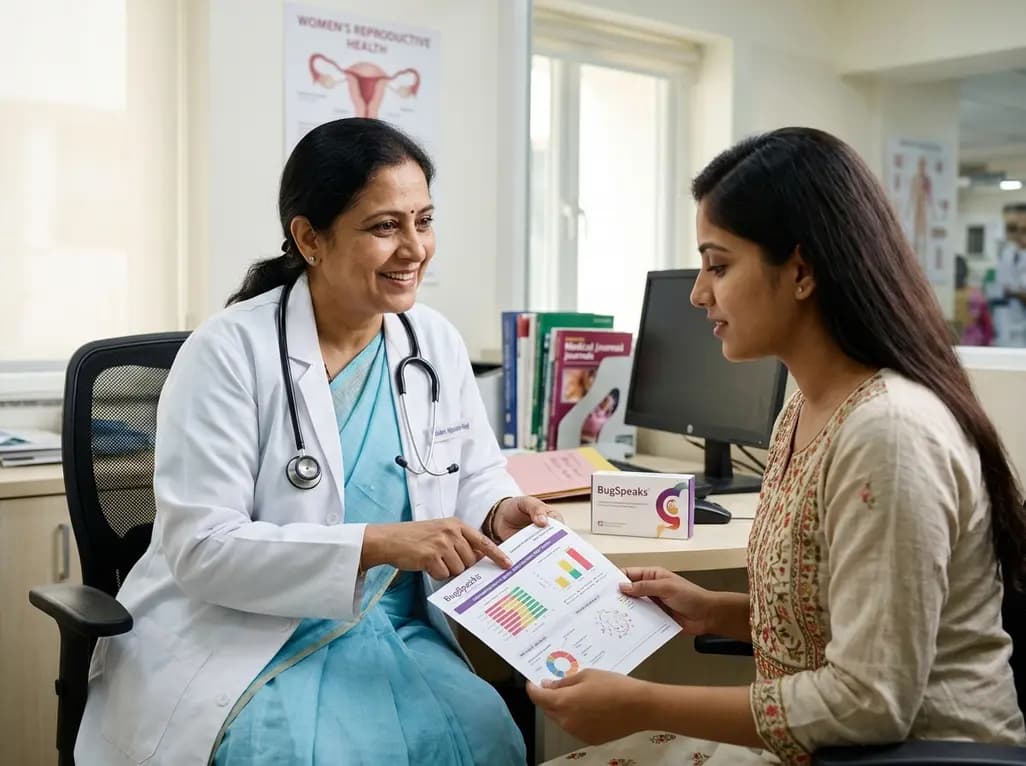
Leucine Rich Bio has introduced South Asia's first comprehensive vaginal microbiome test, BugSpeaks. By profiling microbial dysbiosis, pathogens, and antimicrobial resistance, this next-generation diagnostic platform provides clinicians with deeper insights into recurrent infections, fertility, and reproductive health.
Today
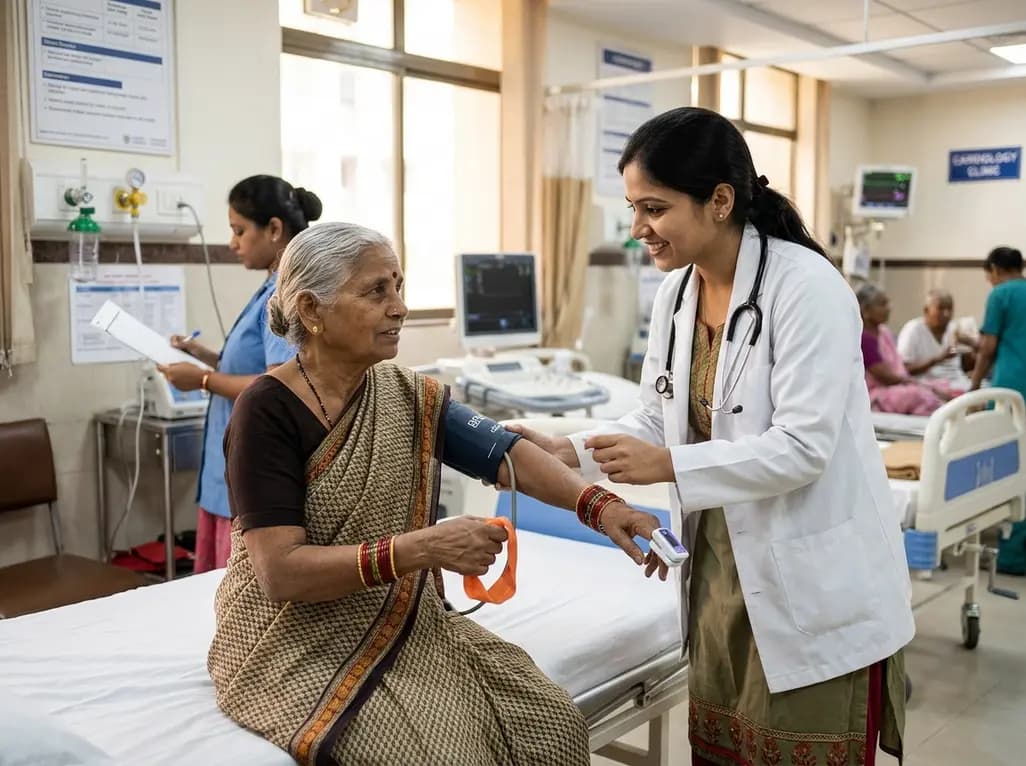
Review how tailored exercise programs benefit frail older patients with heart failure. Explore pathophysiological mechanisms, individualized training prescriptions, and strategies to overcome adherence barriers in clinical practice.
Today

This comparative study evaluates posterior labral tears with and without glenohumeral instability, highlighting distinct demographic patterns, MRI underestimation in stable shoulders, and successful arthroscopic repair outcomes.
Today
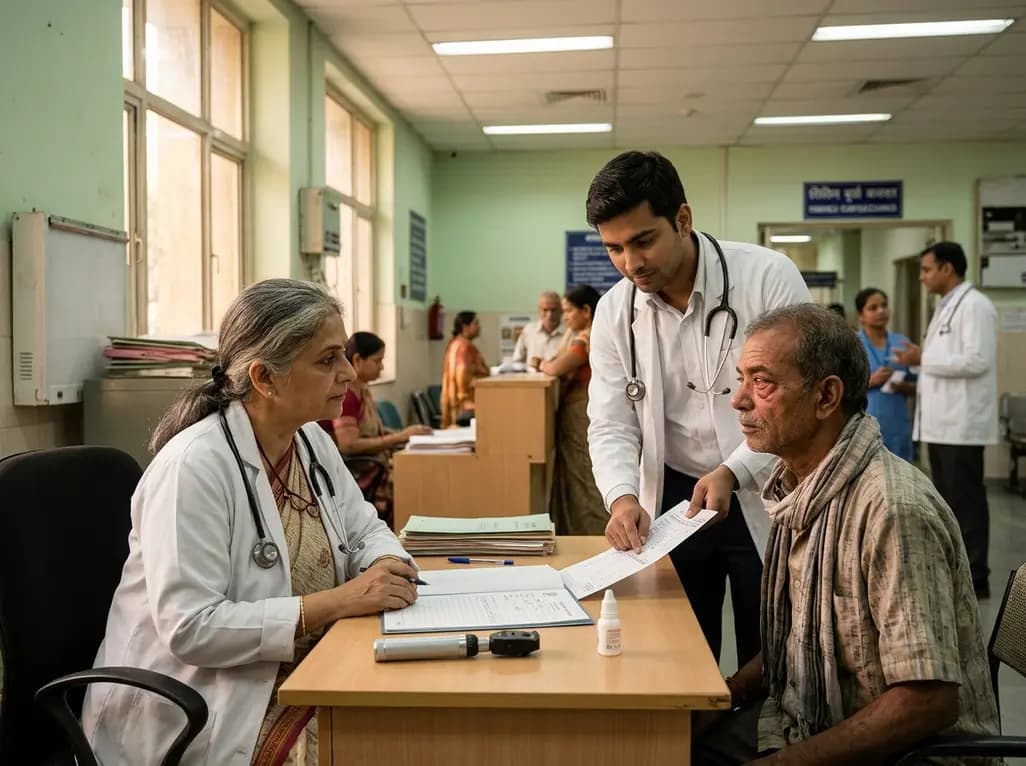
A clinical study demonstrates that early intervention with tocilizumab, either as monotherapy or bridged with corticosteroids, achieves significant proptosis reduction and resolves active inflammation in treatment-naive thyroid eye disease.
Today
