.webp&w=384&q=75)

Loading, please wait...
Loading, please wait...
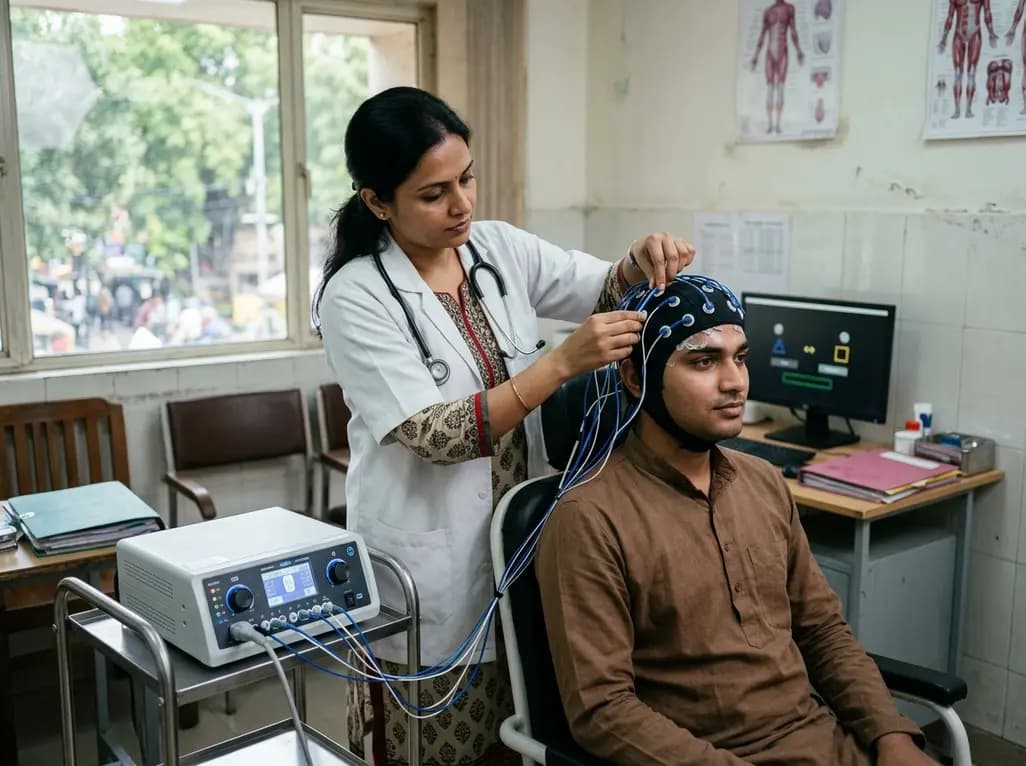
Emotional dysregulation remains a cornerstone of various psychiatric disorders, yet current pharmacological interventions often fall short of addressing acute regulatory failures. Consequently, researchers have turned their attention toward non-invasive brain stimulation as a potential adjunct therapy. Transcranial random noise stimulation (tRNS) is a relatively novel form of electrical stimulation that has shown significant promise in modulating neural activity. Unlike its predecessor, transcranial direct current stimulation, tRNS utilizes an alternating current with random frequencies and amplitudes. This creates a state of stochastic resonance within the cortex, effectively enhancing the signal-to-noise ratio of neuronal firing. Specifically, high-frequency tRNS appears to be particularly potent at increasing cortical excitability across the targeted region. A recent clinical trial has highlighted the efficacy of targeting the left dorsolateral prefrontal cortex (DLPFC) to mitigate negative affect induced by emotional challenges. By investigating the intersection of neuromodulation and emotional resilience, this study provides a framework for understanding how acute interventions bolster executive control. For clinicians in India, where the burden of mood and anxiety disorders is significant, these advancements offer a glimpse into a future of rapid-acting neurotherapeutic strategies.
The dorsolateral prefrontal cortex, particularly the left hemisphere, is a critical hub for executive functions such as working memory and inhibitory control. Moreover, these executive processes are inextricably linked to emotion regulation. When an individual encounters a traumatic or highly distressing stimulus, the left DLPFC must work to downregulate the amygdala's response through top-down inhibitory pathways. If this regulatory system is taxed or underactive, emotion dysregulation occurs, leading to increased distress and cognitive impairment. Therefore, enhancing the activity of the left DLPFC via transcranial random noise stimulation provides the neural boost needed to maintain emotional stability during stress. Historically, studies focused on different forms of stimulation for this purpose; however, tRNS may offer superior results due to its unique ability to induce long-term potentiation-like effects with minimal sensory discomfort. By specifically targeting the F3 region, clinicians can non-invasively interact with the circuits that govern our ability to process feelings. This approach is particularly relevant for patients who struggle with the cognitive load of psychotherapy during acute anxious episodes. Consequently, improving the functional connectivity of this region remains a primary goal for modern neuropsychiatry.
Researchers conducted a single-blind, randomized, sham-controlled clinical trial evaluating the effects of transcranial random noise stimulation in a sample of 60 healthy participants. To simulate the failures of emotion regulation seen in clinical populations, the team utilized an experimental model of acute emotional challenge. This involved exposing subjects to 50 traumatic images designed to induce significant negative affect and tax executive resources. Following this induction, participants were randomized into six distinct groups: Sham, Emotion Dysregulation (Edys), Left unilateral tRNS (L-tRNS), Bilateral tRNS, and combinations thereof. The active intervention involved applying 2 mA of current for 20 minutes. Assessments were comprehensive, employing the Difficulties in Emotion Regulation Scale (DERS) and the Paced Auditory Serial Addition Test (PASAT) to measure emotional and executive outcomes. Additionally, the researchers used the Emotion Regulation Questionnaire and the Cognitive Emotion Regulation Questionnaire to gain a holistic view of the participants' strategies. This rigorous design allowed the team to isolate the specific effects of left-sided versus bilateral stimulation. Notably, the use of a healthy sample provides a clean baseline to understand the immediate neurophysiological impact of the stimulation before translating these findings into clinical settings.
One of the most striking findings of the trial was the clear superiority of unilateral left-sided stimulation over bilateral approaches. Specifically, active left unilateral transcranial random noise stimulation following the emotional induction produced the greatest improvements in both emotion regulation and executive function measures. While bilateral stimulation also showed some benefits, the effects were notably smaller and less consistent across the cohort. This discrepancy suggests that the precise lateralization of stimulation is paramount for achieving optimal results in the prefrontal cortex. Unilateral stimulation likely avoids the potentially interfering effects of stimulating the right DLPFC, which has a distinct role in emotional processing and withdrawal-related affect. Furthermore, the improvements observed in the L-tRNS group significantly outperformed both the sham and the induction-only groups. This indicates that the stimulation did not just return the participants to baseline but actually enhanced their regulatory capacity beyond the normal state. These results reinforce the importance of the left DLPFC as the primary target for interventions aimed at bolstering cognitive control. For practitioners, these findings underscore the need for precision when applying neuromodulation, as more stimulation through bilateral leads does not always equate to better clinical outcomes.
The study also provided critical insights into the relationship between emotion regulation and executive functions. The researchers observed impairments in the Paced Auditory Serial Addition Test following the induction of emotion dysregulation. However, the application of transcranial random noise stimulation effectively reversed these deficits. This suggests that tRNS over the left DLPFC facilitates the neural resources required to maintain cognitive performance even under emotional duress. When the brain is preoccupied with managing distressing emotions, executive capacity is typically reduced, leading to cognitive fatigue. By improving task performance, tRNS demonstrates a dual benefit: it stabilizes mood while simultaneously preserving cognitive agility. Moreover, the improvements in emotion regulation scores mirrored the gains in executive performance, confirming that these two domains are functionally linked. Consequently, neuromodulation could serve as a powerful tool for priming the brain for cognitive-behavioral interventions. If a patient’s executive function is enhanced via tRNS, they may become more capable of utilizing the complex cognitive reappraisal strategies taught in therapy. This synergy between biological and psychological treatments represents a major step forward in integrated management.
While these preliminary findings are highly encouraging, the researchers correctly advocate for caution due to the small sample size and the use of a non-clinical population. Nevertheless, the study sets a vital precedent for the use of transcranial random noise stimulation as a rapid intervention for acute emotional challenges. In the Indian medical landscape, where access to specialized mental health care can be limited, non-invasive and affordable technologies like tRNS could play a transformative role. Future research should prioritize large-scale replications and investigate the long-term durability of these effects in clinical populations, such as those with PTSD or Major Depressive Disorder. Additionally, exploring the optimal dosage and frequency of sessions will be essential for developing standardized treatment protocols. As India continues to expand its neurotechnology infrastructure, integrating tRNS into clinical centers could provide a new lifeline for patients struggling with psychiatric illness. Ultimately, this trial serves as a successful proof-of-concept, suggesting that we can indeed tune the brain's regulatory systems to better withstand the storms of emotional distress and improve overall mental resilience.
Transcranial random noise stimulation is distinct because it uses a random range of frequencies, unlike transcranial direct current stimulation, which uses a constant flow. This random electrical activity promotes stochastic resonance, which enhances the brain's signal processing capabilities. Consequently, tRNS is often reported to be more comfortable for patients and potentially more effective at inducing long-lasting changes in cortical excitability, making it a promising alternative for treating various neuropsychiatric conditions.
The left dorsolateral prefrontal cortex is a key region responsible for top-down executive control and emotion regulation. Research indicates that this area helps inhibit the amygdala’s response to distressing stimuli. By stimulating the left DLPFC with transcranial random noise stimulation, researchers aim to strengthen the neural pathways that allow individuals to manage their emotions effectively. This study confirmed that targeting this specific region helps ameliorate the cognitive and emotional failures triggered by traumatic imagery.
While the results are promising, they were obtained from a healthy sample of individuals under experimental stress. Therefore, further clinical trials involving patients with diagnosed conditions like depression or PTSD are necessary before widespread clinical implementation. However, the study provides a strong neurophysiological basis for using transcranial random noise stimulation as a therapeutic tool. Clinicians should monitor emerging research and follow local guidelines as this technology moves closer to becoming a standardized treatment in psychiatric practice.
Disclaimer: This content is for informational and educational purposes only... Refer to the latest local and national guidelines for clinical practice.
References
Hajiaqaei M et al. Transcranial random noise stimulation (tRNS) over the left dorsolateral prefrontal cortex ameliorates emotion dysregulation and executive function: a single-blind, randomized, sham-controlled clinical trial. BMC Psychol. 2026 Jul 17. doi: 10.1186/s40359-026-05214-w. PMID: 42469906.
Palm U, et al. (2016). Transcranial random noise stimulation (tRNS): a wide range of frequencies is needed for increasing cortical excitability. PubMed.
Simonsmeier BA, et al. (2018). The effects of transcranial random noise stimulation (tRNS) on learning: A meta-analysis. Chinese Journal of Biomedical Engineering.
"
Read summarized clinical updates, watch expert medical content, and earn CME certifications right from your smartphone.
Open your smartphone camera to scan and install.





A new clinical trial explores how transcranial random noise stimulation (tRNS) over the left dorsolateral prefrontal cortex can significantly improve emotion regulation and executive function after acute emotional challenges, offering hope for new psychiatric interventions.
3 months ago

Following regulatory scrutiny from FSSAI regarding promotional representations and lean muscle preservation claims, Dr. Reddy's Laboratories and Nestlé Health Science are currently reviewing the branding and marketing strategy for their joint nutritional supplement Celevida GLP+.
Today

A comprehensive scoping review synthesises evidence linking prenatal maternal mental health to long-term offspring neurodevelopment, evaluating neuroendocrine, inflammatory, and epigenetic pathways while highlighting clinical screening and future research priorities.
Today

The Directorate General of Health Services directs Indian states to halt the hazardous reuse and reprocessing of single-use medical devices. Discover regulatory implications under the Drugs and Cosmetics Act, critical infection risks, legal liabilities, and operational changes required across clinical specialties.
Today
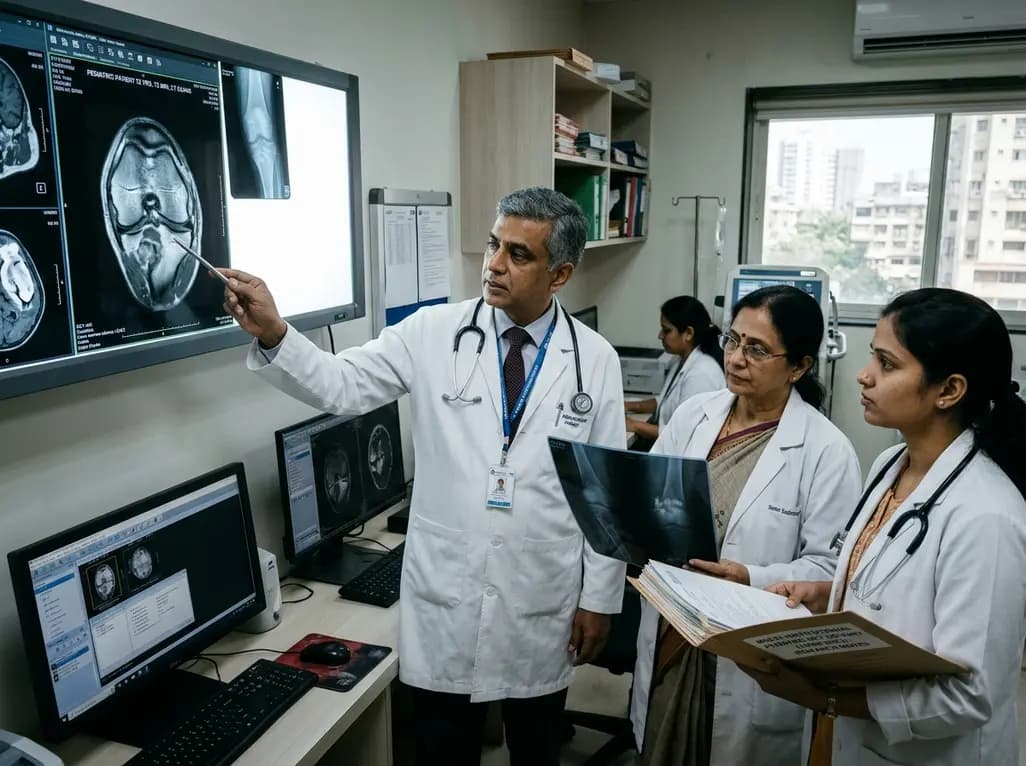
A 25-year multi-institutional cohort reveals high recurrence rates in pediatric giant cell tumor of bone, particularly in patients with open physes and bone marrow edema on preoperative MRI. Early surveillance and careful balance between growth plate preservation and tumor clearance are essential.
Today

India is advancing preventive healthcare by integrating genomics, artificial intelligence, and quantum technologies. With the SANGAM programme sequencing one million Indian genomes, clinicians can unlock personalized therapies, detect cardiometabolic risks early, and curb the burden of diabetes and heart disease.
Today
