.webp&w=384&q=75)

Loading, please wait...
Loading, please wait...

Transient global amnesia is an acute, temporary disruption of short-term memory that typically resolves within twenty-four hours. Although clinical researchers recognize various physical and emotional triggers, cold water immersion represents a particularly distinctive provoking factor. Open water swimming has experienced massive growth across international communities in recent years. Consequently, clinicians observe a corresponding rise in exercise-associated neurological events. A groundbreaking descriptive study investigated eleven open water swimmers who suffered sudden amnesic events during or immediately after cold water activities. The authors collected detailed witness accounts, environmental variables, and symptom timelines to characterize these enigmatic presentations. Most individuals demonstrated profound anterograde amnesia, marked temporal disorientation, and persistent repetitive questioning while preserving their personal identity. Understanding these occurrences allows emergency physicians, neurologists, and sports medicine practitioners to recognize benign neurological syndromes promptly. Furthermore, comprehensive clinical awareness prevents unnecessary invasive interventions while ensuring patient safety in aquatic environments.
Transient global amnesia presents as a dramatic, sudden inability to form new episodic memories, yet motor function and semantic memory remain completely intact. During an episode, swimmers typically execute complex swimming strokes and exit the water safely before bystanders notice cognitive changes. In the descriptive study of open water swimmers, seven females and four males experienced acute amnesic symptoms during recreational sessions. Observers frequently reported that individuals repeated the exact same questions every few minutes because their brains failed to consolidate recent experiences. Interestingly, the majority of swimmers retained basic procedural competence throughout the amnesic window. They could dry themselves, manage their swim gear, and recognize familiar companions without difficulty. However, they exhibited profound confusion regarding the date, time of day, and their recent physical actions. These observations closely mirror classic diagnostic criteria established for neurological amnesic episodes. Because these events frequently unfold in remote coastal or freshwater settings, witnesses and fellow swimmers play an essential role in providing accurate medical histories. Recognizing this unique presentation helps clinicians differentiate acute neurological events from primary psychiatric distress or traumatic head injury.
The qualitative investigation yielded valuable insights into the clinical course of swimming-induced amnesic events. Most participants experienced symptom onset during the swim or within minutes of stepping onto dry land. In addition, the duration of memory impairment ranged from two to eight hours, with gradual cognitive recovery occurring over the subsequent day. Swimmers consistently described a dense amnesic gap encompassing the swim and the immediate post-swim hours. Notably, few participants sought prompt emergency evaluation, and most did not receive a formal diagnosis at the time of onset. A lack of initial awareness among swimmers and primary care clinicians often contributed to delayed assessments. Despite the absence of early neuroimaging, the reported clinical trajectories aligned robustly with classic transient global amnesia patterns. Swimmers did not exhibit focal neurological deficits, cranial nerve palsies, or alterations in consciousness. Furthermore, follow-up reports confirmed that cognitive faculties returned entirely to baseline without enduring memory impairment. These qualitative accounts emphasize the necessity of educating aquatic sports clubs regarding post-exposure confusion, ensuring appropriate recognition and medical triaging following cold immersion.
The physiological mechanisms linking open water immersion to transient global amnesia involve complex vascular and metabolic interactions. Sudden exposure to cold water triggers intense cutaneous vasoconstriction and massive sympathetic nervous system activation. Consequently, peripheral blood shifts inward, significantly elevating central venous pressure and systemic blood pressure. During vigorous swimming, individuals often perform intermittent Valsalva maneuvers or forceful exhalations against water resistance. Medical researchers hypothesize that elevated thoracic pressure impairs cerebral venous return through the internal jugular veins. In individuals with competent or incompetent jugular venous valves, retrograde venous hypertension can produce transient venous congestion in the bilateral hippocampi. The CA1 sector of the hippocampus exhibits exceptional vulnerability to metabolic stress and focal venous ischemia. Therefore, temporary cellular energetic failure in hippocampal neurons temporarily disrupts memory consolidation mechanisms. In addition, acute cold shock induces cerebral vasoconstriction and transient hyperventilation, which further alters regional cerebral perfusion. Although this hippocampal dysfunction remains temporary, the resulting energetic crisis produces the profound, reversible anterograde amnesia characteristic of the condition.
When an open water swimmer presents with sudden confusion, clinicians must swiftly differentiate transient global amnesia from life-threatening emergencies. Acute ischemic stroke involving the posterior cerebral circulation or bilateral thalamic structures can mimic isolated amnesia. However, acute cerebrovascular events usually produce additional signs, including visual field deficits, limb weakness, or sensory loss. Similarly, transient epileptic amnesia presents with brief, recurrent episodes lasting under an hour, frequently occurring upon awakening. Clinicians must also exclude severe hypothermia, carbon monoxide toxicity from motorized support boats, hypoglycemia, and head trauma sustained during swimming. Therefore, emergency evaluation requires a detailed neurological examination and fingerstick glucose testing. When diagnostic uncertainty persists, physicians should obtain magnetic resonance imaging with diffusion-weighted sequences. Diffusion-weighted MRI often demonstrates tiny, punctate hyperintense lesions in the lateral hippocampus twenty-four to forty-eight hours post-onset, confirming the clinical diagnosis. Because the condition is self-limiting and carries a very low recurrence rate, routine long-term antithrombotic therapy is not indicated. Clinicians should provide calm reassurance, safe observation, and clear discharge instructions to alleviate patient and family anxiety.
Experiencing an amnesic episode in an aquatic environment creates substantial safety hazards, including accidental drowning, disorientation, and acute panic. Consequently, sports medicine clinicians and swimming organizations must establish clear harm-reduction strategies. Swimmers should always avoid solo swimming, particularly in cold open waters below fifteen degrees Celsius. Swimming with an informed buddy or organized group ensures immediate assistance if cognitive confusion arises upon exiting the water. Furthermore, swimmers must acclimatize gradually to water temperature rather than jumping in abruptly. Wearing appropriate thermal gear, such as high-grade neoprene wetsuits, swim caps, and booties, reduces sudden peripheral vasoconstriction and cold shock responses. Swimmers should also maintain regular breathing patterns to minimize strenuous Valsalva straining during long swimming sessions. If an athlete experiences an amnesic episode, they should immediately pause open water activities until a physician conducts a comprehensive neurological review. Although the long-term prognosis remains benign, adopting these sensible precautions safeguards cognitive health while supporting continued participation in recreational swimming.
An episode of transient global amnesia typically lasts between two and eight hours, although subtle memory clearing can take up to twenty-four hours. During this period, the swimmer cannot form new episodic memories and may repeatedly ask identical questions. Fortunately, the syndrome is completely self-limiting. Cognitive functions, procedural skills, and personal identity return entirely to baseline, leaving only a permanent amnesic gap for the duration of the acute episode.
No, extensive clinical evidence demonstrates that transient global amnesia does not increase future stroke risk or indicate underlying cerebrovascular disease. The pathophysiology involves transient hippocampal venous congestion rather than arterial thromboembolism. Long-term cardiovascular outcomes for patients with isolated amnesia remain comparable to the general population. Consequently, patients do not require long-term antiplatelet therapy or aggressive stroke prophylaxis once clinicians rule out true acute ischemic stroke.
Most individuals can safely resume swimming after a thorough medical and neurological evaluation rules out alternative conditions like epilepsy or stroke. Because recurrence rates remain low, around five to ten percent over several years, permanent activity cessation is rarely necessary. However, swimmers should implement strict safety measures, including avoiding cold shock, wearing insulating wetsuits, never swimming alone, and ensuring gradual acclimation to colder aquatic environments.
Disclaimer: This content is for informational and educational purposes only and should not be considered medical advice. Always consult a qualified healthcare professional regarding any medical condition or before making healthcare decisions. Refer to the latest local and national guidelines for clinical practice.
References
Elliott D et al. A Descriptive Analysis of Transient Global Amnesia-Like Cases in Open Water Swimmers. Sports Med. 2026 Aug 13. doi: 10.1007/s40279-026-02527-z. PMID: 42593615.
Tuohy C, Polania Zuleta GA. Transient Global Amnesia Triggered by Cold Water Swimming: A Series of 9 Cases Presenting to a Hospital on the Coast of Ireland Within 5 Years. Eur J Case Rep Intern Med. 2025;12(3):005112.
Ffrench R, Smith MD, Henderson E. Case of transient global amnesia-like syndrome after recreational cold-water swimming. BMJ Case Rep. 2023;16(6):e253125.

Read summarized clinical updates, watch expert medical content, and earn CME certifications right from your smartphone.
Open your smartphone camera to scan and install.





A descriptive qualitative study explores transient global amnesia-like episodes in open water swimmers. Discover clinical manifestations, cold water triggers, diagnostic distinctions, and safety protocols for aquatic sports enthusiasts.
last month

A secondary analysis of an HIV cure-related trial in South Africa highlights the acceptability and safety of serial excisional lymph node and gut biopsies among young women. Clear communication, empathetic care, and altruistic motives helped mitigate initial apprehension and sustain longitudinal trial engagement.
Today

Explore the crucial link between dietary protein and immunocompetence. This review examines how low-protein nutrition shifts metabolic resources away from pathogen defense toward early reproduction, compromising host survival and immunity against severe bacterial infections.
Today
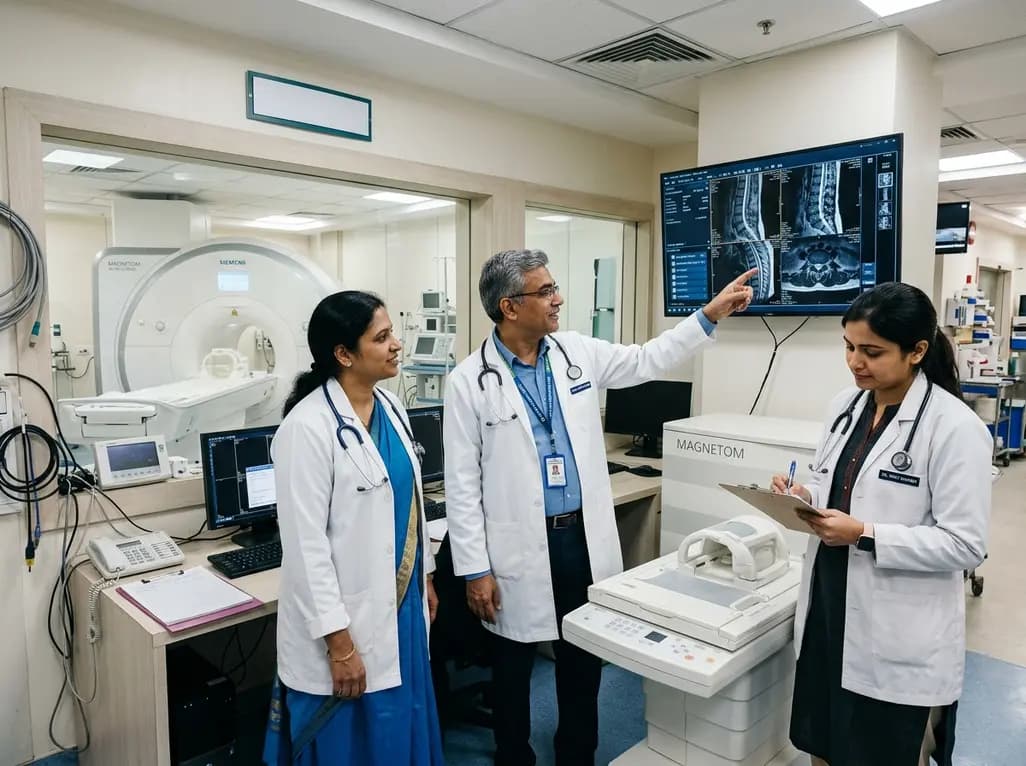
Under India's PLI initiative, domestic production of 57 critical medical devices has commenced, including MRI and CT scanners, cath labs, and heart valves. Global partnerships and local investments are expanding high-end technology, curbing import reliance, and strengthening clinical accessibility nationwide.
Today
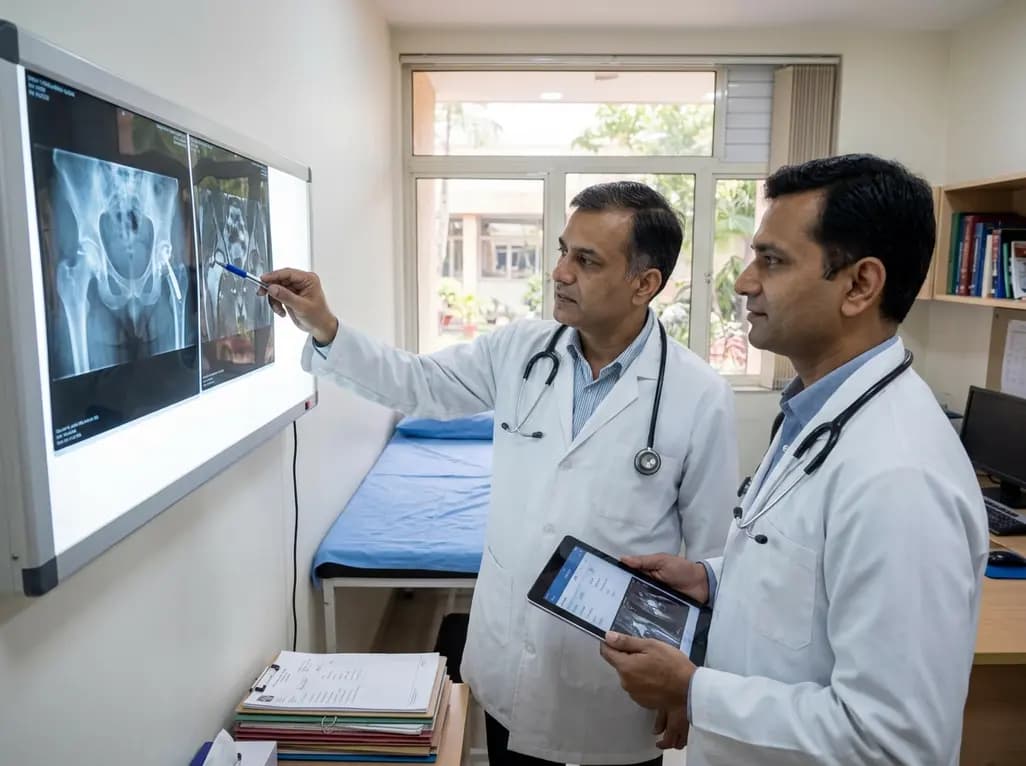
A longitudinal study reveals that patients undergoing staged bilateral hip arthroscopy experience progressive contralateral labral deterioration during surgical intervals. However, structural degradation does not compromise 2-year postoperative clinical outcomes or patient-reported satisfaction scores.
Today

New immunological research reveals how PTPN22 forms a delayed inhibitory signaling complex to restrain T cell activation, explaining how the autoimmune-linked R620W variant disrupts feedback control and promotes persistent inflammation in conditions like rheumatoid arthritis and type 1 diabetes.
Today
