.webp&w=384&q=75)

Loading, please wait...
Loading, please wait...

Immune checkpoint inhibitors have revolutionized modern oncology across multiple tumor types. However, immune checkpoint inhibitor therapy can trigger severe immune-related adverse events that cause substantial morbidity. Specifically, severe ICI myopathy-myocarditis represents an aggressive overlap syndrome with high inpatient mortality. First-line therapy traditionally relies on high-dose corticosteroids, but many patients experience refractory disease. Therefore, oncologists, cardiologists, and neurologists urgently require reliable second-line immunosuppressive strategies. Emerging translational evidence highlights interleukin-6 pathway upregulation in affected skeletal and cardiac tissues. Consequently, targeting the interleukin-6 receptor offers a biologically plausible therapeutic mechanism. A landmark Canadian cohort study recently provided essential insights into acute and long-term outcomes following tocilizumab administration. These observations help guide multidisciplinary clinical decision-making for critically ill patients.
Severe ICI myopathy-myocarditis develops when immune checkpoint blockade disrupts normal peripheral immune tolerance. Consequently, autoreactive T cells infiltrate striated muscles and the myocardium simultaneously. This dual involvement frequently causes rapidly progressive weakness and life-threatening hemodynamic instability. Pathological assessments demonstrate profound macrophage infiltration alongside intense CD8+ T-cell activity. Furthermore, inflammatory gene expression profiling confirms robust upregulation of the interleukin-6 signaling pathway in inflamed muscle fibers. Interleukin-6 exacerbates systemic inflammation, promotes immune cell recruitment, and perpetuates local tissue destruction. Standard high-dose corticosteroids frequently fail to suppress this cytokine cascade quickly enough in refractory patients. In addition, persistent cardiotoxicity can precipitate lethal cardiac arrhythmias or severe cardiogenic shock. Therefore, early consideration of targeted interleukin-6 receptor blockade with tocilizumab represents a promising strategy to neutralize inflammation before irreversible organ failure occurs.
Recognizing the overlap between myopathy, myasthenia gravis-like symptoms, and myocarditis remains diagnostically demanding. Patients often present initially with general fatigue and progressive proximal limb weakness. However, oculobulbar manifestations such as ptosis, diplopia, dysarthria, and dysphagia can emerge rapidly. Simultaneously, subclinical or overt myocardial inflammation frequently progresses without conspicuous early symptoms. Clinicians must maintain a high index of suspicion and perform prompt baseline investigations. Serum creatine kinase, cardiac troponin I or T, and natriuretic peptides require serial monitoring. Additionally, comprehensive evaluation includes electrocardiography, echocardiography, and electromyography to distinguish peripheral nerve, neuromuscular junction, and muscle pathology. Cardiac magnetic resonance imaging provides definitive visualization of myocardial edema and late gadolinium enhancement. Because early clinical deterioration can accelerate rapidly, clinicians should escalate diagnostics without delay to avoid catastrophic cardiorespiratory collapse.
When high-dose corticosteroids and initial rescue therapies fail, treatment escalation becomes vital. In a Canadian tertiary center study, investigators evaluated eleven patients with Common Terminology Criteria for Adverse Events grade 3 or 4 disease. Eight of these patients received second-line tocilizumab at a median of 13 days after hospital admission. Clinicians administered tocilizumab after noting insufficient recovery on conventional first-line immunosuppression. Interestingly, every patient receiving tocilizumab experienced noticeable improvement in skeletal muscle weakness. Nevertheless, in-hospital mortality remained substantial, as only four of the eight treated patients survived the acute inpatient hospitalization. This discrepancy underscores that timing remains crucial during acute clinical management. Escalating immunosuppression earlier in the disease course could prevent refractory myocardial necrosis. Consequently, clinicians must evaluate candidates for interleukin-6 receptor blockade before irreversible multisystem injury develops.
Long-term follow-up of acute-phase survivors reveals encouraging functional trajectories. In the cohort, surviving patients achieved a median follow-up duration of 8.1 months. Furthermore, their final functional status improved markedly, reaching a median Common Terminology Criteria for Adverse Events grade of 1. Notably, limb motor strength normalized significantly faster than oculobulbar deficits in recovering patients. Persistent mild ptosis or ocular weakness required ongoing rehabilitation and supportive care. However, patients eventually regained functional independence in activities of daily living without experiencing severe chronic disability. Importantly, surviving patients did not require permanent invasive ventilatory support after discharge. These longitudinal data show that acute-phase survival enables substantial neuromuscular recovery. Therefore, aggressive supportive care combined with targeted immunosuppression offers meaningful functional rehabilitation for patients navigating severe toxicities.
Managing severe immune-related adverse events always involves delicate balancing between toxicity resolution and cancer control. In this cohort, no patients were rechallenged with immune checkpoint inhibitors following recovery. Despite therapy cessation, most acute-phase survivors maintained partial oncologic responses for several months. Eventually, tumor progression occurred at a median of eight months post-admission. These findings demonstrate that potent immunosuppression with tocilizumab does not immediately abrogate underlying anti-tumor immune responses. Furthermore, the findings highlight the need for prospective multi-center registries to optimize dosing, timing, and combination protocols. Future clinical trials must clarify whether upfront interleukin-6 blockade reduces inpatient mortality compared to delayed salvage therapy. Ultimately, coordinated collaboration among oncologists, neurologists, and cardiologists is essential to maximize survival and safeguard long-term functional recovery.
The combination of skeletal muscle breakdown and myocardial inflammation causes rapid cardiorespiratory failure. Patients frequently develop lethal arrhythmias, cardiogenic shock, and severe respiratory muscle weakness. High-dose corticosteroids often prove inadequate alone, leading to high in-hospital mortality without timely second-line immunosuppressive intervention.
Tocilizumab acts as an interleukin-6 receptor antagonist that halts cytokine-driven immune destruction. Because interleukin-6 pathways are significantly upregulated in affected striated muscle, tocilizumab blocks downstream inflammatory signaling. This targeted mechanism promotes motor strength recovery and helps suppress refractory systemic inflammation in affected patients.
Rechallenging patients after grade 3 or 4 myopathy-myocarditis is generally contraindicated due to high fatality risks. In clinical studies, patients discontinued immunotherapy permanently. Oncologists instead rely on alternative systemic therapies or close observation, as previous anti-tumor immune responses often persist for several months.
Disclaimer: This content is for informational and educational purposes only and does not constitute formal medical advice. Healthcare professionals should evaluate clinical decisions independently and refer to the latest local and national guidelines for clinical practice.
References

Read summarized clinical updates, watch expert medical content, and earn CME certifications right from your smartphone.
Open your smartphone camera to scan and install.





A Canadian cohort study evaluates second-line tocilizumab for severe ICI myopathy-myocarditis, showing limb motor recovery and favorable long-term functional stability among survivors.
4 weeks back
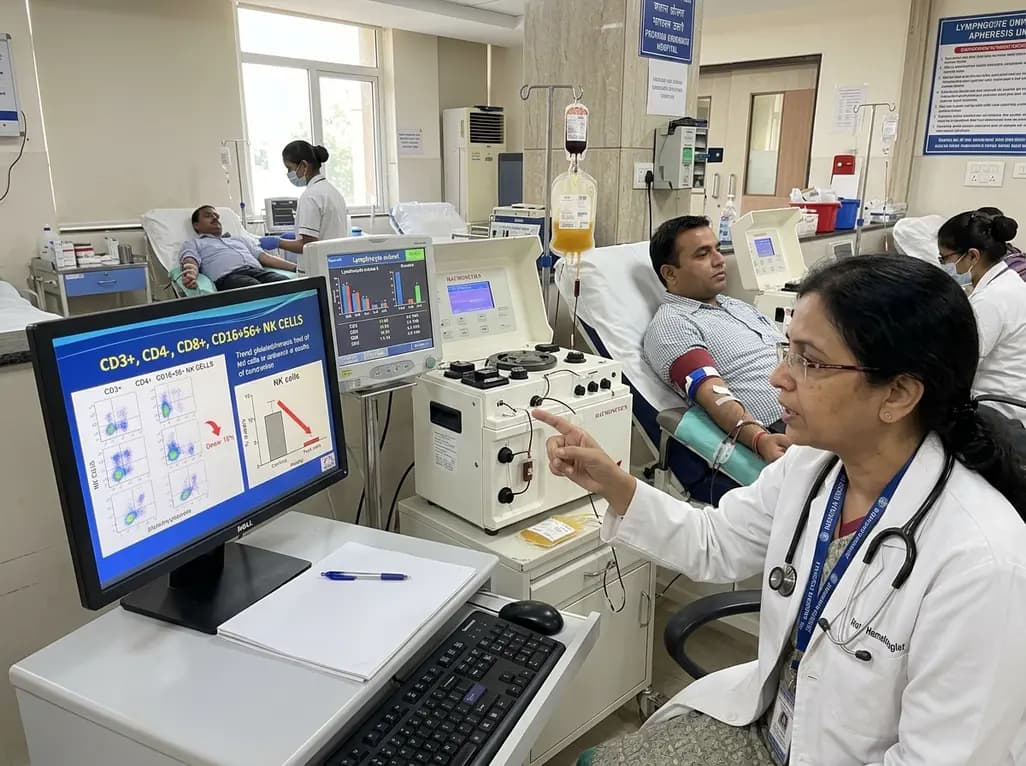
A landmark study assesses how frequent plateletpheresis alters peripheral immune profiles. Regular donors demonstrate notable reductions in circulating natural killer cells, emphasizing the critical need for routine lymphocyte subset surveillance in long-term blood donor safety programs.
Today
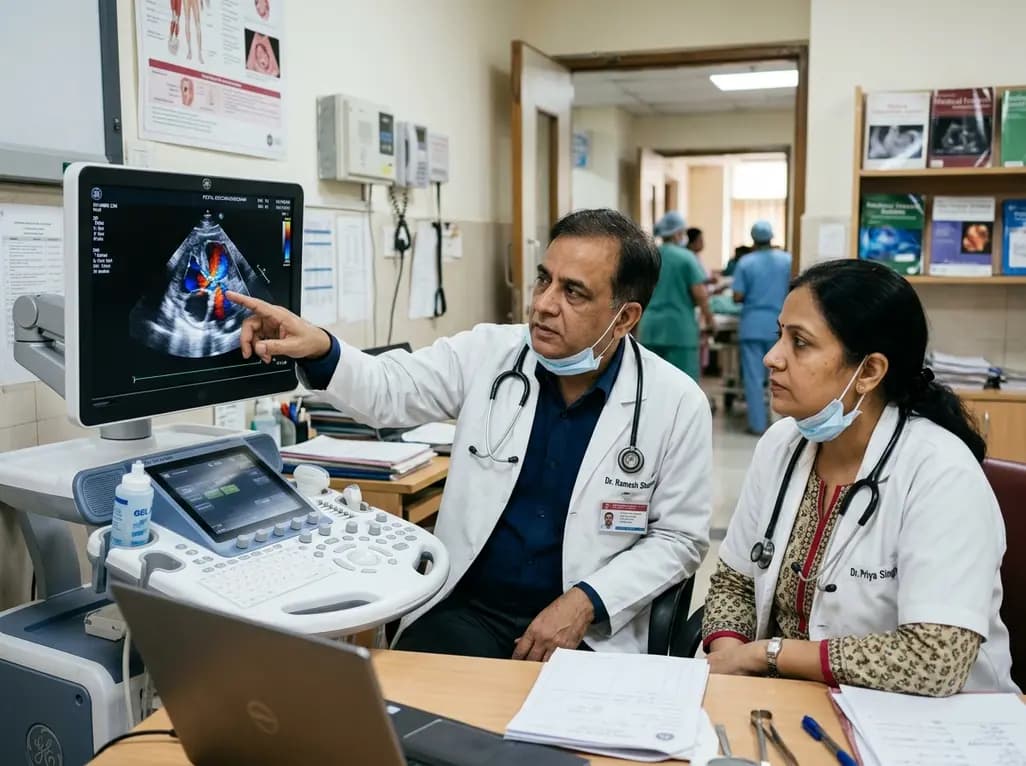
Fetal foramen ovale restriction typically emerges in the third trimester with right heart enlargement. Evidence demonstrates it does not independently mandate cesarean delivery, and over 93% of postnatal cardiac findings resolve spontaneously within one year, supporting conservative obstetric management.
Today

The latest WHO Global Health Estimates highlight India's life expectancy reaching 71 years alongside a healthy lifespan of 60.6 years. While longevity rebounds post-pandemic, non-communicable conditions now account for three-quarters of top mortalities, underscoring urgent clinical shifts in routine primary care.
Today

New biomechanical research reveals that foot-strike angle significantly influences knee energy absorption during cutting tasks in female soccer players. Understanding these kinematic patterns offers clinicians valuable pathways for targeted ACL injury prevention and athletic retraining.
Today

A comprehensive review analyzes periconceptional GLP-1 receptor agonist exposure, revealing reassuring data on congenital anomalies and adverse perinatal outcomes while emphasizing the need for cautious patient counseling.
Today
