.webp&w=384&q=75)

Loading, please wait...
Loading, please wait...
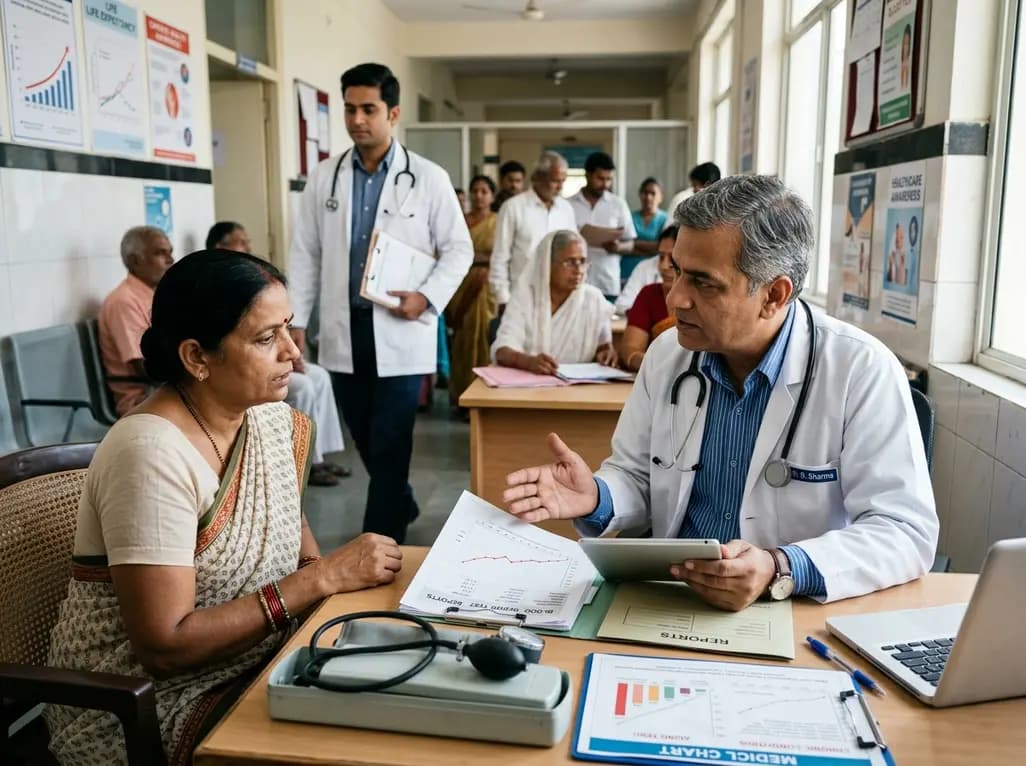
The latest World Health Organization estimates present critical updates on India life expectancy and changing disease burden. Recent data reveal significant longevity gains following the disruption of the COVID-19 pandemic. However, these gains also highlight an urgent public health paradox across the country. While individuals live longer, healthy life years have not kept pace. Consequently, healthcare practitioners must now address complex chronic pathologies while managing residual infectious threats effectively.
India demonstrated remarkable resilience in overall longevity following the acute crisis of the coronavirus pandemic. Specifically, life expectancy at birth dropped sharply from 70.5 years in 2019 to 68.1 years in 2021. However, the nation regained 2.9 years of expected lifespan within two years, reaching 71 years in 2023. This rapid rebound reflects substantial improvements in acute healthcare delivery and expanded emergency clinical services. In addition, national vaccination coverage and maternal survival programs played pivotal roles in restoring baseline survivorship.
Nevertheless, public health analysts note a persistent lag in healthy life expectancy metrics across diverse states. For instance, healthy life expectancy fell to 58.4 years during 2021 before recovering to 60.6 years in 2023. Therefore, the net gain stands at only 0.1 year above pre-pandemic levels recorded in 2019. This narrow margin indicates that survivors often endure lingering morbidities, metabolic complications, or functional limitations. Furthermore, chronic disability continues to drain economic productivity across aging households and vulnerable families. Consequently, clinicians must recognize that longer lifespans do not automatically translate to vigorous physiological wellness. Primary care doctors must therefore adopt preventative strategies that mitigate progressive functional decline in expanding adult populations proactively.
When evaluating India life expectancy, cross-border comparisons offer valuable public health lessons. According to WHO figures, an Indian born in 2023 can expect to live 71 years. This lifespan surpasses the 68.2 years observed in neighboring Pakistan. However, India continues to lag behind Bangladesh, where life expectancy stands at 72.7 years. Moreover, developed nations such as the United States and Canada report 78.5 and 81.4 years, respectively.
These stark differences highlight distinct underlying determinants of social well-being and health delivery. For example, Bangladesh achieved superior outcomes through extensive grassroots maternal and child healthcare networks. In contrast, India faces significant interstate disparities in healthcare expenditure, workforce density, and rural infrastructure. Furthermore, rural communities often struggle with timely access to secondary and tertiary medical facilities. As a result, early mortality from treatable conditions remains higher than in peer developing economies. Indian clinicians must acknowledge these systemic factors during daily outpatient evaluations. Therefore, expanding community-level screening can narrow regional health disparities effectively across underserved rural districts. Ultimately, sustainable longevity gains require addressing broad social determinants of health alongside clinical therapies in clinical practice.
The divergence between absolute lifespan and healthy life expectancy represents a vital clinical challenge. For Indian citizens, healthy life expectancy reached 60.6 years in 2023. Consequently, individuals spend approximately a full decade coping with chronic illness or functional impairment. This healthspan deficit is especially pronounced among elderly cohorts. At age 60, an Indian citizen could expect to live an additional 18.8 years in 2023. However, only 13.7 of those remaining years represent life lived in full health.
Thus, older individuals experience over five years of progressive physical disability or cognitive decline. In addition, the burden of degenerative osteoarticular disorders and sensory deficits accelerates independence loss. Family physicians frequently witness this functional deterioration during routine geriatric consultations. Furthermore, polypharmacy and adverse drug interactions further compromise overall quality of life in senior patients. Medical teams must shift their therapeutic focus from simple disease survival to sustained functional preservation. For instance, incorporating regular functional assessments and nutritional evaluations optimizes elder care significantly. By prioritizing preventive geriatrics, clinicians can help patients preserve vital physical autonomy throughout their extended senior years effectively.
Over the past two decades, India experienced an unprecedented epidemiological transition toward deadly chronic non-communicable diseases. In 2000, communicable diseases accounted for 62% of deaths from the top ten causes. In sharp contrast, non-communicable conditions generated nearly 75% of those mortality figures by 2023. Lifestyle changes, rapid urbanization, and dietary shifts drive this dramatic clinical transformation. Today, ischaemic heart disease ranks as the foremost cause of mortality, causing 138.5 deaths per 100,000 population.
Similarly, chronic obstructive pulmonary disease and cerebrovascular accidents represent major contributors, causing 83.19 and 74.8 deaths per 100,000. In addition, type 2 diabetes mellitus claims 49.01 lives per 100,000 citizens annually. These chronic conditions place immense financial and clinical pressure on both public and private healthcare delivery systems. Moreover, South Asian populations exhibit earlier disease onset and heightened vascular vulnerability compared to Western cohorts. Therefore, clinical guidelines recommend aggressive screening for dyslipidemia, hypertension, and glycemic dysfunction at younger ages. Primary care doctors must therefore emphasize aggressive dietary interventions and regular physical exercise during every routine clinical encounter. Proactive outpatient management can prevent irreversible target organ damage effectively and preserve long-term cardiovascular health successfully.
Although chronic non-communicable diseases dominate national mortality, communicable illnesses remain formidable public health challenges. Infectious disorders accounted for 16% of deaths among the top ten causes in 2023. Notably, diarrhoeal diseases, tuberculosis, and lower respiratory infections persist among the leading fatal conditions. In 2000, tuberculosis and diarrhoeal diseases generated 92.4 and 87.8 deaths per 100,000 population. While those mortality rates declined substantially, infectious pathologies still cause considerable preventable suffering across communities.
Consequently, Indian medical practitioners face a demanding dual burden of disease in daily outpatient work. For example, clinicians often manage acute respiratory infections in patients suffering from underlying diabetes or cardiovascular compromise. Furthermore, chronic pulmonary diseases and active tuberculosis frequently present with overlapping clinical symptomatology. Therefore, diagnostic differentiation requires careful microbiological analysis, molecular sputum testing, and prompt thoracic imaging. In addition, rising antimicrobial resistance complicates routine empiric therapy across urban and rural clinical centers. Clinicians must balance strict antimicrobial stewardship with rigorous long-term cardiometabolic management protocols during patient care. Ultimately, healthcare systems must strengthen integrated primary registries to monitor chronic and infectious conditions simultaneously. By expanding decentralized diagnostic access, local health centers can treat acute infections without interrupting vital chronic preventive regimens.
Q1: What is the current life expectancy and healthy life expectancy in India according to WHO?
According to the latest World Health Organization Global Health Estimates, India's life expectancy at birth reached 71.0 years in 2023. However, healthy life expectancy stood at 60.6 years during the same period. This indicates that an average Indian citizen spends approximately a decade living with chronic morbidity, disability, or impaired physical functioning. Consequently, bridging this ten-year gap remains an essential clinical objective for healthcare providers nationwide.
Q2: Why does Bangladesh have a higher life expectancy than India?
Bangladesh achieved a higher life expectancy of 72.7 years largely through sustained grassroots investments in maternal and child healthcare. In addition, widespread community healthcare volunteer networks improved immunisation coverage, sanitation, and early oral rehydration therapy for diarrhoeal illness. Conversely, India exhibits wider socioeconomic and geographic disparities in primary healthcare delivery. Therefore, uneven public health infrastructure across different Indian states leads to varied health outcomes and lower average longevity.
Q3: Which diseases currently cause the highest mortality in India?
Non-communicable diseases currently cause three-quarters of deaths among India's top ten fatal conditions. Specifically, ischaemic heart disease is the leading cause of death, followed closely by chronic obstructive pulmonary disease, stroke, and diabetes mellitus. Nevertheless, communicable diseases still impose a substantial dual burden. Diarrhoeal illnesses, pulmonary tuberculosis, and lower respiratory tract infections continue to rank prominently among the country's leading causes of mortality in adult and pediatric populations.
Disclaimer: This content is for informational and educational purposes only. It does not constitute medical advice or replace professional judgment. Refer to the latest local and national guidelines for clinical practice.
References

Read summarized clinical updates, watch expert medical content, and earn CME certifications right from your smartphone.
Open your smartphone camera to scan and install.





The latest WHO Global Health Estimates highlight India's life expectancy reaching 71 years alongside a healthy lifespan of 60.6 years. While longevity rebounds post-pandemic, non-communicable conditions now account for three-quarters of top mortalities, underscoring urgent clinical shifts in routine primary care.
Today
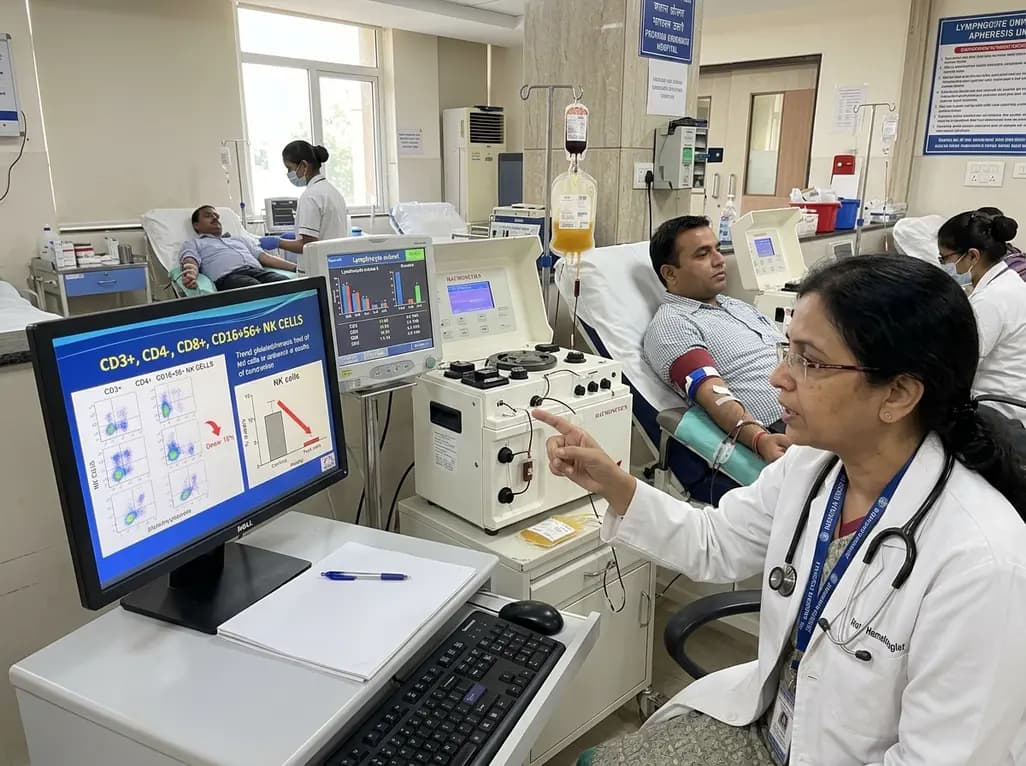
A landmark study assesses how frequent plateletpheresis alters peripheral immune profiles. Regular donors demonstrate notable reductions in circulating natural killer cells, emphasizing the critical need for routine lymphocyte subset surveillance in long-term blood donor safety programs.
Today
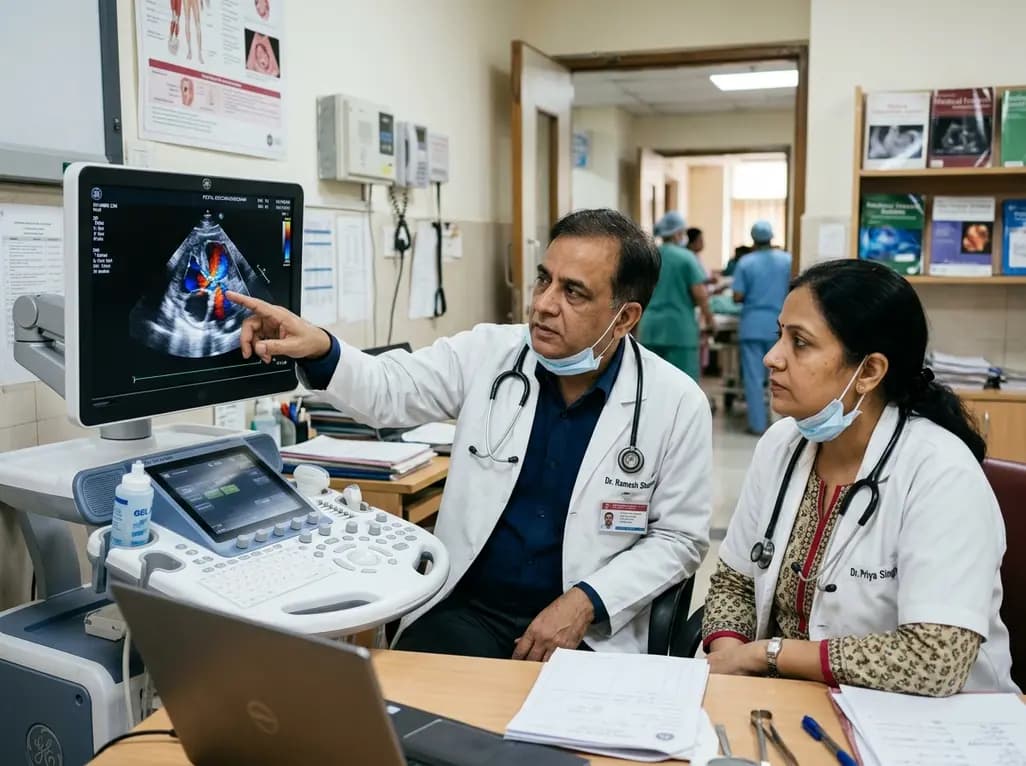
Fetal foramen ovale restriction typically emerges in the third trimester with right heart enlargement. Evidence demonstrates it does not independently mandate cesarean delivery, and over 93% of postnatal cardiac findings resolve spontaneously within one year, supporting conservative obstetric management.
Today

New biomechanical research reveals that foot-strike angle significantly influences knee energy absorption during cutting tasks in female soccer players. Understanding these kinematic patterns offers clinicians valuable pathways for targeted ACL injury prevention and athletic retraining.
Today
A comprehensive review analyzes periconceptional GLP-1 receptor agonist exposure, revealing reassuring data on congenital anomalies and adverse perinatal outcomes while emphasizing the need for cautious patient counseling.
Today
