.webp&w=384&q=75)

Loading, please wait...
Loading, please wait...
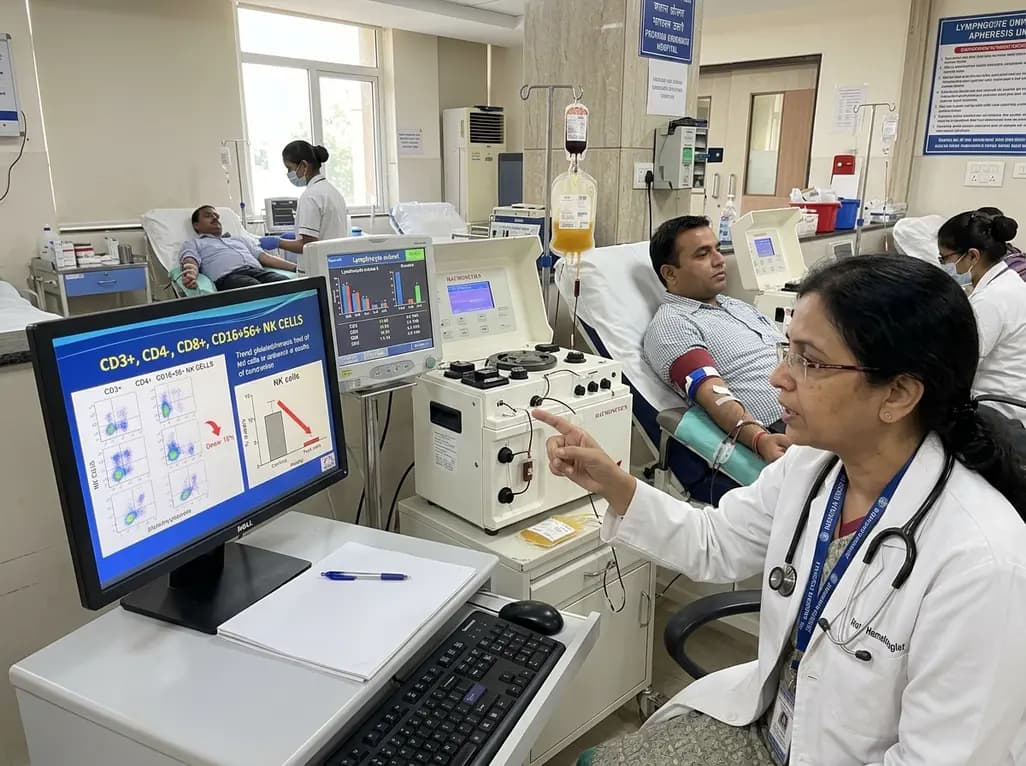
Modern transfusion medicine relies heavily on voluntary plateletpheresis to sustain supplies for oncology and trauma care. However, frequent collections raise concerns regarding donor safety and immune homeostasis. Recent findings on platelet apheresis lymphocyte subsets provide critical insights into cellular variations among repeat donors. Clinical investigators sought to understand whether repetitive mechanical centrifugation and cell separation influence peripheral immune distribution. Consequently, this research emphasizes why blood centers must monitor donor health beyond basic hemoglobin and platelet counts.
Plateletpheresis effectively harvests therapeutic platelet yields while returning red blood cells and plasma to the donor. Nevertheless, the physical separation process inadvertently retains small fractions of circulating mononuclear leukocytes. When donors donate frequently, cumulative cellular loss may disrupt baseline immune cell proportions. Researchers therefore conducted an observational cohort study evaluating 178 healthy adult volunteers. The investigative team stratified participants into regular apheresis donors and first-time donor controls.
Specifically, the apheresis cohort comprised donors who completed eight or more collections within a single calendar year. The study utilized two widely employed apheresis platforms: the Fresenius Kabi Amicus separator and the Terumo BCT Trima Accel system. Clinicians obtained pre-donation peripheral blood screening samples to assess circulating lymphocyte subpopulations by multi-color flow cytometry. Importantly, the authors controlled for age and sex across all comparative cohorts to eliminate major demographic confounders. This rigorous design permitted an uncompromised evaluation of apheresis-induced immunological alterations.
The primary finding revealed significant changes in innate immune subsets among frequent platelet donors. Following multi-variable adjustment, both apheresis groups demonstrated significantly lower absolute numbers and percentages of natural killer cells compared to control donors. Natural killer cells perform essential roles in primary antiviral surveillance and early tumor suppression. Therefore, significant declines in these effector lymphocytes warrant careful biological appraisal.
Interestingly, the reduction in natural killer populations occurred across both mechanical platforms. Donors utilizing the Amicus separator and those evaluated on the Trima platform displayed comparable cellular trajectories. Furthermore, while natural killer subsets declined markedly, other major compartments exhibited varied responses. Total CD3-positive T lymphocytes and CD19-positive B lymphocytes remained relatively preserved in the majority of regular donors. Consequently, the selective loss or redistribution of innate cytotoxic effectors highlights a distinct vulnerability during repeated centrifugal separation. These observations confirm that cellular depletion during automated apheresis is not entirely uniform across white cell lineages.
Several physiological and biomechanical factors likely explain this selective immunological shift. First, automated cell separators operate via precise buoyant density stratification. Natural killer cells share physical sedimentation coefficients and buoyant densities closely aligned with large platelets and activated monocytes. Consequently, small fractions of these effector lymphocytes enter the collection chamber alongside target platelets, escaping return to the donor.
Second, frequent exposure to mechanical shear stress and synthetic tubing biomaterials triggers transient leukocyte activation. Activated lymphocytes may undergo marginal pool redistribution or migrate into lymphoid tissues rather than remaining in free circulation. In addition, the cumulative frequency of donation surpasses the baseline bone marrow replenishment rate for certain mature granular lymphocytes. Although progenitor cells sustain hematopoietic output, peripheral maturation kinetics differ between cellular lineages. Therefore, donor bodies may replenish circulating mature natural killer cells more slowly than standard polymorphonuclear cells or memory T cells. This kinetic mismatch produces the persistent deficit identified on pre-donation screening tests.
These laboratory alterations raise important practical questions regarding long-term donor wellbeing. Fortunately, long-term registry evaluations have rarely documented higher rates of severe opportunistic infections among repeat apheresis volunteers. However, subtle reductions in innate immune defenses could theoretically increase vulnerability to common seasonal viral illnesses. Transfusion centers must balance clinical platelet demands against rigorous donor protection.
Current regulatory frameworks in many jurisdictions mandate minimal inter-donation intervals and annual platelet yield caps. Nevertheless, standard donor screening rarely incorporates detailed immunophenotyping. Incorporating periodic white cell differentials or targeted immune subset monitoring could safeguard high-frequency donors against immunosenescence. Furthermore, identifying donors with accelerated lymphocyte depletion would enable centers to recommend temporary deferral periods. Providing personalized donation intervals protects volunteer safety while maintaining ethical standards in voluntary blood donation programs. Transfusion medicine physicians must remain vigilant to these silent biological variations.
Blood establishments can implement practical safeguards without jeopardizing platelet inventory stability. First, transfusion services should analyze annual donation volumes per individual to prevent excessive repeat apheresis cycles. Encouraging donors to alternate between plateletpheresis and whole blood donation allows physiological recovery of peripheral immune pools. In addition, engineering refinements in separator technology continue to minimize leukocyte contamination through advanced leukoreduction filtration.
Moreover, physicians must educate repeat donors regarding balanced nutrition, adequate rest, and early reporting of recurrent infections. If a dedicated donor demonstrates persistently depressed lymphocyte counts, clinical teams should consider extending donation intervals. Routine hematological review ensures that chronic biological stress remains minimal. Longitudinal tracking across diverse geographical populations will further delineate safe lifetime apheresis thresholds. Through evidence-based oversight, transfusion specialists can protect donor wellness while securing vital cellular therapies for vulnerable patients worldwide.
Frequent plateletpheresis causes mechanical removal and margination of circulating mononuclear cells. Because natural killer cells possess sedimentation characteristics similar to platelets, trace amounts enter the collection bag during each procedure. Over repeated sessions, cellular loss outpaces bone marrow replenishment kinetics. Consequently, donors completing eight or more donations annually demonstrate measurably lower natural killer counts compared to first-time donors.
Current clinical evidence indicates that regular donors remain largely resilient against severe systemic infections. Although natural killer cells provide primary antiviral protection, secondary immune compartments such as T cells and B cells remain mostly functional. Nevertheless, minor immune variations highlight the need for continued surveillance. Donors experiencing chronic fatigue or recurrent viral infections should undergo comprehensive medical review.
Blood banks minimize unwanted white cell loss by utilizing cutting-edge automated separators equipped with integrated leukoreduction technology. Furthermore, transfusion centers enforce mandatory waiting periods and set maximum yearly collection limits. Clinical guidelines also encourage rotating high-frequency donors between apheresis and whole blood procedures, thereby providing adequate physiological time for complete lymphocyte recovery.
Disclaimer: This content is for informational and educational purposes only and does not substitute for clinical decision-making. Refer to the latest local and national guidelines for clinical practice.
References
Yu X et al. Monitoring of lymphocyte subsets in regular blood donors. Vox Sang. 2026 Oct 04. doi: 10.1111/vox.70384. PMID: 42830227.
Lewis SL et al. Effects of long-term plateletpheresis on peripheral blood lymphocyte subsets and immunoglobulin levels in regular donors. Transfusion. 2020;60(8):1782-1791.
World Health Organization. Maintaining a Safe and Adequate Blood Supply During Emergencies and Routine Operations. Geneva: WHO Guidelines Approved by the Guidelines Review Committee; 2021.

Read summarized clinical updates, watch expert medical content, and earn CME certifications right from your smartphone.
Open your smartphone camera to scan and install.





A landmark study assesses how frequent plateletpheresis alters peripheral immune profiles. Regular donors demonstrate notable reductions in circulating natural killer cells, emphasizing the critical need for routine lymphocyte subset surveillance in long-term blood donor safety programs.
Today
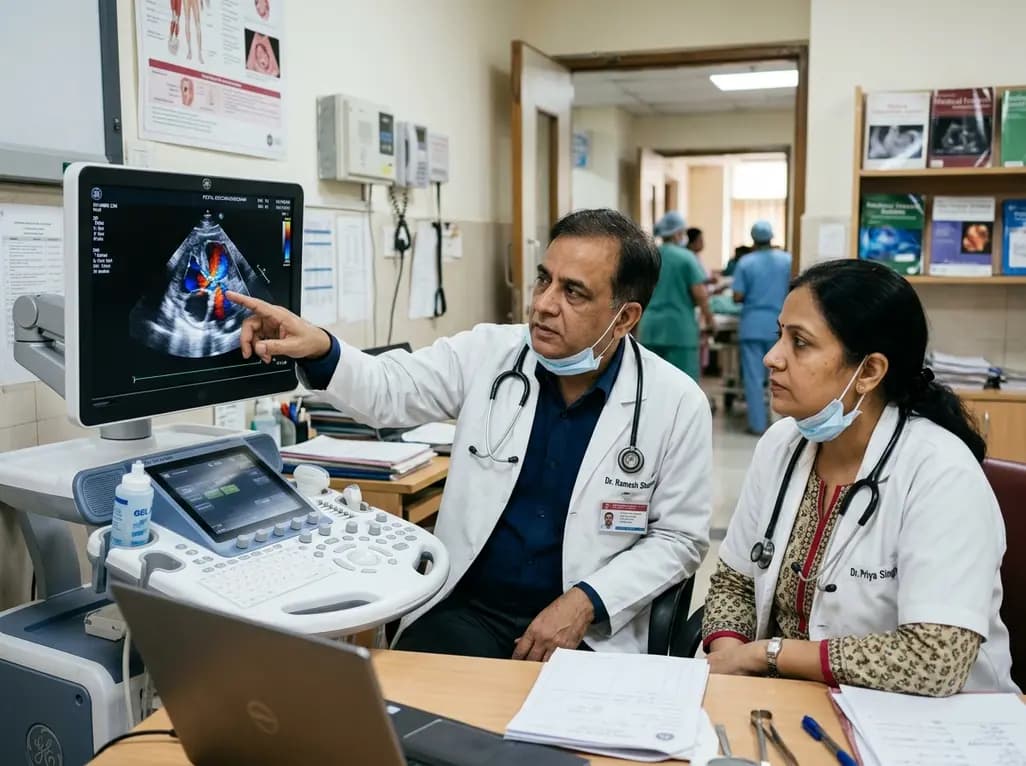
Fetal foramen ovale restriction typically emerges in the third trimester with right heart enlargement. Evidence demonstrates it does not independently mandate cesarean delivery, and over 93% of postnatal cardiac findings resolve spontaneously within one year, supporting conservative obstetric management.
Today
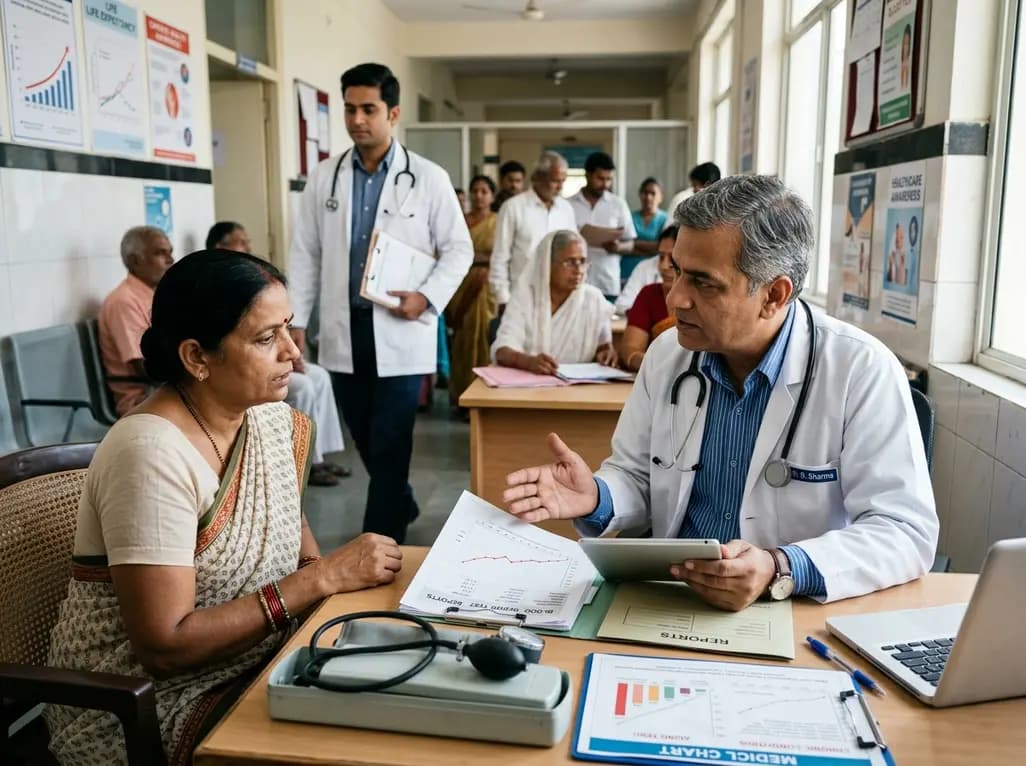
The latest WHO Global Health Estimates highlight India's life expectancy reaching 71 years alongside a healthy lifespan of 60.6 years. While longevity rebounds post-pandemic, non-communicable conditions now account for three-quarters of top mortalities, underscoring urgent clinical shifts in routine primary care.
Today

New biomechanical research reveals that foot-strike angle significantly influences knee energy absorption during cutting tasks in female soccer players. Understanding these kinematic patterns offers clinicians valuable pathways for targeted ACL injury prevention and athletic retraining.
Today

A comprehensive review analyzes periconceptional GLP-1 receptor agonist exposure, revealing reassuring data on congenital anomalies and adverse perinatal outcomes while emphasizing the need for cautious patient counseling.
Today
