.webp&w=384&q=75)

Loading, please wait...
Loading, please wait...
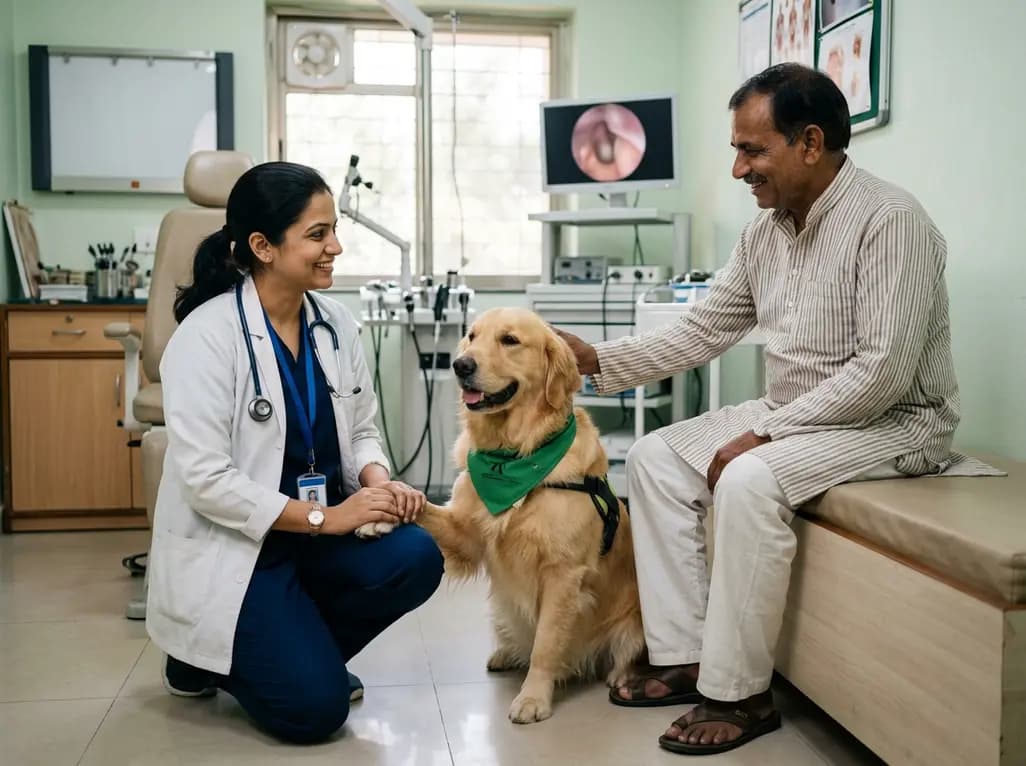
Modern otolaryngology increasingly relies on awake in-office laryngologic procedures to diagnose and treat complex laryngeal disorders. Consequently, clinicians perform vocal fold injections, biopsies, and laser therapies without general anesthesia. These ambulatory interventions offer remarkable convenience and eliminate surgical facility fees. However, awake manipulation of the upper aerodigestive tract frequently triggers intense psychological distress. Patients routinely anticipate choking, severe gagging, and unexpected pain before the procedure begins. Therefore, elevated procedural anxiety can lead to poor patient cooperation and sudden vocal cord spasms.
Furthermore, heightened pre-procedural stress amplifies visceral pain perception during endoscopic navigation. When patients feel excessive fear, sympathetic nervous system arousal spikes rapidly. As a result, heart rates climb and procedural tolerance plummets. Standard clinical approaches often involve verbal reassurance and topical mucosal anesthesia. Nevertheless, pharmacological sedatives remain unsuitable for rapid outpatient examinations because they impair airway reflexes. Clinicians urgently require effective non-pharmacological modalities to soothe fearful patients in the waiting room. Animal-assisted intervention has emerged as a promising strategy to mitigate distress in acute medical environments. Recent investigations demonstrate that interaction with trained animals stabilizes emotional arousal and fosters calm cooperation. Thus, incorporating therapeutic animals may fundamentally optimize the patient experience during routine outpatient visits.
To test this novel supportive strategy, Saleem and colleagues conducted a prospective pilot investigation in an outpatient laryngology clinic. The study team enrolled fifty adult individuals who required awake office procedures. Specifically, thirty-one participants joined the intervention cohort, while nineteen matched participants formed the standard control group. Baseline demographic characteristics and clinical indications appeared well balanced across both cohorts. Patients in the experimental arm interacted directly with a certified therapy dog and its handler prior to treatment. In contrast, individuals in the control group received standard pre-procedural nursing care without animal exposure.
Researchers administered validated outcome questionnaires immediately before and after each clinical intervention. These surveys quantified subjective anxiety, depressive feelings, and physical pain on standardized scales. Subsequently, statisticians evaluated group differences using independent t tests and Mann-Whitney U tests for non-parametric distributions. They also employed paired t tests and Wilcoxon signed-rank tests to measure changes within each arm. Moreover, investigators utilized mixed two-way analysis of variance to identify significant interaction effects over time. This structured methodology provided robust quantitative insight into psychological shifts during high-stress laryngologic encounters.
The pilot findings uncovered notable therapeutic advantages among patients who bonded with canines before examination. In the canine cohort, patient-reported anxiety and depressive symptoms decreased significantly following the procedure. Conversely, pain scores exhibited a slight downward trend that did not reach statistical significance within the canine group alone. Meanwhile, patients in the control cohort experienced a predictable post-procedure reduction in anxiety as anticipation resolved. However, control participants demonstrated no meaningful improvements in either depression or perceived procedural pain.
Crucially, when researchers compared outcomes between cohorts, post-procedure pain and depression were significantly lower in the canine group. Additionally, mixed-model statistical analysis revealed significant group-by-time interactions across all three measured domains: anxiety, pain, and depression. These interaction effects confirm that canine contact altered the overall trajectory of the patient experience. Although both groups felt relief once clinicians completed the invasive scope, animal interaction conferred distinct affective benefits. Patients who touched and engaged with the dog retained lower overall pain perceptions. Therefore, brief exposure to an animal companion seems to buffer visceral nociception and distress during delicate head and neck interventions.
The pronounced reduction in negative emotions stems from well-documented psychoneuroendocrine pathways. When an individual pets a friendly, certified animal, the brain releases substantial quantities of oxytocin and beta-endorphins. Simultaneously, this tactile interaction downregulates the hypothalamic-pituitary-adrenal axis, causing circulating serum cortisol levels to drop. Because cortisol and adrenaline sustain acute hypervigilance, their reduction fosters parasympathetic dominance. Consequently, patients experience lower blood pressure, reduced resting pulse rates, and decreased somatic muscle tension. Relaxed strap muscles and pharyngeal constrictors greatly facilitate comfortable transnasal fiberoptic laryngoscopy.
Furthermore, cognitive distraction plays an indispensable role in sensory attenuation. Fearful patients often fixate intensely on intimidating surgical trays, endoscopes, and needle assemblies. In contrast, petting a calm dog shifts attentional resources toward a benign, comforting external stimulus. This shift disrupts catastrophic cognitive rumination and reduces central sensitization in the dorsal horn. As a result, the patient’s cerebral cortex interprets noxious laryngeal stimuli with diminished subjective unpleasantness. Ultimately, integrating animal companionship alters neurological pain appraisal through both biochemical modulation and cognitive diversion.
While animal-assisted interventions deliver quantifiable emotional benefits, clinical administrators frequently express concern regarding facility hygiene and workflow disruptions. Many specialists worry about zoonotic pathogens, environmental allergens, and potential bite injuries in healthcare suites. However, established hospital guidelines show that rigorous screening protocols eliminate virtually all infectious hazards. Certified therapy dogs undergo thorough behavioral evaluations, strict vaccination schedules, and regular veterinary examinations. Moreover, handlers must bathe and brush animals prior to hospital visits to minimize dander dissemination.
In outpatient otolaryngology practices, healthcare workers keep therapy dogs strictly within dedicated waiting zones or pre-procedure consultation areas. Dogs never enter sterile procedural fields or make contact with specialized surgical equipment. Additionally, staff members enforce strict hand hygiene protocols, requiring patients and attendants to sanitize their hands after touching the animal. Clinicians must also identify and respect patient contraindications, including cynophobia, severe dog allergies, or severe immunocompromise. By implementing transparent screening algorithms, healthcare facilities can provide safe animal interactions without compromising clinical sterile fields. Consequently, structured animal-assisted therapy can seamlessly coexist with rigorous outpatient infection control standards.
Although this pilot investigation yields encouraging evidence, clinicians must contextualize its preliminary nature. The non-randomized design and modest sample size of fifty individuals represent clear methodological constraints. Therefore, future research must employ large-scale, randomized controlled trials across diverse clinical practices. Subsequent trials should incorporate objective physiological measurements, such as continuous galvanic skin response, serum cortisol, and heart rate variability. Furthermore, researchers must evaluate whether anxiety reduction shortens total procedure duration or diminishes the required volume of local anesthetic.
In addition, laryngologists should explore complementary non-pharmacological modalities when certified therapy canines are unavailable. Virtual reality immersion, targeted audio therapy, and guided mindfulness breathing provide valuable alternatives for anxious patients. Nevertheless, the tangible tactile warmth of a living animal provides unique comfort that digital tools cannot fully replicate. As ambulatory surgical trends accelerate, otolaryngology departments should consider formal volunteer canine programs. Developing institutional animal-assisted frameworks will enhance patient comfort, improve clinical satisfaction scores, and elevate procedural safety. Ultimately, humane supportive interventions bridge advanced technical precision with compassionate, patient-centered care.
Interacting with a trained therapy dog stimulates oxytocin and endorphin secretion while suppressing systemic cortisol and catecholamines. Consequently, this biochemical response reduces sympathetic hyperarousal, lowering blood pressure and heart rate. Furthermore, the animal provides an engaging tactile distraction that diverts attention away from uncomfortable endoscopy instruments. By buffering cognitive distress and relaxing skeletal musculature, therapy canines significantly diminish subjective pain perception and procedure-related anxiety before awake mucosal interventions begin.
Clinics must enforce rigorous veterinary screening, behavioral certifications, and up-to-date vaccinations for every participating therapy canine. Additionally, handlers must groom animals before hospital arrival to minimize shed dander. Within the facility, canines remain restricted to non-sterile waiting zones and pre-procedure consultation areas. Staff members mandate hand hygiene before and after all patient interactions. Finally, healthcare teams pre-screen patients to identify contraindications such as cynophobia, compromised immunity, or severe pet allergies.
Therapy dog visits complement rather than replace standard pharmacological analgesia or topical mucosal anesthesia. Clinicians still require local anesthetics, such as lidocaine spray, to blunt tactile mucosal sensations and suppress laryngeal cough reflexes. However, canine interventions dramatically ease affective distress and muscle rigidity that medications do not address. By calming emotional arousal, animal interactions enhance patient compliance, enabling otolaryngologists to perform precise awake laryngeal procedures more smoothly and safely.
Disclaimer: This content is for informational and educational purposes only and does not substitute for professional medical advice, diagnosis, or clinical judgment. Refer to the latest local and national guidelines for clinical practice.
References

Read summarized clinical updates, watch expert medical content, and earn CME certifications right from your smartphone.
Open your smartphone camera to scan and install.





A pilot study shows that pre-procedural visits with certified therapy dogs significantly reduce anxiety, depression, and pain in patients undergoing awake in-office laryngologic procedures, highlighting the value of animal-assisted interventions.
Today

A prospective multicentre study validates actionable risk stratification thresholds for the prehospital mSOFA score. The 5-tier classification reliably predicts two-day mortality and guides early critical care interventions.
Today
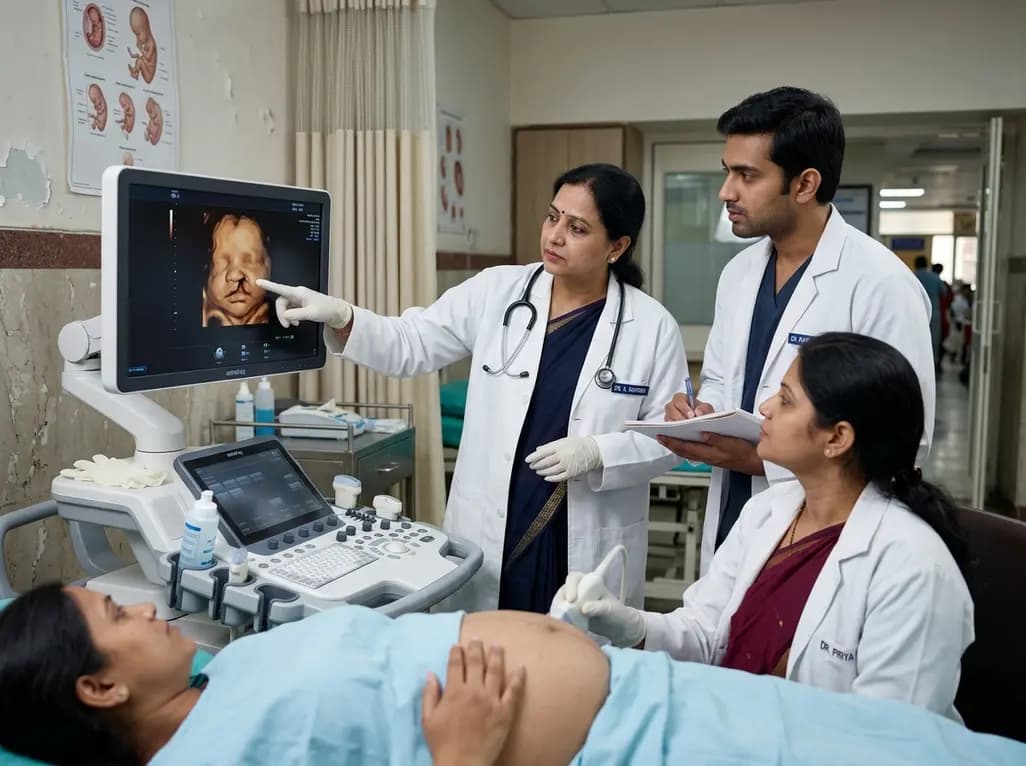
A 5-year retrospective study evaluates prenatal ultrasound detection of fetal cleft lip and palate. While overall detection reached 87%, accuracy varied from 99.3% in combined clefts to 50% in isolated cases. Combined defects showed elevated risks of concurrent structural anomalies and chromosomal abnormalities.
Today

An updated systematic review and meta-analysis of 7,875 patients reveals that routine microaxial left ventricular support during nonemergent high-risk PCI does not reduce mortality or ischemic complications, while significantly increasing major bleeding events.
Yesterday
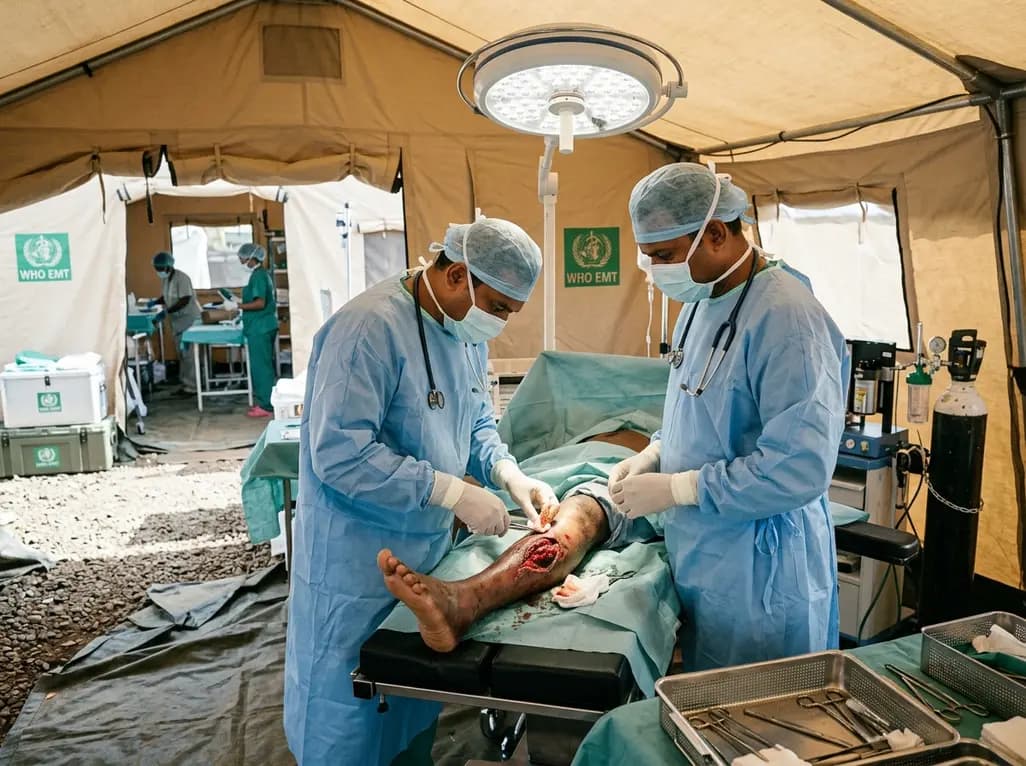
Following Cyclone Chido, a WHO EMT-2 field hospital performed 268 surgeries in Mayotte. While acute trauma is expected initially, 98% of cases were septic wounds of the extremities requiring secondary intention healing, revealing crucial operational insights for disaster surgical preparedness.
Today

The SED-SEEN-SEEP consensus outlines an Integrated Care Pathway for preclinical type 1 diabetes, structuring target screening, autoantibody confirmation, metabolic staging, and proactive follow-up to prevent diabetic ketoacidosis and facilitate early disease-modifying intervention.
Yesterday
