

Loading, please wait...
Loading, please wait...
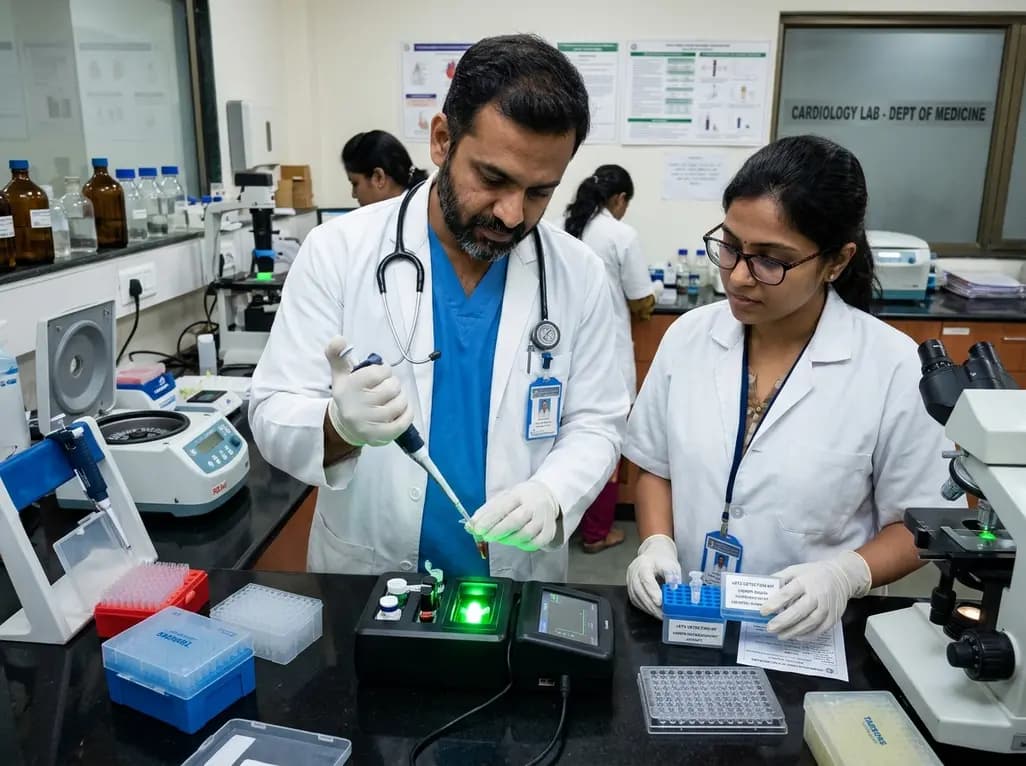
Heart failure represents an escalating global healthcare challenge, frequently eluding timely detection due to nonspecific initial symptoms. Consequently, clinicians require rapid, reliable biomarkers that facilitate early clinical intervention. Soluble suppression of tumorigenicity 2 has emerged as a valuable biomarker reflecting active myocardial fibrosis and adverse ventricular remodeling. A breakthrough study has now introduced an ultrasensitive diagnostic platform designed specifically for clinical sST2 detection. By combining nanotechnology with the enzymatic precision of CRISPR-Cas12a, this fluorescent assay accurately distinguishes heart failure patients from healthy individuals.
Heart failure often manifests with vague symptoms such as fatigue, mild exertional dyspnea, and ankle swelling. Because these early complaints mimic common pulmonary or metabolic disorders, physicians frequently miss early disease onset. Therefore, patients often present only after irreversible structural remodeling and myocardial injury have already occurred. In busy outpatient clinics across India, overcrowding frequently delays advanced imaging like echocardiography. Although natriuretic peptides such as BNP and NT-proBNP serve as diagnostic cornerstones, several confounding factors complicate their interpretation. For example, renal dysfunction, advanced age, atrial fibrillation, and obesity markedly alter natriuretic peptide concentrations. Consequently, clinicians urgently need complementary diagnostic tools that reflect underlying myocardial fibrosis without renal confounding. Rapid molecular profiling allows physicians to identify decompensation early and initiate targeted medical therapy before acute clinical deterioration takes place. Thus, novel molecular diagnostics provide crucial clinical clarity, optimizing patient outcomes.
The suppression of tumorigenicity 2 protein belongs to the interleukin-1 receptor family and exists in two distinct isoforms. The transmembrane isoform binds interleukin-33 to deliver a crucial cardioprotective signal that suppresses cardiomyocyte hypertrophy and ventricular fibrosis. In contrast, the soluble circulating isoform acts as a circulating decoy receptor. By binding freely circulating interleukin-33, soluble ST2 blocks cardioprotective signaling and accelerates myocardial stiffness and adverse remodeling. Cardiologists recognize elevated serum levels of this biomarker as a potent independent predictor of adverse cardiovascular outcomes. Furthermore, extensive clinical evidence confirms that circulating levels correlate strongly with 30-day readmissions and long-term mortality in chronic heart failure. Unlike natriuretic peptides, serum concentrations of this marker remain unaffected by body mass index or moderate renal impairment. As a result, serial measurements provide clear prognostic insights and enable dynamic therapy monitoring. Therefore, tracking this specific biological pathway informs risk assessment and treatment titration in clinical practice.
Historically, diagnostic laboratories utilized the CRISPR-Cas12a platform primarily to detect pathogen nucleic acids with extreme sensitivity. However, adapting this RNA-guided endonuclease system for protein quantification presented substantial biochemical hurdles. In this pioneering study, researchers bridged this gap by combining functionalized nanomaterials with CRISPR-Cas12a endonuclease activity. First, engineered nanostructures capture target soluble ST2 antigens from human serum samples with high specificity. The bound antigen then triggers the assembly of a specialized ternary molecular complex. Subsequently, this ternary complex activates the trans-cleavage activity of the Cas12a ribonucleoprotein. Once activated, the Cas12a enzyme repeatedly cleaves nearby single-stranded fluorophore-quencher DNA reporters. This cleavage reaction rapidly generates a brilliant fluorescent signal that directly corresponds to the biomarker concentration in the patient sample. Because each activated Cas12a complex cleaves hundreds of DNA reporters per minute, the assay achieves massive signal amplification. Thus, this nanotechnology platform provides unprecedented analytical precision for clinical cardiovascular diagnostics.
Conventional enzyme-linked immunosorbent assays remain the standard laboratory method for evaluating circulating cardiac biomarkers. Nevertheless, standard ELISA workflows demand multi-step incubations, repetitive plate washings, and sophisticated optical readers. These complex technical requirements typically delay test turnaround times by several hours. In contrast, this CRISPR-enabled approach for clinical sST2 detection streamlines analytical workflows and drastically shortens reporting intervals. The nanomaterial capture system eliminates tedious manual wash stages, minimizing user errors and sample degradation. Furthermore, the enzymatic amplification mechanism delivers high sensitivity without requiring hazardous chemical reagents or prolonged incubation steps. When investigators tested clinical serum samples, this innovative assay clearly distinguished heart failure cohorts from healthy controls. Additionally, the fluorescent signal provides quantitative readouts across broad dynamic ranges, preventing analytical hook effects. As laboratory medicine advances toward decentralized testing, this robust assay format offers outstanding compatibility with automated microfluidic cartridges. Therefore, hospitals can dramatically accelerate clinical decision-making during acute emergency triage.
Cardiovascular disease imposes an enormous epidemiological burden across both urban and rural India. Indian patients frequently develop ischemic cardiomyopathy and heart failure at a substantially younger age compared to Western populations. Moreover, clinical presentation often occurs during advanced disease stages due to limited community screening programs and scarce specialized centers. Implementing rapid, cost-effective biomarker assays can significantly bridge this diagnostic gap in resource-limited clinics. Because the CRISPR-Cas12a fluorescence kit functions efficiently at moderate temperatures, it minimizes reliance on expensive centralized laboratory infrastructure. Furthermore, district hospitals and primary healthcare centers can adopt portable fluorescent readers to evaluate high-risk diabetic and hypertensive patients locally. Physicians can rapidly detect silent myocardial fibrosis, adjust pharmacotherapy promptly, and prevent catastrophic hospitalizations. In addition, rural health centers can utilize this assay to prioritize high-risk patients who require urgent specialist referral. Ultimately, adopting scalable molecular testing platforms will democratize early cardiovascular diagnosis, reduce national healthcare expenditures, and preserve functional capacity across India.
While NT-proBNP reflects acute myocardial wall stretch and ventricular filling pressures, sST2 directly measures active cardiac fibrosis, inflammation, and cellular remodeling. Furthermore, renal dysfunction, older age, and body mass index significantly distort circulating natriuretic peptide levels. In contrast, sST2 remains unaffected by these common clinical confounders. Therefore, measuring both biomarkers simultaneously provides clinicians with complementary pathophysiological information, dramatically improving diagnostic accuracy and long-term risk stratification in ambulatory and hospitalized heart failure patients.
Although researchers initially designed CRISPR-Cas12a for nucleic acid detection, its collateral trans-cleavage activity provides immense signal amplification. When a target protein induces complex formation, the Cas12a enzyme activates and cleaves hundreds of surrounding fluorophore-labeled single-stranded DNA reporters. Consequently, this continuous enzymatic turnover translates minute protein concentrations into intense, readable fluorescent signals. This biological mechanism bypasses complex chemical amplification steps, producing rapid, highly sensitive diagnostic readouts within streamlined laboratory workflows.
Commercial point-of-care platforms utilizing CRISPR-based protein detection are currently moving through rigorous analytical validation and multicenter clinical trials. Before widespread deployment, regulatory agencies like the CDSCO in India require comprehensive multi-batch consistency data and operational field trials. However, because this nanotechnology-assisted assay demonstrates superior speed and thermal stability, experts anticipate commercial point-of-care versions entering specialized tertiary hospitals and reference pathology laboratories within the next two to three years.
Disclaimer: This content is for informational and educational purposes only. It is not intended to provide medical advice, diagnosis, or treatment. Healthcare professionals should exercise their independent clinical judgment. Refer to the latest local and national guidelines for clinical practice.
References

Read summarized clinical updates, watch expert medical content, and earn CME certifications right from your smartphone.
Open your smartphone camera to scan and install.





Researchers have engineered an innovative CRISPR-Cas12a fluorescent diagnostic kit for clinical sST2 detection. By combining nanotechnology with enzymatic trans-cleavage, this platform enables rapid, ultrasensitive heart failure diagnosis and risk stratification, outperforming conventional laboratory ELISA methods.
Today

Sexual dysfunction affects a high proportion of reproductive-age females with multiple sclerosis. This comprehensive review highlights multi-tier etiologies, proactive clinical screening tools, preconception counseling considerations, and integrated therapeutic options across multidisciplinary care pathways.
Today
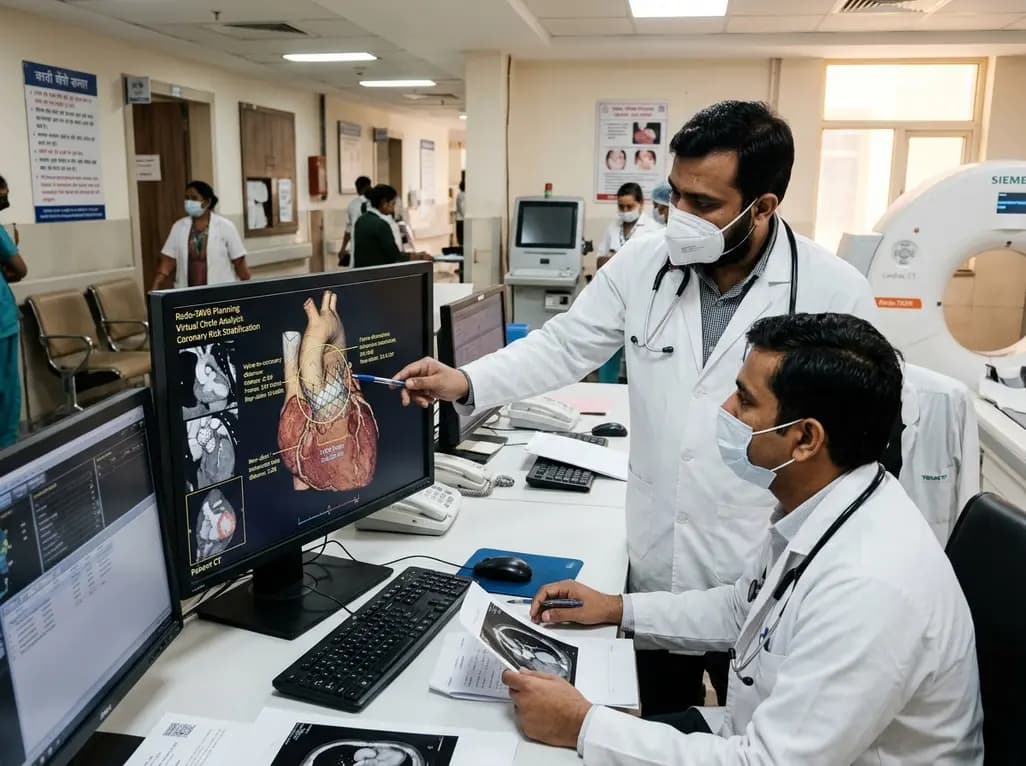
A multicenter study evaluating paired cardiac CT scans reveals that the virtual circle method reliably predicts index transcatheter valve frame expansion and changes in valve-to-aorta distance during redo-TAVR, offering accurate or conservative coronary risk stratification in 85% of cases.
Today
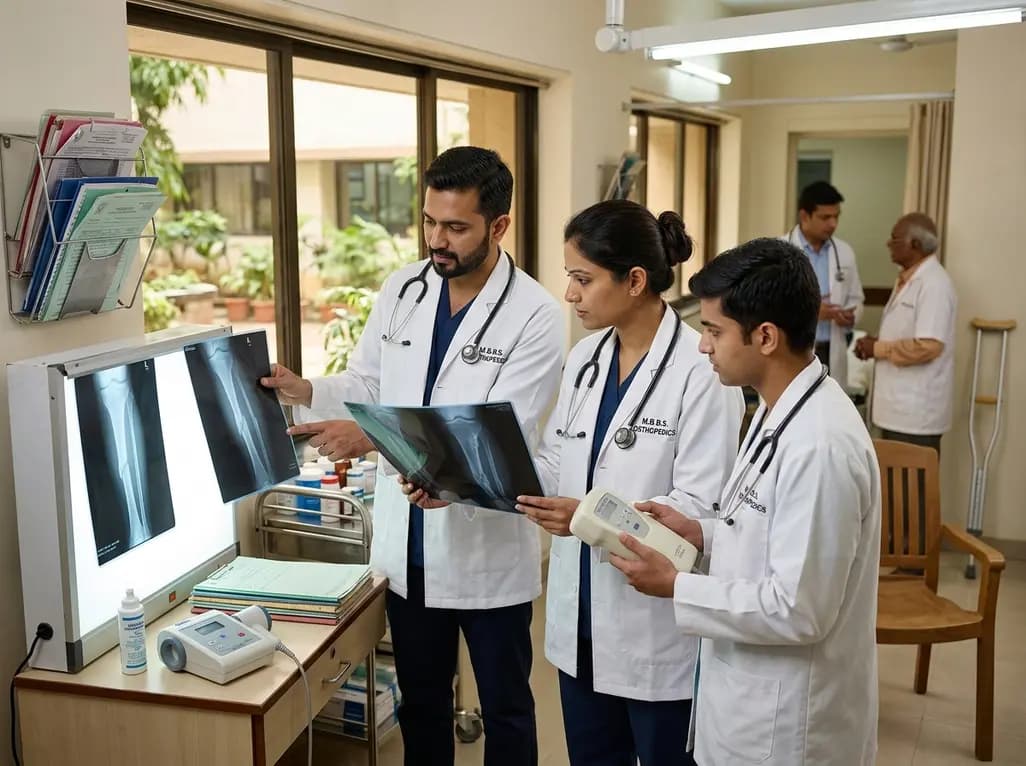
Non-union fractures occur in 2-5% of cases, causing significant disability and cost. Conservative modalities such as LIPUS, PEMF, and focused ESWT offer non-surgical healing options for defects up to 5-10 mm when adequate mechanical stability exists without infection.
Today

India is poised to transform chronic disease management through wearable health technology. Discover how continuous remote monitoring and predictive algorithms empower clinicians to detect early cardiovascular signals, personalize metabolic interventions, and deliver equitable preventive care across populations.
Yesterday
