

Loading, please wait...
Loading, please wait...

Parkinson's disease is a progressive neurodegenerative disorder that predominantly affects motor circuits within the central nervous system. While clinicians routinely evaluate hallmark signs such as tremor, rigidity, and postural instability, craniofacial complications frequently remain overlooked during clinical evaluations. Recent research confirms that temporomandibular joint disorder affects a remarkably high percentage of individuals living with this neurological condition. Consequently, understanding the intersection between craniomandibular biomechanics and dopaminergic degeneration is essential for providing comprehensive patient care.
Historically, medical literature suggested a potential link between basal ganglia dysfunction and masticatory system disturbances. However, international standardized diagnostic tools were rarely implemented across large patient cohorts. To resolve this diagnostic gap, investigators conducted a comprehensive clinical study evaluating 419 neurology outpatients using the Diagnostic Criteria for Temporomandibular Disorders. The researchers simultaneously scored motor symptom severity with the Movement Disorder Society Unified Parkinson's Disease Rating Scale part III alongside the Modified Hoehn and Yahr scale. Notably, this meticulous methodology provided rigorous objective data regarding the exact burden of stomatognathic dysfunction in this vulnerable group. The investigators discovered that 45.6 percent of Parkinson's disease participants presented with a confirmed diagnostic classification of temporomandibular dysfunction. This remarkable prevalence highlights the reality that craniofacial musculoskeletal issues are not isolated secondary complaints. Instead, these functional joint problems represent a common comorbid feature of progressive neurodegeneration. Therefore, physicians and dental clinicians must actively identify orofacial indicators rather than focusing solely on limb and axial mobility during routine reviews.
A closer analysis of the diagnostic findings demonstrates clear patterns among specific structural and pathological subtypes. Specifically, anterior disc displacement with reduction emerged as the most prevalent diagnosis, affecting 27.4 percent of the evaluated cohort. This condition occurs when the articular disc shifts forward relative to the condylar head during jaw rest but recaptures during mandibular translation. Furthermore, degenerative joint disease presented in 6.9 percent of the study participants, reflecting structural osseous remodeling and cartilage degradation over time. Muscle rigidity and involuntary masticatory spasms undoubtedly place sustained mechanical strain upon the delicate fibrocartilage of the condyle. As a result, chronic uneven loading accelerates wear within the temporomandibular complex. In addition, masticatory muscle pain, myalgia, and restricted mouth opening severely impair fundamental daily activities. Patients frequently encounter profound challenges while chewing solid food, swallowing medications, or maintaining necessary oral hygiene regimens. Because oral discomfort can worsen nutritional intake, unmanaged joint degeneration directly threatens overall vitality and general physical well-being.
Crucially, the clinical research established distinct correlations between specific Parkinsonian motor features and localized temporomandibular joint disorder phenotypes. Compared to individuals without joint pathology, participants diagnosed with temporomandibular complications exhibited significantly more advanced motor dysfunction overall. The researchers identified that pain-related joint disorders correlated positively with classical bradykinesia. When dopaminergic striatal pathways deteriorate, muscle slowness and prolonged co-contractions generate persistent tension within the masseter and temporalis muscle groups. Consequently, this continuous myofascial strain produces persistent regional discomfort and heightened sensitivity to digital palpation. Conversely, intra-articular joint disturbances demonstrated a statistically significant correlation with resting and action tremors. Rhythmic involuntary oscillations of the jaw, often termed orofacial tremor, subject the articular disc and collateral ligaments to repeated microtrauma. Thus, mechanical stability deteriorates, leading directly to internal disc derangements and joint clicking. These nuanced associations show that divergent motor symptoms cause unique pathophysiological insults within the masticatory apparatus.
In addition to tremor and bradykinesia, the study uncovered that pain-related joint pathology was strongly correlated with axial motor impairment. Axial manifestations, including postural instability, cervical rigidity, and forward stooped posture, fundamentally alter head and neck alignment. As the cervical spine flexes forward, compensatory craniocervical extension alters the resting position of the mandible against the cranial base. Therefore, the masticatory muscles must expend continuous energy to stabilize the jaw, precipitating localized myofascial trigger points and persistent pain. Moreover, statistical modeling demonstrated that patients with a longer duration of Parkinson's disease experienced higher odds of developing temporomandibular complications. Each additional year of disease progression produced a 6.4 percent increase in the odds of joint diagnosis. This cumulative risk reflects years of unremitting mechanical stress, involuntary muscular contractions, and advancing age-related joint deterioration. Consequently, clinicians must recognize that advanced disease duration serves as an independent risk indicator for persistent stomatognathic distress and functional disability.
Given the significant prevalence and complex presentation of these joint abnormalities, isolated management models are clearly insufficient for optimal care. Neurologists and dental practitioners must establish collaborative clinical pathways to screen and treat affected individuals effectively. When evaluating patients with worsening facial pain, dental clinicians should perform formal diagnostic examinations and evaluate jaw range of motion. Simultaneously, neurologists can optimize anti-Parkinsonian pharmacotherapy to mitigate jaw tremors and severe muscle stiffness during morning 'off' states. Conservative dental therapies, such as custom oral splints, can stabilize mandibular position and alleviate destructive nocturnal bruxism. Furthermore, gentle physical therapy, thermotherapy, and targeted jaw-stretching exercises help restore comfortable mandibular translation without exacerbating joint irritation. In refractory situations, botulinum neurotoxin injections into the masseter and lateral pterygoid muscles provide meaningful relief for painful dystonic spasms. Ultimately, proactive interdisciplinary communication ensures that motor symptoms and oral pain are managed concurrently, dramatically improving each patient's overall quality of life.
Patients typically experience pain in the jaw muscles, clicking or popping sounds during chewing, difficulty opening the mouth wide, and persistent facial aching. Furthermore, individuals may notice morning jaw fatigue, unexplained headaches around the temples, and localized tenderness while eating. Because these symptoms often overlap with Parkinsonian motor rigidity, clinical screening using standardized Diagnostic Criteria for Temporomandibular Disorders is essential to establish an accurate diagnosis.
Bradykinesia causes prolonged muscle stiffness and continuous co-contraction of masticatory muscle fibers, which triggers myofascial tenderness and pain-related disorders. In contrast, involuntary resting or action tremors create repetitive microtrauma and mechanical friction across the articular surfaces. Consequently, rhythmic oscillations destabilize the disc ligament complex, leading directly to structural intra-articular derangements such as anterior disc displacement and progressive joint noise during jaw movements.
Effective management requires collaboration between treating neurologists and dental specialists. Clinicians should combine optimized dopaminergic medications to reduce underlying motor symptoms with conservative dental interventions like custom occlusal splints. Additionally, tailored physical therapy, gentle jaw mobility exercises, and stress-reduction techniques can relieve localized muscular tension. For patients with persistent refractory focal dystonia or masseter spasms, targeted botulinum toxin injections offer safe, substantial symptomatic relief.
Disclaimer: This content is for informational and educational purposes only... Refer to the latest local and national guidelines for clinical practice.
References

Read summarized clinical updates, watch expert medical content, and earn CME certifications right from your smartphone.
Open your smartphone camera to scan and install.





A landmark clinical study reveals that nearly half of Parkinson's disease patients suffer from temporomandibular joint disorder. Motor impairments such as bradykinesia and tremor correlate with specific joint disorder subtypes, highlighting the critical need for interdisciplinary care between dentists and neurologists.
Today
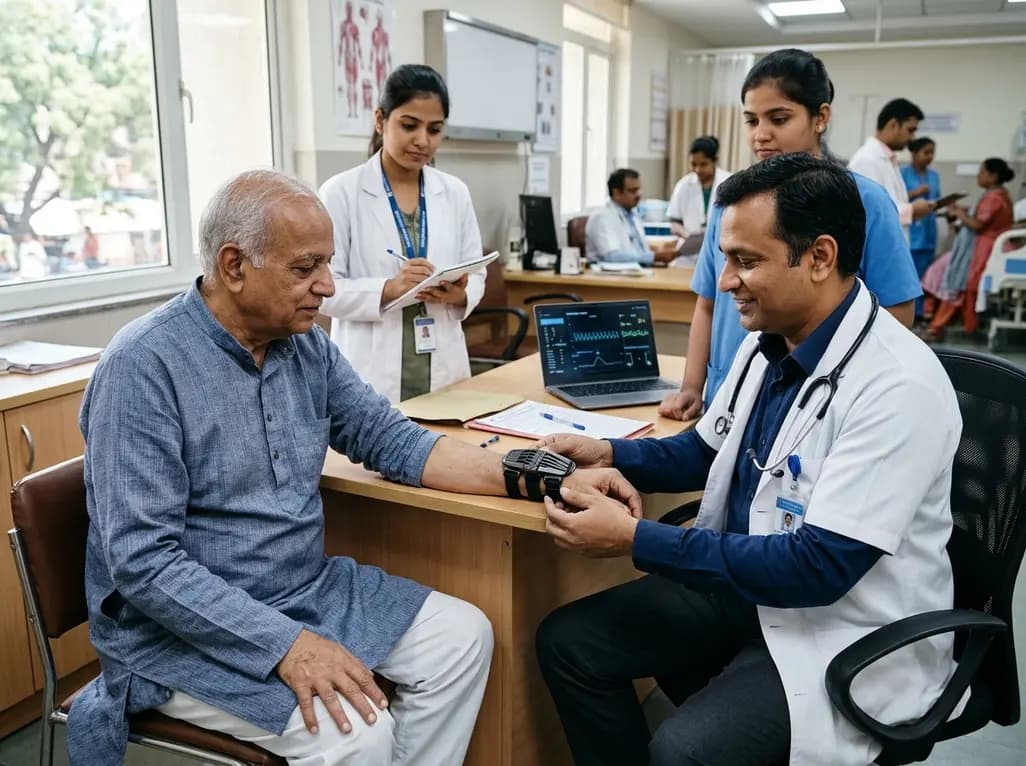
The TREM-AB open-label pilot study evaluated a wearable passive nonlinear vibration absorber for essential tremor. The Nonlinear Energy Sink bracelet reduced clinical Fahn-Tolosa-Marin tremor scores by 32.1% and electrophysiological tremor power by 49.2% with no adverse effects reported.
Today

A population-based study of 20,928 children reveals that small vulnerable newborns face sex-divergent mental capital outcomes at ages 6-7: term SGA girls show higher behavioral difficulties and lower resilience, while preterm non-SGA boys experience increased behavioral problems.
Today
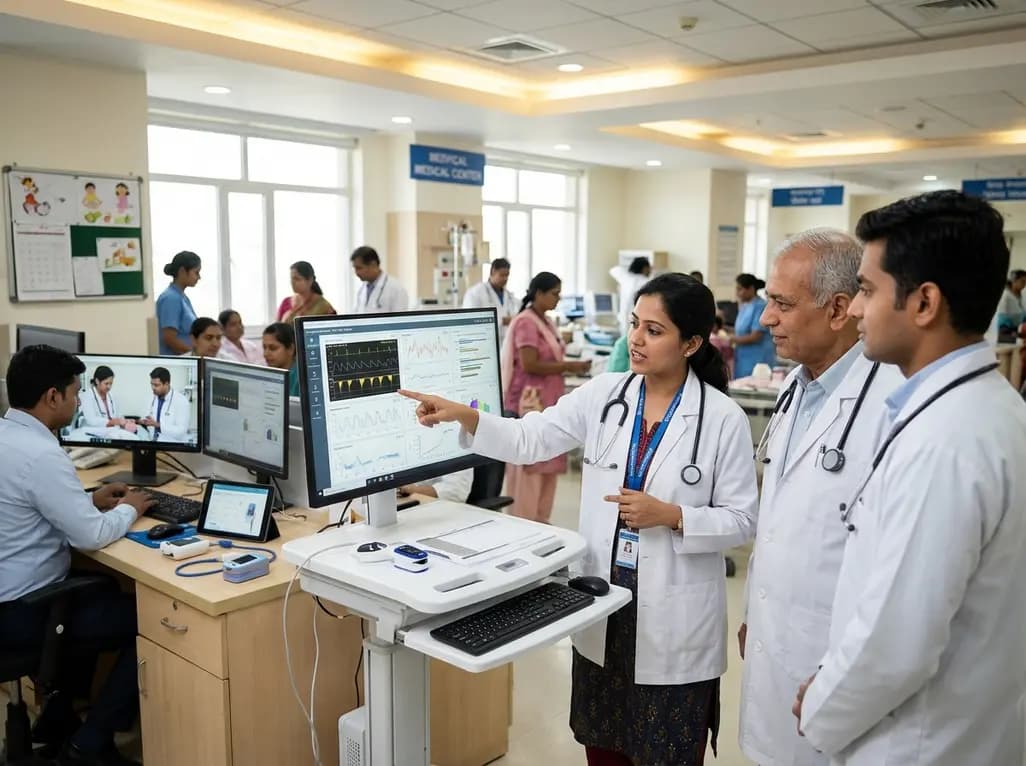
A landmark study details how an enterprise pediatric remote patient management model expanded from a single cardiology pilot to 16 diverse specialty programs by combining centralized digital operations with specialty clinical leadership.
Today
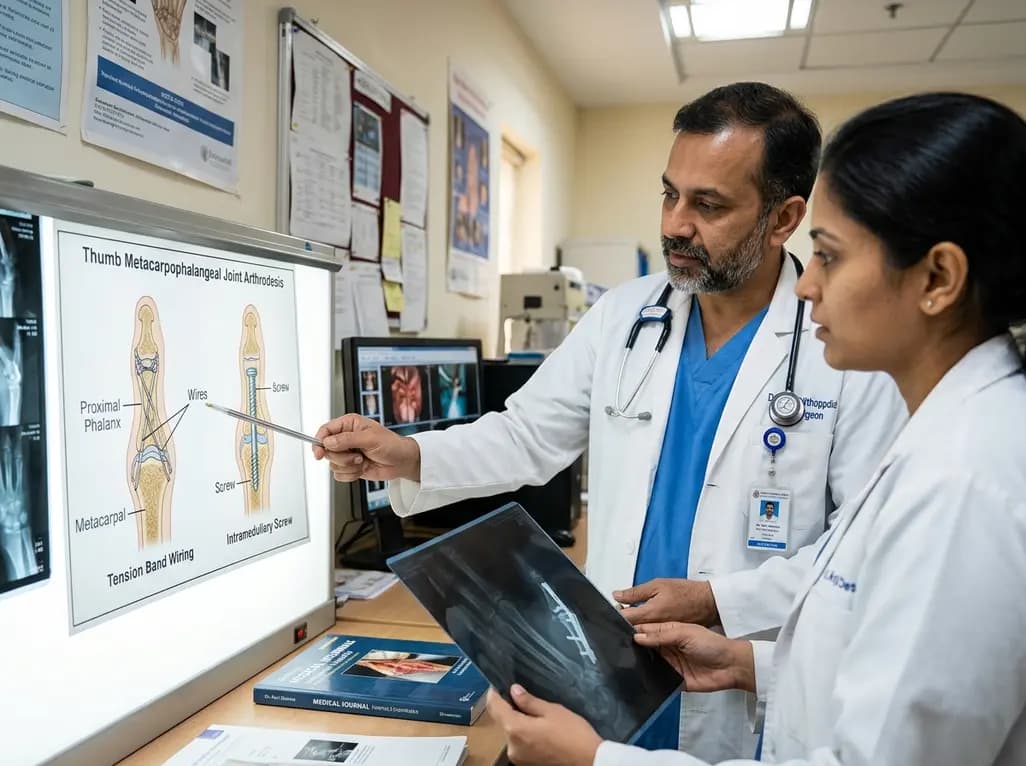
A comparative review of tension band wiring and intramedullary screw fixation in thumb metacarpophalangeal arthrodesis, evaluating union rates, hardware complications, and clinical outcomes.
Today
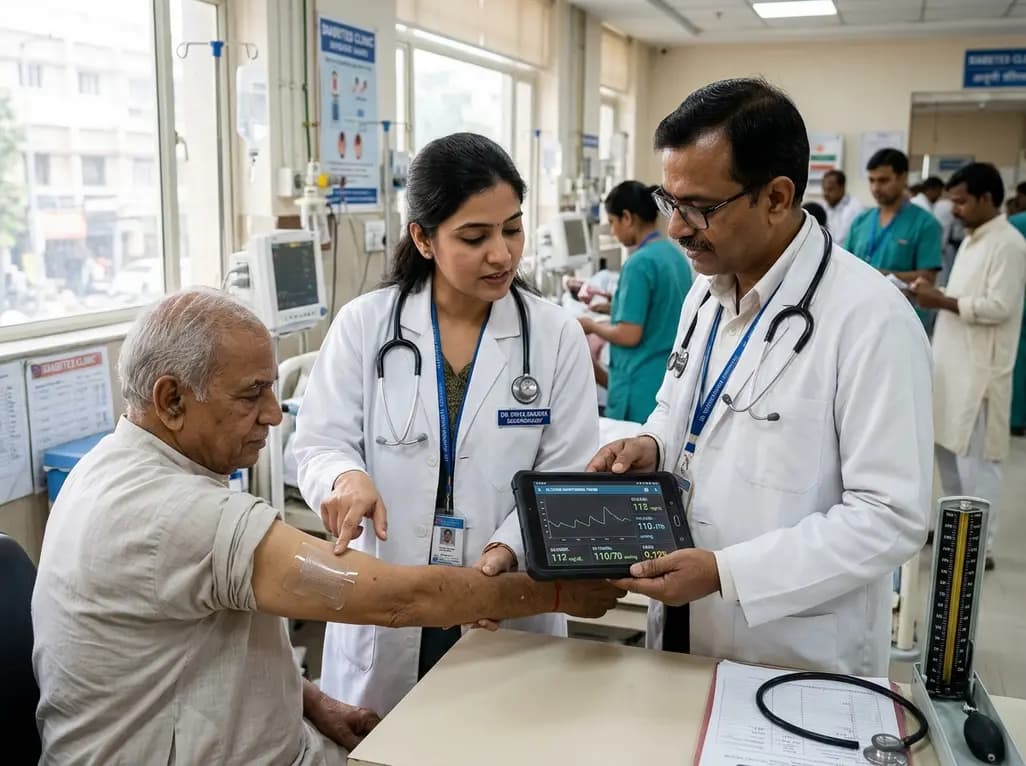
A breakthrough ultrathin multimodal sensor decouples physical hemodynamic monitoring from disposable electrochemical calibration, achieving long-term wearable glucose prediction with 81.36% accuracy and a 9.12% MARD. This offers a robust, drift-free solution for outpatient metabolic surveillance.
Today
