.webp&w=384&q=75)

Loading, please wait...
Loading, please wait...

Clinicians in India are increasingly adopting telehealth goal-setting in rehabilitation to bridge geographical gaps and improve care continuity. A recent scoping review reveals how mobile phones and computing devices effectively support this process. Specifically, researchers analyzed 68 studies to determine which tools work best for patient recovery. They discovered that device choice significantly impacts the type of health goals achieved. Consequently, practitioners must select their digital platforms based on specific clinical objectives and patient needs.
Moreover, mobile phones primarily facilitate physical health goals through synchronous conversations. In contrast, computing devices allow for more complex daily activity planning via videoconferencing. Although neurological and developmental conditions are well-studied, significant research gaps exist in psychiatric and behavioral care. Furthermore, many studies overlook the quality of communication and the strength of the therapeutic relationship. Therefore, doctors should prioritize rapport building to reduce high cancellation rates. By addressing these gaps, healthcare providers can enhance the efficacy of digital rehabilitation services across diverse populations.
Evidence suggests that mobile phones are highly effective for facilitating physical health goals through direct phone interactions and real-time tracking. However, computing devices offer more versatility for daily activity planning via structured videoconferencing.
Major hurdles include difficulties in rapport building and potential miscommunication between the provider and patient. Clinicians should also consider the digital literacy of the patient when selecting a specific telehealth platform.
Disclaimer: This content is for informational and educational purposes only... Refer to the latest local and national guidelines for clinical practice.
References
Okita Y et al. Telehealth and goal-setting: a scoping review of mobile phones and computing devices. Disabil Rehabil Assist Technol. 2026 Feb 21. doi: 10.1080/17483107.2026.2632365. PMID: 41722035.
Mordor Intelligence. India Telemedicine Market Size, Report, Outlook & Industry Trends 2031. Jan 2026.
Horizon Databook. India Telehealth Market Size & Outlook, 2025-2030.

Read summarized clinical updates, watch expert medical content, and earn CME certifications right from your smartphone.
Open your smartphone camera to scan and install.





A scoping review examines the role of mobile and computing devices in rehabilitation goal-setting, highlighting device-specific strengths and research gaps....
8 months ago
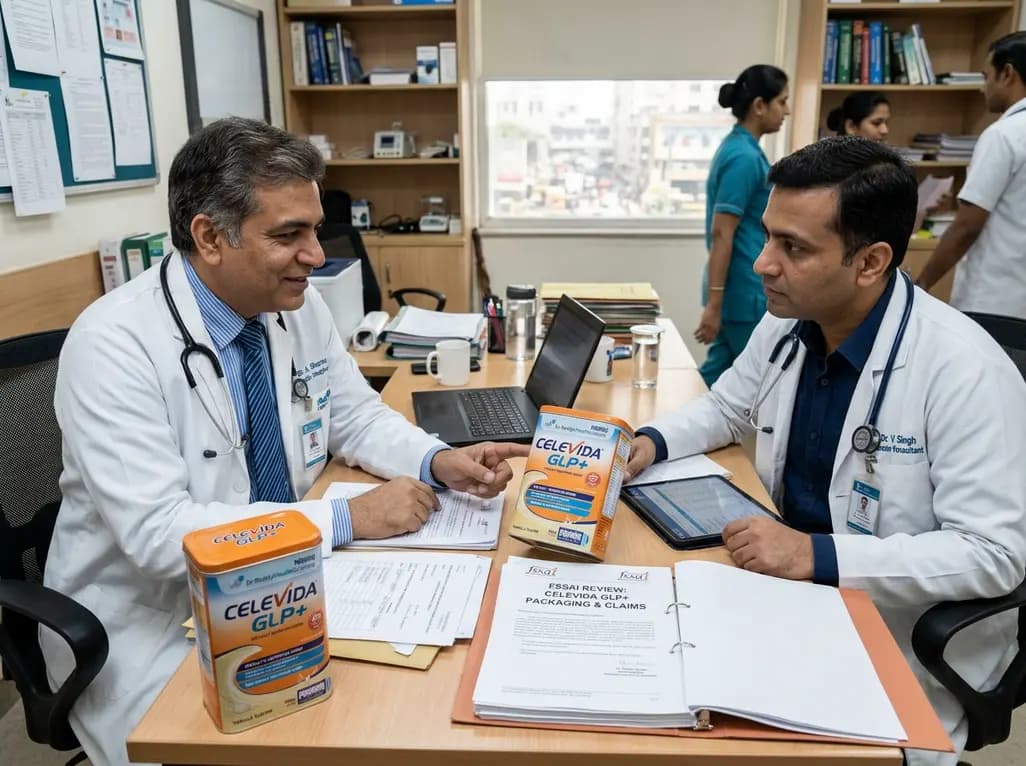
Following regulatory scrutiny from FSSAI regarding promotional representations and lean muscle preservation claims, Dr. Reddy's Laboratories and Nestlé Health Science are currently reviewing the branding and marketing strategy for their joint nutritional supplement Celevida GLP+.
Today
A comprehensive scoping review synthesises evidence linking prenatal maternal mental health to long-term offspring neurodevelopment, evaluating neuroendocrine, inflammatory, and epigenetic pathways while highlighting clinical screening and future research priorities.
Today
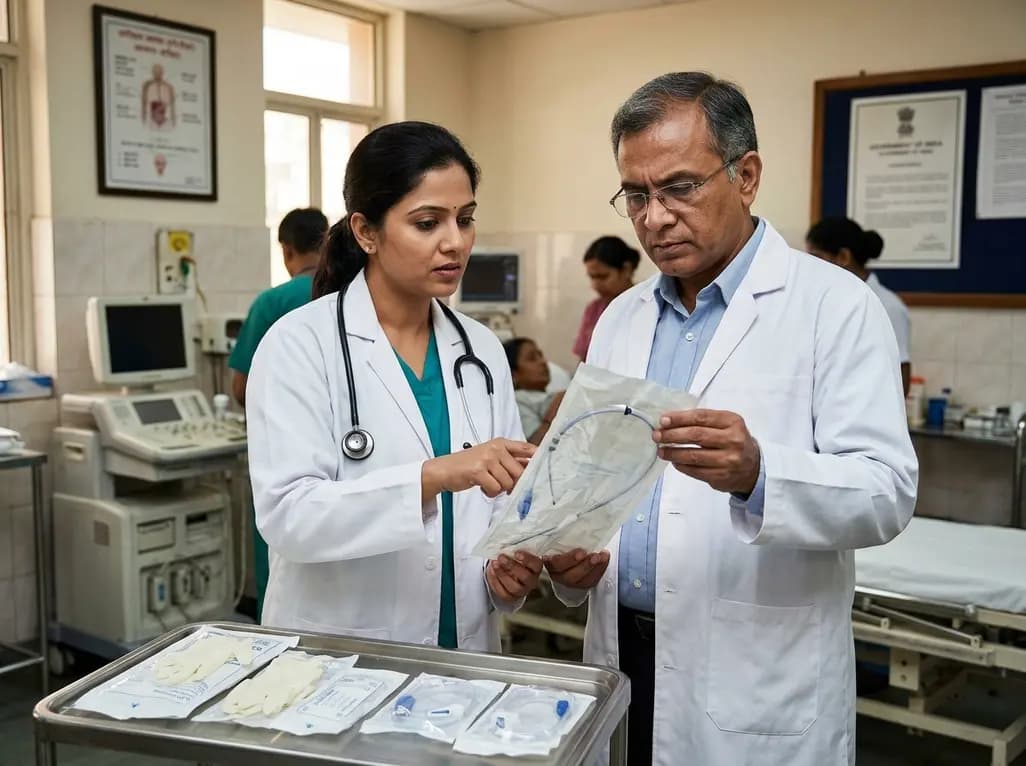
The Directorate General of Health Services directs Indian states to halt the hazardous reuse and reprocessing of single-use medical devices. Discover regulatory implications under the Drugs and Cosmetics Act, critical infection risks, legal liabilities, and operational changes required across clinical specialties.
Today

A 25-year multi-institutional cohort reveals high recurrence rates in pediatric giant cell tumor of bone, particularly in patients with open physes and bone marrow edema on preoperative MRI. Early surveillance and careful balance between growth plate preservation and tumor clearance are essential.
Today

India is advancing preventive healthcare by integrating genomics, artificial intelligence, and quantum technologies. With the SANGAM programme sequencing one million Indian genomes, clinicians can unlock personalized therapies, detect cardiometabolic risks early, and curb the burden of diabetes and heart disease.
Today
