

Loading, please wait...
Loading, please wait...

The global incidence of skin malignancy continues to rise at an alarming pace, straining outpatient dermatology services worldwide. In response, digital health innovators have introduced AI skin cancer apps to triage suspicious cutaneous lesions directly from consumer smartphones. Although these mobile platforms promise rapid risk stratification, their real-world clinical value hinges entirely on whether individuals trust the recommendations and act upon them. Standalone algorithmic assessments frequently trigger skepticism among patients, especially when evaluating potentially life-threatening lesions. Consequently, integrating expert human oversight through teledermatology has emerged as a promising strategy to bolster patient confidence.
Skin cancer accounts for a significant burden across outpatient clinics, prompting physicians to explore scalable screening solutions. Consequently, mobile health developers have trained deep learning models on extensive dermoscopic and clinical image libraries to identify malignant features. These computer vision algorithms can analyze pigmented lesions within seconds and recommend either routine observation or urgent clinical evaluation.
However, artificial intelligence does not operate in a clinical vacuum. When individuals suspect melanoma or non-melanoma skin cancer, emotional vulnerability and fear strongly dictate their decision-making. If patients perceive algorithmic feedback as impersonal or fallible, they may disregard critical triage recommendations. In contrast, unvalidated consumer apps may deliver false reassurance, causing individuals to postpone necessary biopsies. Therefore, evaluating how users interact with digital triage platforms is vital for clinicians. Healthcare providers must understand whether algorithms alone provide adequate guidance, or whether human clinical oversight remains indispensable.
To address this crucial gap, investigators conducted a rigorous randomized controlled trial evaluating user responses to digital skin assessments. The study utilized an academic hospital patient panel to test how clinician supervision alters patient trust and adherence intentions. Specifically, researchers enrolled adult participants who evaluated simulated mobile application scenarios reflecting diverse dermatological encounters.
The experimental design systematically varied the source of advice across two distinct pathways: standalone algorithmic analysis versus hybrid teledermatologist supervision. Furthermore, the researchers examined different risk categories by presenting low-risk benign evaluations alongside high-risk suspicious findings. Participants also completed the vignettes under differing psychological contexts, distinguishing genuine clinical concern from simple exploratory curiosity.
By utilizing repeated-measures mixed-effects models, the trial isolated the independent impact of human oversight on participant attitudes. The study measured trust on a continuous numerical scale, while recording intended adherence through structured behavioral intent metrics. Consequently, the trial offers robust quantitative evidence regarding how supervisory medical expertise modifies patient engagement.
The trial demonstrated that teledermatologist oversight substantially elevates patient trust compared with standalone algorithm output. Specifically, participants assigned to the hybrid supervision arm reported significantly higher trust scores than those receiving automated feedback alone. The statistical analysis revealed a substantial effect size, confirming that clinical supervision provides reassurance that software cannot replicate.
Moreover, the elevated trust translated directly into stronger adherence intentions. When the application flagged high-risk lesions, participants in the supervised group displayed a significantly higher willingness to schedule prompt clinical follow-ups. In addition, user motivation influenced engagement patterns across the cohort. Participants entering the platform with active anxiety or personal concerns valued human validation even more acutely than casual browsers.
Interestingly, even for low-risk findings, supervisory oversight mitigated anxiety and reduced the likelihood of inappropriate reassurance-seeking elsewhere. Patients demonstrated greater confidence in benign results when a certified dermatologist verified the computer algorithm. Thus, clinician involvement reinforces appropriate health behaviors across the entire spectrum of cutaneous risk.
While artificial intelligence processes vast visual data rapidly, algorithmic predictions lack contextual empathy and holistic clinical judgment. Patients recognize that machine learning models cannot answer bespoke questions, understand complex medical histories, or provide definitive physical palpation. Therefore, pure algorithmic feedback often induces skepticism, particularly when the generated outcome contradicts a patient's personal intuition.
Furthermore, medical liability and ethical governance present substantial hurdles for autonomous screening technologies. When an algorithm misclassifies an aggressive nodular melanoma as a benign seborrheic keratosis, the diagnostic error can result in fatal delays. Conversely, excessive false-positive flags overwhelm tertiary dermatology clinics with unnecessary biopsies and panic-driven consultations.
Integrating teledermatologist supervision creates an essential safety net that resolves both diagnostic and psychological limitations. A reviewing specialist validates image quality, interprets ambiguous lesion borders, and tailors the advisory message to local referral pathways. As a result, the hybrid model preserves the rapid triage efficiency of artificial intelligence while maintaining the diagnostic rigor and patient rapport of traditional medicine.
In India, the dual burden of high patient volumes and a severe shortage of qualified dermatologists makes digital triage highly appealing. Although cutaneous melanoma exhibits lower incidence rates in South Asia compared to Western nations, squamous cell carcinoma, basal cell carcinoma, and aggressive cutaneous metastases remain critical concerns. Additionally, pigmented lesions, atypical nevi, and inflammatory dermatoses present substantial diagnostic challenges in richly pigmented Fitzpatrick skin types IV to VI.
Furthermore, the National Medical Commission (NMC) Telemedicine Practice Guidelines emphasize physician accountability and informed consent in all remote clinical interactions. Autonomous algorithmic prescribing or definitive diagnosis without registered medical practitioner oversight raises significant ethical and legal barriers in India. Therefore, hybrid teledermatology models offer a compliant, clinically sound framework for Indian practitioners.
Community health centers and rural clinics can deploy digital photography tools to capture suspicious lesions for algorithmic pre-screening. Subsequently, urban hospital-based dermatologists can asynchronously review high-risk flags and confirm referral decisions. This collaborative pathway expands specialist access, prevents unnecessary urban travel for rural patients, and protects clinical safety.
As digital health apps proliferate in commercial app stores, healthcare providers must proactively counsel patients regarding digital skin evaluations. General practitioners and family physicians serve as the initial contact point when patients present smartphone screenshots displaying automated cancer risks. Consequently, clinicians must maintain open communication regarding the diagnostic capabilities and inherent limitations of mobile screening software.
Clinicians should instruct patients never to rely on unverified smartphone apps as definitive diagnostic substitutes. Instead, doctors should encourage patients to seek formal clinical evaluations whenever a lesion displays bleeding, rapid growth, or color irregularity. Moreover, healthcare systems adopting digital triage should prioritize hybrid platforms that incorporate asynchronous specialist oversight.
By combining algorithmic efficiency with teledermatologist expertise, healthcare institutions can optimize triage workflows without compromising patient trust or diagnostic standards. Ultimately, human clinical supervision transforms digital health tools from uncertain novelties into dependable instruments for early cutaneous disease detection.
Teledermatologist supervision significantly boosts patient adherence by providing authoritative medical validation for automated findings. When users know a certified specialist reviewed their lesion image, their skepticism diminishes substantially. Consequently, patients take high-risk alerts seriously and promptly seek in-person diagnostic biopsies. Furthermore, specialist oversight reassures low-risk users, preventing redundant hospital visits and unnecessary health anxiety while maintaining reliable long-term clinical monitoring.
Current standalone algorithms demonstrate impressive image recognition capabilities, but they cannot replace comprehensive clinical evaluations. Machine learning models often struggle with variable lighting, improper focus, atypical lesion presentations, and diverse skin phototypes. In addition, standalone software lacks the ability to gather comprehensive patient history or perform physical palpation. Therefore, regulatory authorities and clinicians strongly recommend human oversight to ensure diagnostic accuracy and avoid catastrophic misdiagnoses.
Indian physicians should advise patients to treat smartphone skin screening applications solely as preliminary educational tools rather than definitive diagnoses. Clinicians must remind patients that most commercial platforms lack prospective clinical validation across Indian skin tones. Therefore, patients noticing lesion enlargement, irregular margins, spontaneous bleeding, or unusual pigmentation must consult a qualified doctor immediately, regardless of what an algorithmic mobile application predicts.
Disclaimer: This content is for informational and educational purposes only and should not be considered professional medical advice. Healthcare professionals should make decisions based on individual patient assessments and clinical judgment. Refer to the latest local and national guidelines for clinical practice.
References

Read summarized clinical updates, watch expert medical content, and earn CME certifications right from your smartphone.
Open your smartphone camera to scan and install.





A randomized trial demonstrates that teledermatologist supervision in AI skin cancer apps significantly improves patient trust and adherence intentions compared to standalone AI triage, highlighting the essential role of human clinical oversight in digital dermatology.
Today
The FocUS-R study highlights the role of structural factors in stress management effectiveness. Findings reveal that while psychological flexibility supports coping, socioeconomic barriers significantly diminish its protective benefits, highlighting the need for equity-focused clinical and public health approaches.
Today
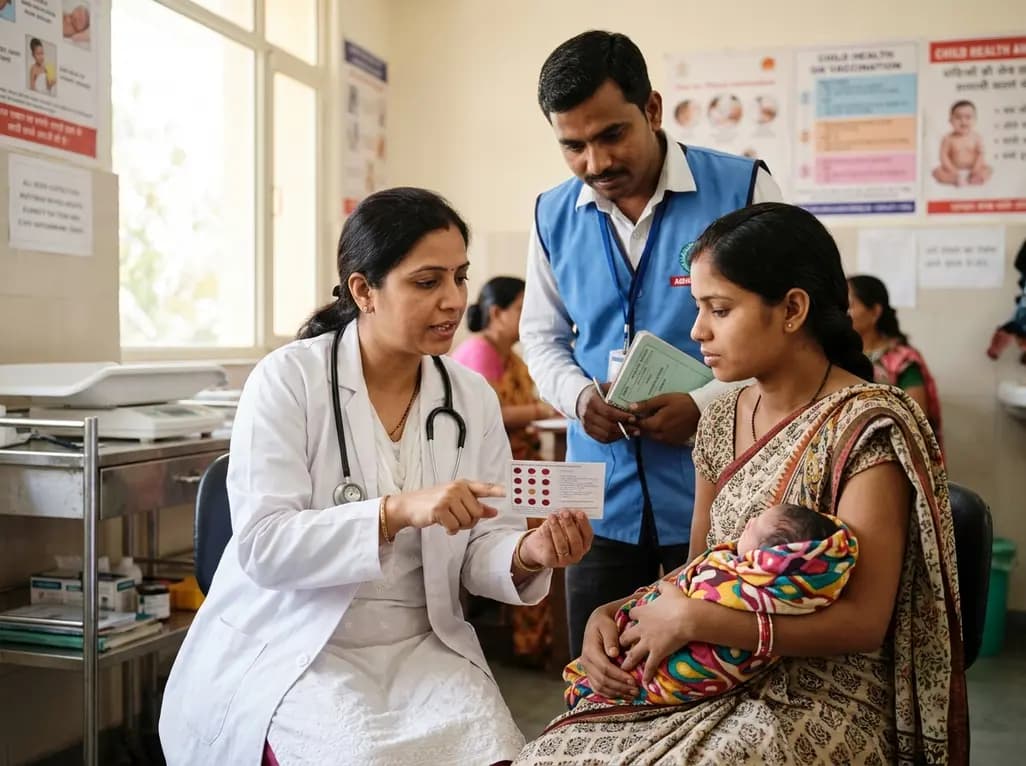
A recent community-partnered study highlights critical gaps in newborn screening follow-up in high-infant-mortality areas. Discover actionable strategies for clinicians to improve antenatal education, train community healthcare workers, and optimize timely interventions for metabolic and congenital disorders.
Today
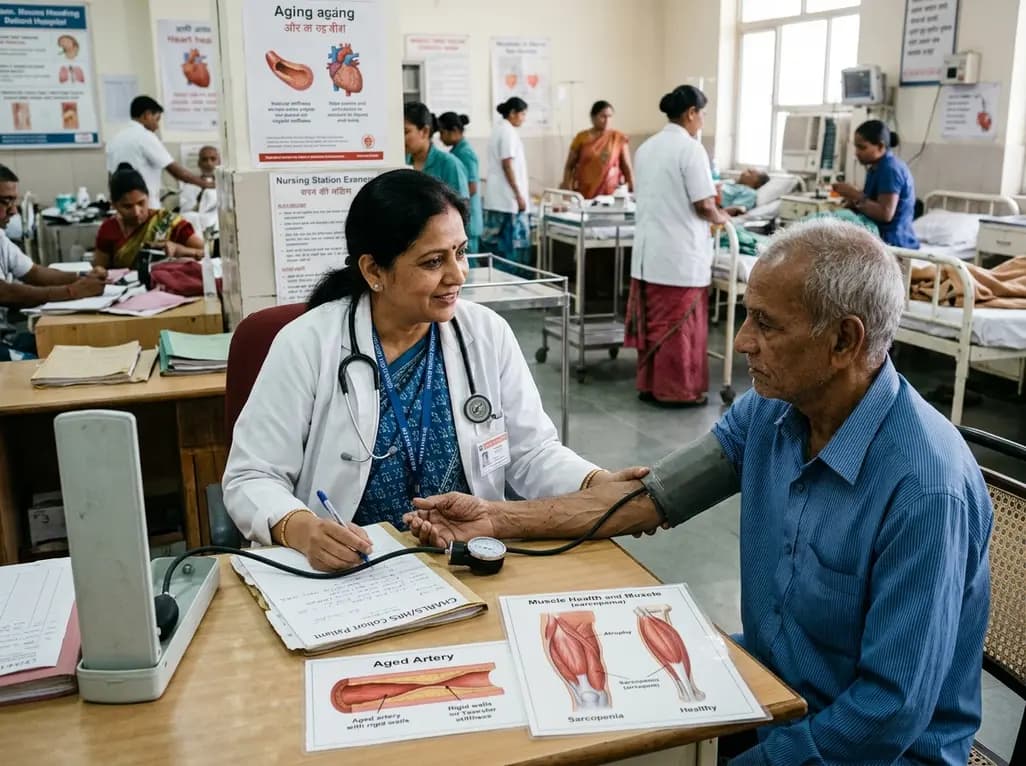
A multicenter longitudinal study of the CHARLS and HRS cohorts demonstrates that elevated cumulative pulse pressure and high-stable trajectories significantly increase incident sarcopenia risk in older adults, particularly in those with heart disease, linking arterial stiffness directly to progressive muscle loss.
Today
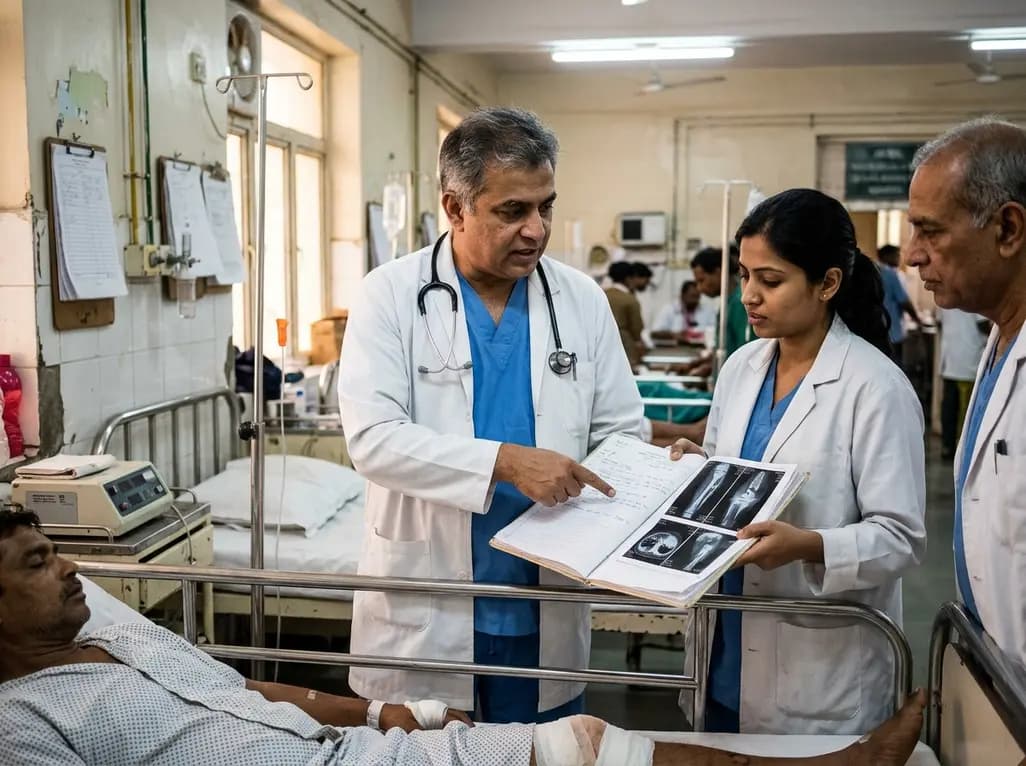
A 491-patient cohort study in Sudan reveals critical insights into war trauma reconstructive surgery, analyzing injury patterns, soft-tissue procedures, and a 25.5% complication rate in resource-limited conflict zones.
Today
A descriptive qualitative study reveals that dietary and exercise relapses in mHealth apps stem from stress, cultural misalignment, and emotional disengagement. Clinicians must champion flexible, relapse-responsive digital therapeutics that foster gentle reentry and sustained glycemic control.
Today
