

Loading, please wait...
Loading, please wait...
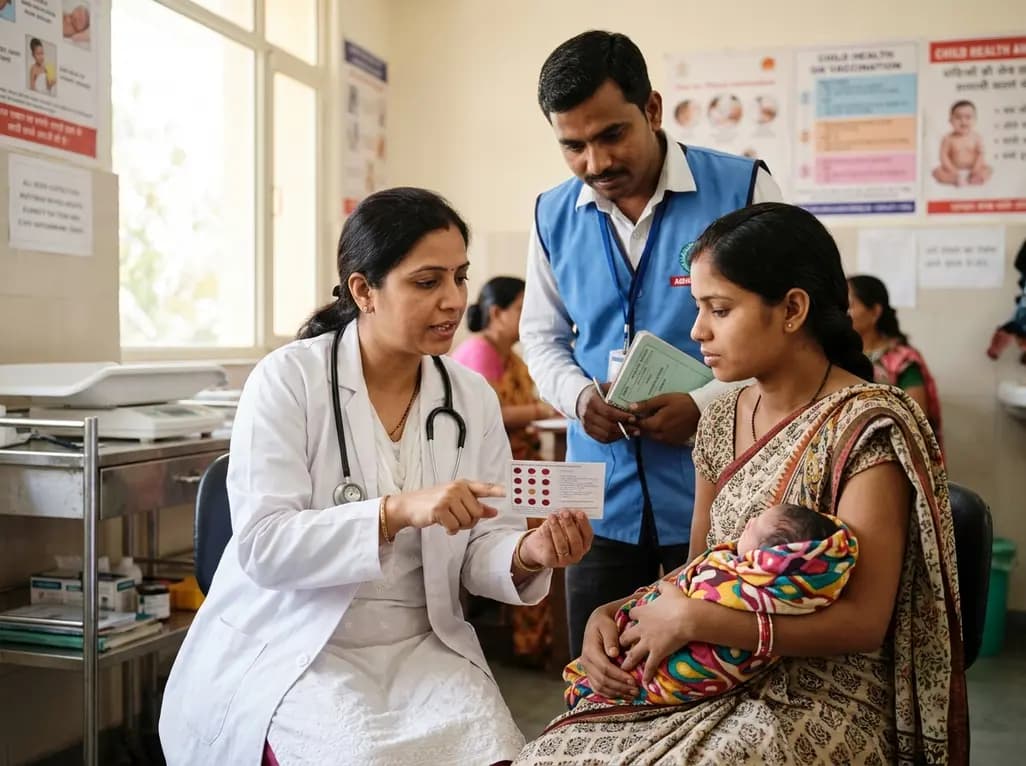
Newborn screening serves as a cornerstone of preventive pediatrics, detecting severe metabolic and genetic conditions before irreversible damage occurs. However, achieving equitable outcomes requires robust newborn screening awareness and coordinated follow-up systems across diverse clinical environments. When health systems identify rare disorders promptly, timely interventions preserve infant health and reduce preventable mortality.
Public health programs widely view newborn screening as an essential preventive milestone. Nevertheless, significant disparities persist in the diagnostic interval and treatment initiation following an initial abnormal result. In regions with elevated infant mortality, these delays exacerbate baseline health inequities. Vulnerable families frequently face fragmented communication and delayed recall protocols. Consequently, valuable therapeutic windows close before specialized medical centers can initiate life-saving interventions.
Recent implementation research in Cuyahoga County, Ohio, highlighted these operational challenges in high-risk communities. Researchers partnered with local infant health organizations to investigate systematic bottlenecks in screening workflows. Although modern laboratory assays detect conditions rapidly, the clinical safety net often fails during community re-engagement. When parents do not understand screening indications, they experience acute anxiety or fail to return for confirmatory testing. Therefore, closing equity gaps requires bridging hospital-based diagnostics with continuous community-level engagement. Healthcare providers must recognize that a laboratory report represents only the initial step of a complex care cascade. Without reliable follow-up pathways, even advanced diagnostic panels cannot prevent avoidable infant disability or death.
Effective patient education fundamentally determines how families navigate complex screening results. In a recent community-partnered survey of perinatal professionals, 89% strongly endorsed proactive family education regarding metabolic testing. Furthermore, 71% of respondents identified the third trimester of pregnancy as the optimal window for this counseling. Expectant mothers receive extensive guidance on labor and lactation during late gestation. However, clinicians rarely discuss newborn heel-prick protocols during these routine prenatal appointments.
Introducing screening concepts during the postpartum hospital stay often proves counterproductive. New parents face exhaustion, physical recovery, and information overload immediately following childbirth. As a result, families frequently sign screening consent forms without comprehending their practical significance. When an abnormal screening flag subsequently arises, parents experience panic rather than informed cooperation. Conversely, proactive third-trimester discussions normalize the screening process as a routine safety standard. Obstetricians and prenatal counselors can explain the distinction between initial screening tests and definitive diagnostic confirmations. Additionally, early discussions prepare parents for potential secondary recalls, reducing emotional distress. By embedding screening education into standard antenatal schedules, clinicians build parental confidence and promote prompt compliance.
Community health workers and home-visiting professionals occupy a uniquely trusted position in maternal-child health. Because they interact with families in home environments, they can reinforce essential pediatric guidance. Yet, the survey revealed an alarming educational deficit: 71% of frontline perinatal workers reported no formal training in newborn screening. This gap prevents community workers from answering basic parental questions or identifying urgent clinical red flags.
To resolve this limitation, healthcare institutions must establish structured continuing education modules for community health teams. Training should demystify dried blood spot collection timelines, common screened conditions, and repeat testing protocols. Moreover, community workers require practical scripts to explain why screen-positive results demand urgent pediatrician visits. When frontline professionals understand the urgency of congenital hypothyroidism or galactosemia, they actively track down families lost to initial hospital contact. In countries like India, equipping Accredited Social Health Activists with this knowledge mirrors these exact implementation needs. Grassroots workers can seamlessly bridge vulnerable households and district diagnostic centers. Consequently, workforce capacity building transforms passive home visits into active safety nets that protect infants from preventable decompensation.
A resilient screening infrastructure requires explicit role delineation between hospital clinicians and community workers. Surveyed stakeholders unanimously viewed physicians as the primary authorities responsible for explaining medical indications and diagnostic nuances. Meanwhile, they identified home visitors and community health personnel as vital secondary navigators who reinforce clinical recommendations. When roles blur without coordination, critical follow-up tasks fall through organizational gaps.
Physicians must initiate the diagnostic discussion by explaining the biological rationale for screening and interpreting abnormal findings. However, busy doctors cannot always track patients who miss follow-up appointments. In contrast, community health workers excel at patient outreach, scheduling assistance, and overcoming socio-economic obstacles. For example, navigators can resolve transport issues, address language barriers, and facilitate rapid sample collection for confirmatory testing. Furthermore, closed-loop electronic communication between tertiary pediatric centers and community agencies ensures that no positive screen goes unaddressed. When physicians provide authoritative clinical leadership while community teams manage field navigation, patient compliance improves substantially. This symbiotic partnership ensures that vulnerable neonates transition smoothly from initial abnormal screen to timely medical management.
In India, neonatal screening initiatives face unique operational hurdles, including high birth volumes and uneven regional healthcare infrastructure. While programs like Rashtriya Bal Swasthya Karyakram screen for birth defects, comprehensive biochemical screening remains inconsistent across private and public sectors. Indian pediatricians and obstetricians can adapt these research insights to strengthen institutional workflows and reduce infant morbidity.
First, obstetric teams should integrate structured newborn screening counseling into third-trimester prenatal checklists alongside routine birth preparedness. Second, hospital discharge summaries must clearly record dried blood spot sampling details and dispatch numbers. Third, healthcare facilities should partner with peripheral health workers to verify addresses and contact details before maternal discharge. Because mobile phone numbers frequently change, securing alternative family contacts prevents catastrophic loss to follow-up. In addition, tertiary centers must establish rapid-recall protocols that coordinate directly with district early intervention centers. When confirmatory testing detects disorders like congenital adrenal hyperplasia, immediate pediatric referral saves lives. Ultimately, uniting antenatal education with structured community tracking establishes a dependable safety net for every Indian newborn.
Clinicians should introduce newborn screening during late pregnancy because expectant parents retain complex medical information better before delivery stress begins. Immediately after birth, postpartum physical recovery and infant care frequently overwhelm mothers and families. By discussing metabolic screening panels, collection timelines, and potential recall steps during routine third-trimester prenatal visits, clinicians establish informed baseline awareness. Consequently, families navigate unexpected abnormal results with greater clarity, reduced emotional panic, and immediate compliance.
An abnormal result indicates elevated risk rather than a definitive diagnosis of a congenital or metabolic condition. When an initial dried blood spot indicates abnormal biomarker concentrations, the pediatrician must contact the parents immediately without causing catastrophic distress. Clinicians must arrange prompt confirmatory diagnostic testing, such as repeat biochemical profiles, serum enzyme assays, or genetic panels. Concurrently, clinicians should initiate interim stabilization therapy or emergency dietary modifications when life-threatening metabolic decompensation threatens infant survival.
Community health workers overcome critical follow-up hurdles by locating families who change residential addresses or telephone numbers after hospital discharge. Because they possess established local trust, these frontline advocates provide culturally sensitive reassurances, explaining why confirmatory medical testing is urgent. Furthermore, community navigators assist marginalized caregivers with appointment scheduling, transportation logistics, and overcoming systemic hospital barriers. Their persistent grassroots advocacy bridges the dangerous chasm between initial abnormal hospital laboratory alerts and actual outpatient clinical evaluations.
Disclaimer: This content is for informational and educational purposes only... Refer to the latest local and national guidelines for clinical practice.
References

Read summarized clinical updates, watch expert medical content, and earn CME certifications right from your smartphone.
Open your smartphone camera to scan and install.





A recent community-partnered study highlights critical gaps in newborn screening follow-up in high-infant-mortality areas. Discover actionable strategies for clinicians to improve antenatal education, train community healthcare workers, and optimize timely interventions for metabolic and congenital disorders.
Today
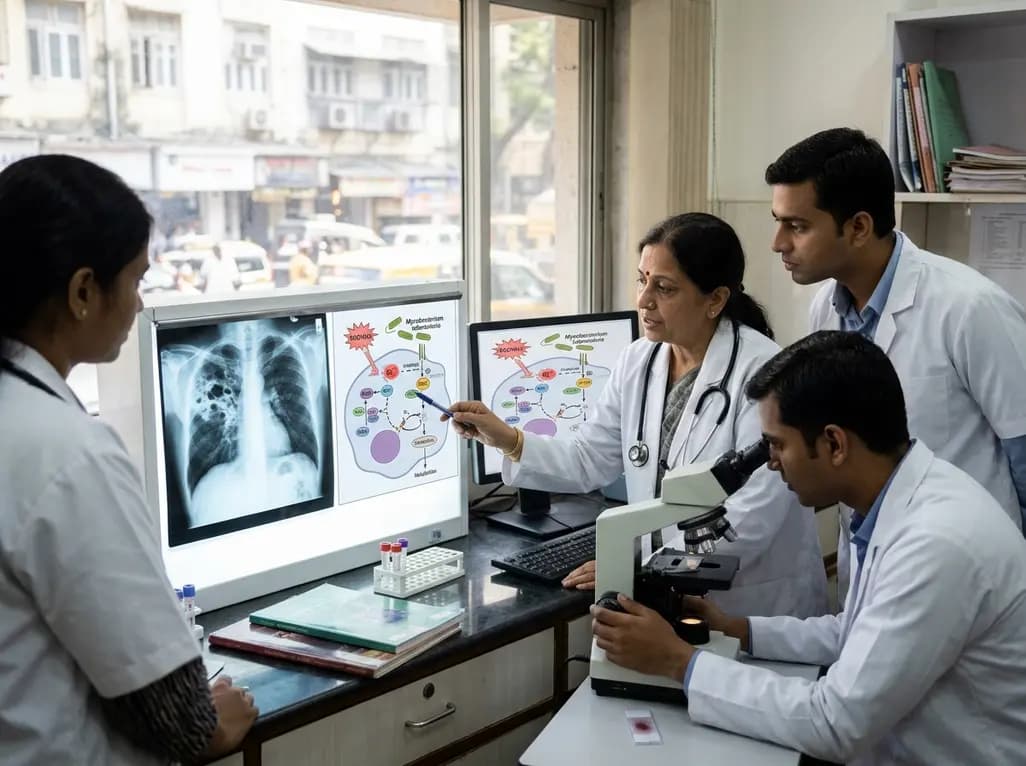
Redox metabolism at the host-pathogen interface dictates Mycobacterium tuberculosis persistence and drug tolerance. Understanding these metabolic and oxidative pathways reveals novel host-directed interventions to overcome treatment failure and tissue damage in tuberculosis.
Today
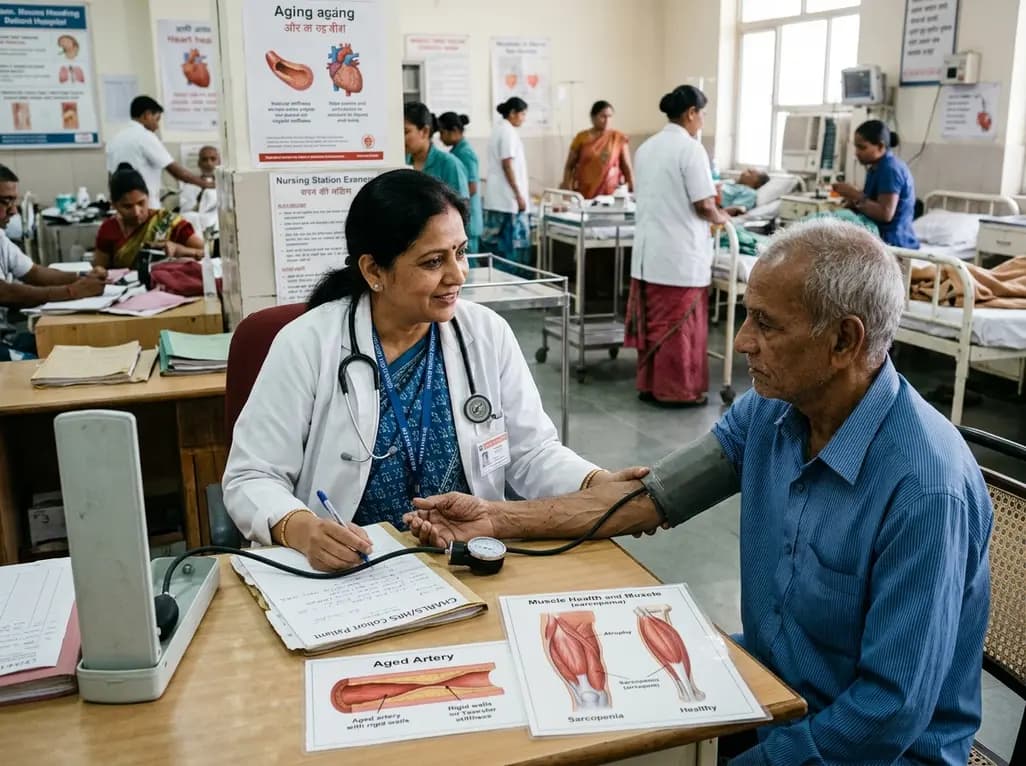
A multicenter longitudinal study of the CHARLS and HRS cohorts demonstrates that elevated cumulative pulse pressure and high-stable trajectories significantly increase incident sarcopenia risk in older adults, particularly in those with heart disease, linking arterial stiffness directly to progressive muscle loss.
Today

A 491-patient cohort study in Sudan reveals critical insights into war trauma reconstructive surgery, analyzing injury patterns, soft-tissue procedures, and a 25.5% complication rate in resource-limited conflict zones.
Today
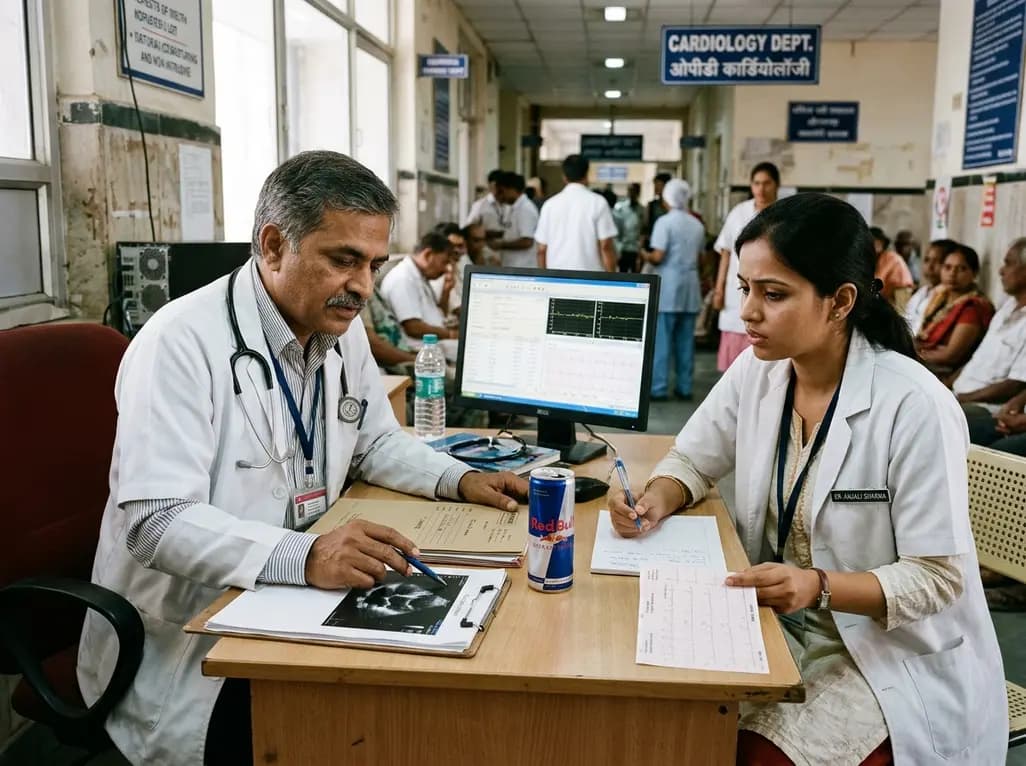
The Food Safety and Standards Authority of India has challenged Red Bull over its marketing claims, demanding scientific evidence for the term energy drink. With products packing massive amounts of caffeine and added sugar, clinicians must recognize the critical cardiovascular and metabolic implications for young patients.
Today
