.webp&w=384&q=75)

Loading, please wait...
Loading, please wait...
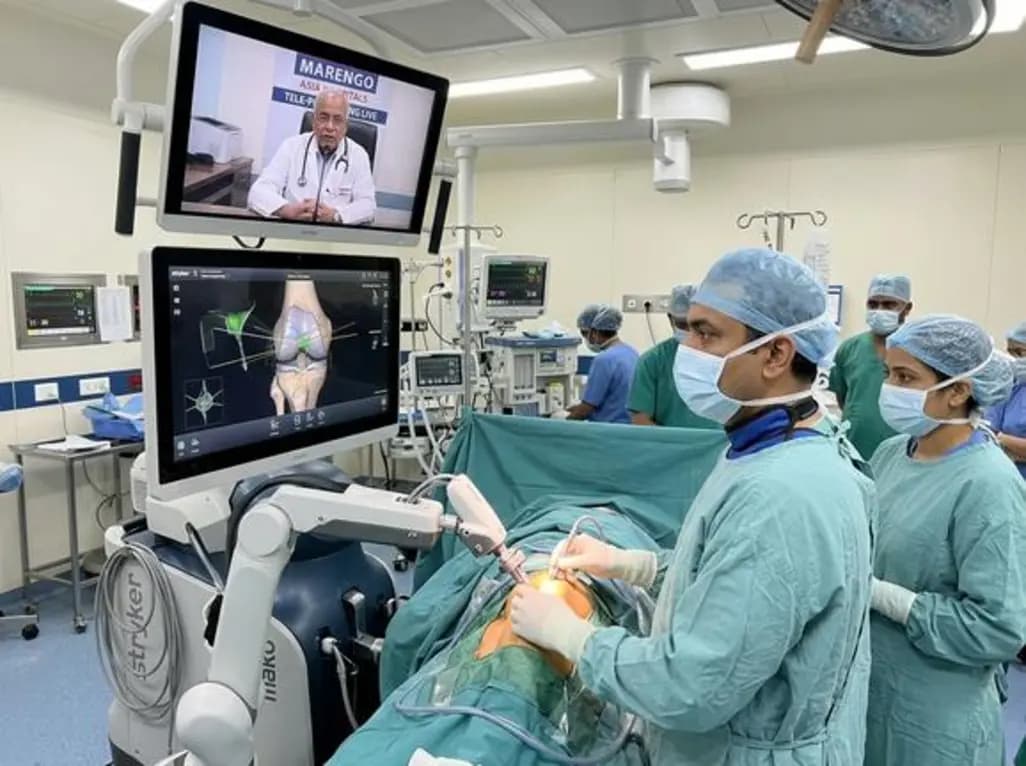
Marengo Asia Hospitals Faridabad has introduced a breakthrough tele-proctor robotic surgery program. Specifically, this initiative aims to expand access to high-precision robotic knee replacements in Tier-2 and Tier-3 Indian cities. Consequently, patients in remote regions can now access advanced surgical care without traveling to metropolitan centers. Tele-proctoring merges cutting-edge telecommunications with fully automated robotic systems like the MISSO platform. This integration allows expert mentors to provide real-time guidance directly to operating rooms across different locations.
During a procedure, the local surgical team operates the robotic system under constant supervision. Meanwhile, a remote specialist monitors the live surgery feed and offers instantaneous technical feedback. This secure connectivity significantly enhances procedural precision and minimizes potential human errors. Therefore, the local surgeon can execute complex joint reconstructions with much higher confidence. In addition, this collaborative approach guarantees that patient safety remains paramount throughout the intervention.
The hospital successfully performed its first tele-proctored surgery on a sixty-seven-year-old female patient in Palwal. Specifically, Dr. Inderjeet Singh conducted the knee replacement while receiving remote guidance from Dr. Anurag Aggarwal. As a result, the patient recovered successfully without having to travel outside her hometown for specialized treatment. This achievement demonstrates how technology can successfully bridge the gap between technical training and clinical application. Moreover, reducing patient travel significantly lowers overall healthcare expenses for families in rural areas.
Q1: What is tele-proctor robotic surgery?
It is an advanced surgical mentorship program where an expert surgeon remotely monitors and guides a local surgeon performing a robotic procedure in real time using secure telecommunication systems.
Q2: How does tele-proctoring benefit patients in smaller cities?
This program allows patients in Tier-2 and Tier-3 cities to undergo highly precise robotic surgeries locally, eliminating the need to travel to metro cities, which lowers costs and travel burdens.
Q3: Which robotic system is utilized in this program?
The program utilizes fully automated robotic systems, such as the MISSO robotic platform, to ensure high precision, secure connectivity, and real-time remote guidance.
Disclaimer: This content is for informational and educational purposes only. It does not constitute medical advice or replace professional judgment. Refer to the latest local and national guidelines for clinical practice.
References

Read summarized clinical updates, watch expert medical content, and earn CME certifications right from your smartphone.
Open your smartphone camera to scan and install.





Marengo Asia Hospitals Faridabad has introduced India's first tele-proctoring program for robotic knee replacements. This initiative brings real-time, remote surgical guidance to local surgeons in Tier-2 and Tier-3 cities, improving procedural accuracy and patient outcomes while reducing travel and healthcare costs.
4 months ago
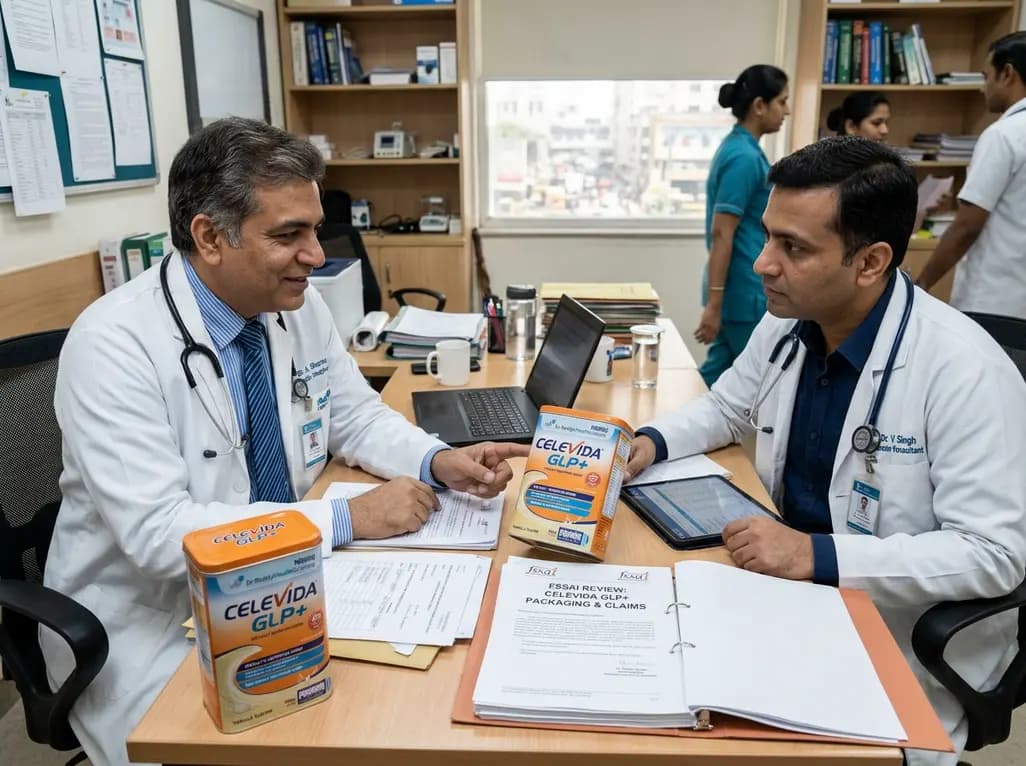
Following regulatory scrutiny from FSSAI regarding promotional representations and lean muscle preservation claims, Dr. Reddy's Laboratories and Nestlé Health Science are currently reviewing the branding and marketing strategy for their joint nutritional supplement Celevida GLP+.
Today
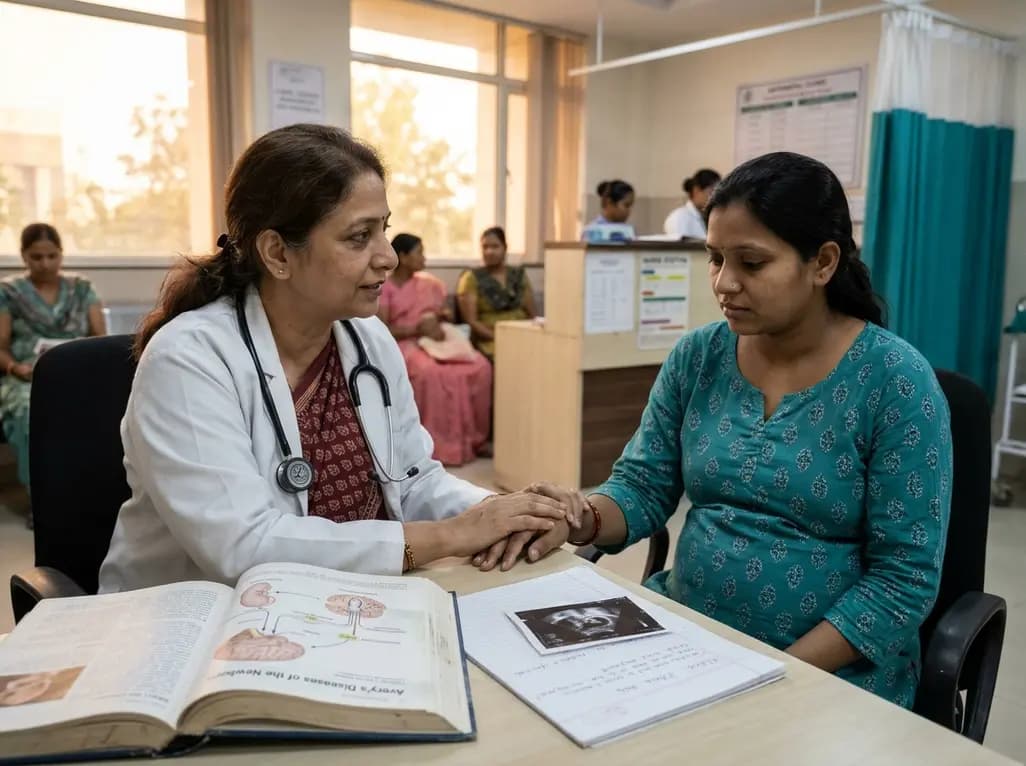
A comprehensive scoping review synthesises evidence linking prenatal maternal mental health to long-term offspring neurodevelopment, evaluating neuroendocrine, inflammatory, and epigenetic pathways while highlighting clinical screening and future research priorities.
Today
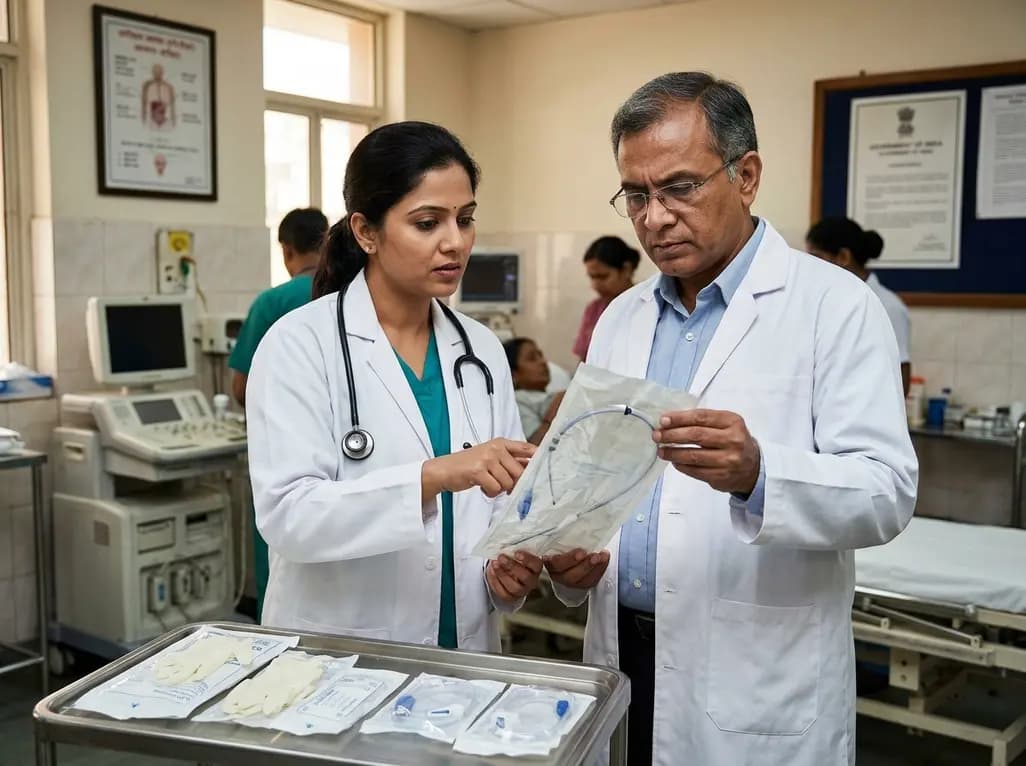
The Directorate General of Health Services directs Indian states to halt the hazardous reuse and reprocessing of single-use medical devices. Discover regulatory implications under the Drugs and Cosmetics Act, critical infection risks, legal liabilities, and operational changes required across clinical specialties.
Today
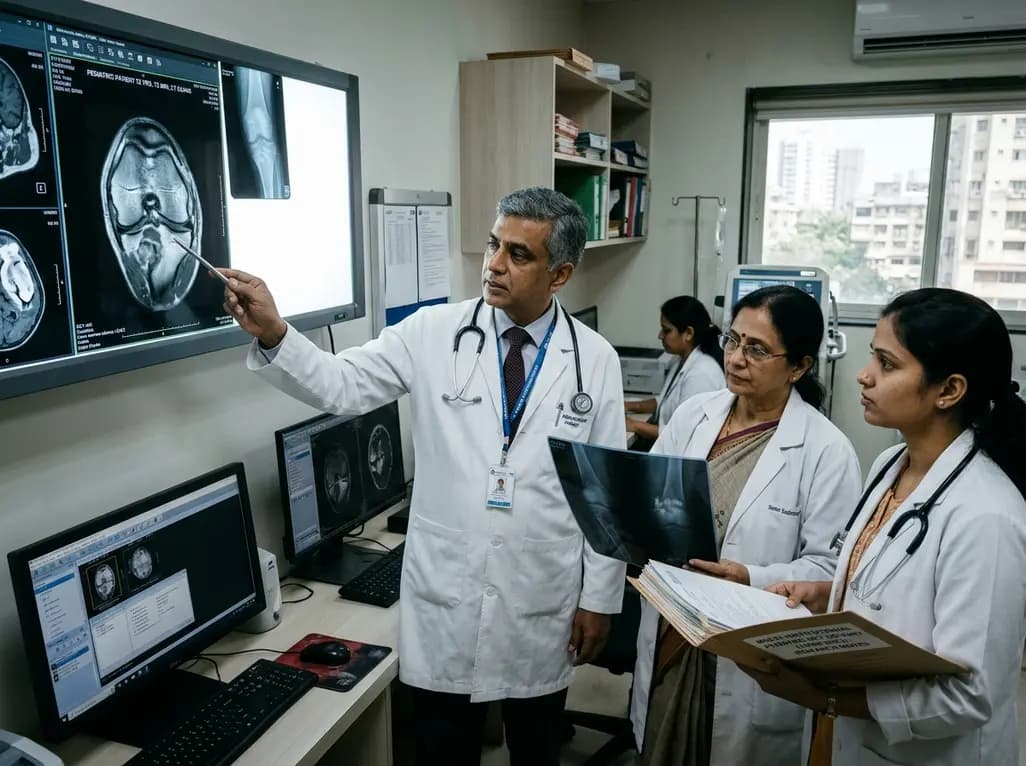
A 25-year multi-institutional cohort reveals high recurrence rates in pediatric giant cell tumor of bone, particularly in patients with open physes and bone marrow edema on preoperative MRI. Early surveillance and careful balance between growth plate preservation and tumor clearance are essential.
Today

India is advancing preventive healthcare by integrating genomics, artificial intelligence, and quantum technologies. With the SANGAM programme sequencing one million Indian genomes, clinicians can unlock personalized therapies, detect cardiometabolic risks early, and curb the burden of diabetes and heart disease.
Today
