.webp&w=384&q=75)

Loading, please wait...
Loading, please wait...
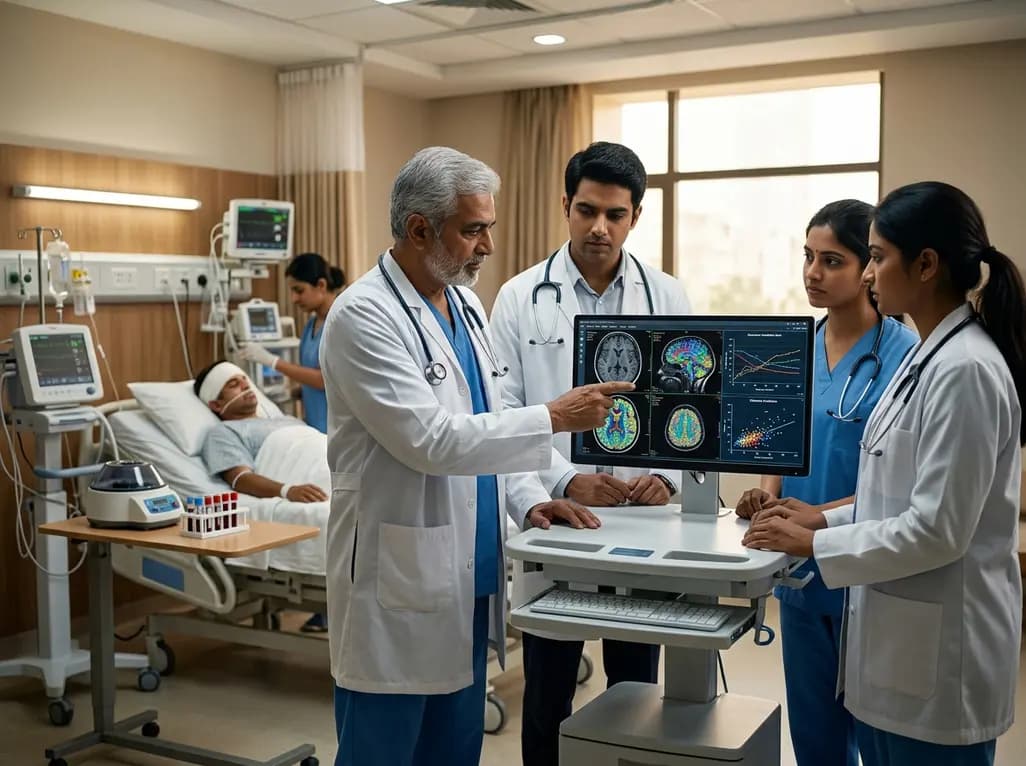
Management of head injuries in acute settings relies heavily on the early identification of Traumatic Brain Injury Biomarkers to guide therapeutic decisions and long-term prognosis. Traumatic brain injury (TBI) remains a leading cause of mortality and disability globally, with a particularly high burden in India due to the rising incidence of road traffic accidents. Clinicians traditionally use the Glasgow Coma Scale (GCS) and early neuroimaging to categorize injury severity. However, these tools often fail to capture the complex molecular cascades that determine functional recovery. Consequently, there is an urgent clinical need for more precise predictive markers that can refine our understanding of brain damage.
The Australian Traumatic Brain Injury Initiative (AUS-TBI) recently undertook a massive systematic review to address this gap. Their objective was to establish a robust data dictionary that identifies high-value biological markers for moderate-to-severe TBI. By evaluating over 100,000 records, the researchers identified specific fluid and imaging indicators that correlate strongly with clinical outcomes. This comprehensive approach aims to move beyond descriptive analysis toward a predictive model that enhances personalized care. For Indian neurologists and emergency physicians, understanding these markers is essential for optimizing intensive care resources and managing family expectations regarding recovery timelines. Furthermore, the integration of these markers into standardized protocols could significantly improve the quality of neurotrauma care in high-volume trauma centers.
Blood-based biomarkers have revolutionized the triage and monitoring of neurotrauma patients. Specifically, ubiquitin C-terminal hydrolase L1 (UCH-L1), S100B, and glial fibrillary acidic protein (GFAP) emerged from the AUS-TBI review as high-value predictors. UCH-L1 is a marker of neuronal cell body injury, while GFAP and S100B primarily reflect astrocytic damage and blood-brain barrier disruption. When these proteins are released into the bloodstream following a moderate-to-severe TBI, their concentrations provide a direct window into the extent of tissue destruction. Moreover, studies indicate that elevated levels of these proteins in the acute phase are strongly associated with unfavorable functional outcomes at six months post-injury.
Transitioning from research to clinical application requires a clear understanding of what these markers represent. For instance, GFAP is highly specific to central nervous system damage and is less likely to be influenced by extracranial injuries than S100B. This distinction is critical in polytrauma cases, which are common in Indian emergency departments. Although S100B has been used for years, its lack of specificity for brain tissue sometimes limits its utility in patients with significant bone fractures or soft tissue trauma. In contrast, the combination of UCH-L1 and GFAP offers a more nuanced view of the interplay between neuronal and glial injury. Consequently, using a panel of these markers rather than a single indicator may provide the highest predictive accuracy for identifying patients at risk of secondary neurological decline.
Neuroimaging remains the cornerstone of TBI diagnosis, yet its role in predicting long-term disability is constantly evolving. The AUS-TBI systematic review highlighted several high-value imaging markers, including Computed Tomography (CT) scores and Magnetic Resonance Imaging (MRI) classifications. Specifically, the Marshall score is a widely utilized CT-based metric that grades the degree of brain swelling and midline shift. While the Marshall score is excellent for identifying patients who require immediate surgical intervention, its ability to predict subtle neurocognitive deficits is somewhat limited. Therefore, modern clinical practice increasingly incorporates more detailed pathological observations such as the presence of traumatic subarachnoid hemorrhage or diffuse cerebral edema.
Advancements in MRI have further expanded our ability to assess injury severity. Magnetic resonance imaging is particularly superior in identifying Diffuse Axonal Injury (DAI), which is often invisible on initial CT scans. The AUS-TBI consensus process identified DAI classification as a critical predictor of long-term functional status. Patients with extensive DAI on MRI tend to have significantly different recovery trajectories compared to those with focal contusions alone. Furthermore, the systematic review emphasized that pathological findings like midline shift and hemorrhage volume are not just acute surgical markers but are also long-term prognostic indicators. Consequently, Indian radiologists and neurosurgeons must prioritize standardized reporting of these features to ensure that prognostic data is consistently available for follow-up care and rehabilitation planning.
One of the most critical takeaways from the recent systematic review is that the utility of Traumatic Brain Injury Biomarkers is strictly dependent on the clinical context and the timing of the sample. Biological markers are dynamic, and their concentrations in fluid change rapidly during the hours and days following an impact. For example, UCH-L1 has a relatively short half-life, meaning that samples taken too late in the clinical course may yield false-negative results. Conversely, GFAP levels may stay elevated for a longer duration, providing a broader window for diagnostic utility. Clinicians must therefore be diligent about documenting the exact interval between the injury and the blood draw to interpret results accurately.
Moreover, the clinical context of the patient, including age and comorbidities, significantly influences biomarker levels. Older patients may have higher baseline levels of certain markers due to age-related neurodegeneration, which can complicate the interpretation of TBI-specific elevations. In the Indian healthcare setting, where patients often present to tertiary centers after a delay, understanding these temporal kinetics is vital. If a patient arrives twelve hours post-injury, a low UCH-L1 level might not indicate a lack of injury but rather the natural clearance of the protein from the systemic circulation. Therefore, future protocols should incorporate time-adjusted thresholds to maintain high sensitivity and specificity. By considering the sampling timeline, healthcare providers can avoid misinterpreting the severity of the injury and ensure that patients receive the appropriate level of monitoring.
Integrating these high-value biomarkers into the routine workflow of Indian hospitals presents both challenges and opportunities. Currently, neuroimaging is the primary tool used in most trauma centers, but the addition of blood-based markers could streamline the triage process. In resource-limited settings, using a highly sensitive fluid biomarker panel could potentially identify patients who truly need an urgent CT scan, thereby reducing unnecessary radiation exposure and costs. Furthermore, for patients in the Intensive Care Unit (ICU), serial monitoring of biomarkers could help clinicians detect secondary injuries, such as evolving edema or delayed hemorrhage, before they become clinically apparent on examination.
Additionally, the AUS-TBI data dictionary provides a framework for standardized data collection in India. By adopting a similar ontology of data items, Indian medical institutions can contribute to global research while improving local patient outcomes. This standardization allows for better comparison between different centers and facilitates the development of local predictive models tailored to the Indian population. As the cost of biomarker assays continues to decrease, their implementation in major trauma centers across the country becomes more feasible. Consequently, the transition toward biomarker-augmented care represents a significant step forward in the management of moderate-to-severe TBI, offering a more objective and scientific basis for clinical decision-making and patient counseling.
The systematic review and consensus process conducted by the Australian Traumatic Brain Injury Initiative marks a major milestone in neurotrauma research. By identifying 41 high-value predictors across 101 outcomes, the study provides a clear roadmap for the future of TBI management. These findings underscore the importance of combining fluid biomarkers like GFAP and UCH-L1 with sophisticated imaging classifications to achieve a comprehensive prognostic picture. For the medical community, these results offer more than just a list of markers; they provide a foundation for a universal data resource that can improve predictive accuracy worldwide.
Ultimately, the goal of identifying these biomarkers is to ensure that every patient with a moderate-to-severe TBI receives a prognosis based on objective biological evidence. As we move toward this future, the focus must remain on the clinical utility and the practical considerations of sampling and context. Standardizing our approach to these markers will allow for more effective rehabilitation strategies and more informed communication with patients and their families. The work of the AUS-TBI initiative demonstrates that through rigorous systematic review and expert consensus, we can finally begin to decode the complexities of traumatic brain injury.
The systematic review identified ubiquitin C-terminal hydrolase L1 (UCH-L1), S100, and glial fibrillary acidic protein (GFAP) as the most significant fluid markers. These proteins indicate neuronal and astrocytic damage, respectively. Their elevated levels in the acute phase serve as high-value predictors for long-term clinical and functional outcomes in TBI patients.
The Marshall score is a CT-based classification system that evaluates intracranial pressure signs, such as midline shift and basal cistern compression. It helps clinicians categorize the severity of brain injury acutely. While primarily used for surgical decisions, higher Marshall scores also correlate with increased risks of mortality and poor functional recovery.
Biomarker concentrations change rapidly following a brain injury due to their specific half-lives and clearance rates. For clinicians in India, where transport delays are common, knowing the time of injury is vital. Sampling outside the optimal window can lead to inaccurate prognostications, as marker levels may have already peaked and declined.
Disclaimer: This content is for informational and educational purposes only and does not constitute medical advice. Always seek the advice of a qualified healthcare provider with any questions regarding a medical condition. Refer to the latest local and national guidelines for clinical practice.
References
Bagg MK et al. The Australian Traumatic Brain Injury Initiative: Systematic Review of Predictive Value of Biological Markers for People With Moderate-Severe Traumatic Brain Injury. J Neurotrauma. 2025 Nov. doi: 10.1089/neu.2023.0464. PMID: 38115587.
Korley FK et al. Day-of-injury Plasma GFAP and UCH-L1 Predict Functional Recovery After Traumatic Brain Injury. Neurology. 2022 Oct;99(15):e1644-e1654.
Thelin EP et al. A review of the clinical utility of serum S100B in traumatic brain injury. Frontiers in Neurology. 2017;8:231.

Read summarized clinical updates, watch expert medical content, and earn CME certifications right from your smartphone.
Open your smartphone camera to scan and install.





A comprehensive review of the Australian Traumatic Brain Injury Initiative findings on biological markers. Learn how fluid and imaging biomarkers improve outcome prediction for moderate-to-severe TBI patients in clinical settings.
3 months ago
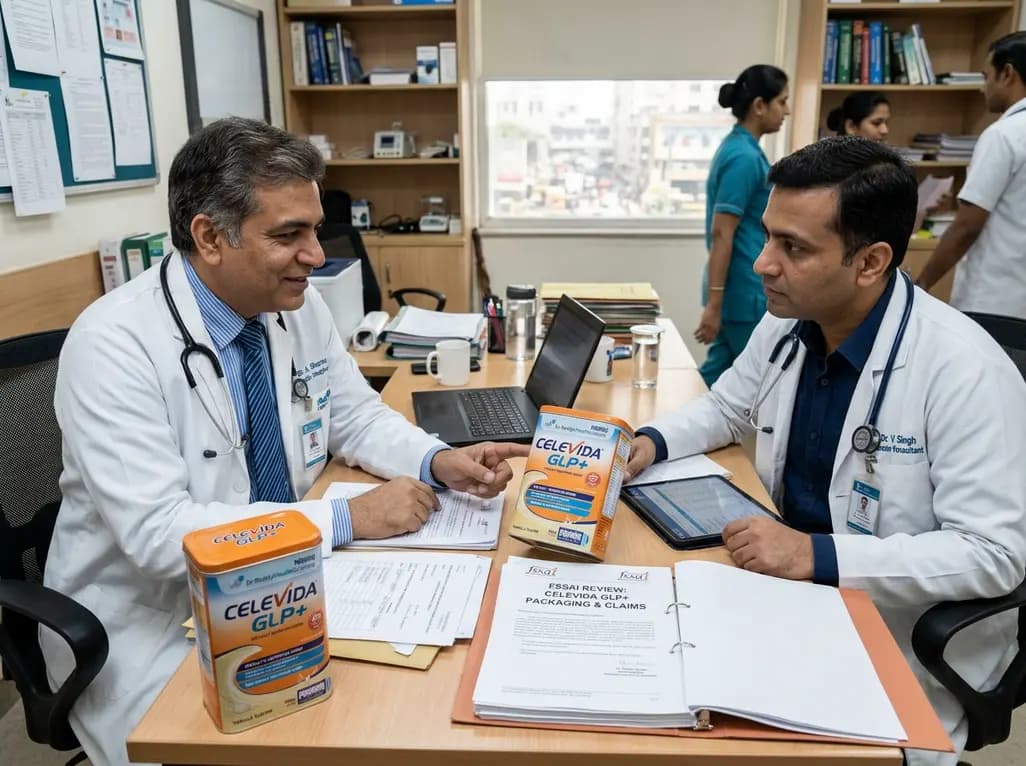
Following regulatory scrutiny from FSSAI regarding promotional representations and lean muscle preservation claims, Dr. Reddy's Laboratories and Nestlé Health Science are currently reviewing the branding and marketing strategy for their joint nutritional supplement Celevida GLP+.
Today
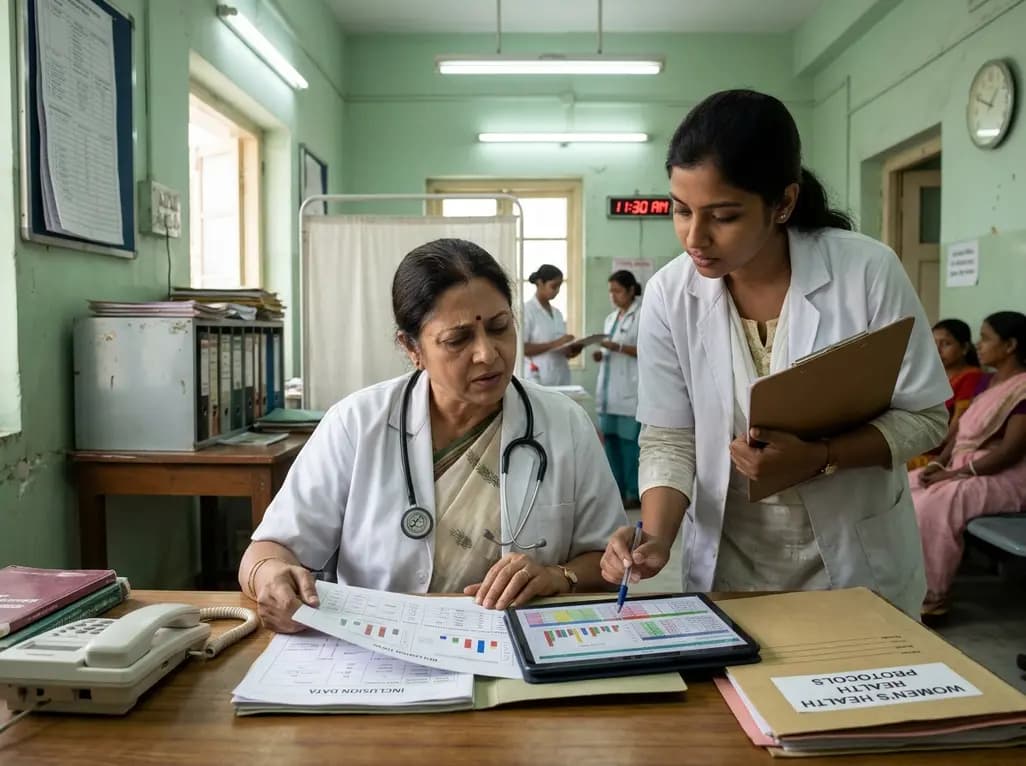
Demanding exhaustive hormonal profiling can inadvertently discourage clinical studies involving females. Methodological standards must align with the specific scientific question to expand, not restrict, equitable evidence for women.
Today
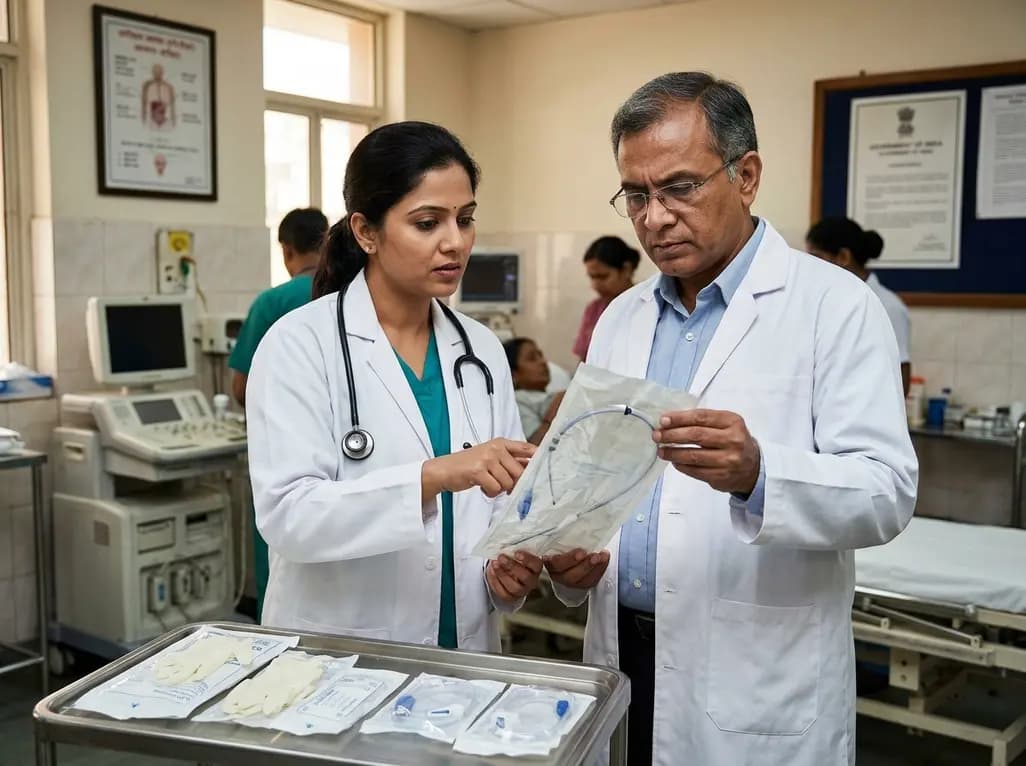
The Directorate General of Health Services directs Indian states to halt the hazardous reuse and reprocessing of single-use medical devices. Discover regulatory implications under the Drugs and Cosmetics Act, critical infection risks, legal liabilities, and operational changes required across clinical specialties.
Today
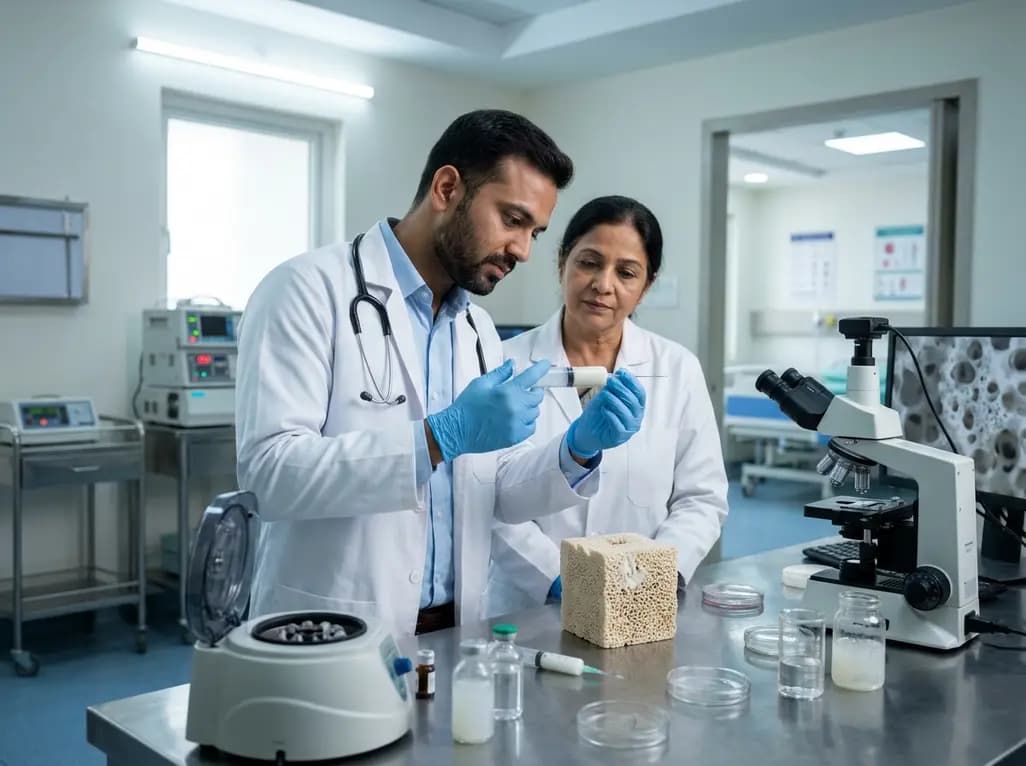
A novel calcium polyphosphate coacervate enables injectable bone implants with in situ hierarchical porosity via phase separation and gas foaming, significantly enhancing cell proliferation, energy metabolism, and osteogenic differentiation for minimally invasive bone defect repair.
Today

India is advancing preventive healthcare by integrating genomics, artificial intelligence, and quantum technologies. With the SANGAM programme sequencing one million Indian genomes, clinicians can unlock personalized therapies, detect cardiometabolic risks early, and curb the burden of diabetes and heart disease.
Today
