.webp&w=384&q=75)

Loading, please wait...
Loading, please wait...

Clinicians frequently recognize idiopathic normal pressure hydrocephalus as a reversible cause of neurocognitive impairment and gait disturbances in older adults. However, many affected patients face shortened long-term survival despite undergoing successful cerebrospinal fluid diversion. Emerging clinical investigations indicate that systemic metabolic comorbidities significantly influence neurodegenerative pathways and survival rates. Consequently, identifying reliable prognostic biomarkers remains essential for guiding longitudinal care and optimizing clinical outcomes in routine neurological practice.
Historically, clinicians viewed idiopathic normal pressure hydrocephalus almost exclusively as a mechanical disorder of cerebrospinal fluid circulation. However, contemporary translational findings challenge this classical paradigm. Investigators now recognize that systemic vascular risk factors heavily accelerate disease progression and increase overall mortality. Patients presenting with ventriculomegaly frequently harbor underlying vascular disturbances, including hypertension, diabetes mellitus, and chronic dyslipidemia.
Moreover, these coexisting conditions compromise microvascular perfusion across periventricular white matter. When cerebral vessels lose compliance, interstitial fluid exchange deteriorates substantially. Consequently, chronic metabolic stress triggers widespread neural tissue vulnerability and disrupts local repair mechanisms. In particular, systemic insulin resistance impairs endothelial signaling and fuels neuroinflammation. Therefore, clinicians must evaluate metabolic indices alongside cranial neuroimaging. Furthermore, epidemiological studies demonstrate that untreated cardiovascular comorbidities decrease shunt responsiveness over time. Hence, incorporating metabolic risk assessment into neurosurgical triage bridges the critical gap between mechanical interventions and sustained survival in aging populations.
Peripheral insulin resistance represents a central driver of systemic atherogenesis and microvascular disease. While direct insulin measurement often proves cumbersome in standard clinical workflows, routine lipid panels offer valuable surrogate markers. Specifically, the ratio of triglycerides to high-density lipoprotein cholesterol, known as the TG/HDL-C ratio, provides a robust, accessible index of insulin resistance.
In recent cohort analyses, patients with idiopathic normal pressure hydrocephalus demonstrated marked lipid abnormalities compared to matched control cohorts. These individuals exhibited elevated serum triglyceride concentrations and reduced high-density lipoprotein levels, driving the TG/HDL-C ratio significantly upward. Furthermore, this elevation reflects atherogenic dyslipidemia and persistent systemic metabolic stress. Importantly, an increased TG/HDL-C ratio directly associates with impaired cerebrovascular reactivity and arterial stiffening. When vascular compliance falls, cerebral perfusion becomes erratic, thereby exacerbating periventricular ischemia. In addition, persistent dyslipidemia promotes systemic low-grade inflammation that damages the blood-brain barrier. Consequently, evaluating the TG/HDL-C ratio equips clinicians with an inexpensive, standardized diagnostic tool to identify metabolic vulnerability early.
The glymphatic pathway facilitates the clearance of toxic metabolic waste from the central nervous system through perivascular channels. When this convective clearance mechanism falters, neurotoxins accumulate within parenchymal tissues. Clinicians assess this clearance dysfunction noninvasively on high-resolution three-Tesla magnetic resonance imaging by evaluating enlarged perivascular spaces, termed EPVS.
Recent imaging investigations reveal that patients with elevated TG/HDL-C ratios exhibit significantly higher grades of centrum semiovale enlarged perivascular spaces. The centrum semiovale contains dense networks of penetrating arterioles critical for cerebral interstitial fluid drainage. Therefore, visible dilation in these regions signifies severe perivascular stasis and structural remodeling of arterial walls. Furthermore, insulin resistance directly disrupts astrocytic end-foot polarization, impairing aquaporin-4 water channels that regulate glymphatic flux. When fluid transport fails, mechanical interstitial accumulation increases parenchymal stiffness and impairs surrounding white matter integrity. Consequently, the anatomical appearance of high-grade centrum semiovale EPVS reflects substantial glymphatic congestion. High-field neuroimaging provides direct visual confirmation of parenchymal microvascular impairment.
Determining long-term prognosis in elderly patients with idiopathic normal pressure hydrocephalus has traditionally posed major challenges. Although surgical shunting provides immediate symptomatic relief for many individuals, baseline comorbidity burden frequently governs overall life expectancy. Recent survival analyses using adjusted multivariable Cox proportional hazards models highlight the decisive prognostic power of lipid-related metabolic markers.
Among various lipid parameters, the TG/HDL-C ratio emerged as the single strongest independent predictor of all-cause mortality. However, the predictive accuracy improved dramatically when investigators constructed a combined prognostic framework. Specifically, coupling the peripheral TG/HDL-C ratio with centrum semiovale enlarged perivascular spaces yielded superior statistical model fit. This synergistic relationship indicates that systemic insulin resistance and localized glymphatic clearance failure act concurrently to accelerate clinical decline. Systemic metabolic stress drives microvascular stiffness, while glymphatic dysfunction impedes parenchymal clearance, producing profound neuronal vulnerability. Therefore, dual-marker profiling provides clinicians with a nuanced prognostic risk stratification instrument to anticipate heightened mortality risks.
Integrating metabolic evaluations into existing neurosurgical and neurological assessment pathways holds immense practical promise. For decades, clinical evaluation focused primarily on gait dynamics, cognitive assessments, and cerebrospinal fluid tap tests. While these assessments remain fundamental, they fail to capture the broader systemic milieu that ultimately dictates long-term survival.
In routine practice, ordering a standard fasting lipid profile requires minimal extra resources and imposes negligible financial burden on patients. By calculating the TG/HDL-C ratio, clinicians can rapidly stratify patients based on their underlying metabolic vulnerability. If severe dyslipidemia is present, physicians should initiate aggressive dietary counseling, lifestyle changes, and lipid-optimizing pharmacotherapy. Moreover, neuroradiologists should systematically report the severity of centrum semiovale enlarged perivascular spaces on diagnostic brain magnetic resonance scans. Ultimately, managing idiopathic normal pressure hydrocephalus demands a holistic, multidisciplinary approach spanning neurosurgery, neurology, geriatrics, and endocrinology to optimize long-term clinical survival.
The TG/HDL-C ratio serves as a validated, accessible surrogate marker for systemic insulin resistance and atherogenic dyslipidemia. In idiopathic normal pressure hydrocephalus, higher ratios indicate significant systemic metabolic dysfunction that impairs cerebral microvascular compliance and exacerbates neuroinflammation. Consequently, elevated levels strongly correlate with heightened all-cause mortality. Monitoring this simple lipid metric helps clinicians identify high-risk individuals who require intensive cardiovascular risk optimization alongside routine neurological care.
Enlarged perivascular spaces visible on magnetic resonance imaging represent anatomical dilation of fluid drainage channels surrounding penetrating cerebral vessels. When central nervous system interstitial fluid clearance falters, fluids and waste accumulate within these spaces, causing them to dilate visibly. In the centrum semiovale, extensive perivascular enlargement indicates severe glymphatic clearance failure and microvascular stiffness. Therefore, identifying prominent perivascular spaces provides noninvasive neuroimaging evidence of impaired cerebral interstitial homeostasis and compromised parenchymal waste clearance.
Although surgical shunts successfully relieve mechanical ventriculomegaly and improve mobility, systemic vascular comorbidities frequently limit overall survival. Addressing metabolic risk factors, such as insulin resistance and atherogenic dyslipidemia, reduces endothelial injury and systemic inflammation. Lifestyle modifications, dietary optimization, and appropriate pharmacotherapies help preserve microvascular integrity and sustain cerebral perfusion. Therefore, combining aggressive metabolic management with surgical therapy offers a promising comprehensive strategy to improve long-term functional recovery and life expectancy in affected patients.
Disclaimer: This content is for informational and educational purposes only and does not constitute medical advice, diagnosis, or treatment. Healthcare professionals should rely on their independent clinical judgment and cross-reference information. Refer to the latest local and national guidelines for clinical practice.
References

Read summarized clinical updates, watch expert medical content, and earn CME certifications right from your smartphone.
Open your smartphone camera to scan and install.





A new study reveals that lipid-related metabolic dysregulation, marked by elevated TG/HDL-C ratio and glymphatic changes, independently impacts survival in idiopathic normal pressure hydrocephalus.
last month

A prospective multicenter trial demonstrates that a 15-day factory-calibrated continuous glucose monitoring system provides high analytical accuracy (MARD ~7.7%) and safety in pregnant women with gestational diabetes mellitus.
Today

A rare presentation of cervical villoglandular adenocarcinoma metastasizing to the ovary mimicked a borderline ovarian tumor. Multimodal testing with immunohistochemistry and HPV16 DNA confirmed metastatic origin, guiding optimal surgical and chemoradiotherapy intervention.
Today

A landmark study details how an enterprise pediatric remote patient management model expanded from a single cardiology pilot to 16 diverse specialty programs by combining centralized digital operations with specialty clinical leadership.
Yesterday
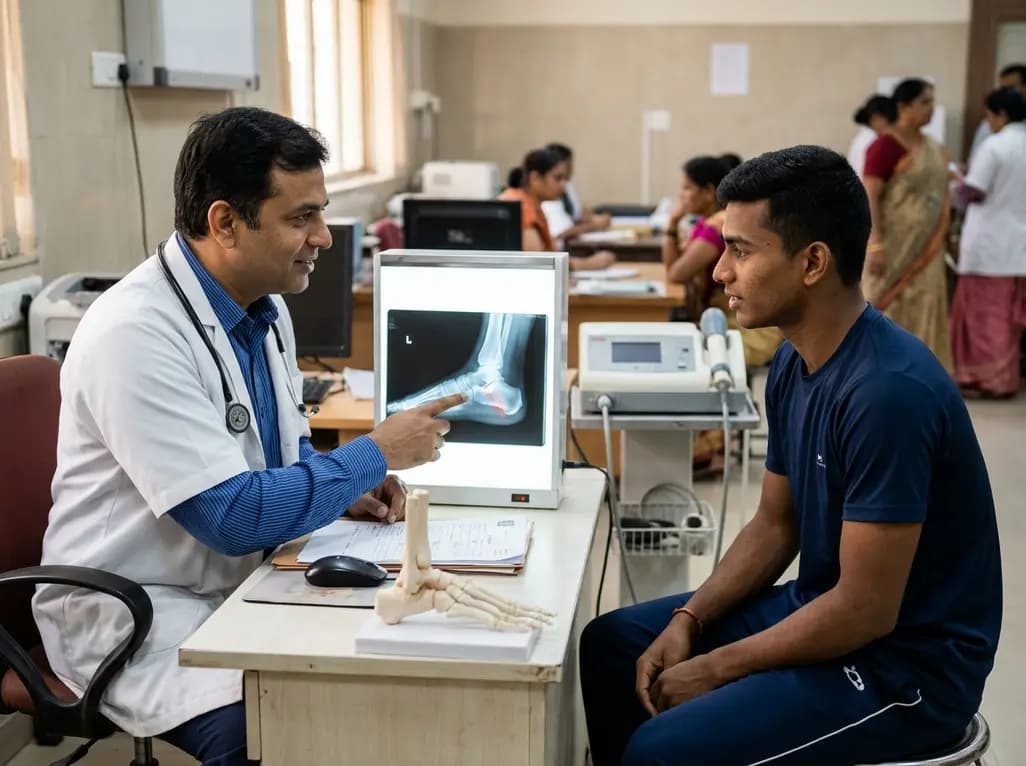
A collegiate hurdler with a 2-year neglected Degan type III anterior process calcaneus fracture achieved complete pain resolution and bony bridging using focused extracorporeal shock wave therapy, returning to competition without invasive surgery.
Today
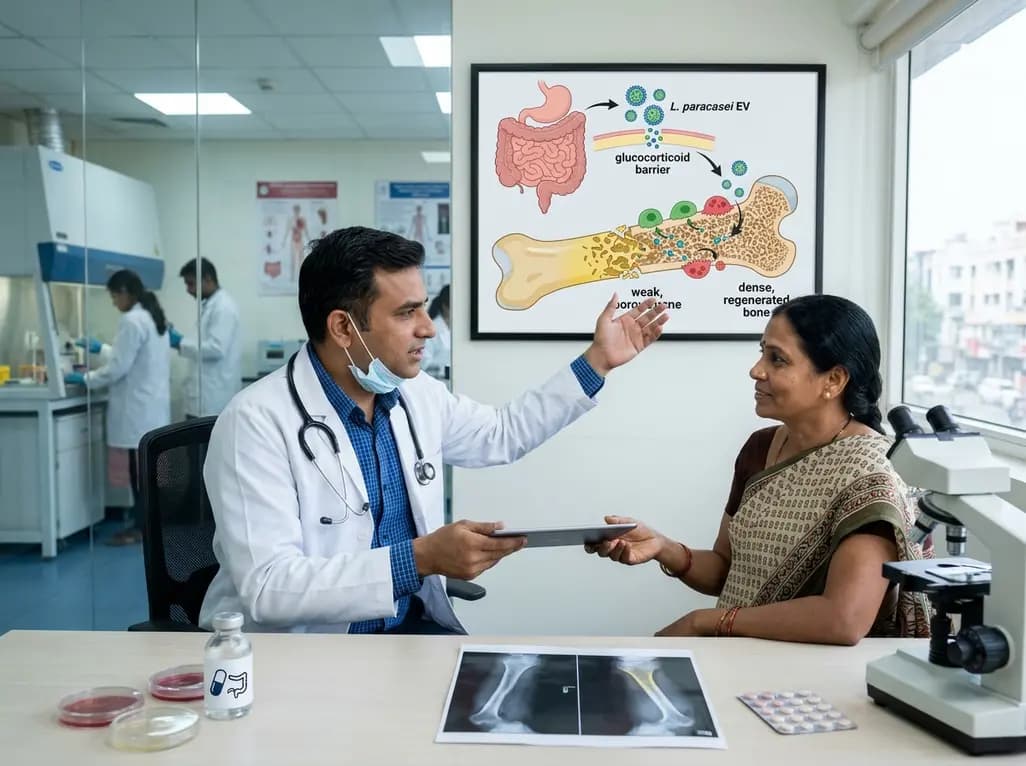
A novel oral nanoplatform using Lacticaseibacillus paracasei-derived extracellular vesicles delivers alendronate, reversing glucocorticoid-induced bone loss and restoring gut-immune-bone homeostasis.
Today
