.webp&w=384&q=75)

Loading, please wait...
Loading, please wait...
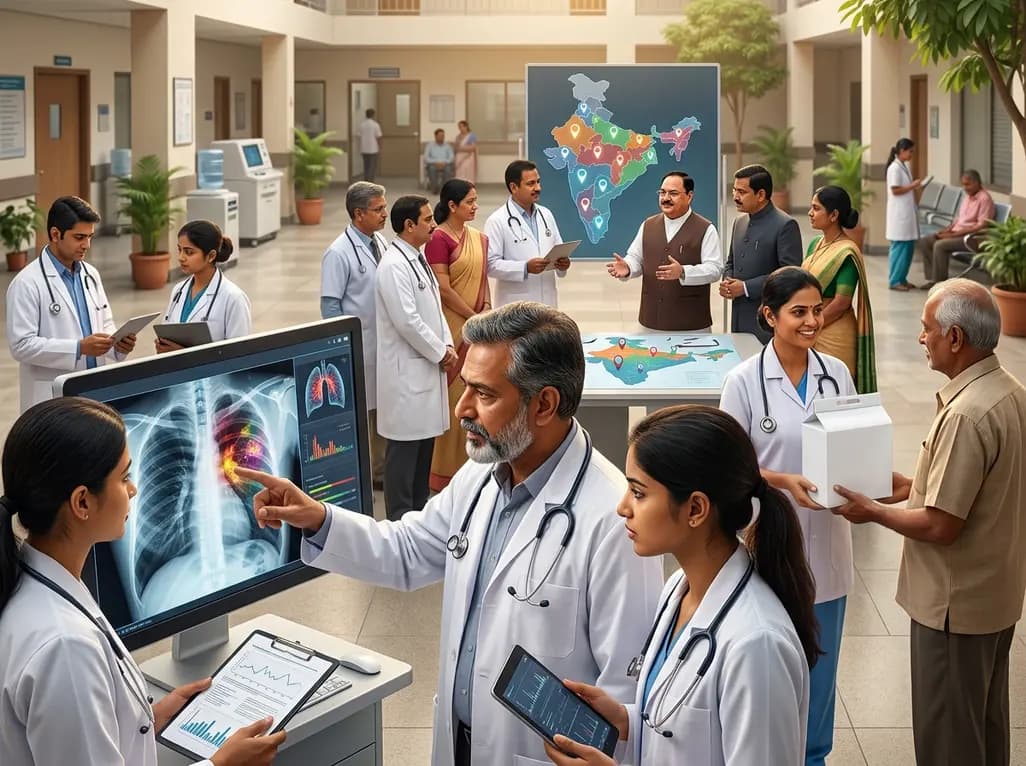
Union Health Minister J P Nadda recently convened a landmark consultative meeting with Members of Parliament from West Bengal to catalyze a grassroots movement against tuberculosis. This initiative emphasizes that political leadership, rigorous district-level oversight, and active community participation remain pivotal for achieving TB elimination in India by 2030. During the Monsoon session interaction at the Extended Parliament House Annexe, lawmakers across party lines joined Union Minister of State for Education and Development of North Eastern Region, Dr Sukanta Majumdar, to align state strategies with national public health goals.
This session forms part of a broader series of high-level parliamentary consultations involving representatives from Haryana, Uttar Pradesh, Madhya Pradesh, Gujarat, Rajasthan, and Tamil Nadu. By fostering a unified whole-of-government framework, public health authorities aim to accelerate multi-sectoral action against tuberculosis. Furthermore, recent epidemiological data highlights substantial progress, yet targeted regional interventions are indispensable. Consequently, empowering local representatives to lead awareness campaigns and oversee clinical service delivery ensures that diagnostics, treatments, and nutritional support reach the most vulnerable populations across rural and urban settings.
The national drive against tuberculosis relies on structured, phased execution to ensure maximum diagnostic reach and therapeutic adherence. The 100-Day TB-Mukt Bharat Abhiyaan exemplifies this proactive framework. Initially launched on December 7, 2024, across 347 high-priority districts, the campaign rapidly expanded nationwide before completing its first phase on March 24, 2025. Subsequently, the second phase focused on nearly 1.58 lakh high-risk villages and urban wards, deploying AI-guided micro-planning to pinpoint underserved communities.
Statistical milestones underscore the tangible impact of these structured interventions. According to the WHO Global TB Report 2025, India recorded a remarkable 21 per cent reduction in TB incidence between 2015 and 2024. Significantly, this rate of decline is nearly double the global average of 12 per cent. Moreover, treatment coverage in India surged to 92 per cent, substantially exceeding the international benchmark of 78 per cent. These achievements demonstrate that systematic case-finding, decentralized public healthcare infrastructure, and mandatory private-sector notifications are transforming public health outcomes across the subcontinent.
Early and accurate diagnosis forms the cornerstone of effective tuberculosis management. To bridge diagnostic gaps in remote regions, the Ministry of Health has integrated advanced indigenous technologies within primary healthcare networks. Indigenous TruNat molecular diagnostic machines play a critical role by facilitating rapid detection of Mycobacterium tuberculosis alongside multi-drug resistant strains (MDR-TB) at the block level. Furthermore, nucleic acid amplification testing (NAAT) has become the gold standard for prompt therapeutic initiation.
In addition to molecular diagnostics, portable diagnostic tools have revolutionized community screening. AI-enabled handheld X-ray devices and ultraportable units supported through PM CARES allow healthcare workers to conduct door-to-door diagnostic drives. Crucially, these technologies enable the proactive detection of asymptomatic TB cases, representing a transformative shift in epidemiological control. By identifying infected individuals before overt clinical symptoms manifest, public health programs successfully interrupt transmission chains within households and densely populated informal settlements.
Clinical management of tuberculosis extends beyond pharmacological therapy; it requires holistic financial and nutritional backing. Recognizing that malnutrition significantly compromises immunological defense and increases treatment failure, the Indian government enhanced monthly nutritional assistance under the Ni-kshay Poshan Yojana to Rs 1,000 per patient. This direct benefit transfer helps patients meet basic dietary requirements throughout their therapeutic course.
In tandem with financial support, social mobilization initiatives have expanded rapidly. Over five lakh Ni-kshay Mitras—comprising individual citizens, non-governmental organizations, elected officials, and corporate entities—have stepped forward to adopt TB patients. These volunteers offer supplemental food baskets, psychosocial support, and vocational assistance. Furthermore, the national program has introduced shorter, highly effective drug regimens that improve compliance and reduce adverse drug reactions. Universal access to free, high-quality government-supplied anti-TB medications ensures that no family experiences catastrophic health expenditures while seeking care.
Achieving national health targets requires strong administrative alignment between legislative leaders and ground-level healthcare administrators. During the parliamentary session, Minister Nadda urged MPs to conduct regular reviews with District Collectors, District Magistrates, and Chief Medical Officers. Active legislative oversight guarantees that healthcare facilities maintain adequate stocks of diagnostic kits, second-line anti-TB medications, and operational screening equipment.
Additionally, lawmakers were encouraged to perform routine supervisory visits to district hospitals, sub-divisional facilities, and Ayushman Arogya Mandirs. By inspecting service delivery firsthand, representatives can identify systemic bottlenecks and facilitate rapid administrative resolution. MPs are also tasked with organizing Ayushman Arogya Shivirs and Ni-kshay Shivirs in high-burden constituencies. These targeted camps facilitate comprehensive screening for vulnerable groups, including individuals with diabetes, smokers, elderly citizens, and close contacts of confirmed patients, ensuring seamless link-up with therapeutic programs.
Public participation, or Jan Bhagidari, serves as the operational engine of the TB-Mukt Bharat Abhiyaan. Tuberculosis control cannot succeed as a purely administrative or clinical exercise; it demands collective ownership across civil society. Stigma reduction remains a key clinical objective, as social discrimination often deters individuals from seeking timely diagnostic evaluations.
Through sustained information, education, and communication (IEC) campaigns, local leaders and community health workers actively dismantle long-standing misconceptions regarding disease transmission. Promoting cough hygiene, proper indoor ventilation, and prompt healthcare-seeking behavior fosters an environment conducive to early detection. When local communities actively support patients and destigmatize the disease, treatment completion rates improve significantly. Consequently, multi-stakeholder collaboration ensures that the vision of a TB-free nation translates from strategic policy into sustained, life-saving reality across every district in India.
Q1: What are the primary objectives of the 100-Day TB-Mukt Bharat Abhiyaan?
The 100-Day TB-Mukt Bharat Abhiyaan aims to accelerate tuberculosis elimination by enhancing case detection, expanding screening among high-risk populations, and reducing diagnostic delays. Implemented in two intensive phases across priority districts and high-risk villages, the campaign utilizes portable X-rays, molecular testing, and community outreach. Additionally, it strengthens patient compliance by delivering expanded nutritional support and mobilizing local volunteers to provide comprehensive social assistance.
Q2: How do indigenous molecular diagnostics and AI tools improve TB management?
Indigenous TruNat molecular diagnostic devices enable rapid, point-of-care detection of tuberculosis and rifampicin resistance at decentralized health centers. Furthermore, AI-enabled handheld X-ray machines allow health workers to perform doorstep screening in remote areas. These technologies facilitate early identification of both symptomatic and asymptomatic TB cases, allowing prompt initiation of appropriate drug regimens and preventing community transmission.
Q3: What role do Ni-kshay Mitras and Ni-kshay Poshan Yojana play in patient recovery?
Ni-kshay Poshan Yojana provides direct financial assistance of Rs 1,000 monthly to help TB patients meet essential nutritional needs during treatment. Complementing this, the Ni-kshay Mitra initiative mobilizes citizens, elected representatives, and organizations to provide nutritional baskets, psychosocial guidance, and vocational support. Together, these programs address socioeconomic determinants, improve treatment adherence, and enhance clinical recovery outcomes.
Disclaimer: This content is for informational and educational purposes only. It does not constitute medical advice or replace professional judgment. Refer to the latest local and national guidelines for clinical practice.
References

Read summarized clinical updates, watch expert medical content, and earn CME certifications right from your smartphone.
Open your smartphone camera to scan and install.





Union Health Minister J P Nadda urges Parliamentarians from West Bengal to spearhead a nationwide people's movement against tuberculosis. Highlighting WHO Global TB Report 2025 progress, the initiative combines advanced AI diagnostics, Ni-kshay Poshan Yojna support, and district-level monitoring to eliminate TB.
last month
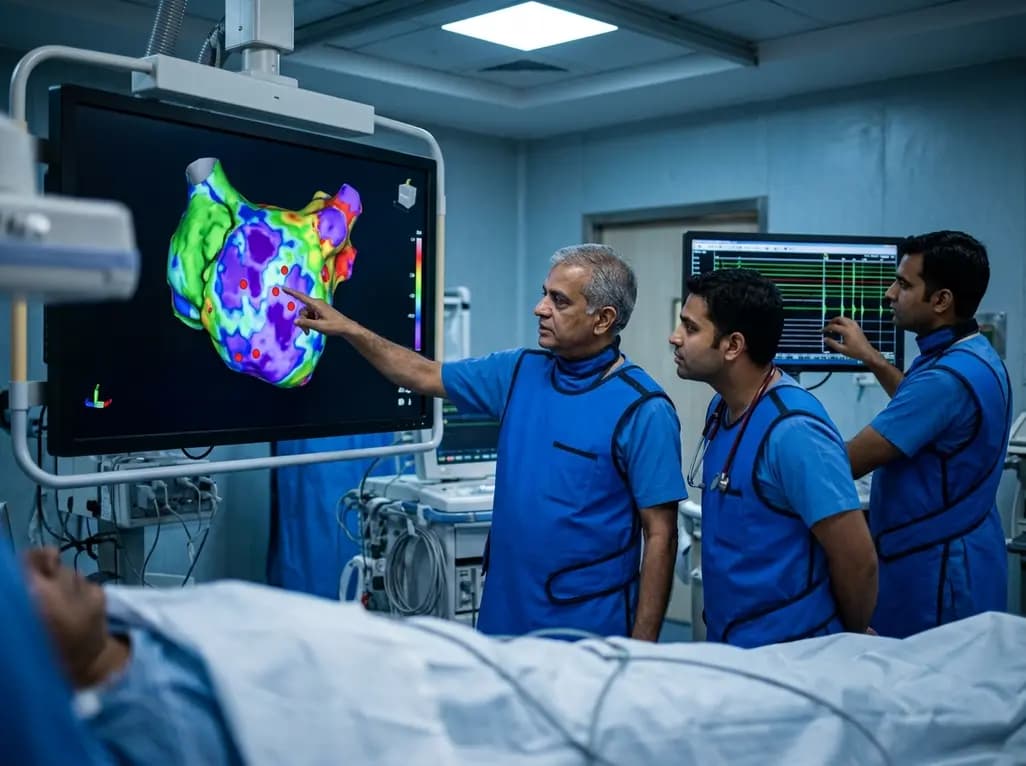
A study of 1,428 AF ablation patients reveals that over 60% of left atrial non-PV triggers arise within low-voltage areas, with anterior and roof triggers colocalizing entirely within fibrotic substrate. Identifying and ablating these sites is critical for long-term arrhythmia freedom.
Today
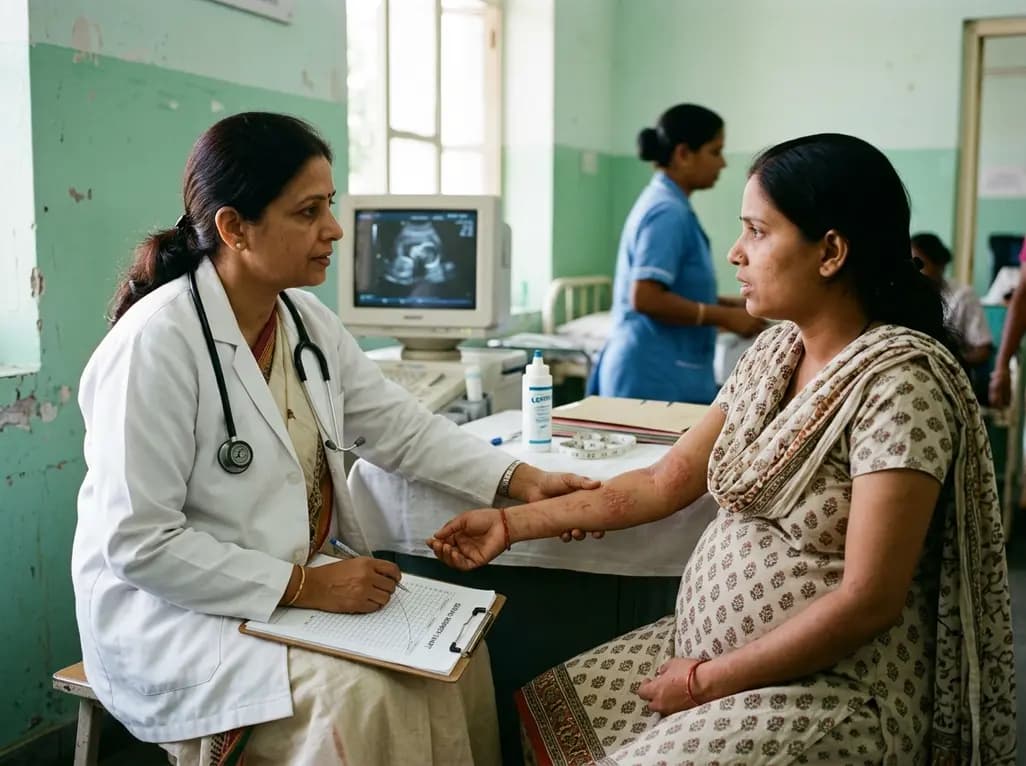
A comprehensive meta-analysis of over 278,000 women demonstrates that maternal atopic dermatitis significantly increases risks of premature rupture of membranes and low birth weight. Discover essential clinical insights on disease mechanisms, serial antenatal growth monitoring, and safe therapeutic interventions.
Today
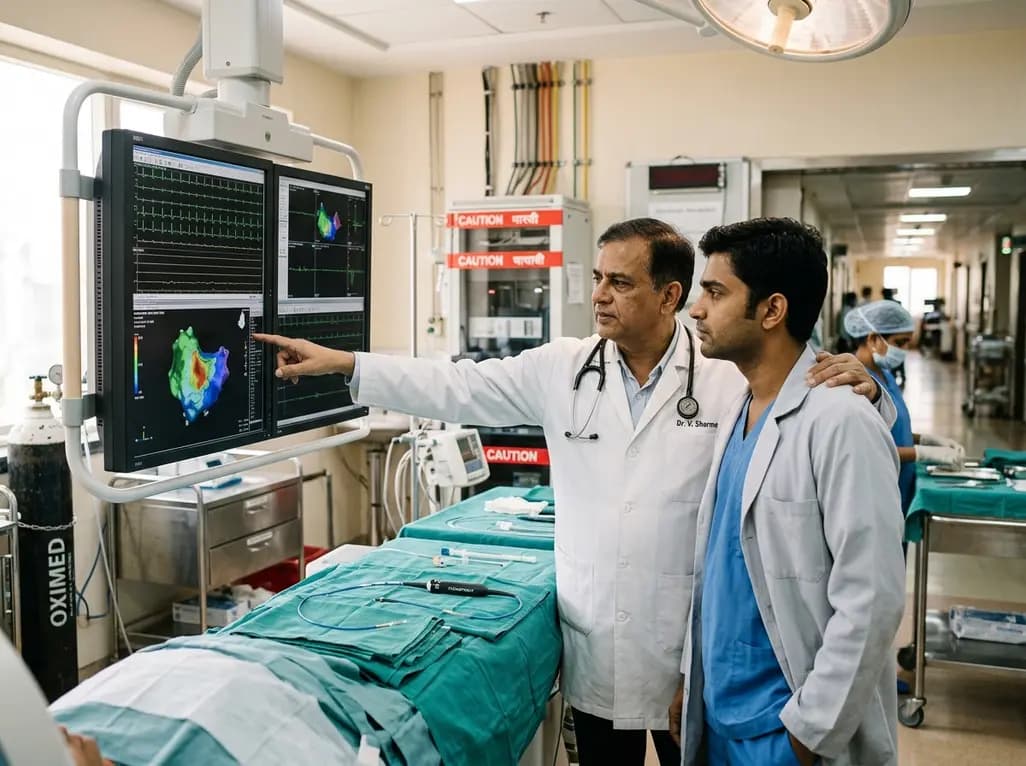
A pioneering study highlights the first United States experience using the FARAPOINT focal pulsed-field ablation catheter for refractory ventricular tachycardia. The catheter achieved complete acute non-inducibility across tested patients without procedural complications, marking a milestone in ventricular ablation.
Today
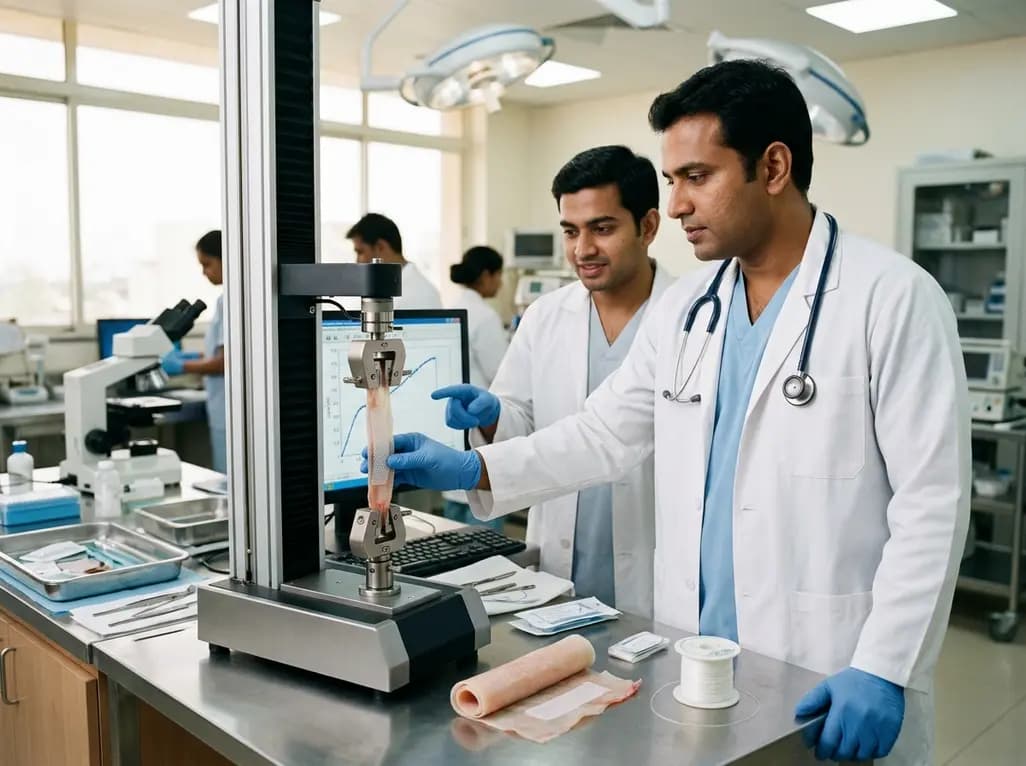
A biomechanical study shows that augmenting thin fascia lata grafts with a reinforced polyester patch doubles ultimate tensile strength and stiffness, matching the performance of thick grafts for superior capsule reconstruction while reducing donor-site morbidity.
Today
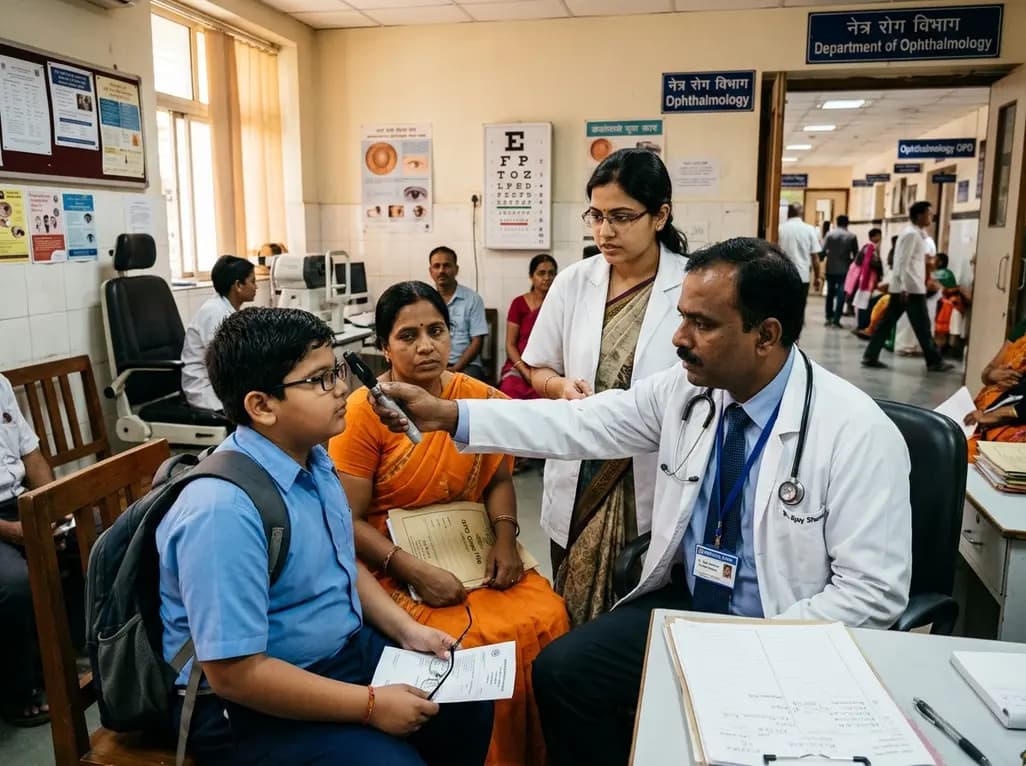
A cross-sectional study reveals that elevated METS-IR is independently associated with higher myopia odds in adolescents, showing biological synergy with obesity and highlighting the need for metabolic screening in pediatric eye care.
Today
