.webp&w=384&q=75)

Loading, please wait...
Loading, please wait...

Boston Scientific recently announced a significant TAVR system investment in MiRus LLC, a move that signals their aggressive return to the heart valve market. This $1.5 billion deal secures a 34% equity stake in the privately held startup. Furthermore, the agreement provides a clear path for a potential full acquisition of the heart-valve business. Consequently, this partnership highlights the growing importance of advanced transcatheter technologies in modern cardiology.
The primary driver behind this TAVR system investment is the development of the SIEGEL valve. Currently, the creators of this experimental device intend it for patients suffering from severe aortic stenosis. Notably, the SIEGEL valve aims to offer a balloon-expandable solution, a sector Boston Scientific exited previously. However, rising demand for minimally invasive cardiac procedures prompted this strategic pivot. In addition, the deal includes potential acquisition rights for mitral and tricuspid valve assets.
Boston Scientific previously exited the balloon-expandable market due to complex regulatory hurdles. Now, the company aims to meet those challenges through the innovative technology developed by MiRus. Specifically, the SIEGEL valve represents a next-generation approach to treating valvular narrowing. If MiRus achieves specific clinical milestones, Boston Scientific may pay an additional $3 billion for full ownership. This underscores their commitment to leading the cardiovascular device space globally. Moreover, the investment will likely influence the competitive landscape for TAVR systems in the coming years.
Q1: What is the purpose of the SIEGEL valve mentioned in the deal?
The SIEGEL valve is an experimental balloon-expandable device designed to treat patients with severe aortic stenosis. It is not currently approved for commercial sale in any country.
Q2: Why did Boston Scientific decide to re-enter the TAVR market?
Boston Scientific is re-entering this market to capture growth in the balloon-expandable segment, despite their previous exit due to high clinical and regulatory requirements.
Disclaimer: This content is for informational and educational purposes only. It does not constitute medical advice or replace professional judgment. Refer to the latest local and national guidelines for clinical practice.
References

Read summarized clinical updates, watch expert medical content, and earn CME certifications right from your smartphone.
Open your smartphone camera to scan and install.





Boston Scientific invests $1.5 billion in MiRus LLC to re-enter the TAVR market, focusing on the experimental SIEGEL valve for treating aortic stenosis....
5 months ago
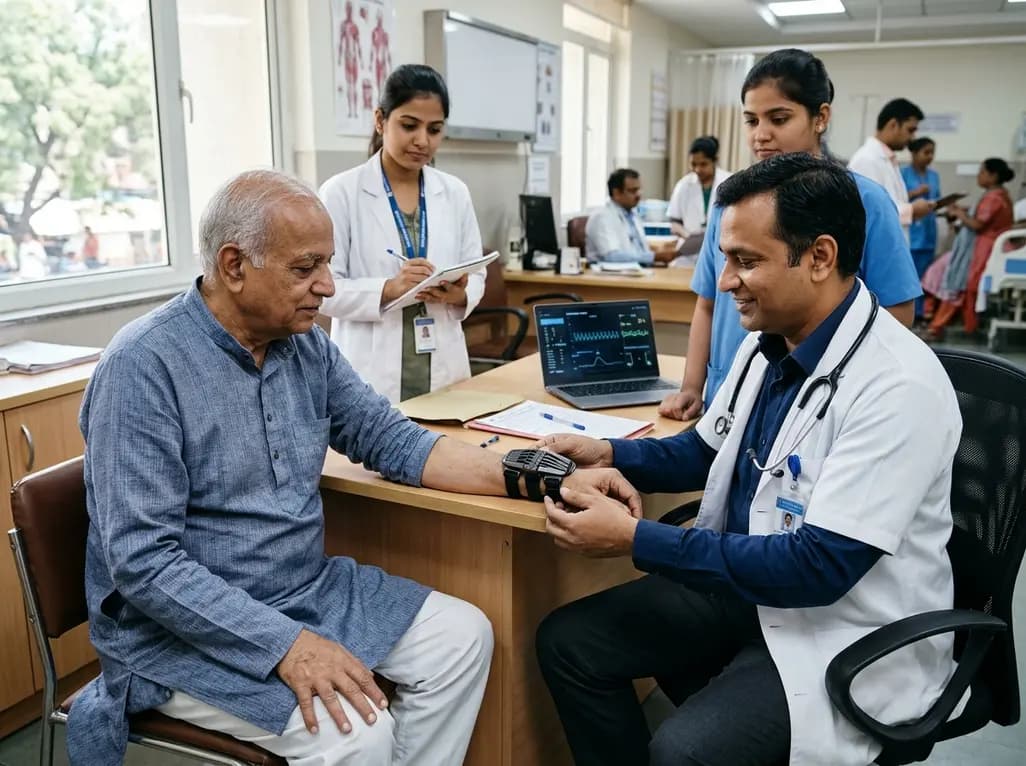
The TREM-AB open-label pilot study evaluated a wearable passive nonlinear vibration absorber for essential tremor. The Nonlinear Energy Sink bracelet reduced clinical Fahn-Tolosa-Marin tremor scores by 32.1% and electrophysiological tremor power by 49.2% with no adverse effects reported.
Today

A population-based study of 20,928 children reveals that small vulnerable newborns face sex-divergent mental capital outcomes at ages 6-7: term SGA girls show higher behavioral difficulties and lower resilience, while preterm non-SGA boys experience increased behavioral problems.
Today
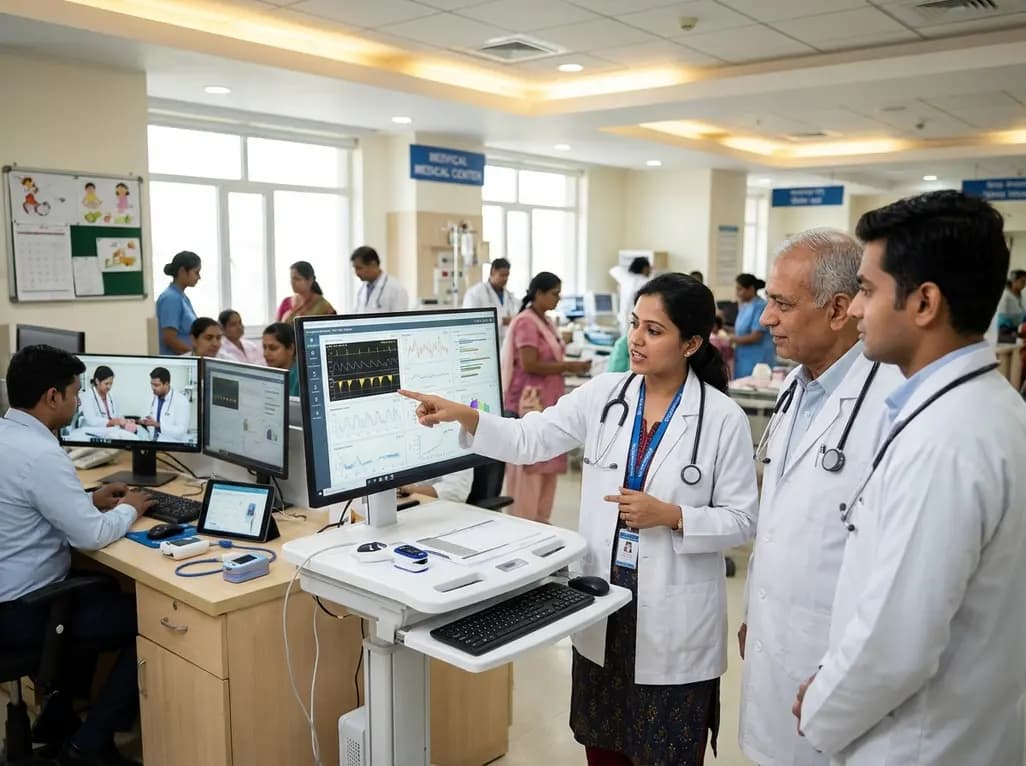
A landmark study details how an enterprise pediatric remote patient management model expanded from a single cardiology pilot to 16 diverse specialty programs by combining centralized digital operations with specialty clinical leadership.
Today
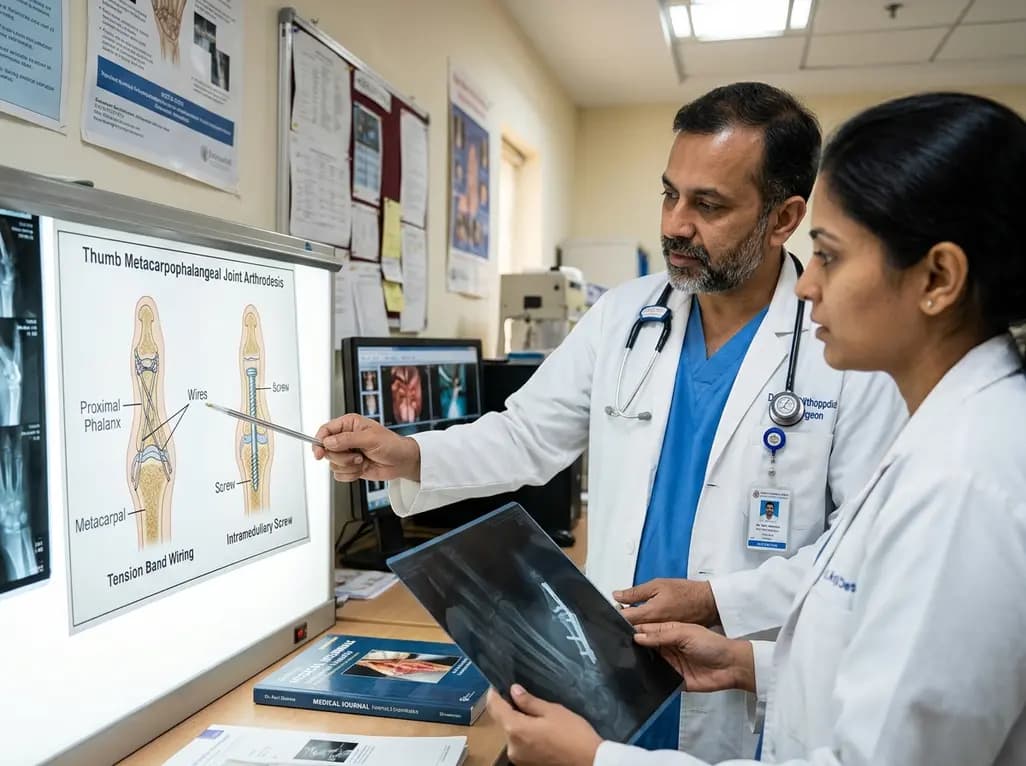
A comparative review of tension band wiring and intramedullary screw fixation in thumb metacarpophalangeal arthrodesis, evaluating union rates, hardware complications, and clinical outcomes.
Today
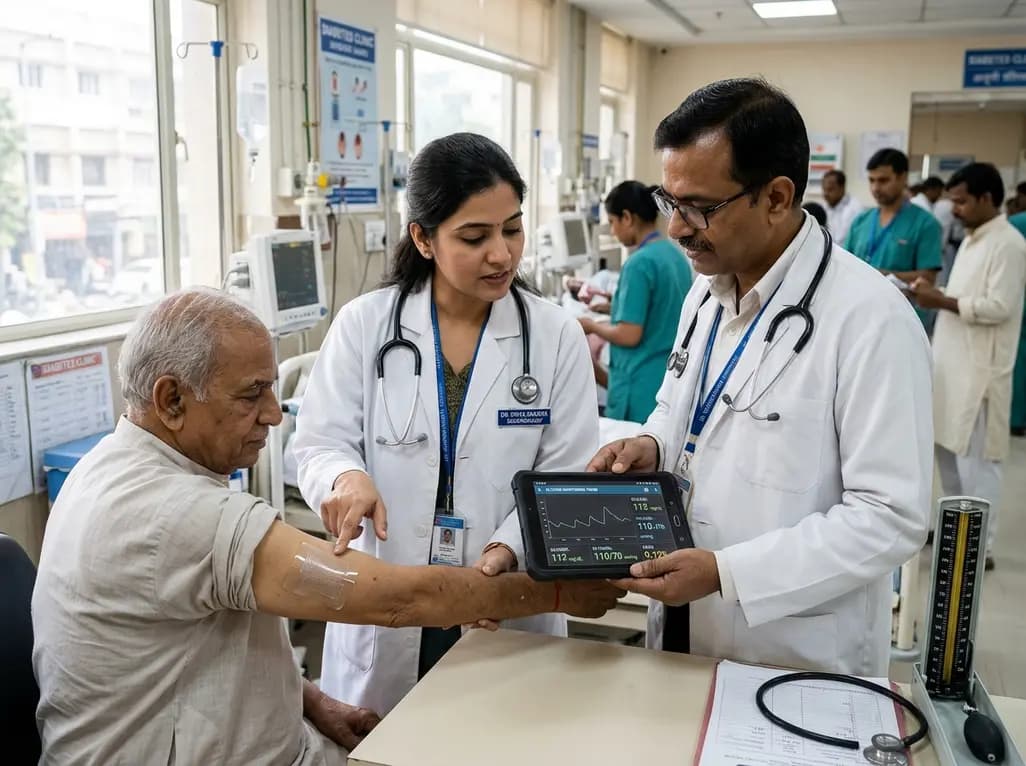
A breakthrough ultrathin multimodal sensor decouples physical hemodynamic monitoring from disposable electrochemical calibration, achieving long-term wearable glucose prediction with 81.36% accuracy and a 9.12% MARD. This offers a robust, drift-free solution for outpatient metabolic surveillance.
Today
