.webp&w=384&q=75)

Loading, please wait...
Loading, please wait...
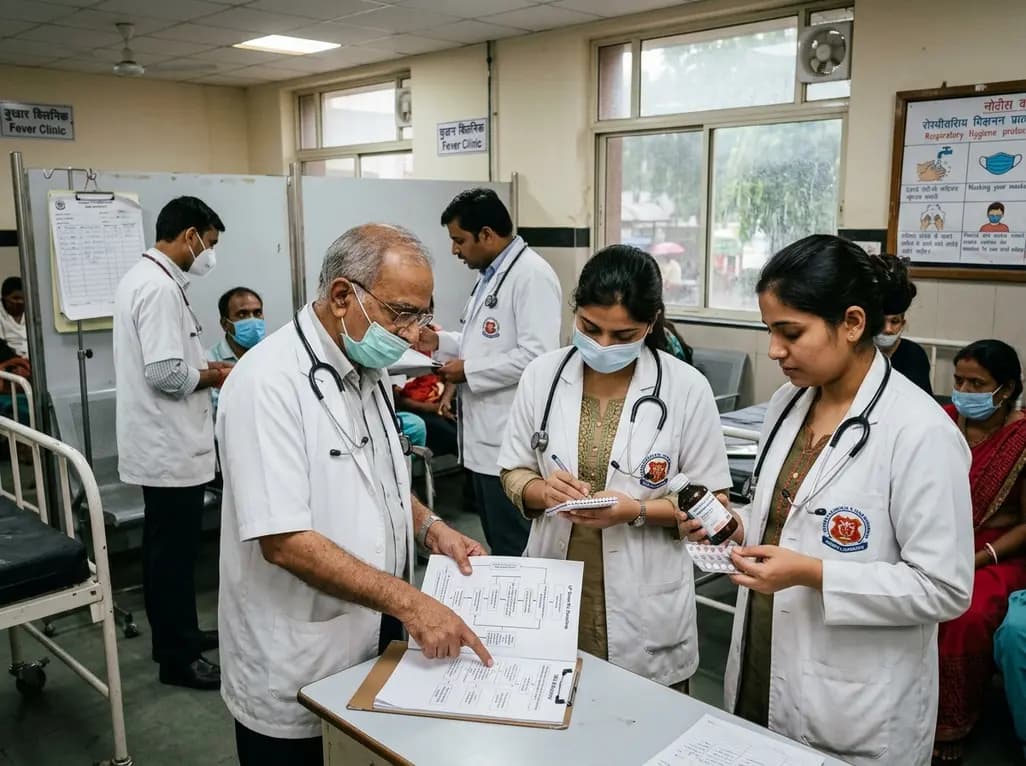
The seasonal rise of influenza A subtype H1N1 during the monsoon has prompted state authorities to intensify health surveillance across northern India. Recently, Uttar Pradesh Chief Minister Yogi Adityanath issued comprehensive directives instructing district administrations and public hospitals to ensure complete readiness. Concurrently, the Indian Medical Association published a nationwide public health advisory addressing the sharp uptick in respiratory infections. Clinicians must now strengthen swine flu clinical management across primary care clinics and hospital emergency wards. Early risk identification remains vital to prevent severe pulmonary complications in vulnerable patients. Therefore, healthcare providers must understand standardized triage algorithms, testing indications, and appropriate therapeutic pathways.
Monsoon weather patterns create favorable conditions for viral respiratory pathogens across various regions of India. Consequently, metropolitan hubs such as New Delhi have reported over 1,770 laboratory-confirmed H1N1 infections in recent weeks. Significant case clusters have also emerged in Maharashtra, Karnataka, and West Bengal during this transmission window. Surveillance data from the Indian Council of Medical Research confirms that the circulating strain represents standard seasonal influenza A. Importantly, genomic sequencing shows no novel genetic mutations or unusual antigenic shifts.
In response to these epidemiological developments, Uttar Pradesh state leadership directed all District Magistrates to maintain strict field surveillance. Additionally, Chief Minister Yogi Adityanath emphasized that public healthcare facilities must maintain adequate bed capacity and essential medications. State authorities have urged citizens to seek timely medical testing rather than ignoring acute respiratory symptoms. Furthermore, hospitals must establish dedicated fever triage areas to separate contagious individuals from other vulnerable outpatients. District health teams are actively tracking daily respiratory admissions to identify emerging clusters early. This proactive administrative coordination ensures that healthcare infrastructure can absorb potential seasonal surges without disruption. Clinicians must actively support these public health measures through diligent reporting and prompt clinical evaluation.
Frontline medical practitioners must implement the Ministry of Health and Family Welfare risk stratification framework during patient intake. This validated three-tier categorization system directs appropriate diagnostic testing and admission decisions efficiently. Specifically, Category A encompasses patients who present with mild low-grade fever, cough, sore throat, and body aches. These individuals do not require diagnostic influenza testing or antiviral medications. Instead, clinicians should advise home isolation, adequate oral hydration, and symptomatic antipyretic therapy with paracetamol.
Conversely, Category B includes patients who demonstrate mild symptoms alongside defined high-risk clinical conditions. This vulnerable cohort includes pregnant women, children under five years, adults aged 65 and older, and immunocompromised patients. Furthermore, individuals suffering from chronic pulmonary, cardiovascular, renal, or metabolic disorders belong to Category B. Clinicians must prescribe oral antiviral therapy immediately for this group without waiting for laboratory confirmation. However, routine laboratory testing remains unnecessary for stable Category B outpatients managed at home.
Finally, Category C comprises patients exhibiting alarming red-flag signs of respiratory decompensation or hemodynamic instability. These manifestations include breathlessness, chest pain, cyanosis, hemoptysis, altered mental status, and hypotension. Immediate hospitalization in an intensive care or high-dependency unit is mandatory for all Category C presentations.
Effective swine flu clinical management relies on the prompt administration of neuraminidase inhibitors in high-risk or deteriorating patients. Oseltamivir represents the primary first-line antiviral agent recommended by national and international health bodies. Specifically, clinicians should initiate oseltamivir within 48 hours of symptom onset to achieve maximum therapeutic benefit. Standard adult dosing requires 75 milligrams taken orally twice daily for five consecutive days. For pediatric patients, weight-adjusted dosing guidelines ensure precise therapeutic drug delivery without unnecessary toxicity.
Critically ill patients in Category C require urgent initiation of oseltamivir even if they present after 48 hours. In addition, severe viral pneumonia often triggers rapidly progressive acute respiratory distress syndrome. Therefore, intensive care physicians must deliver lung-protective mechanical ventilation with appropriate positive end-expiratory pressure. Furthermore, aggressive fluid management requires careful titration to avoid worsening pulmonary extravasation. Clinicians must also monitor oxygen saturation levels continuously using pulse oximetry. If patients demonstrate rapid clinical decline despite oral oseltamivir, clinicians may evaluate parenteral antiviral options or extend treatment duration. Timely antiviral administration drastically decreases intensive care unit length of stay and overall mortality rates.
The Indian Medical Association has strongly cautioned clinicians and the public against the indiscriminate use of antibacterial drugs. Because influenza A is an obligate viral pathogen, antibiotics provide zero therapeutic efficacy against uncomplicated viral replication. Unfortunately, many patients inappropriately consume broad-spectrum agents such as azithromycin, amoxicillin-clavulanate, or cefixime over the counter. Consequently, this rampant self-medication drives dangerous antimicrobial resistance and disrupts protective gut microbiota. Clinicians should reserve antibacterial agents strictly for patients with confirmed secondary bacterial superinfections, such as bacterial pneumonia.
Diagnostic confirmation relies on reverse transcription-polymerase chain reaction assays performed on nasopharyngeal or oropharyngeal swabs. Clinicians should collect respiratory specimens promptly in Category C patients and hospitalized individuals. In addition, real-time RT-PCR demonstrates exceptional sensitivity and specificity for differentiating influenza A subtypes, including H1N1 and H3N2. Rapid influenza diagnostic tests offer faster turnaround times but demonstrate significantly lower clinical sensitivity. Therefore, negative rapid test results should not preclude antiviral treatment in patients with high clinical suspicion. Routine blood counts, inflammatory markers, and chest radiography further assist in assessing disease severity and ruling out complications.
Limiting community transmission requires rigorous adherence to standard infection control protocols and personal respiratory hygiene. Accordingly, infected individuals should isolate at home until at least 24 hours after their fever resolves naturally. Furthermore, individuals must practice frequent hand hygiene using soap and water or alcohol-based hand rubs. Wearing well-fitted surgical or N95 masks in crowded, enclosed environments significantly curtails airborne droplet dissemination. Healthcare facilities must also maintain rigorous environmental disinfection protocols across outpatient waiting rooms and inpatient wards.
Annual seasonal influenza vaccination remains the cornerstone of primary prevention for vulnerable demographic groups. The quadrivalent influenza vaccine provides robust immunological protection against circulating seasonal influenza strains, including H1N1. Specifically, health authorities strongly recommend annual vaccination for healthcare professionals, pregnant individuals, elderly populations, and patients with chronic illnesses. Moreover, administering the vaccine before seasonal monsoon peaks provides optimal humoral immunity during high-transmission windows. In addition, healthcare workers should educate patients regarding healthy lifestyle measures that support immune resilience. Clear communication between physicians and communities prevents unneeded public panic while maintaining essential vigilance during seasonal respiratory outbreaks.
Q1: What are the primary red-flag symptoms that warrant emergency hospitalization in swine flu?
Patients with swine flu require immediate emergency medical attention if they develop severe breathlessness, persistent chest pain, hemoptysis, or bluish discoloration of the lips and fingertips. Additionally, confusion, extreme lethargy, inability to maintain oral hydration, and sudden worsening of high fever represent ominous clinical indicators. In children, chest retractions, rapid breathing, and poor feeding demand urgent hospitalization.
Q2: Why does the IMA strongly advise against taking antibiotics for swine flu?
The Indian Medical Association cautions against antibiotics because swine flu is caused entirely by the influenza A virus. Antibacterial medications do not neutralize viral pathogens or accelerate recovery from uncomplicated influenza. Indiscriminate use of antibiotics such as azithromycin or cefixime fuels dangerous antimicrobial resistance across communities and causes unnecessary adverse effects without offering clinical benefit.
Q3: Who should receive antiviral treatment like oseltamivir during a seasonal H1N1 surge?
Physicians must prescribe oseltamivir to all patients categorized under MoHFW Category B and Category C guidelines. This includes high-risk individuals such as pregnant women, elderly adults, young children, and immunocompromised patients presenting with fever and respiratory symptoms. Furthermore, hospitalized patients with severe lower respiratory tract involvement require prompt antiviral therapy within 48 hours of symptom onset.
Disclaimer: This content is for informational and educational purposes only. It does not constitute medical advice or replace professional judgment. Refer to the latest local and national guidelines for clinical practice.
References

Read summarized clinical updates, watch expert medical content, and earn CME certifications right from your smartphone.
Open your smartphone camera to scan and install.





Following rising H1N1 infections during the monsoon season, Uttar Pradesh health authorities and the IMA have issued urgent surveillance and triage directives. This review outlines clinical categorization, evidence-based antiviral protocols, and strict antimicrobial stewardship measures for frontline clinicians.
Today
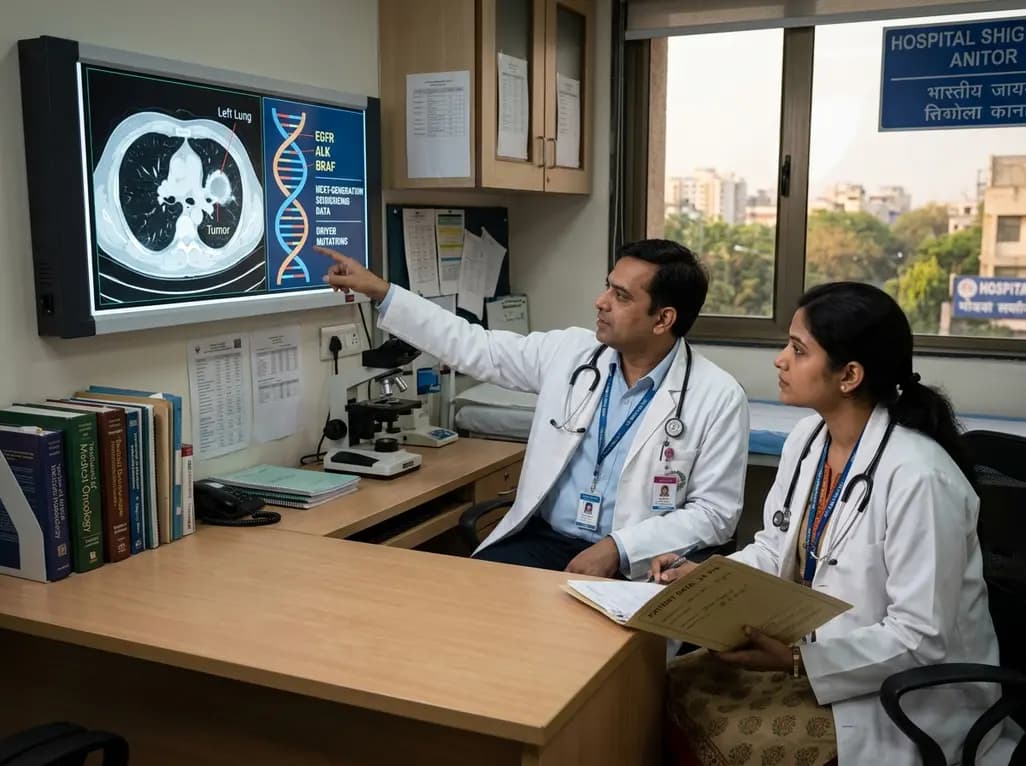
A global study of over 14,000 non-small cell lung cancer patients demonstrates that younger adults exhibit significantly higher rates of actionable oncogenic driver mutations compared to older cohorts, underscoring the necessity of comprehensive next-generation sequencing for timely, tailored oncology care.
Today

Private equity firm LeapFrog Investments plans to deploy up to $100 million across Indian healthcare over the next two years. The capital will target asset-light delivery models, non-metro hospital networks, diagnostics, and single-specialty clinical infrastructure.
Today
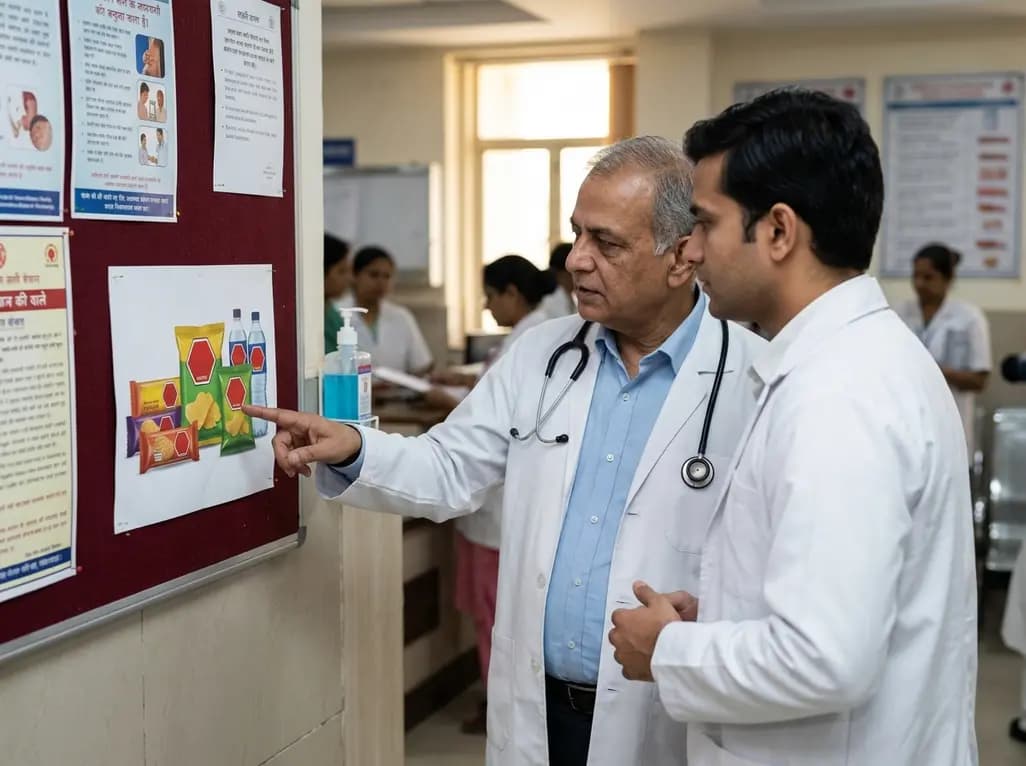
The Food Safety and Standards Authority of India has proposed front-of-pack warning labels with a red hexagonal graphic for packaged items high in sugar, fat, or salt. This critical public health initiative aims to combat non-communicable diseases and empower consumers across the country.
Today
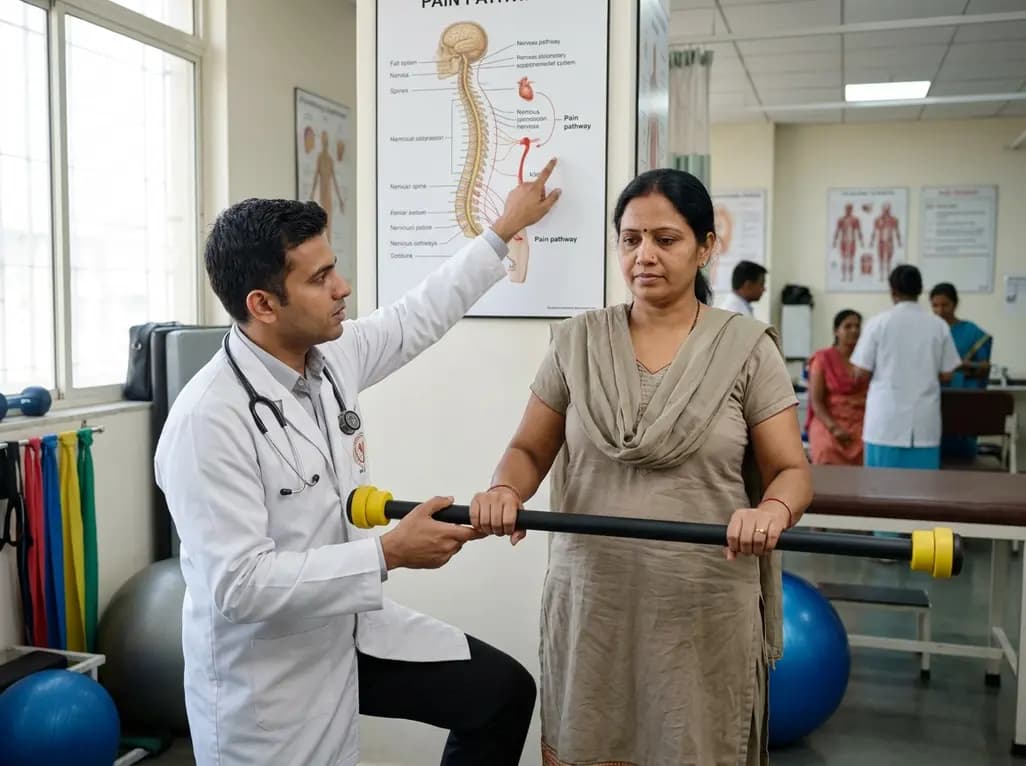
A randomized trial demonstrates that combining pain neuroscience education with Flexi-Bar stabilization significantly reduces pain intensity and functional disability while optimizing trunk muscle architecture in chronic non-specific low back pain.
Today

A clinical pharmacology review of how endogenous and exogenous androgens affect drug-metabolizing enzymes and membrane transport in individuals assigned female at birth, including PCOS and gender-affirming testosterone therapy.
Today
