.webp&w=384&q=75)

Loading, please wait...
Loading, please wait...
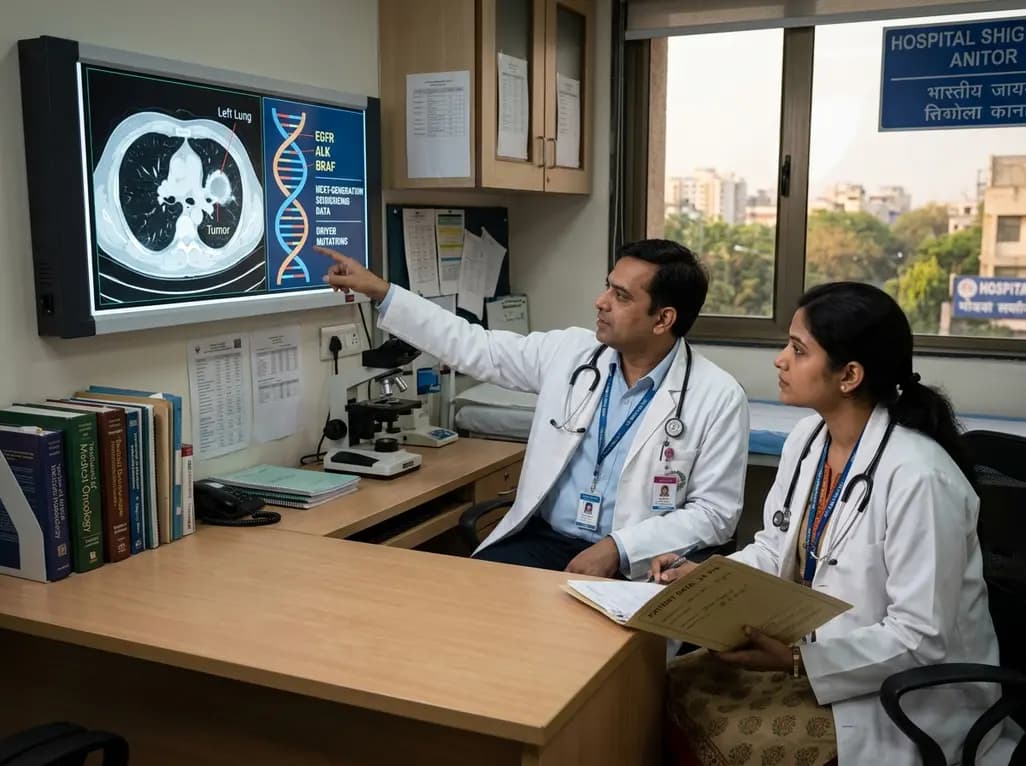
Precision oncology continues to transform pulmonary medicine, particularly regarding targeted therapies in lung cancer. Recent clinical data show that patient age strongly influences tumor molecular biology. Non-small cell lung cancer (NSCLC) presents unique clinical challenges across diverse age brackets. Historically, clinicians viewed lung cancer primarily as a geriatric malignancy driven by cumulative environmental exposures. However, emerging international data highlight a distinct oncogenic landscape in younger adults. Younger individuals demonstrate a substantially higher prevalence of targetable genomic alterations. Consequently, molecular diagnostic strategies must evolve to capture these actionable oncogenic drivers promptly.
A landmark international investigation analyzing genomic and immune data from 14,246 NSCLC patients revealed striking age-related variations. Specifically, nearly 58% of younger patients harbored guideline-recommended actionable alterations. In contrast, approximately 45% of patients aged 55 and older presented with comparable targetable alterations. This disparity underscores the vital role of broad molecular profiling across all age cohorts. Targeted therapies in lung cancer offer superior progression-free survival and favorable toxicity profiles compared to traditional cytotoxic chemotherapy.
Furthermore, identifying alterations early allows clinicians to deploy targeted tyrosine kinase inhibitors during first-line therapy. Actionable alterations serve as biological switches driving unregulated cellular proliferation. Therefore, targeted agents precisely inhibit these abnormal signaling pathways to suppress tumor viability. Comprehensive next-generation sequencing detects these critical aberrations simultaneously rather than relying on sequential single-gene testing. Consequently, early genomic profiling prevents unnecessary delays in initiating matched targeted regimens for younger individuals.
The molecular spectrum differs remarkably when comparing young-onset lung neoplasms with older patient cohorts. Younger patients exhibit a marked enrichment for oncogenic fusion genes and sensitizing mutations. Specifically, alterations in ALK, ROS1, and EGFR occur far more frequently in younger adults. These specific pathways possess well-established targeted therapeutic options with proven central nervous system activity. Therefore, clinicians can achieve profound and durable therapeutic responses in these younger patient cohorts.
Conversely, older patients demonstrate a higher frequency of KRAS alterations and elevated tumor mutational burden. Historically, KRAS mutations proved challenging to target directly, although novel allele-specific inhibitors continue to expand options. Moreover, smoking-related mutational signatures predominate among older demographics, driving broader genomic heterogeneity. Researchers emphasize that these distinctions represent a continuous biologic shift across the human lifespan rather than an arbitrary binary division. Thus, clinicians must evaluate the comprehensive genomic architecture within the appropriate biologic context.
Tumor immunogenicity also demonstrates distinct divergence across different age brackets in non-small cell lung cancer. Older patients frequently exhibit higher tumor mutational burden alongside distinct immune microenvironment markers. In contrast, tumors driven by classic oncogenic drivers such as EGFR or ALK generally show lower mutational burdens. Consequently, driver-positive neoplasms exhibit diminished objective response rates to single-agent immune checkpoint inhibition.
Furthermore, the study identified age-related differences in emerging immune checkpoint markers, including LAG3 and TIGIT. These biomarkers represent promising therapeutic targets for future investigational combinatorial immunotherapy regimens. Recognizing these immunological signatures prevents the inappropriate application of first-line immunotherapy when targeted tyrosine kinase inhibitors offer superior efficacy. Therefore, integrating genomic profiling with immune biomarker assessment ensures balanced, biologically informed therapeutic sequencing across diverse age groups.
These findings reinforce the necessity of comprehensive genomic profiling for every adult diagnosed with advanced non-small cell lung cancer. In routine clinical workflows, clinicians sometimes omit extensive molecular testing due to resource limitations or rapid symptom progression. However, missing an actionable target deprives patients of durable targeted therapies. Reflex next-generation sequencing must therefore become the gold standard diagnostic pathway for newly diagnosed patients.
Additionally, liquid biopsy modalities provide a rapid alternative when tissue biopsy material is insufficient or inaccessible. Cell-free circulating tumor DNA assays can swiftly identify canonical EGFR, ALK, and ROS1 variants. Multiplex panels ensure that rare but treatable alterations, such as RET fusions or MET exon 14 skipping mutations, do not go undetected. Ultimately, structured diagnostic algorithms guarantee equitable access to personalized treatment strategies regardless of patient age or initial institutional setting.
Current lung cancer screening guidelines rely heavily on advanced age and extensive tobacco smoking history. Consequently, younger adults fall entirely outside conventional low-dose computed tomography screening criteria. As a result, younger patients frequently present with advanced, metastatic disease following substantial diagnostic delays. Primary care physicians may initially misattribute respiratory complaints in young non-smokers to benign conditions such as asthma or bronchitis.
Therefore, clinical education must emphasize the rising incidence of non-small cell lung cancer in non-traditional demographics. Maintaining clinical vigilance when young non-smokers exhibit persistent cough, hemoptysis, or unresolved pulmonary infiltrates is imperative. Furthermore, ongoing research aims to identify novel risk factors and circulating biomarkers to facilitate earlier diagnosis in non-screened populations. Expanding our understanding of tumor biology helps refine risk stratification models and enhances long-term therapeutic outcomes.
Q1: Why do younger NSCLC patients have higher rates of targetable genomic mutations?
Younger non-small cell lung cancer patients frequently develop disease through distinct oncogenic driver mechanisms rather than cumulative environmental carcinogen exposure. Consequently, their tumors are heavily enriched with canonical driver alterations like ALK, ROS1, and EGFR. These specific genomic drivers promote rapid cellular oncogenesis, allowing neoplasms to develop in earlier stages of life.
Q2: Which targeted therapies are most commonly utilized in young-onset NSCLC?
Patients harboring classical driver mutations receive specific small-molecule tyrosine kinase inhibitors. For EGFR-mutated tumors, third-generation EGFR inhibitors serve as standard first-line therapies. Similarly, patients with ALK or ROS1 rearrangements receive potent next-generation ALK and ROS1 inhibitors. These oral therapies offer high intracranial penetration and durable disease control.
Q3: Should molecular profiling be conducted differently based on patient age?
All adult patients diagnosed with advanced non-small cell lung cancer should undergo comprehensive next-generation sequencing regardless of age. While younger patients exhibit higher frequencies of actionable driver alterations, older patients still harbor actionable mutations and distinct biomarker profiles. Broad multigene testing ensures every patient receives appropriate, biologically tailored treatment.
Disclaimer: This content is for informational and educational purposes only. It does not constitute medical advice or replace professional judgment. Refer to the latest local and national guidelines for clinical practice.
References

Read summarized clinical updates, watch expert medical content, and earn CME certifications right from your smartphone.
Open your smartphone camera to scan and install.





A global study of over 14,000 non-small cell lung cancer patients demonstrates that younger adults exhibit significantly higher rates of actionable oncogenic driver mutations compared to older cohorts, underscoring the necessity of comprehensive next-generation sequencing for timely, tailored oncology care.
4 weeks back

With post-monsoon dengue surges threatening South Asian health systems, physicians must refine triage and management. This guide covers vital warning signs, plasma leakage detection, crystalloid titration, and vector containment strategies to prevent mortality during seasonal arboviral epidemics.
Today

Findings from Project Viva indicate that sustained postpartum weight retention, rather than excessive gestational weight gain alone, directly worsens women's mid-life cardiovascular health, degrading blood pressure and glycemic parameters decades after delivery.
Today
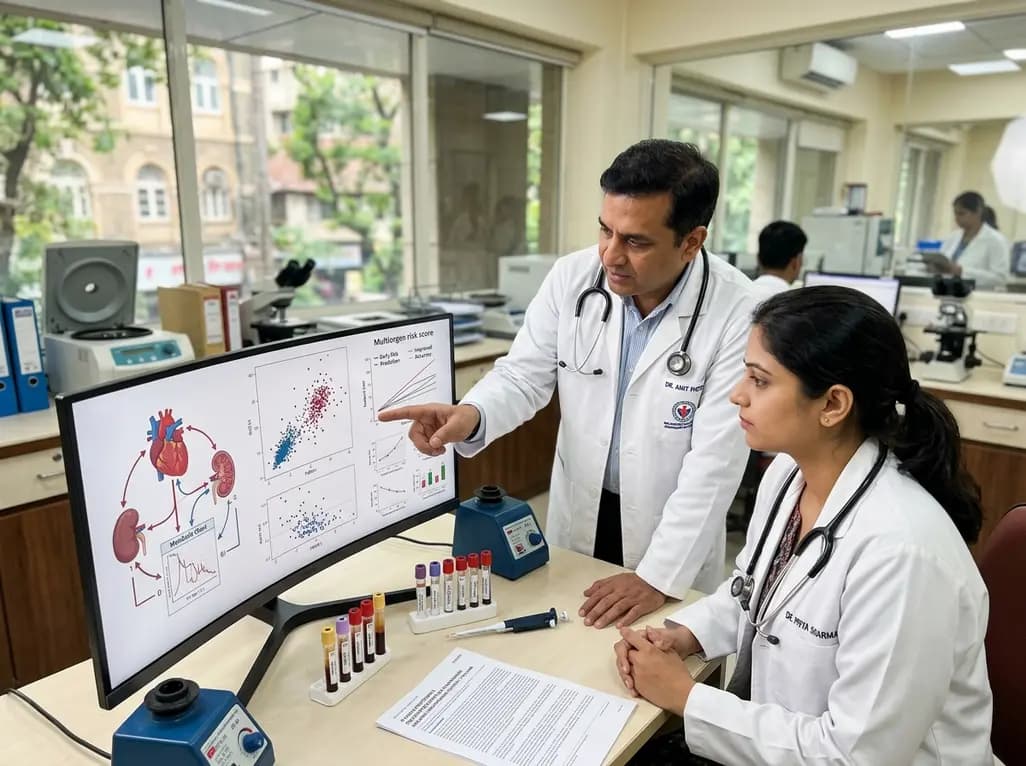
A large UK Biobank study reveals that plasma proteomic signatures capture preclinical organ damage and improve multiorgan risk prediction across early CKM syndrome stages 0 to 2 beyond traditional PREVENT clinical models.
Today

A retrospective CBCT study reveals that superior TMJ space asymmetry correlates moderately with occipital condyle-atlas-axis asymmetry in unilateral TMJ osteoarthritis, highlighting an imaging correlate between jaw biomechanics and upper cervical alignment rather than a standalone diagnostic marker.
Today

A Bayesian multilevel meta-analysis reveals that aerobic training combined with moderate carbohydrate restriction modestly lowers HbA1c in type 2 diabetes. However, sparse data and very low certainty leave incremental benefits over exercise or diet alone unproven, highlighting the need for individualized care.
Today
