.webp&w=384&q=75)

Loading, please wait...
Loading, please wait...
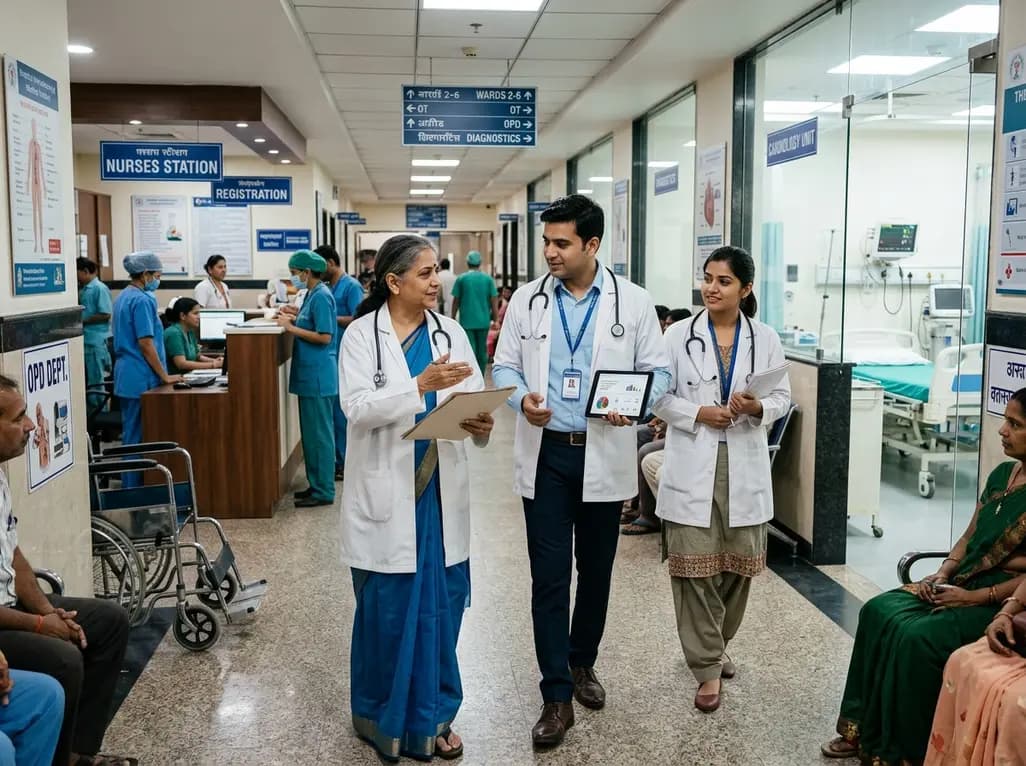
The Indian medical landscape is witnessing unprecedented financial and infrastructural momentum. Global private equity firm LeapFrog Investments has announced plans to deploy between $80 million and $100 million into strategic India healthcare investments over the next two years. This capital commitment highlights the expanding demand for high-quality medical services across the country. Consequently, healthcare spending is accelerating rapidly due to rising disposable incomes, broadening health insurance penetration, and a heightened public focus on preventive care. In addition, healthcare leaders and clinical providers are preparing for massive structural improvements. This capital influx will strengthen healthcare delivery networks, enhance diagnostic accuracy, and expand specialized medical services across underserved regions.
Private equity investments in the medical sector have accelerated substantially over the last three years. Specifically, data from Grant Thornton Bharat and the Association of Healthcare Providers India indicates that the Indian healthcare and pharmaceutical domain witnessed 594 mergers, acquisitions, and private equity deals valued at over $30 billion between 2022 and 2024. LeapFrog Investments is deploying funds from its $808 million flagship fund alongside co-investment vehicles, creating a total deployment pool exceeding $1 billion across Asia and Africa.
Furthermore, India represents the centerpiece of this international growth strategy. Although the firm has actively deployed resources in Vietnam and the Philippines, Indian healthcare delivery offers unmatched scalability. Investors recognize that the domestic healthcare market, valued at approximately $180 billion in 2023, is on track to touch $320 billion by 2028. Therefore, private capital groups are aggressively seeking sustainable partnerships with hospital groups, diagnostic networks, and digital healthcare platforms. This ongoing capitalization provides essential liquidity for modern medical equipment and advanced facilities.
A central pillar of the new investment strategy involves backing asset-light, single-specialty clinical providers. Healthcare delivery models are evolving beyond traditional multi-specialty tertiary institutions toward targeted clinical centers. Accordingly, LeapFrog is actively evaluating specialized healthcare providers focused on maternal and child health, ophthalmology, and oncology. These single-specialty frameworks often deliver superior clinical outcomes through focused expertise and standardized treatment protocols.
Moreover, institutional investors are increasingly looking beyond Tier-1 metropolitan hubs. Patients residing in Tier-2 and Tier-3 cities frequently encounter barriers when accessing advanced clinical care. Consequently, expanding hospital networks and day-care surgical units into non-metro regions bridges critical healthcare delivery gaps. Single-specialty clinics in oncology and ophthalmology can operate efficiently with optimized capital expenditure while maintaining rigorous clinical quality standards. Thus, expanding these operational footprints provides local populations with accessible, timely, and world-class medical interventions without requiring strenuous travel to major cities.
India faces an escalating burden of non-communicable diseases, including cardiovascular ailments, type 2 diabetes, respiratory illnesses, and various cancers. Consequently, the rising prevalence of chronic conditions requires prolonged medical oversight, routine clinical screenings, and sustained therapeutic interventions. As a result, healthcare systems must scale up their outpatient and inpatient management capacities to meet patient needs effectively.
Simultaneously, insurance coverage is expanding rapidly across urban and semi-urban demographics. Government initiatives like Ayushman Bharat, alongside private employer-sponsored group health insurance plans, have substantially lowered out-of-pocket barriers. Patients can now seek timely diagnostic testing and early medical intervention rather than postponing critical care. Therefore, families possessing higher disposable income actively seek quality healthcare facilities that offer comprehensive, transparent, and technology-driven medical treatments. This convergence of growing financial coverage and acute epidemiological demand creates a stable environment for long-term healthcare investment.
Early and accurate diagnosis forms the foundation of effective clinical management. LeapFrog has already invested in prominent domestic healthcare entities, such as diagnostics provider Redcliffe Labs and digital health platform Healthify. Furthermore, the firm is exploring deeper avenues within pharmaceuticals and medical equipment manufacturing. The diagnostic sector in Tier-2 and Tier-3 cities remains largely unorganized, creating vast opportunities for accredited laboratory chains.
In addition, integrating digital health technologies with physical clinics enhances overall patient adherence and disease management. Modern platforms utilize artificial intelligence to facilitate remote patient monitoring, streamlined clinical workflows, and personalized lifestyle interventions. Meanwhile, advanced diagnostic chains bring pathology and radiology services closer to patients' doorsteps. Consequently, practicing clinicians gain access to standardized, high-precision laboratory results that empower timely therapeutic decisions. As private capital supports digital infrastructure, healthcare delivery becomes increasingly data-driven and patient-centric.
The Indian healthcare landscape is experiencing a massive wave of consolidation driven by global institutional capital. For instance, global investment firm KKR recently acquired Medicover Hospital's India operations for 1.2 billion euros, approximately $1.4 billion. Such landmark transactions illustrate strong international investor confidence in Indian clinical infrastructure. Furthermore, hospital operators are leveraging private equity backing to upgrade clinical technology, adopt robotic surgical systems, and enhance patient safety protocols.
However, rapid consolidation also introduces operational and strategic challenges. Hospital networks must balance commercial profitability with ethical, affordable, and equitable clinical care. Private equity funds typically maintain a five-to-seven-year holding period, seeking substantial returns through operational optimization and network expansion before pursuing public market listings. As medical groups scale up, standardization of clinical pathways and hospital accreditations becomes paramount. Ultimately, healthy consolidation fosters financial resilience and operational efficiency across the healthcare value chain.
For medical professionals and clinical leaders, this surge in healthcare funding unlocks profound professional and clinical opportunities. Expanded capital investment in non-metro hospitals generates modern employment pathways for specialized doctors, surgeons, nurses, and allied health staff. Consequently, clinicians can practice in state-of-the-art facilities equipped with advanced surgical tools and comprehensive diagnostic capabilities outside metropolitan capitals.
Additionally, private equity backing promotes stronger governance, interdisciplinary research, and structured continuing medical education programs. Healthcare providers can collaborate with multidisciplinary clinical teams to implement evidence-based practice guidelines. Moreover, doctors working in asset-light, single-specialty centers can focus intensely on specialized patient care while professional management teams handle administrative and operational complexities. Thus, this transformative investment cycle strengthens the broader medical ecosystem, ensuring clinicians have the tools and institutional backing necessary to deliver superior patient care across India.
Q1: Why are private equity investors targeting single-specialty healthcare models in India?
Investors favor single-specialty healthcare models because they require lower capital expenditure while offering streamlined operational workflows. These specialized centers, particularly in oncology, ophthalmology, and maternal care, maintain standardized clinical pathways and high efficiency. Consequently, they achieve robust financial sustainability while delivering focused, high-quality patient outcomes. Moreover, this asset-light framework enables rapid scalability across both metropolitan centers and underserved non-metropolitan locations.
Q2: How does expanding health insurance penetration affect medical investments in non-metro cities?
Expanding health insurance coverage significantly reduces out-of-pocket medical expenditure for patients in Tier-2 and Tier-3 cities. As a result, families gain the financial security needed to access formal, organized healthcare facilities without delay. This rising purchasing power creates predictable demand for inpatient and outpatient care. Consequently, healthcare chains and private investors are actively building modern, high-quality clinical infrastructure closer to regional populations.
Q3: What role do diagnostic platforms play in LeapFrog's healthcare investment strategy?
Diagnostic platforms play a pivotal role because early disease detection is fundamental to managing India's growing chronic illness burden. LeapFrog's investments in diagnostic providers, such as Redcliffe Labs, help decentralize advanced pathology and imaging services. Consequently, standardized laboratory testing becomes widely accessible across smaller cities. This expanded infrastructure empowers clinicians to make rapid, accurate, and data-informed treatment decisions for their patients.
Disclaimer: This content is for informational and educational purposes only. It does not constitute medical advice or replace professional judgment. Refer to the latest local and national guidelines for clinical practice.
References

Read summarized clinical updates, watch expert medical content, and earn CME certifications right from your smartphone.
Open your smartphone camera to scan and install.





Private equity firm LeapFrog Investments plans to deploy up to $100 million across Indian healthcare over the next two years. The capital will target asset-light delivery models, non-metro hospital networks, diagnostics, and single-specialty clinical infrastructure.
Today
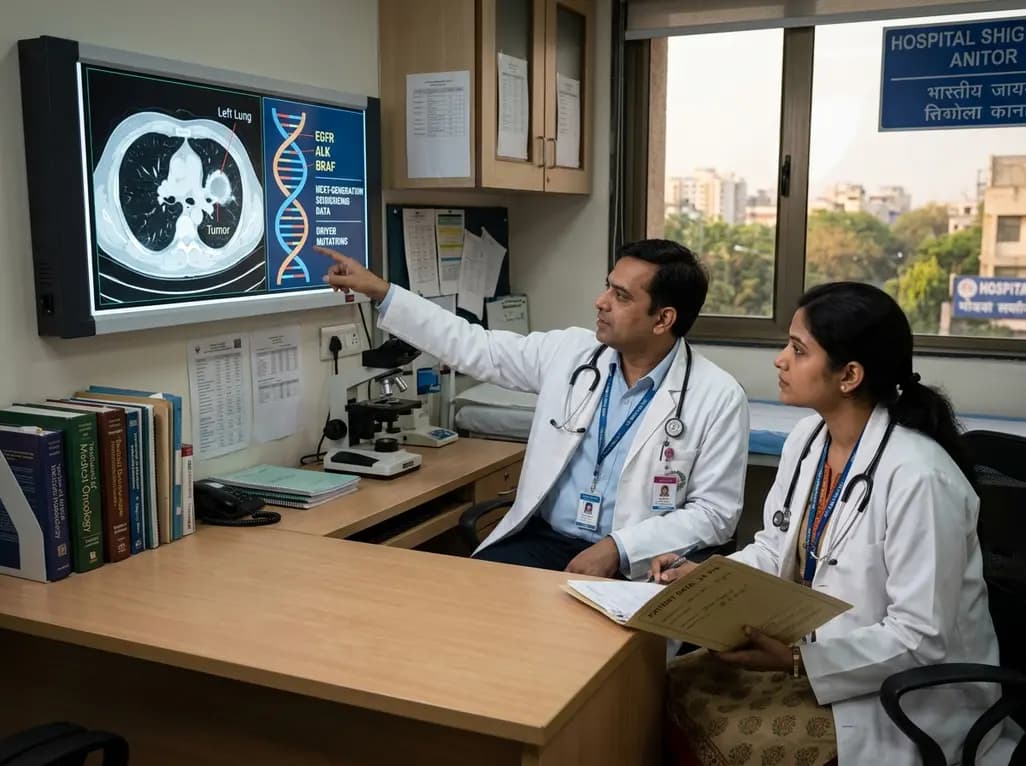
A global study of over 14,000 non-small cell lung cancer patients demonstrates that younger adults exhibit significantly higher rates of actionable oncogenic driver mutations compared to older cohorts, underscoring the necessity of comprehensive next-generation sequencing for timely, tailored oncology care.
Today
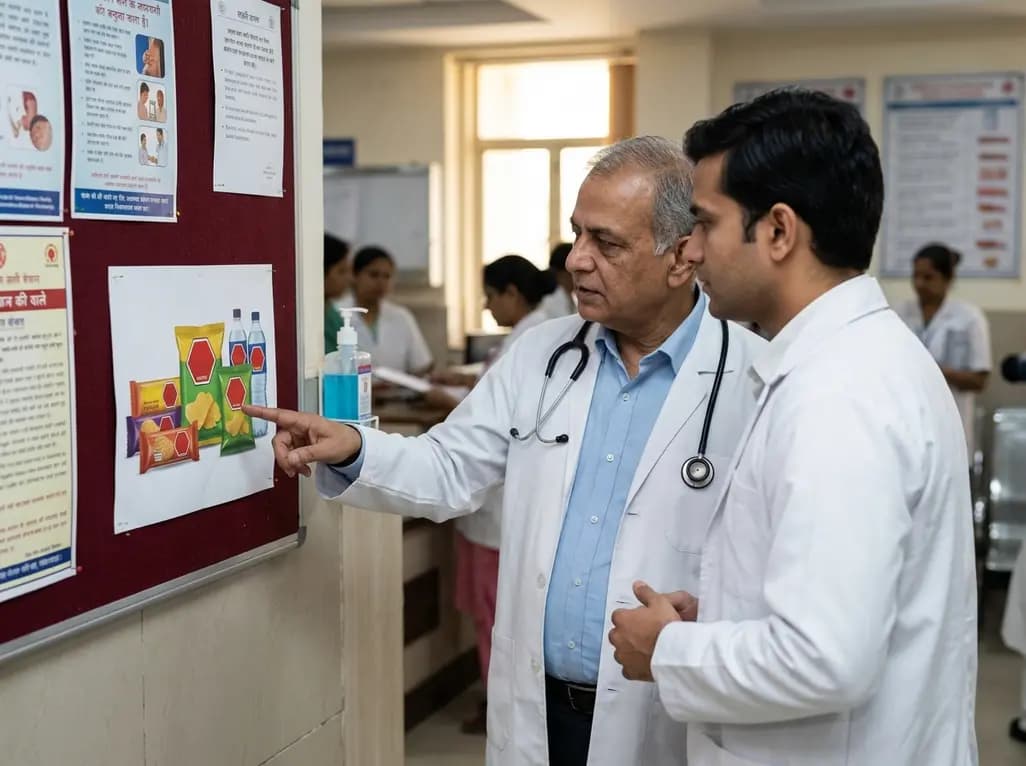
The Food Safety and Standards Authority of India has proposed front-of-pack warning labels with a red hexagonal graphic for packaged items high in sugar, fat, or salt. This critical public health initiative aims to combat non-communicable diseases and empower consumers across the country.
Today
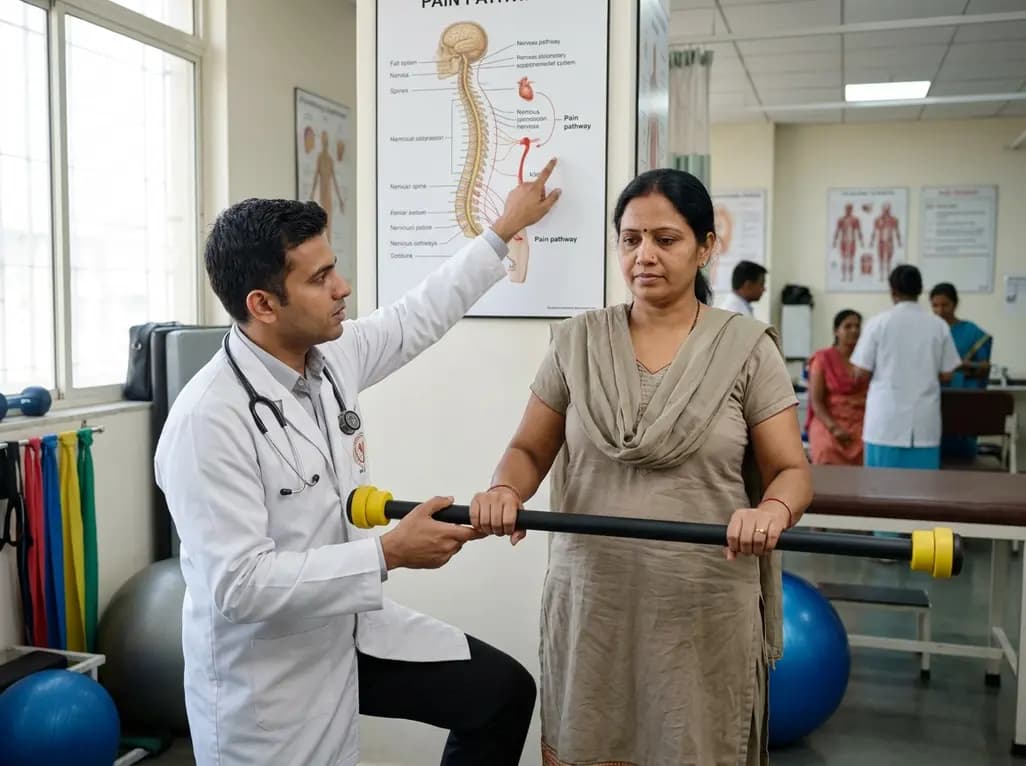
A randomized trial demonstrates that combining pain neuroscience education with Flexi-Bar stabilization significantly reduces pain intensity and functional disability while optimizing trunk muscle architecture in chronic non-specific low back pain.
Today

A clinical pharmacology review of how endogenous and exogenous androgens affect drug-metabolizing enzymes and membrane transport in individuals assigned female at birth, including PCOS and gender-affirming testosterone therapy.
Today
