.webp&w=384&q=75)

Loading, please wait...
Loading, please wait...

Clinical pharmacology increasingly emphasizes individual variability in pharmacokinetics, yet the specific effects of androgens on drug metabolism and transport remain critically underappreciated. Endogenous hormonal shifts and exogenous hormone therapies alter physiological processes throughout the human lifespan. In people assigned female at birth, fluctuating androgen levels significantly influence enzymatic clearance and membrane transporter activity. Understanding how androgens influence drug disposition is therefore vital for optimizing therapeutic regimens, preventing adverse toxicities, and ensuring patient safety across diverse clinical cohorts.
Androgen receptors reside throughout metabolically active tissues, particularly within hepatocytes, renal tubular epithelium, and enterocytes. Consequently, circulating testosterone binds these nuclear receptors to modulate the transcriptional regulation of critical biotransformation machinery. When testosterone activates androgen receptor signaling, it directly alters the transcription of genes encoding phase I oxidases, phase II transferases, and drug transporter proteins. In addition, sex hormones influence physiological plasma protein binding. Exogenous androgens predictably decrease circulating concentrations of sex hormone-binding globulin and slightly reduce serum albumin levels. Therefore, free, unbound drug fractions can rise acutely, which alters the apparent volume of distribution and clearance rates for highly protein-bound medications. Clinicians must recognize that these endocrine-mediated shifts change the fundamental pharmacokinetic properties of narrow therapeutic index therapies. Furthermore, hormonal transitions across life stages—such as adrenarche, pregnancy, or postmenopausal states—induce dynamic fluctuations in androgen concentrations. These fluctuating endocrine profiles introduce clinically relevant pharmacokinetic variability that clinicians often overlook during routine therapy.
The hepatic cytochrome P450 superfamily facilitates the primary oxidative clearance of most oral pharmaceuticals. Notably, CYP3A4, CYP2C9, CYP2C19, and CYP1A2 show marked susceptibility to endocrine regulation. Clinical pharmacology studies demonstrate that cisgender women typically display higher baseline CYP3A4 activity than cisgender men. However, elevated systemic androgen exposure can suppress or selectively modify CYP3A transcription and enzymatic efficiency over time. Furthermore, testosterone administration influences CYP1A2 activity, which alters the metabolic breakdown of common psychiatric, respiratory, and neurological agents. Consequently, when androgen concentrations rise, standard drug dosages may fail to achieve expected therapeutic concentrations, or alternatively, active metabolites may accumulate unexpectedly. Hepatic clearance pathways thus undergo persistent recalibration under changing androgenic tones. In addition, concomitant administration of enzyme-inducing or enzyme-inhibiting drugs creates complex drug-hormone interactions. Healthcare providers must evaluate whether an altered therapeutic response stems from poor medication adherence or testosterone-mediated enzyme modulation.
Beyond phase I oxidation, androgens significantly alter phase II conjugation pathways and cellular transport mechanisms. Specifically, UDP-glucuronosyltransferases facilitate crucial glucuronidation reactions that clear many analgesics, anticonvulsants, and psychoactive compounds. Experimental and in vivo studies indicate that testosterone can upregulate specific UDP-glucuronosyltransferase isoforms, including UGT1A1 and UGT2B7. As a result, patients with elevated androgen exposure may experience accelerated glucuronidation and reduced drug half-lives. Concurrently, ATP-binding cassette and solute carrier membrane transporters dictate oral drug bioavailability and organ distribution. P-glycoprotein, encoded by the ABCB1 gene, functions as an active efflux pump in the intestine, liver, and blood-brain barrier. Androgens directly modulate P-glycoprotein expression, thereby modifying the systemic absorption of critical cardiac glycosides, immunosuppressants, and antiretrovirals. Similarly, organic anion transporting polypeptides and breast cancer resistance protein respond to androgen signaling. Therefore, alterations in drug transport kinetics can substantially modify intracellular drug concentrations without immediately obvious changes in standard plasma levels.
Polycystic ovary syndrome represents one of the most common endocrine disorders in individuals assigned female at birth, characterized by hyperandrogenism and metabolic dysfunction. Patients with polycystic ovary syndrome exhibit persistent elevations in bioavailable testosterone alongside chronic hyperinsulinemia and peripheral insulin resistance. Consequently, this unique biochemical milieu alters hepatic drug-metabolizing enzyme expression through both androgenic signaling and altered metabolic pathways. For example, common therapeutic agents prescribed for polycystic ovary syndrome, such as metformin, oral contraceptives, spironolactone, and lipid-lowering statins, depend on distinct transport and metabolic enzymes. Hyperandrogenism modifies the pharmacokinetics of these concurrent medications, potentially reducing clinical efficacy or exacerbating drug-induced adverse effects. Moreover, non-alcoholic fatty liver disease frequently co-occurs with hyperandrogenism, creating compound alterations in hepatic architecture and drug clearance capacity. Clinicians managing polycystic ovary syndrome should therefore maintain vigilance regarding unexpected therapeutic failures or unexplained drug toxicities during long-term pharmacological management.
Gender-affirming hormone therapy with exogenous testosterone provides vital clinical benefits for transgender and non-binary individuals assigned female at birth. Healthcare providers prescribe various testosterone formulations, including intramuscular esters, subcutaneous injections, and transdermal gels, to achieve physiological male serum testosterone ranges. Nevertheless, introducing exogenous testosterone shifts baseline drug clearance pathways toward male pharmacokinetic profiles over variable timeframes. For instance, transgender individuals on stable testosterone therapy may demonstrate altered clearance of neuropsychiatric medications, anticoagulants, antiretrovirals, and cardiovascular agents. Additionally, testosterone therapy induces erythrocytosis, changes total body fat distribution, and alters renal blood flow. These physiological changes collectively modify drug distribution volumes and renal clearance mechanisms. Clinicians should proactively monitor drug efficacy and plasma concentrations when initiating, titrating, or altering testosterone regimens. Consequently, individualized dose adjustments may prevent suboptimal disease management and preserve patient safety across all therapeutic areas.
The current clinical evidence regarding androgen-mediated pharmacokinetic changes remains largely narrative, with substantial evidence gaps in human pharmacology. To resolve these uncertainties, clinical pharmacologists advocate for dedicated in vivo probe-substrate trials utilizing validated molecular probes like midazolam, dextromethorphan, and digoxin. Furthermore, researchers should evaluate routine prescription drugs as opportunistic probes in clinical observational cohorts. Integrating physiologically based pharmacokinetic modeling can also predict complex drug-androgen interactions before initiating multi-drug therapy. As clinical research explores the broader systemic impacts of androgens on cardiovascular health, bone density, and neurological function, pharmacological parameters must remain a core investigative priority. Ultimately, closing these research gaps will foster precision prescribing, refine dosing algorithms, and improve clinical outcomes for all patients receiving androgen therapy or living with hyperandrogenic conditions.
Androgens bind intracellular androgen receptors within hepatocytes and systematically modify the gene transcription of several cytochrome P450 enzymes. Specifically, elevated testosterone levels can modulate the metabolic activities of CYP3A4, CYP1A2, CYP2C9, and CYP2C19. Consequently, these hormonal shifts accelerate or reduce the clearance rates of many common medications. Clinicians must observe patients closely for altered drug efficacy or unexpected toxicity when androgen concentrations change.
Polycystic ovary syndrome creates a hyperandrogenic and hyperinsulinemic metabolic environment that substantially alters hepatic drug processing and cellular transport mechanisms. Elevated bioavailable testosterone and insulin resistance modify both phase I oxidation enzymes and phase II glucuronidation pathways. Furthermore, altered membrane transporter expression affects the oral bioavailability and tissue distribution of cardiac, metabolic, and psychiatric drugs. Clinicians should anticipate pharmacokinetic variability when prescribing to these patients.
Exogenous testosterone therapy alters plasma protein binding, hepatic enzyme activities, body composition, and membrane transporter kinetics in transgender individuals. These systemic physiological shifts can alter drug clearance rates, potentially causing therapeutic failure or toxicity for narrow therapeutic index drugs. Therefore, therapeutic drug monitoring and proactive clinical evaluation allow healthcare providers to fine-tune dosages accurately, maintaining clinical efficacy and preventing adverse events throughout gender-affirming treatment.
Disclaimer: This content is for informational and educational purposes only. It is not intended to be a substitute for professional medical advice, diagnosis, or treatment. Always seek the advice of your physician or other qualified health provider with any questions you may have regarding a medical condition. Refer to the latest local and national guidelines for clinical practice.
References

Read summarized clinical updates, watch expert medical content, and earn CME certifications right from your smartphone.
Open your smartphone camera to scan and install.





A clinical pharmacology review of how endogenous and exogenous androgens affect drug-metabolizing enzymes and membrane transport in individuals assigned female at birth, including PCOS and gender-affirming testosterone therapy.
4 weeks back

A Bayesian multilevel meta-analysis reveals that aerobic training combined with moderate carbohydrate restriction modestly lowers HbA1c in type 2 diabetes. However, sparse data and very low certainty leave incremental benefits over exercise or diet alone unproven, highlighting the need for individualized care.
Today

Findings from Project Viva indicate that sustained postpartum weight retention, rather than excessive gestational weight gain alone, directly worsens women's mid-life cardiovascular health, degrading blood pressure and glycemic parameters decades after delivery.
Today
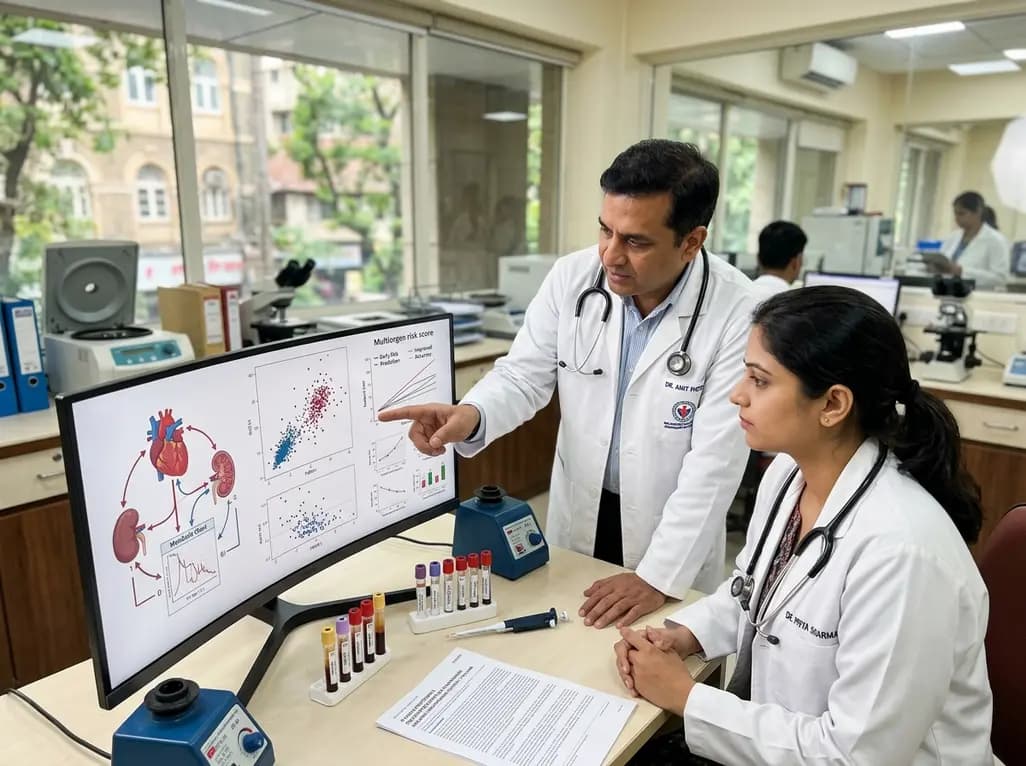
A large UK Biobank study reveals that plasma proteomic signatures capture preclinical organ damage and improve multiorgan risk prediction across early CKM syndrome stages 0 to 2 beyond traditional PREVENT clinical models.
Today

A retrospective CBCT study reveals that superior TMJ space asymmetry correlates moderately with occipital condyle-atlas-axis asymmetry in unilateral TMJ osteoarthritis, highlighting an imaging correlate between jaw biomechanics and upper cervical alignment rather than a standalone diagnostic marker.
Today

A cross-sectional investigation highlights the complex pathophysiological links between serum Klotho deficiency, secondary hyperaldosteronism, and vascular damage in CKD. Discover key insights into non-invasive vascular stiffness markers and targeted therapeutic pathways for cardiorenal protection.
Today
