.webp&w=384&q=75)

Loading, please wait...
Loading, please wait...

Research integrity relies heavily on survey translation transparency to ensure that cross-cultural findings are valid and reproducible. A recent study by Sadeghzadeh et al. investigated documentation gaps in validation studies, framing these omissions as a critical concern for the medical community. The researchers analyzed translation procedures through a comprehensive framework covering input, process, and output phases. Consequently, they found that selective reporting often obscures the intellectual labor involved in cultural mediation.
The study specifically evaluated practices against professional standards like accountability, communication, and fidelity. Although researchers frequently document the translation process itself, they often neglect the preparatory (input) and resultant (output) stages. This systemic imbalance creates an unrecoverable information gap for peer reviewers. Without full transparency, evaluating the methodological rigor of a study becomes nearly impossible.
Furthermore, the lack of standardized documentation prevents proper evaluation of translation validity. This is a core methodological checkpoint that ensures trust in cross-cultural research findings. Therefore, the study proposes mandatory reporting templates for input briefs and output decisions. These targeted interventions aim to make the entire translation process auditable and subject to effective scrutiny.
Translators provide essential cultural mediation that should not be excluded from research records. When documentation is incomplete, it erodes the transparency necessary for reproducing results. These findings, while focused on specific regions, mirror challenges faced in many Low- and Middle-Income Countries (LMICs), including India. Standardizing documentation is a vital prerequisite for equitable peer review and global research integrity.
Transparency ensures that the nuances of cultural mediation are recorded, allowing peer reviewers to assess whether the translated instrument remains valid for the target population.
Studies often fail to document the preparatory input phase and the final output decisions, focusing only on the translation process itself, which limits auditability.
Disclaimer: This content is for informational and educational purposes only. It does not constitute medical advice or establish a doctor-patient relationship. Readers should consult with healthcare professionals for medical concerns. Refer to the latest local and national guidelines for clinical practice.
References
1. Sadeghzadeh M et al. Lost in documentation: professional norms and the gaps in survey translation transparency. Res Integr Peer Rev. 2026 Apr 13. doi: undefined. PMID: 41968351.
2. Beaton DE et al. Guidelines for the process of cross-cultural adaptation of self-report measures. Spine. 2000;25(24):3186-3191.
3. World Health Organization. Process of translation and adaptation of instruments. Geneva: WHO; 2024.

Read summarized clinical updates, watch expert medical content, and earn CME certifications right from your smartphone.
Open your smartphone camera to scan and install.





A new study reveals systemic gaps in survey translation documentation, urging for mandatory reporting templates to ensure research integrity and transparenc...
6 months ago

Following regulatory scrutiny from FSSAI regarding promotional representations and lean muscle preservation claims, Dr. Reddy's Laboratories and Nestlé Health Science are currently reviewing the branding and marketing strategy for their joint nutritional supplement Celevida GLP+.
Today
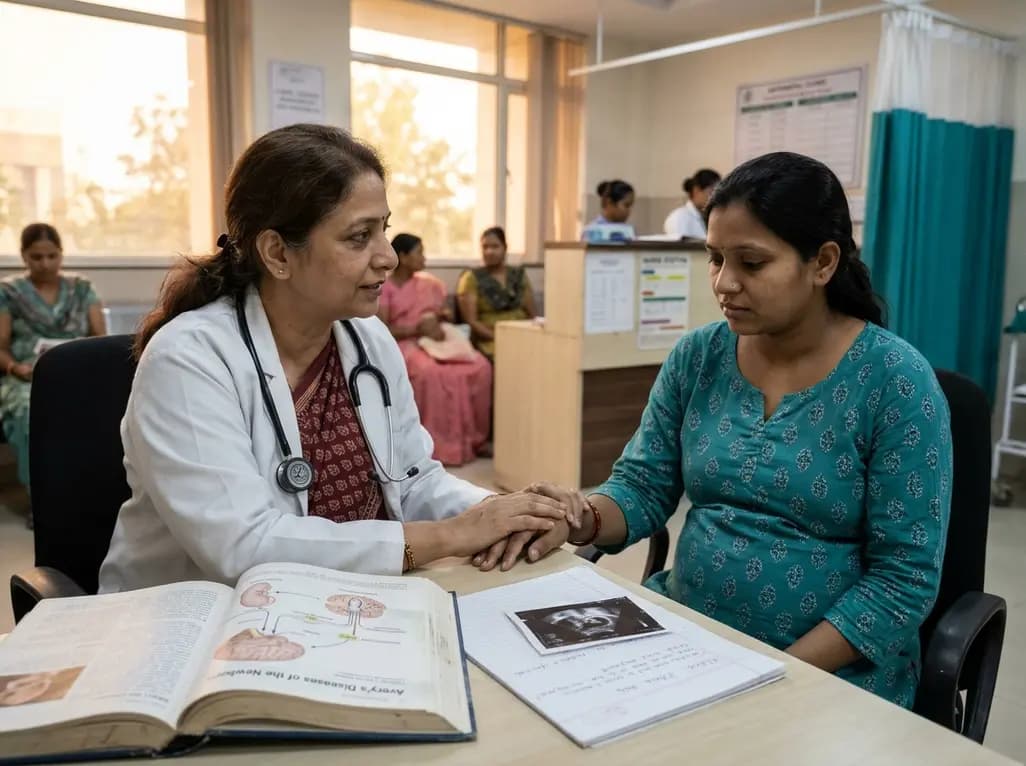
A comprehensive scoping review synthesises evidence linking prenatal maternal mental health to long-term offspring neurodevelopment, evaluating neuroendocrine, inflammatory, and epigenetic pathways while highlighting clinical screening and future research priorities.
Today

The Directorate General of Health Services directs Indian states to halt the hazardous reuse and reprocessing of single-use medical devices. Discover regulatory implications under the Drugs and Cosmetics Act, critical infection risks, legal liabilities, and operational changes required across clinical specialties.
Today

A 25-year multi-institutional cohort reveals high recurrence rates in pediatric giant cell tumor of bone, particularly in patients with open physes and bone marrow edema on preoperative MRI. Early surveillance and careful balance between growth plate preservation and tumor clearance are essential.
Today

India is advancing preventive healthcare by integrating genomics, artificial intelligence, and quantum technologies. With the SANGAM programme sequencing one million Indian genomes, clinicians can unlock personalized therapies, detect cardiometabolic risks early, and curb the burden of diabetes and heart disease.
Today
