

Loading, please wait...
Loading, please wait...

Laparoscopic appendectomy serves as a fundamental procedure for junior residents. Consequently, ensuring effective surgical training for appendicitis is vital for patient safety and trainee development. However, a recent mixed-method study conducted in Norway reveals significant gaps in how this training is delivered and assessed. While the use of laparoscopic techniques has increased, many trainees still lack access to structured feedback and standardized technical guidance.
The research involved surveys to heads of departments and surgical trainees, complemented by focus group discussions. Interestingly, the study found that 85% of trainees did not receive a structured competence assessment. Moreover, while 55% of residents used a simulator before their first procedure, motivation for simulation-based training appears to be declining. Trainees expressed a clear need for quality-assured digital learning tools and more consistent evaluation from senior consultants. Additionally, the lack of standardized surgical techniques across different hospitals creates confusion for those in the early stages of their careers.
To address these deficiencies, the study suggests several key improvements. First, hospitals should implement mandatory competency assessments involving both consultants and experienced trainees. Second, there is a pressing demand for satisfactory digital learning platforms that provide step-by-step guidance. Furthermore, integrating regular feedback loops can significantly boost trainee confidence. Because variations in hospital size and caseload persist, a more uniform approach to education is necessary to ensure all residents achieve proficiency. Ultimately, these steps will help bridge the gap between initial simulation and real-life surgical performance.
Structured assessment provides an objective measure of a resident's technical skills. It ensures that trainees meet specific milestones before operating independently, which directly enhances patient safety and reduces complications.
Simulators allow residents to practice basic laparoscopic skills in a risk-free environment. However, research suggests that simulation is most effective when part of a formal curriculum rather than being used in isolation.
Disclaimer: This content is for informational and educational purposes only. It does not constitute professional medical advice, diagnosis, or treatment. Always seek the advice of your physician or other qualified healthcare provider with any questions you may have regarding a medical condition. Refer to the latest local and national guidelines for clinical practice.
References
1. Skjold-Ødegaard B et al. Approaches to Education and Training on How to Diagnose and Treat Acute Appendicitis in Norway: A Mixed-Method Study. World J Surg. 2026 Mar 20. doi: 10.1002/wjs.70333. PMID: 41862414.
2. Skjold-Odegaard B et al. Development and clinical implementation of a structured, simulation-based training programme in laparoscopic appendectomy. BMJ Simul Technol Enhanc Learn. 2021;7(6):517.
3. Cassidy BP et al. Surgical training trends in the Americas: A cross-continental assessment of minimally invasive surgery among surgical trainees. World J Surg. 2024;48(11):2686-2696.

Read summarized clinical updates, watch expert medical content, and earn CME certifications right from your smartphone.
Open your smartphone camera to scan and install.





A mixed-method study highlights variations in appendicitis training and emphasizes the urgent need for structured competency assessments for surgical traine...
7 months ago

As monsoon seasons elevate arboviral disease threats, Tamil Nadu has initiated an ICMR-monitored evaluation of the tetravalent dengue vaccine in Tenkasi district. Clinicians emphasize clinical monitoring, public prevention, and high-quality early pediatric care to reduce disease morbidity across endemic regions.
Today
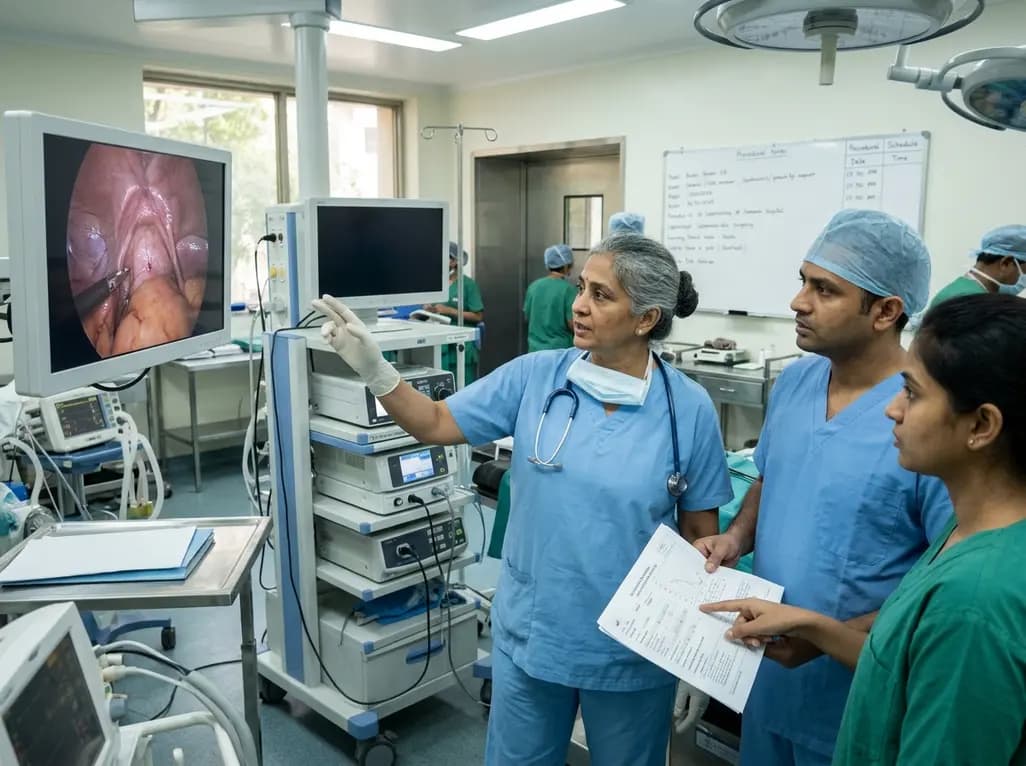
A comparative cohort study evaluates vNOTES vs TLH hysterectomy for benign conditions, demonstrating shorter operative duration, faster return to daily activities, and equivalent female sexual function scores without increased dyspareunia.
Today
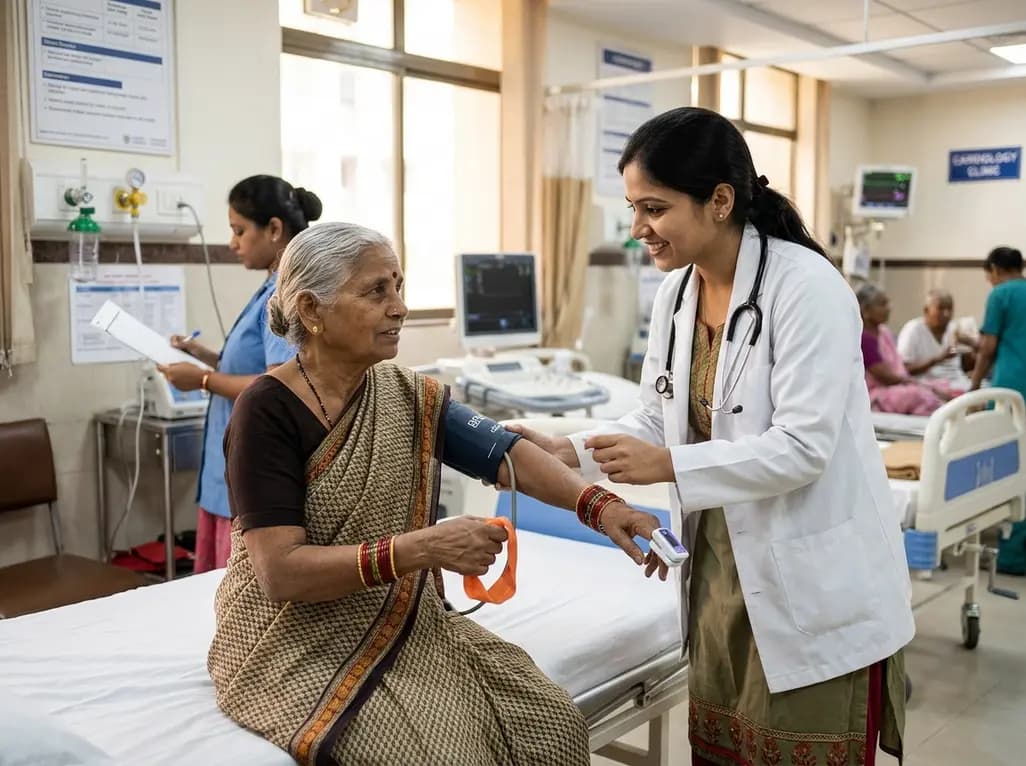
Review how tailored exercise programs benefit frail older patients with heart failure. Explore pathophysiological mechanisms, individualized training prescriptions, and strategies to overcome adherence barriers in clinical practice.
Today

This comparative study evaluates posterior labral tears with and without glenohumeral instability, highlighting distinct demographic patterns, MRI underestimation in stable shoulders, and successful arthroscopic repair outcomes.
Today

A clinical study demonstrates that early intervention with tocilizumab, either as monotherapy or bridged with corticosteroids, achieves significant proptosis reduction and resolves active inflammation in treatment-naive thyroid eye disease.
Today
