.webp&w=384&q=75)

Loading, please wait...
Loading, please wait...

Understanding the triggers for surgical reintervention heart valves is crucial for improving long-term patient outcomes after prosthetic replacement. A recent retrospective case series analyzed 144 patients to evaluate the safety and efficacy of valve reoperations. The cohort included individuals who previously received bioprosthetic or mechanical valves, primarily for mitral and aortic positions. The results shed light on why these valves fail and what specific factors predict postoperative survival.
The reasons for reoperation vary significantly based on the type of prosthesis originally implanted. In the bioprosthetic group, structural valve deterioration acted as the primary culprit, affecting 71.8% of patients. Additionally, prosthetic valve endocarditis accounted for 21.8% of these cases. Conversely, pannus or valve thrombosis and paravalvular leaks caused most mechanical valve failures. These findings emphasize that while bioprosthetic valves are prone to wear, mechanical valves face higher risks of obstructive growth and sealing issues. Consequently, long-term monitoring must focus on these distinct failure patterns.
Identifying high-risk patients before surgery helps clinicians tailor perioperative care. The study used multivariate Cox regression analysis to pinpoint specific independent risk factors for postoperative mortality. Specifically, a lower glomerular filtration rate and preoperative cardiogenic shock significantly increased the risk of death. Furthermore, severe tricuspid regurgitation and prosthetic valve endocarditis correlated with poorer outcomes. Finally, patients undergoing emergency or salvage surgery faced a sevenfold increase in mortality risk compared to elective cases. Therefore, early identification of valve dysfunction is paramount.
Despite the complexity of redo procedures, the 30-day mortality rate remained relatively low at 6.3%. However, perioperative complications are common, with prolonged mechanical ventilation occurring in 22.2% of patients. Other frequent issues included low cardiac output syndrome and permanent pacemaker implantation. Despite these challenges, the 1-year survival rate reached an encouraging 90.8%. Surgical reintervention heart valves strategies remain viable and effective when surgeons perform them before severe clinical deterioration occurs. Moreover, peripheral cannulation and median sternotomy continue to be reliable techniques for these complex reentries.
Surgical reintervention for prosthetic valves is often necessary but carries specific procedural risks. Clinicians should prioritize the early detection of structural deterioration and paravalvular leaks. Moreover, optimizing renal function and managing tricuspid regurgitation preoperatively may improve overall surgical success rates. Timely intervention, particularly before the onset of cardiogenic shock or the need for emergency surgery, is essential for maximizing patient survival in the modern era of cardiac care.
Structural valve deterioration is the leading cause, occurring in over 70% of bioprosthetic reinterventions. This is often followed by prosthetic valve endocarditis, which requires aggressive surgical management.
Key independent risk factors include low kidney filtration rates, preoperative cardiogenic shock, severe tricuspid regurgitation, and the requirement for emergency or salvage surgery.
Recent clinical data indicates a 1-year survival rate of approximately 90.8% for patients undergoing surgical reintervention for prosthetic valves, suggesting that the procedure is effective when timed correctly.
Disclaimer: This content is for informational and educational purposes only. It does not constitute professional medical advice, diagnosis, or treatment. Always seek the advice of your physician or other qualified healthcare provider with any questions you may have regarding a medical condition. Refer to the latest local and national guidelines for clinical practice.
References
Wang WW et al. [Reasons for surgical reintervention and its prognosis after prosthesis valve replacement]. Zhonghua Wai Ke Za Zhi. 2026 Mar 25. doi: 10.3760/cma.j.cn112139-20251209-00583. PMID: 41881795.
Kothari S et al. Redo-mitral valve replacement and predictors of operative mortality: a single-institute experience. Journal of Medicine in Scientific Research. 2021; 4(1): 1-7.
Kaneko T et al. Impact of reintervention after index aortic valve replacement on the risk of subsequent mortality. J Thorac Cardiovasc Surg. 2024; 167(1): 103-112.

Read summarized clinical updates, watch expert medical content, and earn CME certifications right from your smartphone.
Open your smartphone camera to scan and install.





This study analyzes the primary causes of surgical reintervention after heart valve replacement and identifies key independent risk factors for mortality....
7 months ago

A landmark 12-year longitudinal study highlights significant reductions in opioid prescribing for nonspecific low back pain following clinical guidelines and prescription monitoring systems, emphasizing non-opioid multimodal pain care.
Today
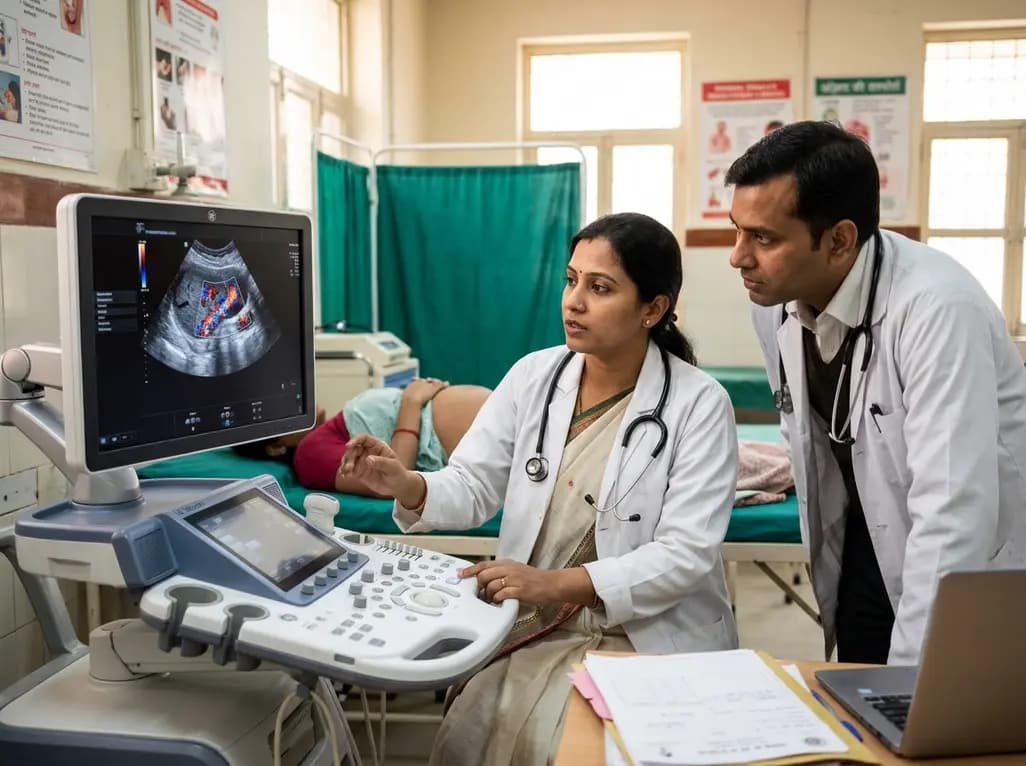
A study in Ultrasound in Obstetrics & Gynecology shows that quantitative vascularization of the anterior fornix/cervix with transvaginal ultrasound reliably identifies placenta accreta spectrum and predicts severe intraoperative hemorrhage, offering vital objective risk stratification.
Today

A landmark study details how an enterprise pediatric remote patient management model expanded from a single cardiology pilot to 16 diverse specialty programs by combining centralized digital operations with specialty clinical leadership.
Yesterday
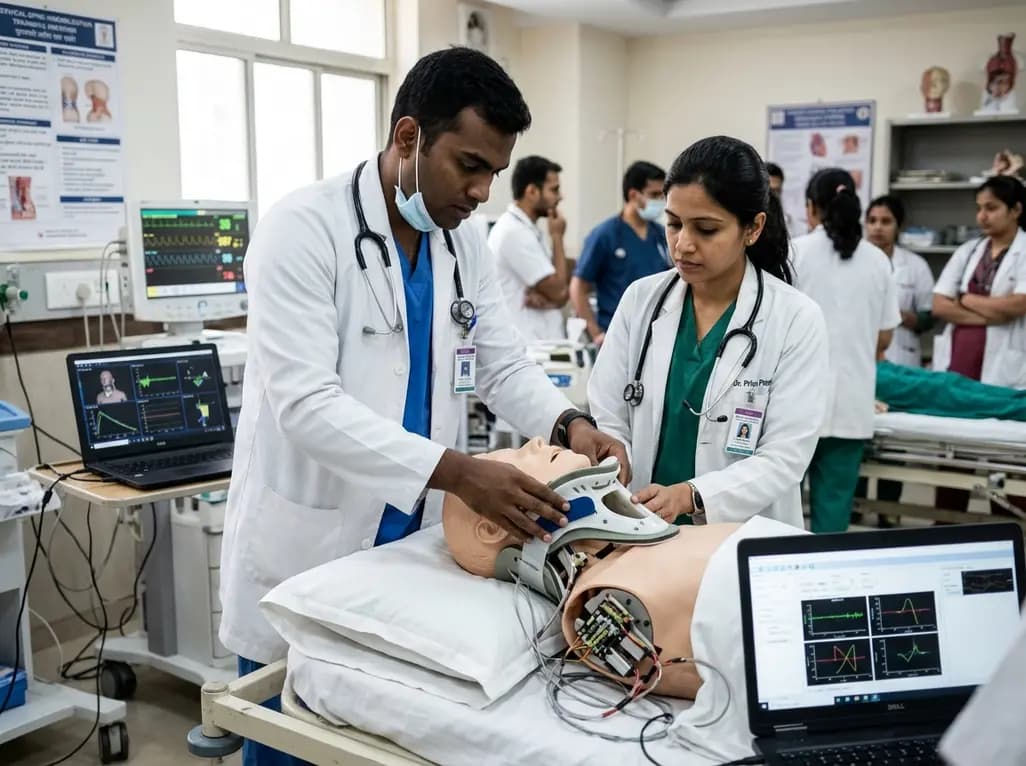
A novel proof-of-concept study presents a six-degree-of-freedom articulated manikin neck equipped with linear potentiometers. The system provides real-time kinematic motion feedback during cervical immobilisation, delivering sub-degree tracking accuracy to improve pre-hospital trauma training and patient safety.
Today

Protein O-GlcNAcylation couples cellular nutrient status to vital neuronal functions. This review explores how disrupted O-GlcNAc cycling drives both neurodevelopmental delays and neurodegenerative cascades, positioning metabolic post-translational modifications as therapeutic targets in clinical neurology.
Today
