.webp&w=384&q=75)

Loading, please wait...
Loading, please wait...

Tracking the fate of transplanted cells within the body remains a significant challenge for modern medicine. Researchers recently introduced a groundbreaking approach: super-resolution ultrasound cell tracking using polymeric nanobubbles. This technique utilizes ultrasound localization microscopy (ULM) to monitor cell-based therapies with unprecedented single-cell sensitivity. By labeling cells with stable poly(butyl cyanoacrylate) nanobubbles, clinicians can now visualize the trajectory of individual cells in real-time within complex biological environments like tumors.
The study highlights how biocompatible nanobubbles generate strong intracellular signals, allowing the reconstruction of cell paths in murine breast cancer models. Specifically, this method tracked bone marrow-derived mononuclear cells following intra-arterial injection. Furthermore, the integration of these trajectories with vascular maps identifies the exact blood vessels delivering the cells. Consequently, this clinically compatible strategy expands ULM beyond simple vascular mapping.
This advancement provides a robust platform for the dynamic monitoring of cell-based therapies. Moreover, the high spatial precision ensures that researchers can differentiate between circulating and stationary cells. As a result, this technology may soon refine how we evaluate the efficacy of immunotherapy and regenerative treatments in clinical settings.
Nanobubbles offer high stability and biocompatibility. They are internalized efficiently by cells and provide strong acoustic signals, enabling super-resolution imaging that was previously impossible with standard ultrasound techniques.
ULM uses the signals from individual nanobubbles to pinpoint cell locations with sub-wavelength precision. By tracking these points over time, the system reconstructs the movement and distribution of therapeutic cells in vivo.
Disclaimer: This content is for informational and educational purposes only. It is not intended as a substitute for professional medical advice, diagnosis, or treatment. Refer to the latest local and national guidelines for clinical practice.
References

Read summarized clinical updates, watch expert medical content, and earn CME certifications right from your smartphone.
Open your smartphone camera to scan and install.





Researchers have developed a super-resolution ultrasound method using nanobubbles to track individual transplanted cells in vivo for cancer monitoring....
4 months ago
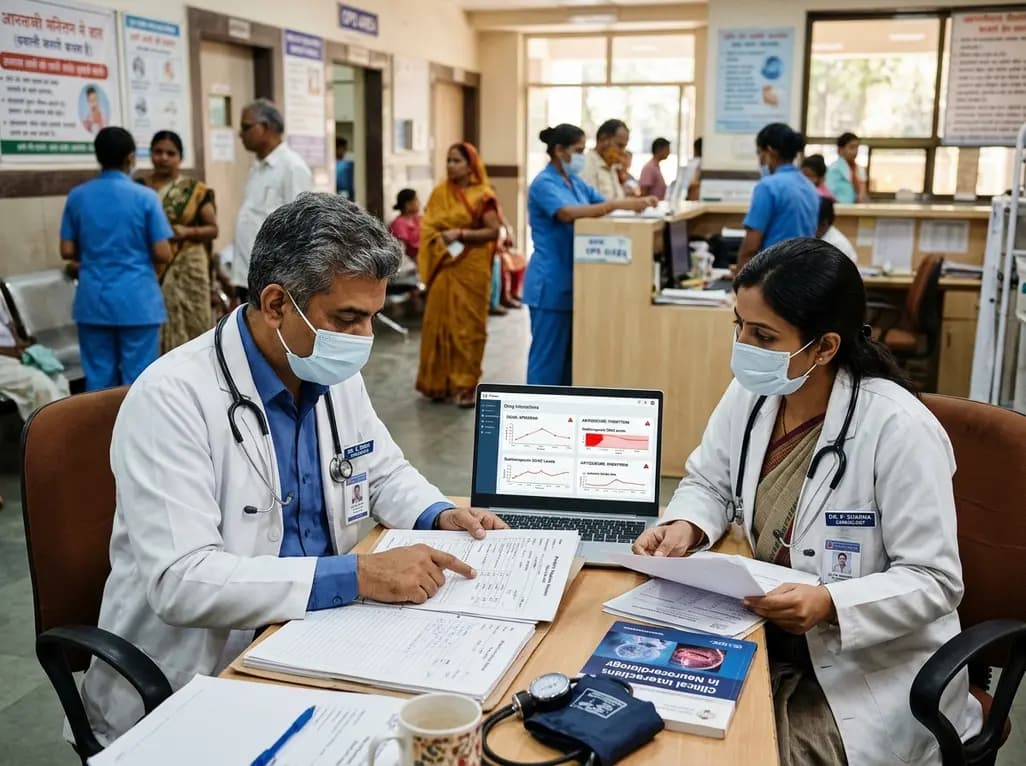
Co-administering antiseizure medications and DOACs frequently causes pharmacokinetic interactions, subtherapeutic drug levels, and thromboembolic failures. This review highlights enzyme induction risks, unpredictable outcomes with levetiracetam, and the vital role of therapeutic drug monitoring.
Today

Demanding exhaustive hormonal profiling can inadvertently discourage clinical studies involving females. Methodological standards must align with the specific scientific question to expand, not restrict, equitable evidence for women.
Today
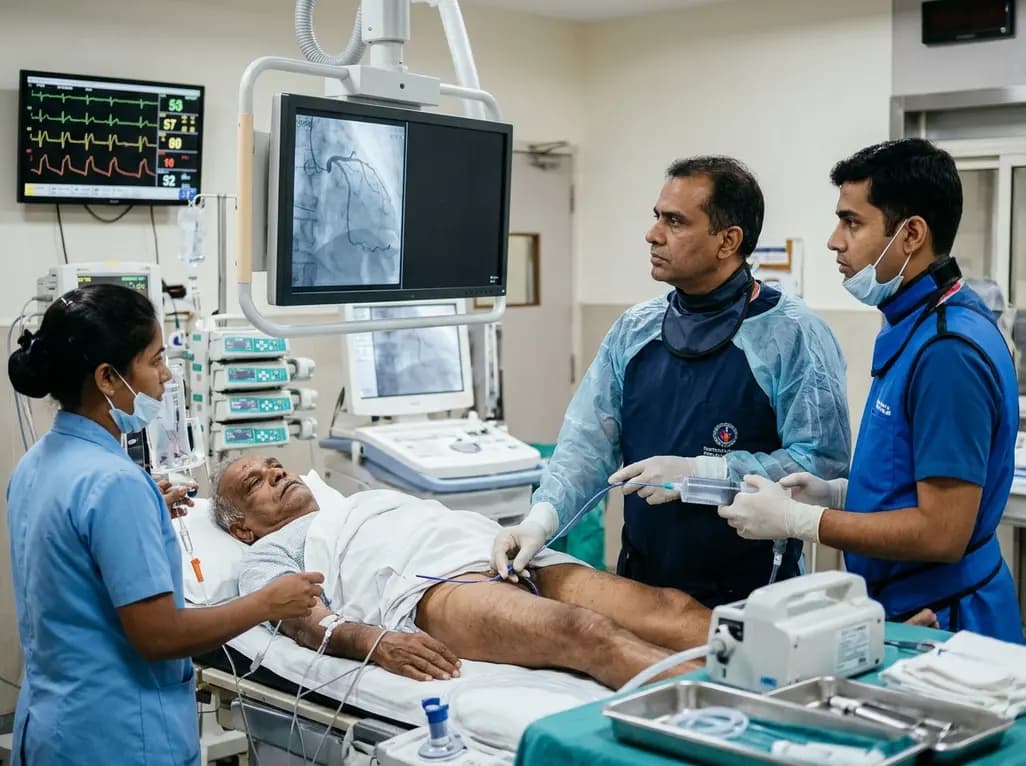
An elderly man with partially repaired Tetralogy of Fallot presented with STEMI caused by coronary embolism rather than atherosclerosis. Successful treatment with sustained mechanical aspiration thrombectomy underscores the vital need for high clinical vigilance in adult congenital heart disease.
Today
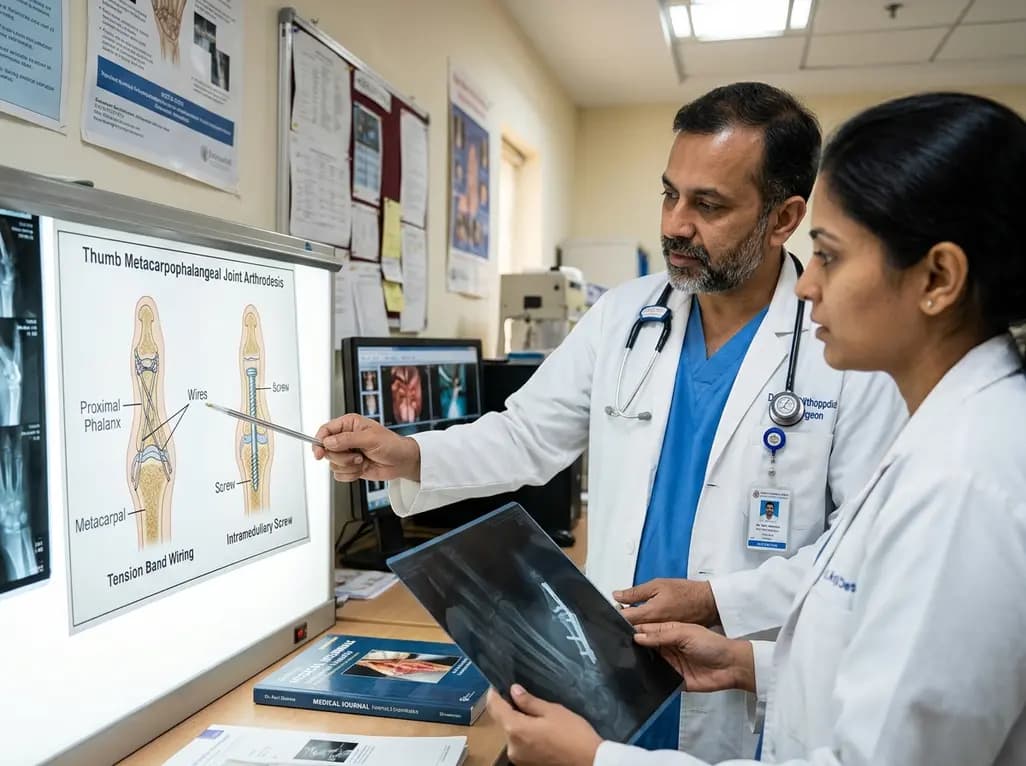
A comparative review of tension band wiring and intramedullary screw fixation in thumb metacarpophalangeal arthrodesis, evaluating union rates, hardware complications, and clinical outcomes.
Today

Following regulatory scrutiny from FSSAI regarding promotional representations and lean muscle preservation claims, Dr. Reddy's Laboratories and Nestlé Health Science are currently reviewing the branding and marketing strategy for their joint nutritional supplement Celevida GLP+.
Today
