.webp&w=384&q=75)

Loading, please wait...
Loading, please wait...

Recent clinical research has highlighted the potential of sulforaphane in prostate cancer prevention. This bench-to-bedside study evaluated how the broccoli-derived compound affects the fatty acid synthesis pathway. Scientists aimed to determine if sulforaphane (SFN) and its clinical-grade formulation, BroccoMax (BMAX), could effectively inhibit de novo lipid production. Consequently, this pathway represents a promising target for clinicians searching for non-toxic prevention strategies.
During the animal phase of the trial, researchers administered SFN orally to Hi-Myc mice. This intervention resulted in a 61% reduction in prostate adenocarcinoma burden. This effect occurred alongside a significant decrease in c-Myc and proliferating cell nuclear antigen (PCNA) protein levels. Additionally, the study recorded increased rates of apoptosis in the tumor tissues. Therefore, these findings suggest that SFN actively disrupts the metabolic environment necessary for cancer cell survival.
The investigation specifically focused on key enzymes like acetyl-CoA carboxylase 1 (ACC1) and fatty acid synthase (FASN). In SFN-treated mice, the expression of ACC1 and FASN decreased by 46% and 31%, respectively. Furthermore, plasma levels of total free fatty acids and cholesterol were significantly lower in the treatment group. These metabolic shifts indicate that SFN successfully limits the availability of lipids required for rapid tumor growth.
In the human clinical trial component, patients received BroccoMax twice daily for four weeks. The researchers observed that prostate tumor expression of c-Myc, ACC1, and FASN was significantly lower in the BMAX group compared to the placebo group. Moreover, the study confirmed that SFN and its metabolites are detectable in plasma and urine. While serum fatty acid levels did not change significantly in the short term, the local tissue effects were notable. Consequently, doctors may consider longer treatment durations for broader systemic changes.
Sulforaphane targets prostate cancer by inhibiting the de novo fatty acid synthesis pathway. It specifically reduces the expression of enzymes like FASN and ACC1, which are critical for tumor growth and survival.
Research indicates that BroccoMax, a clinical-grade sulforaphane formulation, can lower the expression of oncogenic proteins like c-Myc and FASN in prostate tissue. However, patients should consult their doctor before using supplements for cancer prevention.
Disclaimer: This content is for informational and educational purposes only. It does not constitute professional medical advice, diagnosis, or treatment. Always seek the advice of your physician or other qualified healthcare provider with any questions you may have regarding a medical condition. Never disregard professional medical advice or delay in seeking it because of something you have read here. Refer to the latest local and national guidelines for clinical practice.
References
Hahm ER et al. Bench-to-Bedside Evaluation of Sulforaphane/BroccoMax on Fatty Acid Synthesis in Prostate Cancer. Cancer Prev Res (Phila). 2026 Mar 20. doi: 10.1158/1940-6207.CAPR-25-0488. PMID: 41856926.
Singh SV, et al. Prostate cancer chemoprevention by sulforaphane in a preclinical mouse model is associated with inhibition of fatty acid metabolism. Carcinogenesis. 2018;39(5):673-682.
Alumkal JJ, et al. A phase II study of sulforaphane-rich broccoli sprout extracts in men with recurrent prostate cancer. Invest New Drugs. 2015;33(2):480-9.

Read summarized clinical updates, watch expert medical content, and earn CME certifications right from your smartphone.
Open your smartphone camera to scan and install.





A bench-to-bedside study reveals that sulforaphane inhibits fatty acid synthesis in prostate cancer, reducing tumor burden and showing clinical promise....
6 months ago

The World Health Organization has launched a 10-year framework to address evidence gaps in traditional, complementary, and integrative medicine. Prioritizing conditions such as stroke, cancer, and depression, this global roadmap highlights rigorous clinical trials, pharmacovigilance, and safer patient care.
Today

A recent longitudinal study evaluated the link between prenatal loss of control eating and cardiovascular health using Life's Essential 8 frameworks. While direct associations across pregnancy were non-significant, the high prevalence of dysregulated eating highlights critical implications for obstetric practice.
Today

Explore modern perioperative management protocols for clinical xenotransplantation. Learn how costimulation blockade, anti-inflammatory perfusion, and coagulopathy rescue overcome interspecies hurdles.
Today
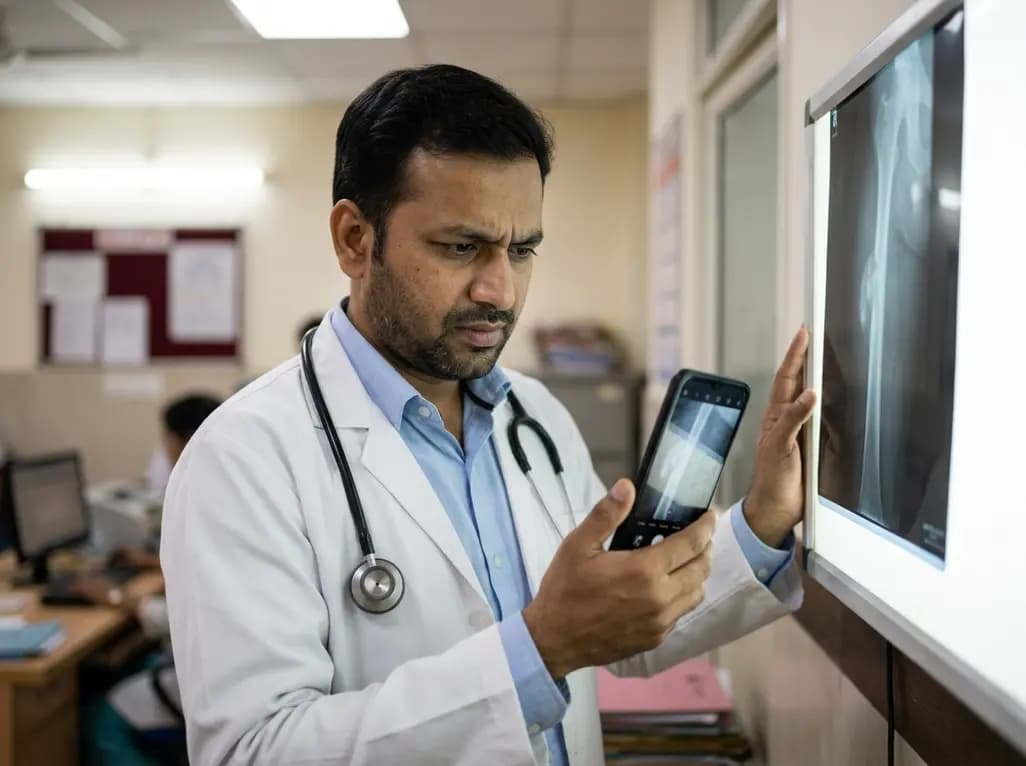
A retrospective study evaluating a locally deployed vision language model (Qwen3-VL) reveals that smartphone-captured radiographs and retrieval-augmented generation can paradoxically reduce diagnostic accuracy in bone tumor referrals due to optical noise and textual hallucinations.
Today
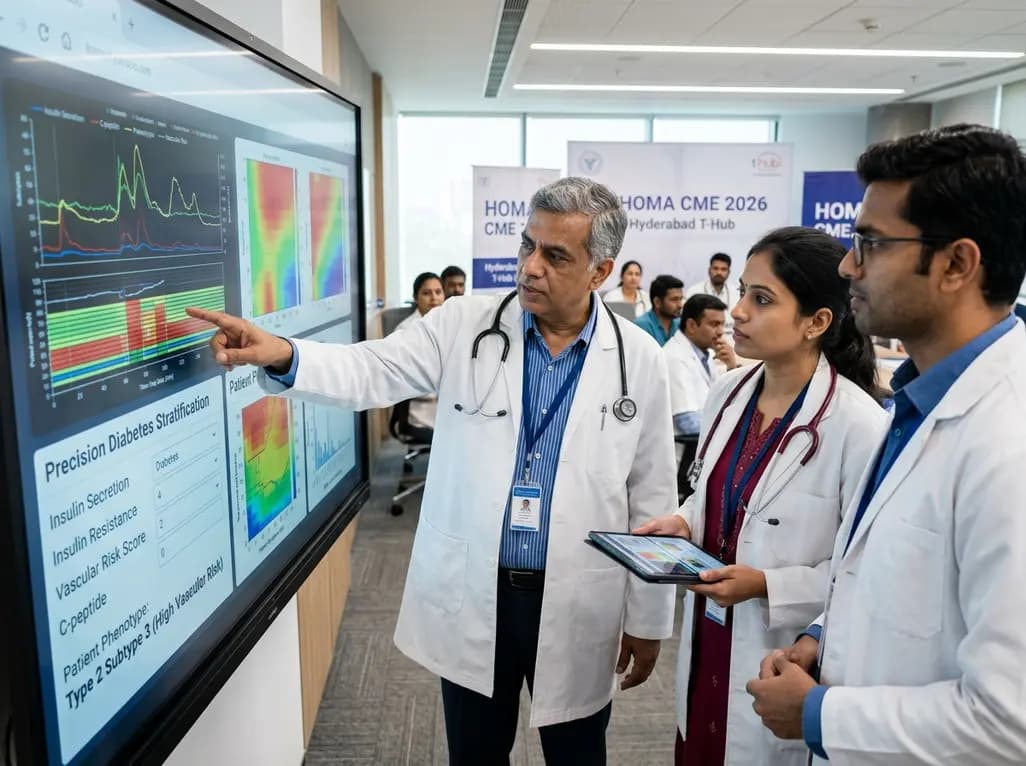
At Homa CME 2026 at Hyderabad's T-Hub, healthcare leaders emphasized moving beyond routine metrics through digital calculators and precision stratification. Discover why characterizing individual insulin secretion, resistance patterns, and vascular risks transforms chronic metabolic care in India.
Today
