.webp&w=384&q=75)

Loading, please wait...
Loading, please wait...
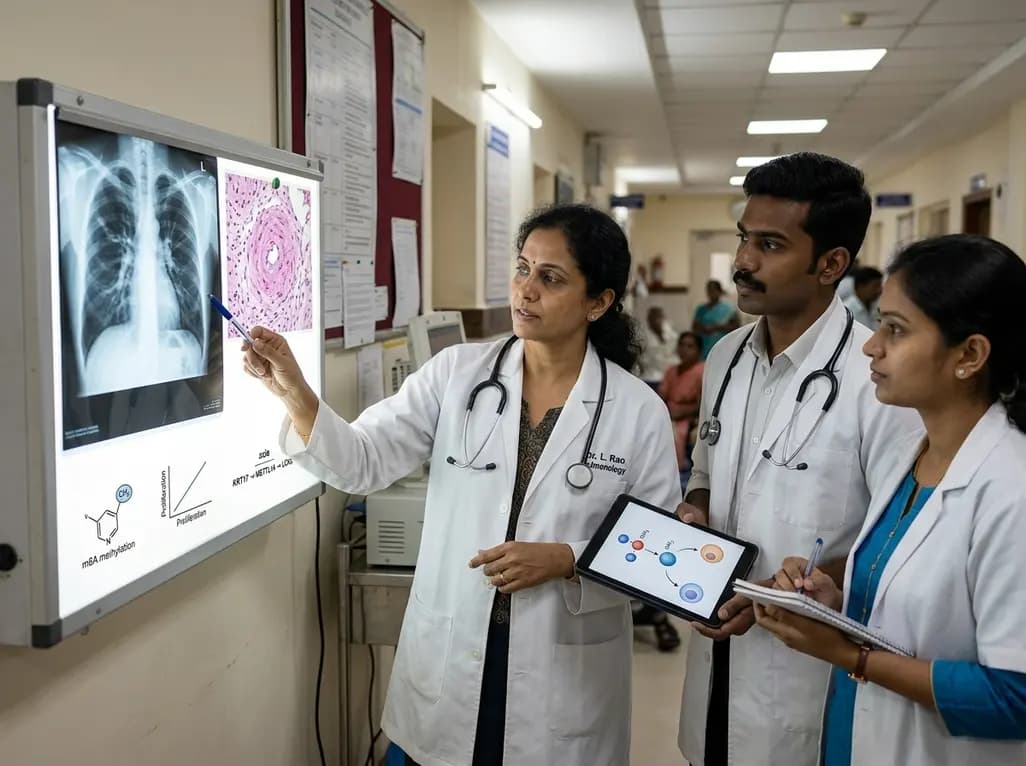
Pulmonary arterial hypertension remains a severe progressive cardiovascular condition defined by structural alterations within the lung vasculature. At the core of this pathology is pulmonary vascular remodeling, a process marked by abnormal proliferation and resistance to apoptosis in pulmonary arterial smooth muscle cells. Consequently, vascular walls thicken, luminal dimensions shrink, and pulmonary vascular resistance increases significantly. These structural alterations progressively strain the right ventricle, frequently leading to right heart failure and high patient mortality. Although modern clinical management has improved symptomatic control and short-term survival, current vasodilator therapies fail to arrest or reverse underlying structural remodeling. As a result, elucidating precise molecular cascades driving pathological cell expansion remains essential for designing target-specific interventions. Recent research points toward complex epigenetic and post-transcriptional modifications that regulate gene expression during hypoxemia and mechanical stress. RNA methylation, particularly N6-methyladenosine, has emerged as a key regulator of transcript stability and protein expression in cardiovascular tissues. Understanding how specific methyltransferase complexes modulate cytoskeletal and signaling proteins within smooth muscle cells offers vital clarity. By investigating transcriptomic variations between healthy and remodeled pulmonary arteries, researchers continue to uncover previously uncharacterized signaling axes that orchestrate disease progression, opening potential avenues for precision molecular medicine in pulmonary vascular disorders.
Among the candidate regulatory proteins identified in vascular pathological studies, Keratin 17 has emerged as a prominent mediator of cellular proliferation and tissue stress responses. Traditionally recognized for its structural role in epithelial tissues, recent molecular profiling demonstrates marked overexpression of Keratin 17 in patient pulmonary arterial tissues and animal models of pulmonary vascular remodeling. When pulmonary arterial smooth muscle cells encounter chronic hypoxic conditions, Keratin 17 expression increases substantially, accelerating abnormal cellular migration and proliferation. Functional assays using both loss-of-function and gain-of-function approaches confirm that Keratin 17 actively promotes hyperproliferative phenotypes rather than acting merely as a passive biomarker. Knockdown of Keratin 17 significantly attenuates scratch wound closure, DNA synthesis rate, and overall cell survival in hypoxic cellular environments. Conversely, ectopic expression of Keratin 17 accelerates smooth muscle cell cycle progression even under normoxic baseline conditions. Furthermore, in vivo administration of targeting vectors reduces medial wall thickening in experimental rodent models subjected to hypoxia and Sugen5416 exposure. These findings establish Keratin 17 as an active driver of vascular wall expansion, positioning it as a pivotal node in the complex network governing structural vascular adaptation.
The upstream regulation of Keratin 17 expression involves intricate epitranscriptomic mechanisms, specifically m6A RNA methylation orchestrated by methyltransferase-like complexes. METTL14, a vital catalytic subunit of the m6A methyltransferase complex, plays an indispensable role in recognizing and modifying targeted messenger RNA transcripts. Advanced sequencing and biochemical analyses reveal that METTL14 directly modulates Keratin 17 transcript dynamics within pulmonary arterial smooth muscle cells. Under disease conditions, METTL14 expression is elevated, leading to heightened m6A modification levels on specific consensus sequences within Keratin 17 messenger RNA. This targeted methylation enhances transcript stability, preventing premature degradation and significantly boosting cytoplasmic translation into functional Keratin 17 protein. Experimental depletion of METTL14 results in a rapid decrease in Keratin 17 transcript half-life, subsequently reducing protein levels and suppressing smooth muscle hyperproliferation. Conversely, METTL14 overexpression reproduces the pathological cellular alterations observed in severe pulmonary arterial hypertension. By demonstrating that post-transcriptional RNA methylation governs Keratin 17 abundance, these insights highlight the profound impact of epitranscriptomic machinery on vascular smooth muscle cell phenotypic switching, emphasizing METTL14 as a major upstream regulator of pathological arterial remodeling.
Downstream of Keratin 17, the molecular cascade propagates through the upregulation of Lipocalin 2, a secreted glycoprotein heavily implicated in cell survival, inflammation, and cellular proliferation. Mechanistic investigations indicate that elevated Keratin 17 levels directly boost Lipocalin 2 expression in pulmonary arterial smooth muscle cells. Lipocalin 2 functions as a crucial downstream effector, translating intracellular cytoskeletal stress signaling into robust proliferative and anti-apoptotic outputs. Blocking Lipocalin 2 signaling attenuates the pro-proliferative actions induced by Keratin 17 overexpression, proving that Lipocalin 2 mediates a substantial portion of this pathological cascade. In contrast, exogenous administration or genetic restoration of Lipocalin 2 rescues smooth muscle cell proliferation following Keratin 17 silencing. This hierarchy establishes a clear signal transduction axis, wherein METTL14-mediated m6A methylation stabilizes Keratin 17 transcripts, subsequently elevating Lipocalin 2 to drive pathological vascular remodeling. Identifying this structured signaling axis clarifies how epitranscriptomic modifications directly connect to intracellular signaling networks, triggering aberrant cellular growth within remodeled pulmonary arteries.
The discovery of the METTL14-KRT17-LCN2 regulatory axis unveils promising targets for therapeutic discovery aimed at reversing pulmonary arterial remodeling. Current pharmacological approaches primarily induce vasodilation without adequately reversing structural vascular wall hypertrophy. Interventions specifically targeting the epitranscriptomic machinery, such as small-molecule inhibitors of METTL14 or targeted RNA-degrading technologies against Keratin 17, present novel anti-remodeling strategies. Suppressing this pathway could selectively halt pathological smooth muscle expansion without disrupting systemic hemodynamics. Furthermore, assessing Keratin 17 and Lipocalin 2 expression levels in vascular tissues or circulating biofluids may offer valuable biomarker utility for monitoring disease activity and therapeutic response. Preclinical evaluation of localized delivery systems, including aerosolized or nanoparticle-mediated targeted therapies, holds potential to maximize local efficacy within the pulmonary circulation while minimizing systemic off-target effects. As research advances from laboratory models to clinical validation, targeting epitranscriptomic regulators like METTL14 and its downstream effectors could transform the therapeutic paradigm for pulmonary vascular diseases.
Integrating molecular insights into clinical management strategies represents a vital frontier in advanced pulmonary medicine. Identifying specific genetic and post-transcriptional drivers allows clinicians to better comprehend the heterogeneous progression observed among patients with pulmonary hypertension. As therapeutic development pivots toward antiproliferative and disease-modifying agents, characterizing individual molecular profiles could facilitate personalized treatment regimens. Patients displaying high activity within epitranscriptomic regulatory pathways may benefit selectively from combined anti-remodeling regimens alongside conventional vasodilators. Moreover, refining molecular targeted therapies reduces reliance on high-dose systemic medications, potentially reducing side-effect burdens and improving patient treatment compliance over long-term management periods.
Keratin 17 acts as a key molecular driver of pulmonary arterial smooth muscle cell proliferation and migration. Elevated Keratin 17 levels promote structural arterial wall thickening and vascular remodeling, contributing directly to increased pulmonary vascular resistance and disease progression under hypoxic conditions.
The methyltransferase METTL14 adds m6A chemical modifications to Keratin 17 messenger RNA transcripts. This specific methylation increases the stability of the transcript, preventing its rapid degradation and ultimately increasing Keratin 17 protein synthesis within pulmonary arterial smooth muscle cells.
Lipocalin 2 operates as a key downstream mediator of Keratin 17 signaling. When Keratin 17 is elevated, it increases Lipocalin 2 expression, which subsequently stimulates cell cycle progression, cell survival, and abnormal proliferation in remodeled pulmonary vascular tissues.
Disclaimer: This content is for informational and educational purposes only. It does not constitute medical advice, diagnosis, or treatment. Healthcare professionals should rely on their clinical judgment and consult official prescribing information and medical literature. Refer to the latest local and national guidelines for clinical practice.
References
Liu Y et al. Keratin 17 Methyltransferasean14 Methylation Axis: A Novel Mechanism in Pulmonary Vascular Remodeling. J Am Heart Assoc. 2026 Aug 07. doi: 10.1161/JAHA.125.045577. PMID: 42568103.

Read summarized clinical updates, watch expert medical content, and earn CME certifications right from your smartphone.
Open your smartphone camera to scan and install.





A breakthrough study reveals how METTL14-mediated m6A methylation of KRT17 drives pulmonary arterial smooth muscle cell proliferation via LCN2, offering new therapeutic targets for pulmonary vascular remodeling.
last month
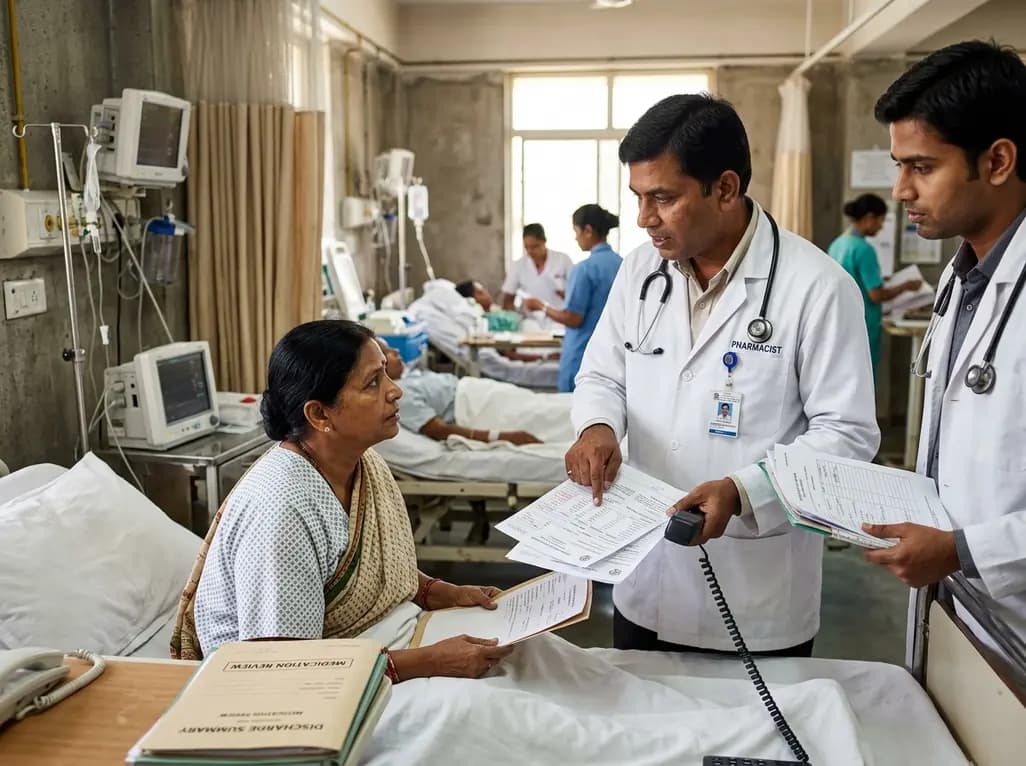
A retrospective cohort study demonstrates that comprehensive pharmacy transitions of care—including admission medication history, discharge review, and 72-hour telephone follow-up—significantly reduced 30-day readmission rates in acute care patients, highlighting the value of pharmacist-led clinical interventions.
Today

Meghalaya recorded a historic 55% reduction in maternal deaths, dropping from 244 to 107 over five years. Through the MOTHER app, dedicated transit homes, and expanded infrastructure like the 150-bed Tura Maternity Hospital with its first public NICU, the state demonstrates an effective public health model.
Today

Explore modern perioperative management protocols for clinical xenotransplantation. Learn how costimulation blockade, anti-inflammatory perfusion, and coagulopathy rescue overcome interspecies hurdles.
Today
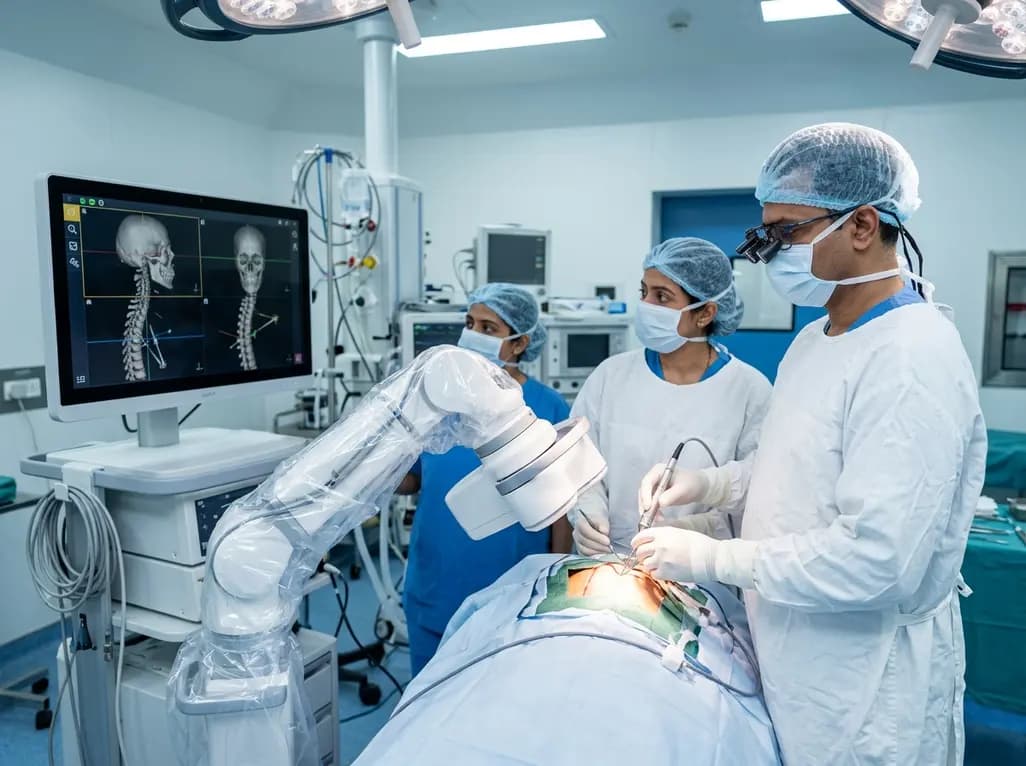
North India's first Centre of Excellence for Brain and Spine at Amrita Hospital Faridabad integrates Brainlab's Loop-X mobile robot. This landmark facility combines cone-beam computed tomography with surgical navigation to elevate precision, optimize operative workflows, and enhance specialized clinician training.
Today
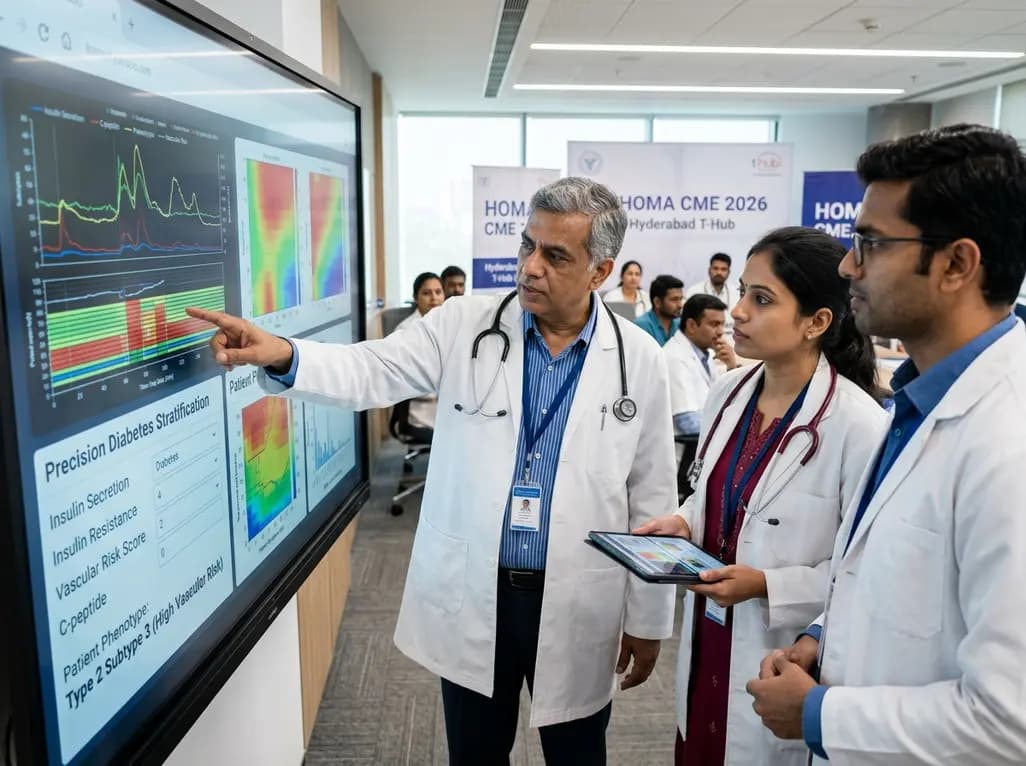
At Homa CME 2026 at Hyderabad's T-Hub, healthcare leaders emphasized moving beyond routine metrics through digital calculators and precision stratification. Discover why characterizing individual insulin secretion, resistance patterns, and vascular risks transforms chronic metabolic care in India.
Today
