.webp&w=384&q=75)

Loading, please wait...
Loading, please wait...

Sodium-glucose cotransporter 2 inhibitors have transformed the management of type 2 diabetes mellitus, heart failure, and chronic kidney disease. However, critical care clinicians increasingly encounter severe metabolic emergencies linked to these agents. SGLT2 inhibitor ketoacidosis represents a life-threatening complication that often presents deceptively in intensive care units. Unlike classical diabetic ketoacidosis, patients suffering from this condition frequently display normal or only mildly elevated blood glucose levels. Consequently, healthcare providers face major diagnostic delays when evaluating critically ill patients. Recent clinical observations highlight that specific physiological stressors, including coronary artery bypass graft surgery and co-prescription with GLP-1 receptor agonists, significantly amplify this metabolic risk. Recognizing these clinical nuances is essential for timely resuscitation and favorable patient outcomes in critical care medicine.
Understanding the underlying pathophysiology of SGLT2 inhibitor ketoacidosis is crucial for early clinical detection in critical care settings. Sodium-glucose cotransporter 2 inhibitors act on the renal proximal convoluted tubule to block glucose reabsorption, inducing persistent therapeutic glycosuria. However, this altered renal glucose excretion lowers plasma glucose concentrations, which subsequently decreases endogenous insulin release from pancreatic beta cells. Simultaneously, the lower insulin-to-glucagon ratio triggers pancreatic alpha cells to release excess glucagon. Elevated glucagon levels accelerate systemic lipolysis in adipose tissue, liberating free fatty acids that enter hepatic beta-oxidation pathways to produce ketone bodies rapidly.
Furthermore, SGLT2 inhibition directly increases renal tubular reabsorption of acetoacetate and beta-hydroxybutyrate, which exacerbates systemic hyperketonemia. Because glucose excretion continues despite low circulating insulin activity, blood glucose levels typically remain below two hundred milligrams per deciliter. This unique mechanism produces euglycemic ketoacidosis, masking severe metabolic acid-base derangement. When patients experience additional physiological stressors such as surgery, fasting, or systemic infection, ketogenesis accelerates dramatically. Consequently, clinicians must evaluate blood ketone levels directly rather than relying solely on capillary glucose readings when assessing critically ill patients.
Major physiological stressors act as potent triggers for acute metabolic crises in patients taking SGLT2 inhibitors. Coronary artery bypass graft surgery represents a particularly high-risk scenario due to prolonged preoperative fasting, intraoperative hypoperfusion, high endogenous catecholamine release, and systemic inflammatory responses induced by cardiopulmonary bypass. During cardiac procedures, stress hormones such as cortisol, epinephrine, and glucagon surge significantly. These counter-regulatory hormones stimulate peripheral lipolysis while inducing acute hepatic insulin resistance, thereby accelerating unrestrained ketone body synthesis in the liver.
In addition to major surgical trauma, drug-drug interactions play an increasingly recognized role in precipitating severe ketoacidosis. Combining SGLT2 inhibitors with glucagon-like peptide-1 receptor agonists such as semaglutide creates an additive metabolic vulnerability. GLP-1 receptor agonists slow gastric emptying and frequently cause gastrointestinal side effects, including nausea, vomiting, and decreased oral intake. When patient caloric intake drops sharply, persistent urinary glucose loss from SGLT2 inhibition causes rapid glycogen depletion. This starvation state, compounded by gastrointestinal symptoms, forces cellular metabolism toward lipid oxidation and ketogenesis. Therefore, initiating GLP-1 agonists in patients on established SGLT2 inhibitor therapy requires close monitoring of nutritional status and clinical vigilance.
Diagnosing euglycemic ketoacidosis in critical care environments presents formidable clinical hurdles. Because blood glucose levels remain normal or only moderately elevated, clinicians frequently fail to consider ketoacidosis when evaluating high anion gap metabolic acidosis. In post-cardiac surgery patients, intensive care unit teams commonly misattribute metabolic acidosis to tissue hypoperfusion, lactic acidosis, acute renal failure, or hyperchloremia secondary to aggressive perioperative fluid resuscitation. Consequently, essential diagnostic testing for ketone bodies is frequently delayed for many hours, allowing metabolic derangements to progress unchecked.
Another critical pitfall involves relying exclusively on urine dipstick ketone assays during initial diagnostic evaluations. Standard urine dipsticks utilize the nitroprusside reaction, which measures acetoacetate but completely fails to detect beta-hydroxybutyrate, the predominant circulating ketone body in SGLT2 inhibitor ketoacidosis. As a result, urine dipstick testing can yield falsely reassuring negative results during severe presentations. To prevent diagnostic errors, critical care physicians must routinely obtain point-of-care or laboratory serum beta-hydroxybutyrate levels in any patient taking an SGLT2 inhibitor who presents with unexplained metabolic acidosis, altered mental status, or hemodynamic instability.
Effective management of SGLT2 inhibitor ketoacidosis in the intensive care unit requires immediate, structured intervention focused on halting ketogenesis and restoring fluid balance. The first imperative step is the immediate discontinuation of the culprit SGLT2 inhibitor. Clinicians must establish intravenous access and initiate prompt fluid resuscitation with balanced crystalloids to restore intravascular volume, improve renal perfusion, and promote ketone clearance. However, volume resuscitation alone will not suppress active ketogenesis, as underlying insulin insufficiency persists.
To halt ongoing lipolysis and hepatic ketone production, physicians must initiate a continuous intravenous insulin infusion. Because circulating blood glucose levels are often normal or mildly elevated, clinicians must co-administer intravenous dextrose solutions alongside insulin therapy. Delivering five percent to ten percent dextrose allows safe, continuous insulin administration without triggering severe hypoglycemia, effectively driving cellular glucose uptake and suppressing glucagon release. Vigilant monitoring and repletion of serum potassium levels are mandatory before and during insulin therapy. Resuscitation should continue until the systemic anion gap normalizes, serum beta-hydroxybutyrate drops below one millimole per liter, and the patient safely resumes oral nutrition.
Preventing SGLT2 inhibitor ketoacidosis requires proactive medication management, standardized perioperative suspension pathways, and thorough patient counseling. Major international surgical and endocrine guidelines recommend withholding SGLT2 inhibitors prior to elective operative procedures. Specifically, clinicians should hold dapagliflozin, empagliflozin, and canagliflozin at least three to four days before scheduled major procedures, including cardiac operations. This suspension window accounts for drug elimination half-lives, minimizing the risk of perioperative euglycemic crises during periods of surgical stress and fasting.
In outpatient practice, healthcare providers must educate patients on sick-day protocols, instructing them to hold SGLT2 inhibitors during acute intercurrent illnesses, gastroenteritis, or planned caloric restriction. Furthermore, when introducing GLP-1 receptor agonists like semaglutide to an existing regimen, clinicians should assess dietary intake and counsel patients regarding adequate carbohydrate consumption. Hospitals should implement computerized decision support alerts that flag surgical candidates taking SGLT2 inhibitors, ensuring timely preoperative medication holds. Implementing these integrated safety strategies significantly reduces the incidence of life-threatening metabolic complications in perioperative and critical care medicine.
SGLT2 inhibitor ketoacidosis is difficult to diagnose because patients usually present with normal or near-normal blood glucose levels, masking classical diabetic ketoacidosis signs. Furthermore, standard urine dipsticks fail to detect beta-hydroxybutyrate, which is the primary ketone produced in this condition. Clinicians often misattribute the resulting high anion gap metabolic acidosis to sepsis, acute kidney injury, or lactic acidosis, leading to significant diagnostic delays in critical care settings.
Current clinical guidelines recommend withholding SGLT2 inhibitors for three to four days prior to elective cardiac surgery or major surgical procedures. This holding period accommodates the elimination half-life of these medications, ensuring drug clearance before perioperative fasting and surgical stress occur. Postoperatively, clinicians should only resume SGLT2 inhibitors after the patient has recovered, achieved hemodynamic stability, and resumed full, consistent oral carbohydrate intake without nausea or distress.
GLP-1 receptor agonists can trigger ketoacidosis by causing gastrointestinal side effects such as nausea, vomiting, and reduced appetite, leading to severe carbohydrate deprivation. When combined with SGLT2 inhibitors, which continuously excrete glucose through urine, the body rapidly depletes hepatic glycogen stores. This forced shift toward lipid metabolism accelerates lipolysis and ketone body synthesis, significantly increasing the likelihood of developing euglycemic ketoacidosis under additional physiological stress.
Disclaimer: This content is for informational and educational purposes only and does not constitute medical advice, diagnosis, or treatment. Always seek the advice of a qualified healthcare provider with any questions regarding a medical condition or treatment regimen. Refer to the latest local and national guidelines for clinical practice.
References
1. Pérez APG et al. Diagnostic and Management Pitfalls of SGLT2 Inhibitor-Associated Ketoacidosis in the ICU: Lessons Following Cardiac Surgery and GLP-1 Agonist Interaction. Case Rep Crit Care. 2026 undefined undefined. doi: 10.1155/crcc/4896065. PMID: 42564745.
2. Kumar S, Bhavnani SP, Goyal P, Rich MW, Krishnaswami A. Preoperative Cessation of SGLT2i. American College of Cardiology. 2022.
3. Council of Australian Therapeutic Advisory Groups (CATAG). Perioperative management of SGLT2 inhibitors and GLP-1 receptor agonists. CATAG Practice Tool. 2024.
4. Modi A, Agrawal A, Morgan F. Euglycemic Diabetic Ketoacidosis with SGLT2 Inhibitor Therapy in a Patient Undergoing Off-Pump Coronary Artery Bypass: A Case Report. J Card Crit Care. 2024.

Read summarized clinical updates, watch expert medical content, and earn CME certifications right from your smartphone.
Open your smartphone camera to scan and install.





Discover clinical pitfalls in diagnosing SGLT2 inhibitor ketoacidosis in the ICU. Learn how cardiac surgery and GLP-1 agonist interactions trigger euglycemic DKA and explore management strategies.
4 weeks back

Explore the emerging role of Brixadi, an extended-release buprenorphine injection, for managing stimulant use disorder through kappa opioid receptor antagonism and steady plasma levels.
Today

A premature neonate developed upper limb compartment syndrome after uterine rupture extruded the arm through a scar defect. Conservative management with continuous monitoring yielded complete functional recovery and normal limb growth at 10-year follow-up, highlighting non-operative safety in selected cases.
Today
Dendritic cells bridge innate and adaptive immunity in myocardial infarction. This review explores their pathological roles, circulating dynamics, novel tolerogenic interventions, and how standard cardiovascular medications modulate dendritic cells to improve post-infarction myocardial repair and patient outcomes.
Today
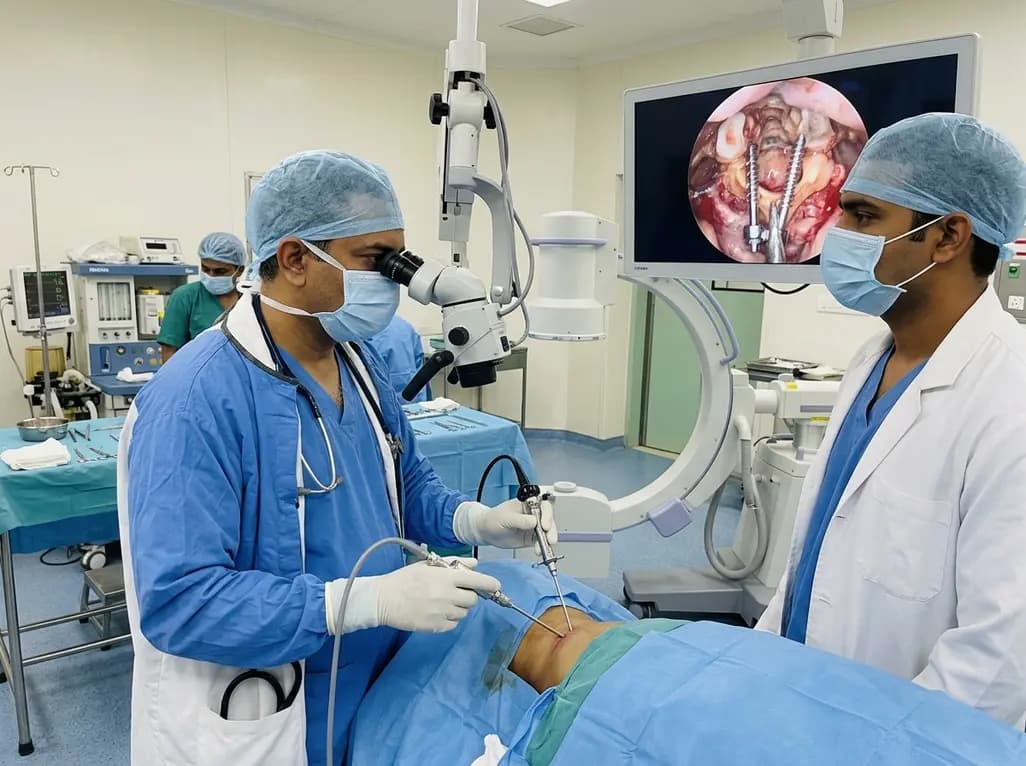
Endoscopic posterior cervical fusion combines minimally invasive decompression, joint preparation, and rigid screw-rod fixation for atlantoaxial pathologies. Early clinical findings demonstrate solid bony union, excellent symptom relief, and minimal soft-tissue morbidity without significant vascular compromise.
Yesterday
Atherosclerosis involves extensive glycometabolic reprogramming across immune and vascular cells. This review examines how glycolysis, the pentose phosphate pathway, and lactate-driven epigenetic shifts fuel plaque vulnerability, while highlighting novel therapeutic targets like PFKFB3 and LDHA.
Today
