.webp&w=384&q=75)

Loading, please wait...
Loading, please wait...

The rising suicide rates within the U.S. Army have prompted a significant shift in military mental health paradigms. Specifically, the Army now emphasizes the role of non-commissioned officers (NCOs) as the primary line of defense. This qualitative study explores how Suicide prevention gatekeeper training can empower these leaders to identify and address critical risk factors. Historically, suicide prevention relied heavily on clinical interventions after a crisis had already manifested. However, current research suggests that upstream prevention through peer and supervisor support is equally vital. By focusing on financial instability, relationship issues, and substance use, NCOs can intervene before a crisis escalates. Consequently, the study advocates for a broader training landscape that goes beyond simple identification. It emphasizes the necessity of "difficult conversations," which require high levels of empathy and sophisticated communication skills. For medical professionals, these findings underscore the importance of integrating non-clinical staff into the broader mental health ecosystem. Ultimately, the goal is to create a resilient force where well-being is synonymous with operational readiness.
The gatekeeper model operates on the premise that individuals in distress often turn to trusted peers before seeking professional clinical help. Therefore, suicide prevention gatekeeper training aims to bridge the gap between initial emotional distress and professional care. Within a military or corporate structure, gatekeepers are individuals who have regular, daily contact with high-risk groups. Specifically, they learn to recognize "red flags" such as social withdrawal, subtle verbal cues, or sudden behavioral changes. Moreover, effective training helps these individuals overcome the psychological barriers to intervention, such as the persistent fear of "saying the wrong thing." Research indicates that many potential gatekeepers feel ill-equipped to handle the heavy emotional weight of these interactions. Consequently, the curriculum must address both the clinical signs of suicide and the interpersonal dynamics of a specific command structure. In addition, successful programs encourage gatekeepers to view their role as a supportive bridge rather than a diagnostic professional. By clarifying these boundaries, institutions can reduce the burden on supervisors while increasing the likelihood of early intervention. This approach is particularly relevant in high-stress environments where professional medical help may be perceived as stigmatizing. Thus, the gatekeeper becomes a vital ally in the broader effort to reduce suicide rates.
Effective Suicide prevention gatekeeper training requires more than just informational lectures or digital modules. The study by Jaycox and colleagues highlights that interactive and experiential learning methods significantly improve long-term retention of critical skills. Specifically, role-playing and simulated "difficult conversations" allow participants to practice their responses in a safe, controlled environment. Furthermore, these sessions should address the specific cultural nuances of the target population to ensure relevance. For instance, in the U.S. Army, NCOs often navigate complex power dynamics that can either facilitate or hinder open communication. Therefore, training must teach these leaders how to maintain authority while showing genuine empathy toward their subordinates. Notably, the study found that existing Army efforts already align with many global best practices, yet critical gaps remain. One such gap is the lack of standardized training in "soft skills," which are the absolute foundation of effective communication. Without these skills, a gatekeeper might follow the protocol but fail to establish the rapport needed for a soldier to disclose their struggles. Consequently, institutions should prioritize soft skill development alongside traditional risk assessment protocols. By doing so, they ensure that gatekeepers are compassionate leaders rather than just "check-box" evaluators.
Communication is the cornerstone of any effective suicide prevention program, yet many modules focus heavily on checklists. The Jaycox study specifically identifies the urgent need for enhanced training in what they term "difficult conversations." These interactions involve discussing sensitive topics such as marital failure, financial ruin, or severe mental health crises. To handle these effectively, gatekeepers require advanced soft skills, including active listening and non-judgmental responding. Furthermore, these skills allow the leader to navigate the soldier's initial resistance and build a reliable pathway toward professional help. Specifically, empathy acts as a powerful tool to de-escalate emotional volatility in high-stakes situations. If a gatekeeper can validate a soldier’s feelings without dismissing them, the likelihood of a successful referral increases significantly. Moreover, the study suggests that these soft skills should be treated with the same rigor as tactical or technical training. Consequently, training programs must incorporate feedback loops where experts can critique the gatekeeper’s communication style. This iterative process ensures that the "difficult conversation" becomes a natural and effective part of the leadership repertoire. Ultimately, the mastery of these interpersonal skills transforms a standard supervisor into a highly effective, life-saving gatekeeper.
Training is often mistakenly viewed as a singular event; however, the study argues that long-term efficacy depends on continuous support. Specifically, the researchers recommend enhancing skills through coaching, mentoring, and performance feedback long after the initial training session concludes. Without these reinforcements, the "decay" of skills can occur rapidly, leaving NCOs unprepared when a real crisis arises. Furthermore, mentorship provides a vital psychological safety net for the gatekeepers themselves, who may experience secondary trauma. Dealing with suicidal ideation in subordinates is emotionally taxing and can lead to significant burnout among leaders. Therefore, institutions must provide a structure where NCOs can discuss their experiences with seasoned mentors and peers. Notably, this support system also clarifies that soldier well-being is an intrinsic, non-negotiable part of the NCO role. When leadership provides consistent feedback, it reinforces the value of mental health efforts within the command hierarchy. Consequently, the integration of post-training support creates a sustainable culture of care rather than a temporary initiative. Moreover, this approach aligns with clinical best practices that emphasize longitudinal care over episodic interventions. By institutionalizing these support mechanisms, the Army can ensure that its gatekeepers remain vigilant, confident, and effective over time.
A successful suicide prevention strategy requires a fundamental shift in the broader organizational culture. Specifically, the Army study emphasizes that soldier well-being must be recognized as a key component of a "ready and resilient force." This means that mental health support should not be seen as a peripheral activity but as a core leadership duty. Furthermore, high-level leaders must actively promote this concept to reduce the stigma associated with seeking help. When NCOs see that their superiors value "difficult conversations," they are more likely to prioritize these interactions in their commands. In addition, the study recommends clarifying that this type of soldier support is a formal part of the NCO role. By embedding these expectations into performance evaluations, the institution can ensure accountability and consistency across different units. Moreover, a culture of resilience encourages proactive behavior, where soldiers feel comfortable discussing "upstream" issues like financial stress before they lead to suicidal thoughts. Consequently, the institutional environment becomes a protective factor in itself. This holistic approach reduces the reliance on emergency services and shifts the focus toward sustainable mental health. Ultimately, a resilient force is one where every member feels supported by their leadership and peers alike.
Active listening and empathy are the primary tools for building trust during a mental health crisis. Without these "soft skills," a gatekeeper may appear robotic or dismissive, which can shut down a conversation before it effectively starts. Specifically, soft skills allow the leader to validate the individual's pain while subtly guiding them toward professional help. Furthermore, they help navigate the complex emotions of shame and guilt that often accompany suicidal ideation. Consequently, mastering these skills ensures that the intervention is both compassionate and effective.
The study identifies a lack of availability for advanced training in difficult conversations and a significant need for better post-training support. Specifically, many programs provide the initial knowledge but fail to offer the coaching and mentorship required to sustain those skills over time. Furthermore, there is often a lack of clarity regarding whether suicide prevention is a formal leadership duty. Without clear institutional support and feedback loops, gatekeepers may feel unsupported or unsure of their responsibilities. Consequently, these gaps can lead to missed opportunities for early intervention.
Continuous feedback ensures that gatekeepers can refine their communication techniques and correct any misunderstandings of the established protocol. Specifically, mentorship allows seasoned leaders to share their practical experiences and provide guidance on handling complex interpersonal dynamics. Furthermore, regular check-ins reinforce the importance of the gatekeeper role within the organization. This constant reinforcement prevents skill decay and ensures that the gatekeeper remains confident in their ability to intervene. Consequently, a robust feedback system creates a more professional and reliable network of internal support.
Disclaimer: This content is for informational and educational purposes only. It does not constitute professional medical advice, diagnosis, or treatment. Always seek the advice of your physician or other qualified health provider with any questions you may have regarding a medical condition. Refer to the latest local and national guidelines for clinical practice.
References
Jaycox LH et al. Landscape of training for non-commissioned officers in difficult conversations with soldiers in their commands. Mil Psychol. 2026 Jul 09. doi: 10.1080/08995605.2026.2679827. PMID: 42424089.
Gould MS et al. Gatekeeper training for suicide prevention: A theoretical model and review of the empirical literature. Suicide Life Threat Behav. 2003.
Cross W et al. Randomized controlled trial of gatekeeper training for suicide prevention in custody officers. Justice Quarterly. 2007.

Read summarized clinical updates, watch expert medical content, and earn CME certifications right from your smartphone.
Open your smartphone camera to scan and install.





This qualitative study examines the training of US Army non-commissioned officers as suicide prevention gatekeepers, emphasizing the critical need for soft skills, mentorship, and post-training support to address mental health and relational risk factors effectively.
3 months ago
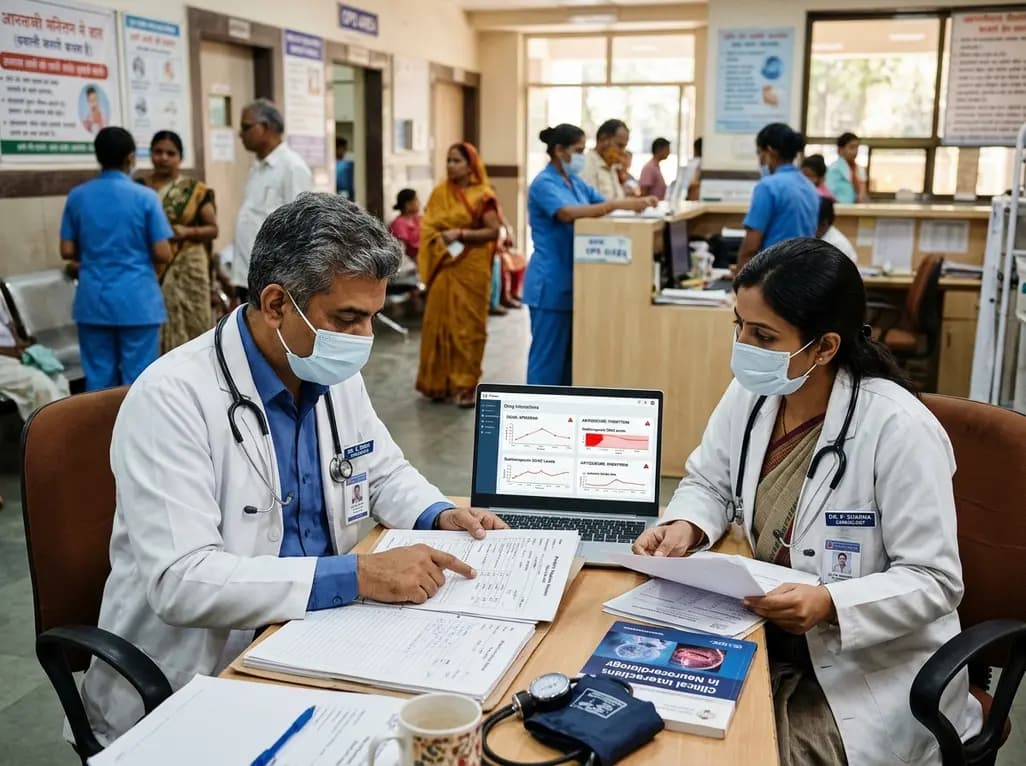
Co-administering antiseizure medications and DOACs frequently causes pharmacokinetic interactions, subtherapeutic drug levels, and thromboembolic failures. This review highlights enzyme induction risks, unpredictable outcomes with levetiracetam, and the vital role of therapeutic drug monitoring.
Today

Demanding exhaustive hormonal profiling can inadvertently discourage clinical studies involving females. Methodological standards must align with the specific scientific question to expand, not restrict, equitable evidence for women.
Today
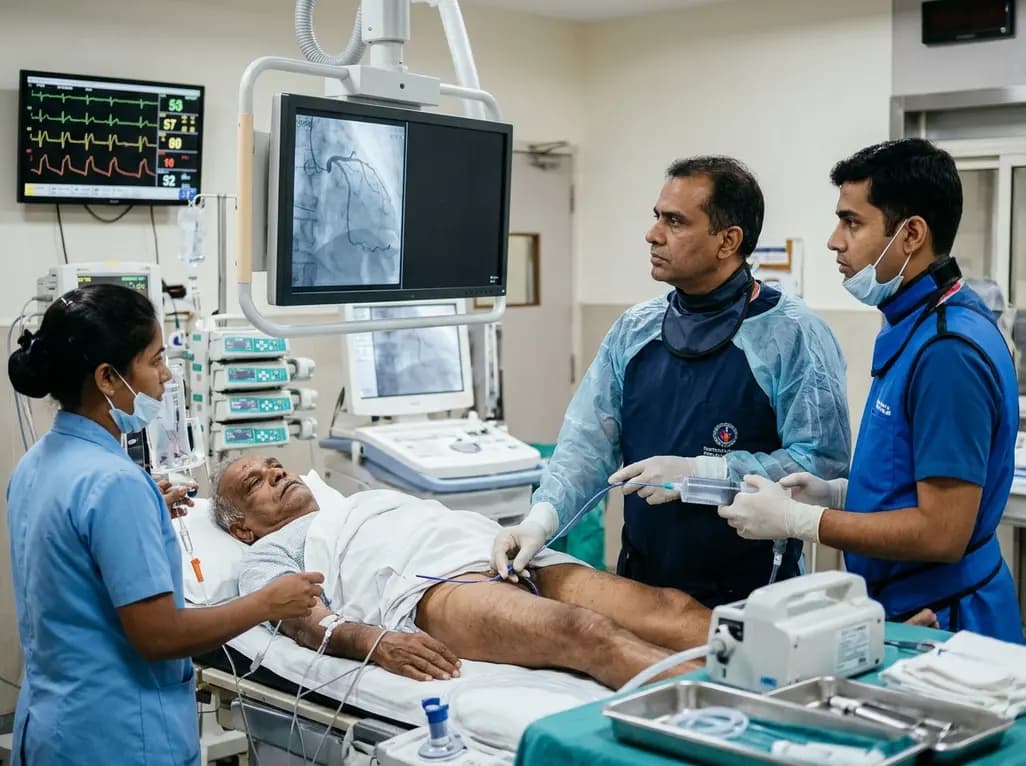
An elderly man with partially repaired Tetralogy of Fallot presented with STEMI caused by coronary embolism rather than atherosclerosis. Successful treatment with sustained mechanical aspiration thrombectomy underscores the vital need for high clinical vigilance in adult congenital heart disease.
Today
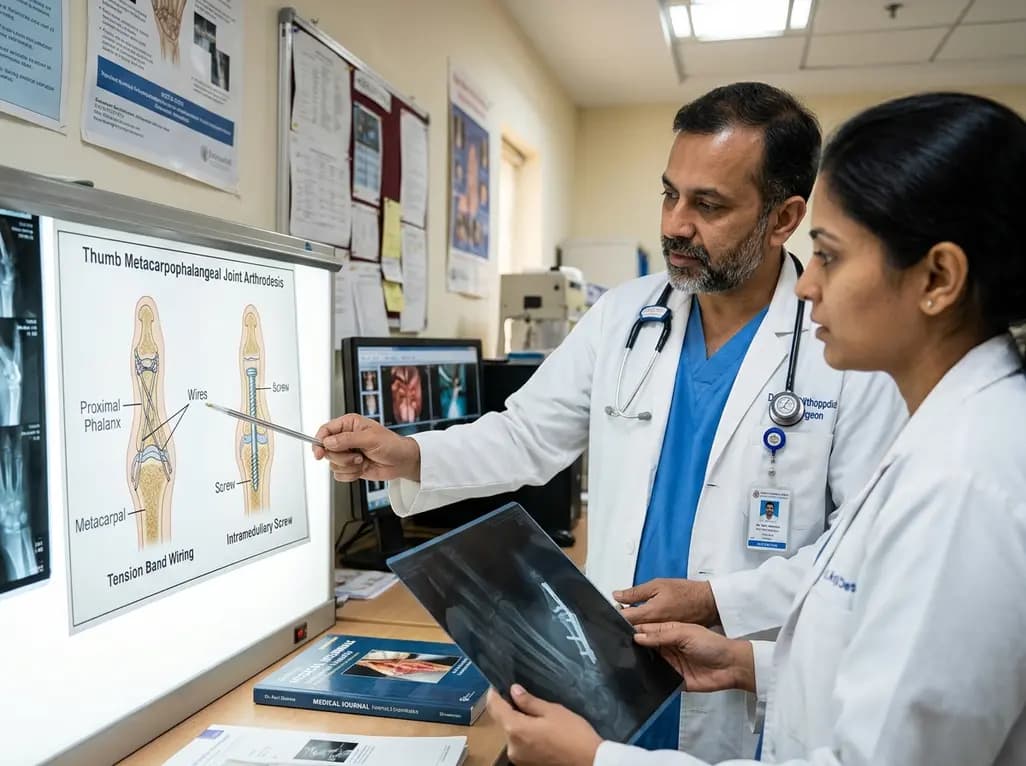
A comparative review of tension band wiring and intramedullary screw fixation in thumb metacarpophalangeal arthrodesis, evaluating union rates, hardware complications, and clinical outcomes.
Today

Following regulatory scrutiny from FSSAI regarding promotional representations and lean muscle preservation claims, Dr. Reddy's Laboratories and Nestlé Health Science are currently reviewing the branding and marketing strategy for their joint nutritional supplement Celevida GLP+.
Today
